

Antique Painting on Tin
These pieces of antique painting on tin bring together metalwork and applied pigment across centuries of domestic and decorative craft.
Antique Painting on Tin
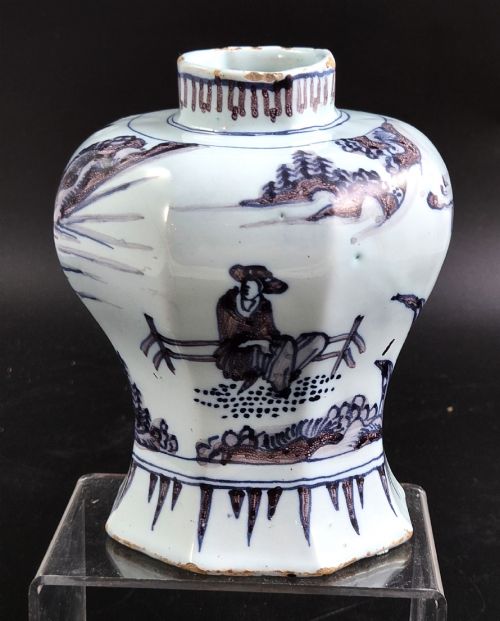
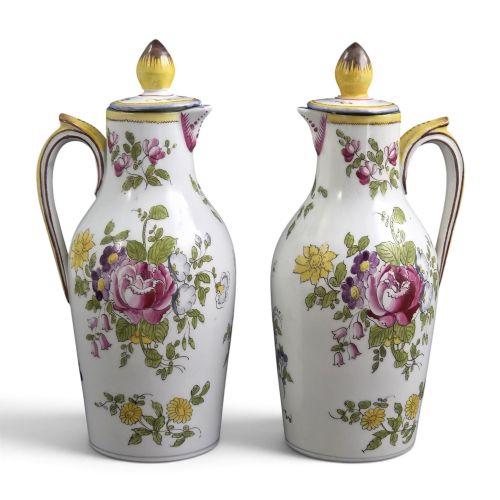
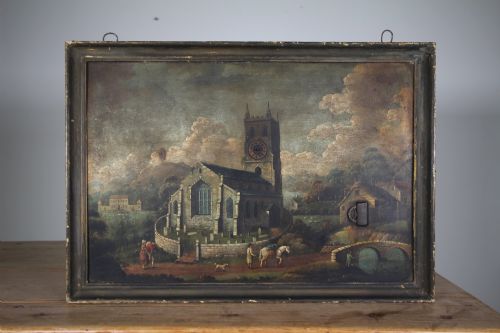
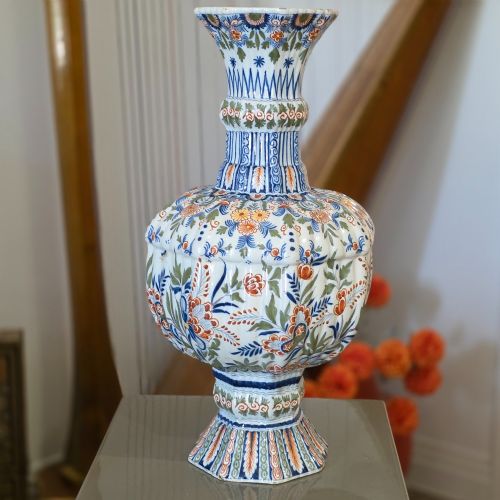
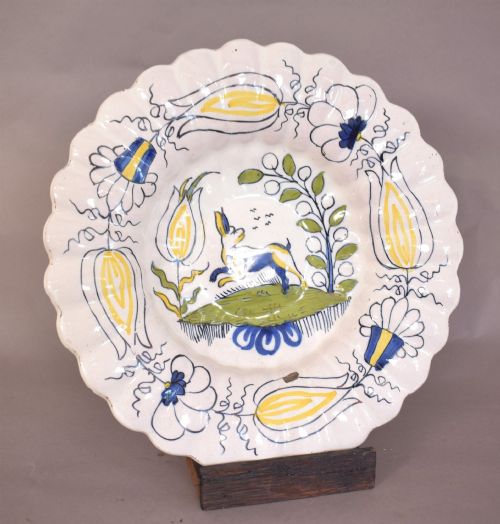
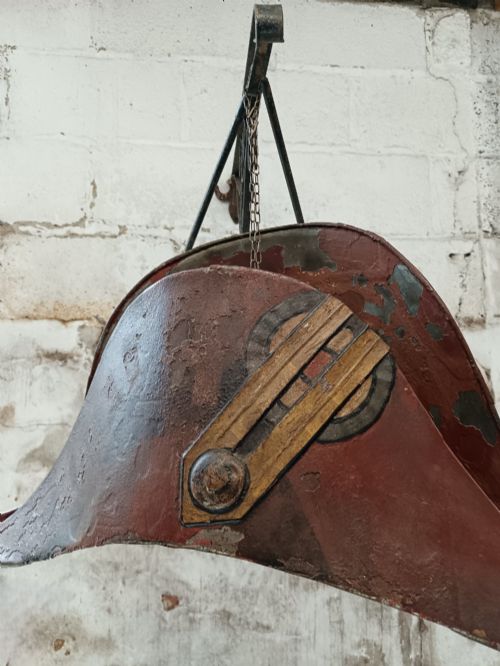
When you search for antique painting on tin, you encounter objects that merge metal fabrication with surface decoration, predominantly spanning the eighteenth and nineteenth centuries. The listings frequently unite tin-glazed earthenware - often referred to as delft, faience, or majolica - with painted metal vessels such as toleware boxes, lanterns, and trade signs.
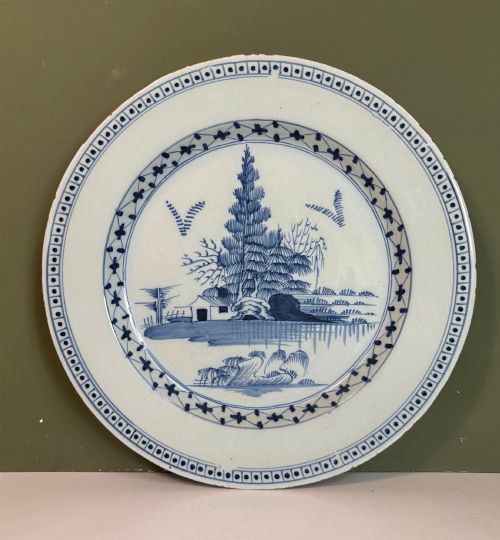
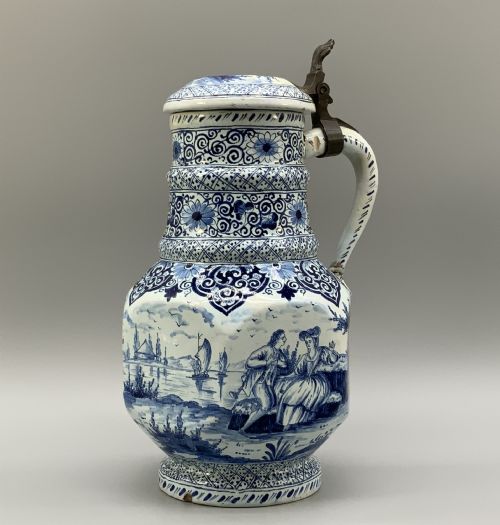
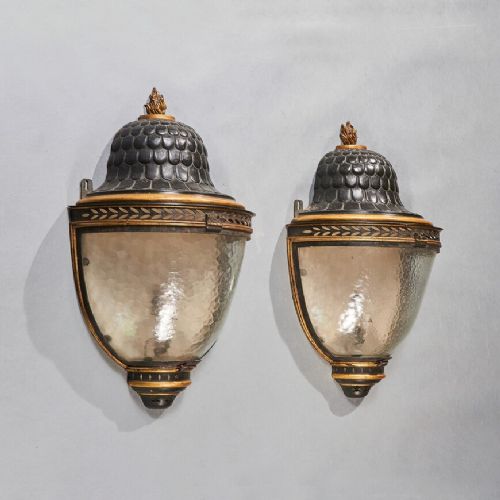
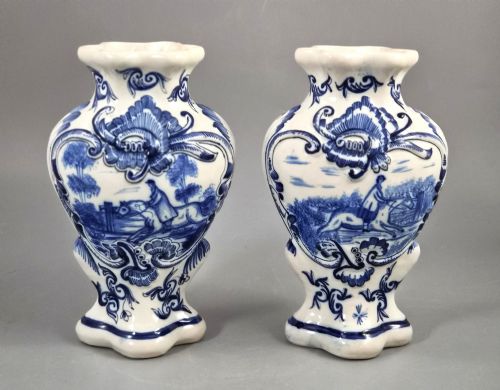
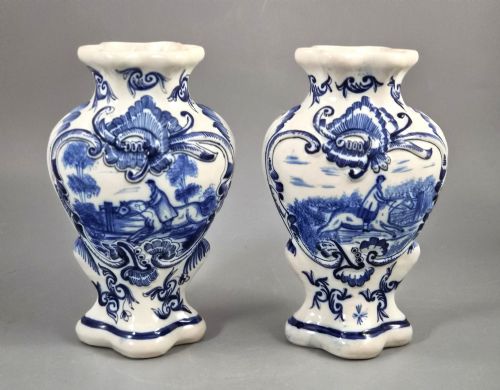
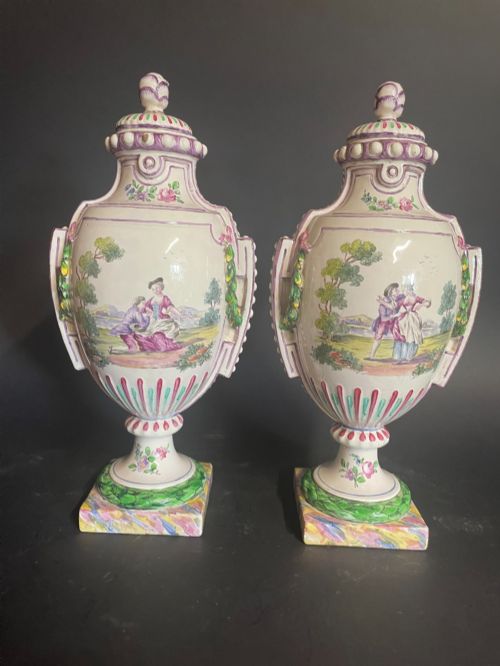
The versions met most often on this page take the form of chargers, dishes, and wall lanterns. These items reflect traditional European methods of applying pigment directly onto a metallic or tin-opacified glazed ceramic surface.
Materials and construction methods
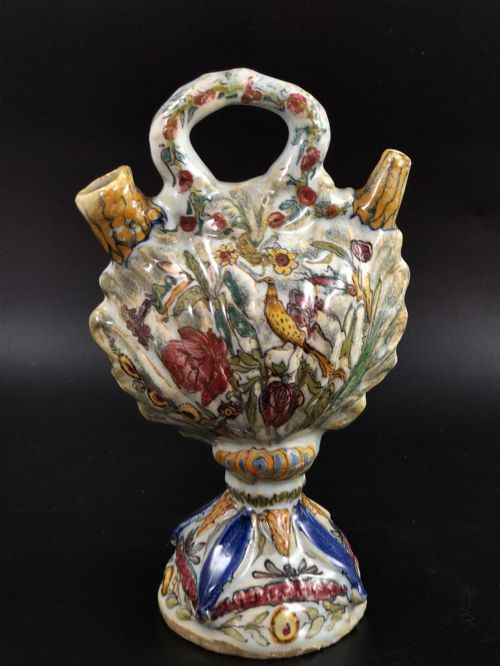
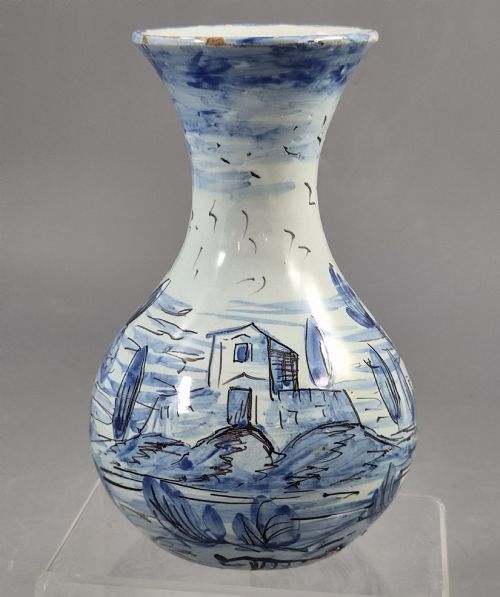
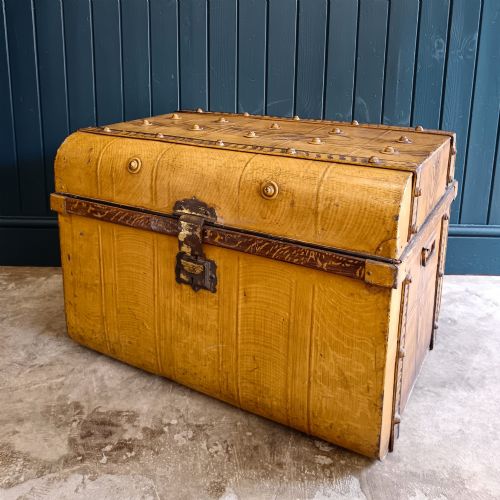
The construction relies on base metals and ceramic bodies treated with specialised coatings. Metal items utilise sheet iron or steel shaped into trunks, lanterns, and containers, then coated with oil-based paints or lacquers known as toleware. Ceramic counterparts use earthenware covered in a white tin glaze that accepts hand-painted cobalt, manganese, and polychrome pigments.
Makers applied decorative finishes by hand, frequently employing blue and white motifs or gilding over the prepared surface. The combination of metal substrates and ceramic tin glazes required careful firing and painting techniques to ensure adherence and longevity.
Listings feature eighteenth-century tin-glazed chargers alongside nineteenth-century toleware lanterns and painted metal trunks.
Evaluating the standard of execution
Quality rests upon the precision of the hand-painted brushwork and the stability of the underlying metal or ceramic body. Superior examples display confident, detailed pictorial scenes and well-preserved surface finishes, whereas lesser items show hurried brushstrokes and significant flaking to the painted layers.
The sophistication of the form and the preservation of original parcel gilding or polychrome detail distinguish finer workshop output from standard utility items. Objects retaining their original structural integrity and unblemished decorative surfaces command greater attention.
Veuve Perrin Marseille·Fourmaintraux-Courquin Desvres·Cantagalli·Eade and Son
The Antique Painting on Tin Glossary
- Toleware
- Painted or enamelled metalware, usually iron or steel, decorated with lacquers and pigments. This technique was widely utilised for domestic accessories and trade signs.
- Tin Glaze
- An opaque white ceramic glaze containing tin oxide, providing a smooth background for painted decoration. It is characteristic of delftware, faience, and majolica.
- Delftware
- Tin-glazed earthenware produced in the Netherlands and England, typically decorated with blue and white designs. Production spans several centuries of ceramic history.
- Majolica
- Heavy earthenware covered with an opaque tin glaze and painted with coloured metallic oxides. Italian and revival pieces frequently employ this vibrant technique.
- Faience
- European tin-glazed pottery produced in France, Germany, and other regions outside Italy. Workshops decorated these ceramic bodies with intricate floral and figurative motifs.
Antique Painting on Tin: Frequently Asked Questions
What is toleware?
Toleware refers to metal objects treated with decorative painted finishes and protective lacquers. These items include containers, lanterns, and trade signs produced during the nineteenth century.
The term derives from the French phrase for painted sheet metal. Makers shaped iron into practical forms before applying intricate surface designs.
How do I care for tin glaze?
Tin-glazed earthenware requires gentle handling to protect the brittle ceramic body and surface glaze. Keep these pieces away from moisture and avoid harsh cleaning agents.
Display items securely to prevent chipping along the edges. Dust them softly with a dry cloth.
Are these items waterproof?
Most antique metal and tin-glazed items are intended for decorative use rather than holding liquids. Older joins and materials can degrade over extended periods.
Utilise liners if displaying floral arrangements inside antique vessels. Check the interior condition before introducing moisture.
How are periods identified?
Periods are determined through stylistic motifs, manufacturing techniques, and material composition. Hand-painted palettes and glazing styles offer key clues to dating.
Comparison with documented workshop output helps narrow down the era of creation. Structural fasteners also provide indicators of age.