
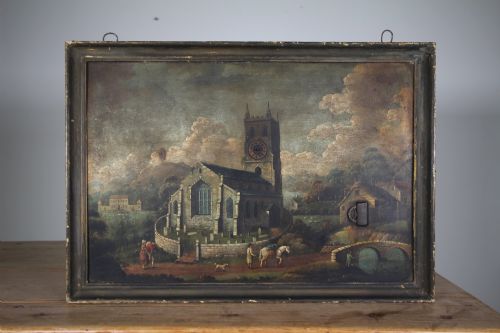
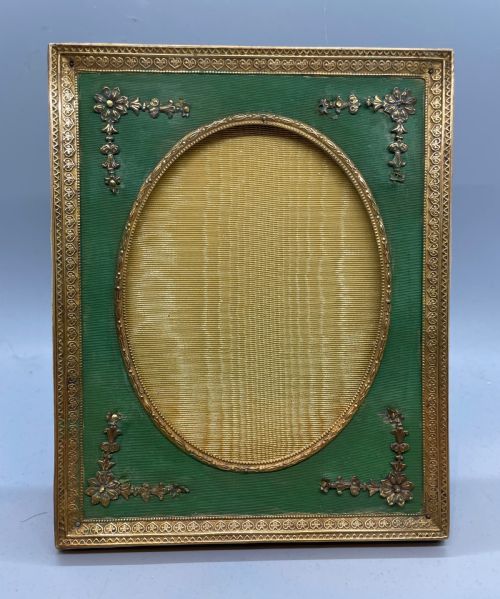
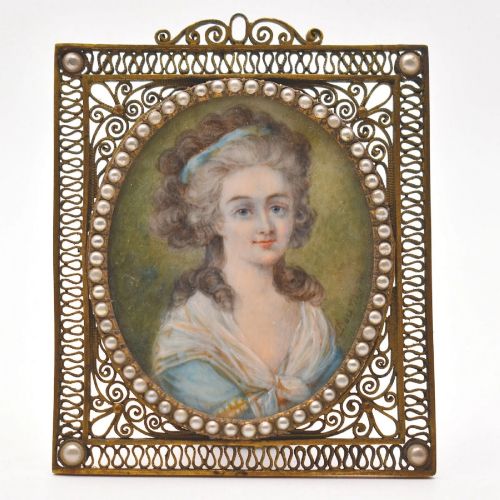


Framed Metal Picture
Framed metal picture works combine sturdy metallic mounts with delicate miniature paintings, portraits, plaques, and prints spanning the eighteenth, nineteenth, and twentieth centuries.
Framed Metal Picture
A framed metal picture brings together rigid housings of brass, copper, bronze, or nickel and visual art rendered on tin, paper, glass, or enamel. These pieces range from portrait miniatures and watercolour paintings to relief plaques and photographs.
The selection leans heavily toward nineteenth-century French designs alongside Georgian, Edwardian, and Art Deco examples. Buyers frequently encounter ornate gilt bronze and ormolu photo frames alongside free-standing chrome and modernist nickel pieces.
Materials and construction methods
Makers utilised cast brass, ormolu, bronzed copper, and plated silver to build robust structural housings. Elements such as champleve enamel, paste stones, and seed pearls embellish the metal borders.
Artisans combined these metal frames with paintings on tin, delicate watercolours on paper, and glass plates. Backings often incorporate wood and paper supports to hold the artwork securely within the metal mount.
Listings feature works spanning from the 18th century through the Art Deco period, utilising brass, copper, bronze, nickel, glass, and tin.
Distinctions in quality
Quality rests in the crispness of the metal casting and the refinement of surface decoration, such as hand-chased details on ormolu or cast brass. Finer examples display meticulous assembly where bezels, stands, and hinges operate smoothly.
The artistry of the enclosed picture dictates overall merit, separating standard mass-produced prints from signed miniature paintings, painted enamel plaques, and hand-coloured watercolours.
The Framed Metal Picture Glossary
- Ormolu
- Gilded bronze typically associated with decorative mounts and nineteenth-century French frames. It provides a rich golden appearance that resists tarnishing.
- Champleve
- An enamelling technique where troughs are dug into a metal surface and filled with vitreous paste before firing. This creates colourful decorative patterns across the frame.
- Portrait miniature
- A small, highly detailed painting usually executed on paper, ivory, or tin. These works are frequently housed behind protective glass in metal desk frames.
- Tin
- A malleable metal frequently used as a stable base for eighteenth and nineteenth-century oil paintings. It offers a smooth surface for detailed brushwork.
- Paste stone
- Faceted glass cut and polished to resemble gemstones and set into decorative metal frames. It adds colourful sparkle to ornate French and Victorian designs.
Framed Metal Picture: Frequently Asked Questions
How should I clean a metal picture frame?
Dust gently with a soft, dry cloth to protect delicate patinas, gilding, and inset enamel. Avoid liquid polishes that can seep beneath mounts and damage underlying paintings or paper.
Take care around delicate elements like paste stones and seed pearls. Professional conservation is recommended for fragile or historic metalwork.
Can I replace the photograph inside?
Many period frames feature hinged backs or flexible retaining tabs designed for swapping out personal portraits. Ensure the replacement material matches the thickness of the original glass and backing.
Avoid forcing old metal hinges or latches if they feel stiff. Preserving original glass and paper inserts maintains the historical integrity of the piece.
How do I date a metal picture frame?
Examine the manufacturing technique, fastening methods, and overall aesthetic style to establish a timeframe. Heavy cast brass, ormolu, and elaborate crests often point toward Victorian or Edwardian production.
Sleek chrome, geometric lines, and minimalist stands typically indicate an Art Deco origin. Makers' marks and signatures on the accompanying artwork offer further clues.
Where should I display these pieces?
Place free-standing frames on mantelpieces, desks, or glass-fronted cabinets away from direct sunlight and damp environments. Wall-mounted mirrors and relief plaques require secure fixings suited to their weight.
Keep them clear of temperature extremes that might warp wooden backings or degrade paper inserts. Stable indoor conditions protect both metalwork and enclosed art.