




Mechanical Wall Art
Mechanical wall art brings together movement and timekeeping in pieces that transform a room.
Mechanical Wall Art
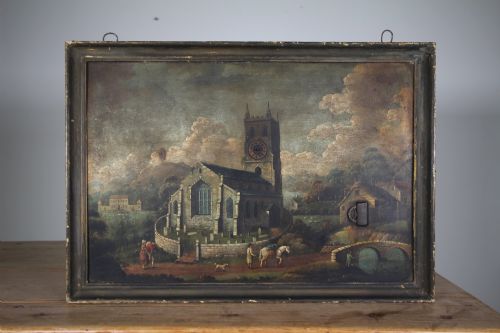
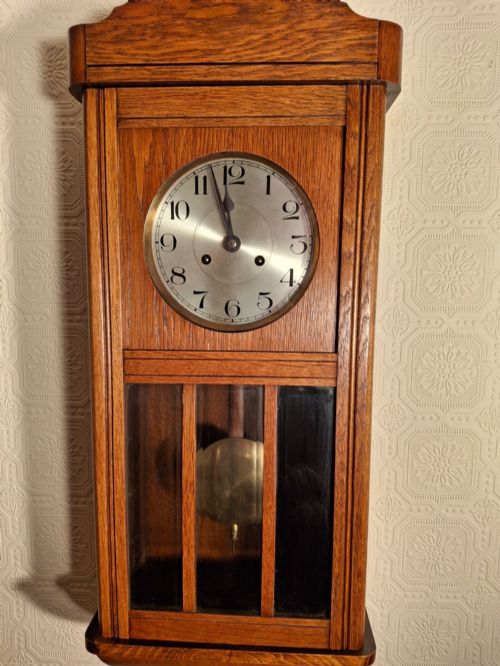
Mechanical wall art combines timekeeping and kinetic movement in forms such as wall clocks, automaton clock pictures, and clockwork dioramas. When you search for mechanical wall art, you encounter objects that merge decorative painting with working mechanisms.
The pieces listed here span the 18th century, 19th century, and the 20th century, including decades from 1900 to 1950. You are most likely to meet wall clocks featuring striking movements and automaton elements.
Makers and styles represented range from Georgian folk art and Victorian to Arts and Crafts, Art Nouveau, and Art Deco. These items serve as functional timepieces and dynamic visual displays for interior spaces.
How they were made
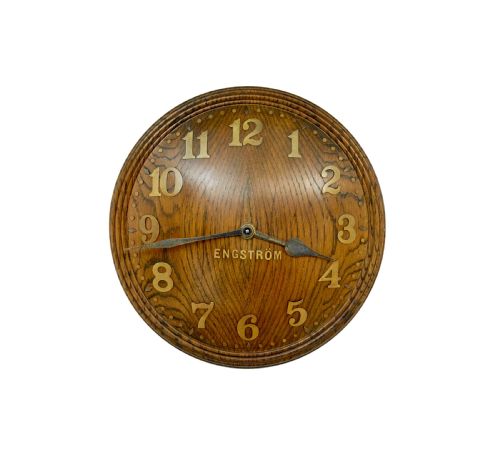
Construction relies heavily on traditional cabinet timbers such as oak and walnut, paired with metal and brass for the internal movements and numerals. Glass protects dials and painted scenes, while oil paint on tin or paper brings detail to pictorial works.
Makers utilised precise clockwork mechanics, incorporating eight-day striking movements, carillon chimes, and automaton mechanisms that drive moving parts like waterwheels and clock hands.
Listings feature oak and walnut woods alongside brass components across the 1900 to 1950 period.
What varies in quality
Quality rests in the complexity of the movement and the integration of kinetic elements with the cabinetwork. Pieces featuring intricate automaton scenes or signed movements demonstrate a higher level of workshop output.
The choice of timber and the execution of regional styles, from Art Deco geometric cases to Arts and Crafts golden oak, define the visual weight and presence of each piece on the wall.
Odo·Vedette·Engström by Zenith·Philipp Haas
The Mechanical Wall Art Glossary
- Automaton
- A self-operating machine or mechanism designed to automatically follow a predetermined sequence of operations, often creating moving parts in pictures or clocks.
- Carillon
- A set of bells sounded by hammers controlled by a keyboard or clockwork mechanism, producing musical chimes.
- Diorama
- A three-dimensional scene, often housed in a case, utilising clockwork to animate specific elements within the display.
- Striking movement
- A clock mechanism that sounds the hours or quarters on a bell or gong.
Mechanical Wall Art: Frequently Asked Questions
What is mechanical wall art?
Mechanical wall art encompasses items that unite visual display with kinetic movement, primarily wall clocks and automaton clock pictures.
These pieces integrate timekeeping mechanisms with painted or carved scenes to create dynamic wall hangings.
How do automaton clocks work?
Automaton clocks use internal clockwork gear trains to power physical movement alongside the timekeeping hands.
This mechanical linkage animates painted elements like waterwheels or figures within the display.
Which periods are common?
The selection includes items ranging from the 18th century through the 19th century and into the 20th century.
Art Deco and Arts and Crafts examples from the early decades of the 1900s appear frequently.
What materials were used?
Cases are constructed from woods such as oak and walnut, complemented by brass dials and numerals.
Movements are built from metal components, and pictorial elements often use oil paint on tin or paper.