







Antique Painting Frame
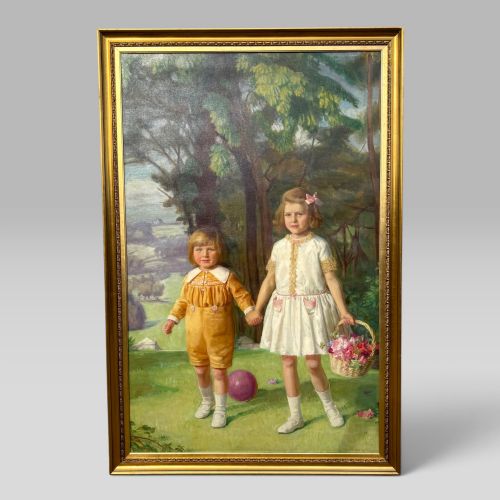
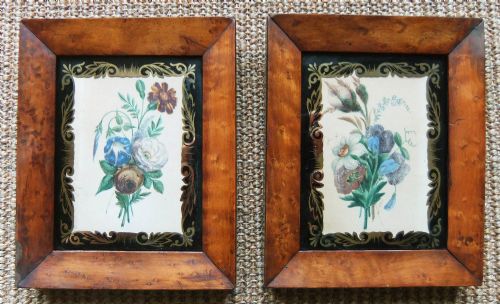
When you search for an antique painting frame, you seek the timber or gilt enclosure that completes a period canvas or panel.
Antique Painting Frame
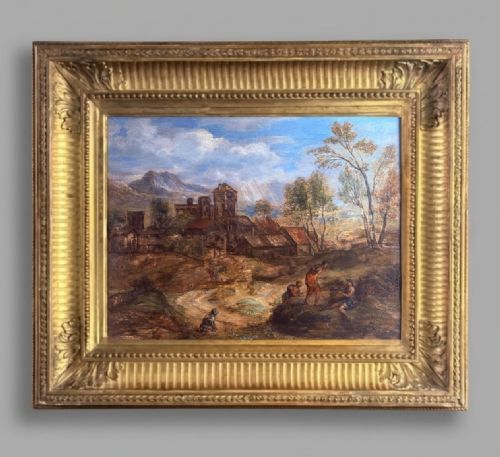
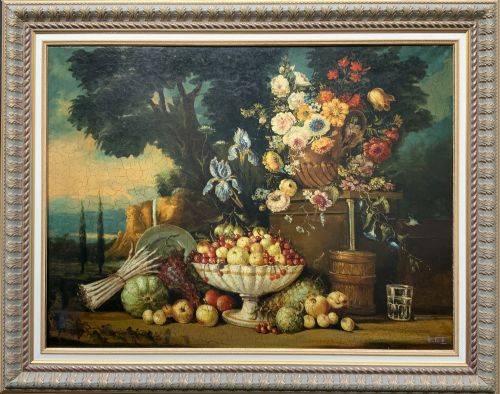
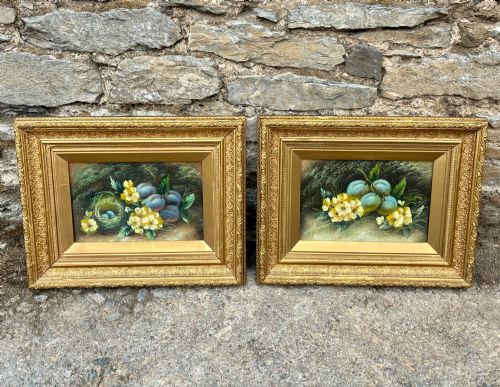
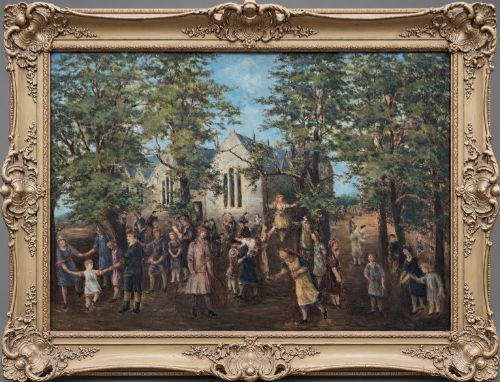
The selections span centuries, incorporating Georgian, Victorian, and Edwardian examples that often retain their original pictures or house mirrors. Many pieces exhibit deep mouldings, floral motifs, or carved details suited to specific historical aesthetics.
Beyond housing paintings, certain specimens function independently as decorative wall mirrors or retain period joinery from past centuries. They vary from plain wooden profiles to heavily decorated gilt frames designed for prominent display.
How They Were Made
Maker workshops utilised solid timbers such as oak, mahogany, and maple, building structural carcass frames with traditional corner joints and internal rebates to secure the art. Wood was often carved directly or built up with applied composition ornaments.
Giltwood finishes relied on laying thin gold leaf over a prepared gesso and bole ground applied to a wooden base. Carved wooden sections required meticulous hand-tooling before gilding or finishing with ebonised treatments.
Some antique frames hold unexpected interior secrets, including nineteenth-century ship timbers and forgotten sketches tucked behind the backing boards.
What Varies in Quality
The depth of carving and the intricacy of moulded motifs separate standard utility surrounds from exceptional artisan examples. Superior specimens display crisp relief work and well-balanced proportions that complement the artwork they enclose.
The integrity of the original surface finish, whether aged gilding or polished wood grain, dictates the character of the piece. Retaining original gesso, authentic gold leaf, and untouched period joinery elevates the historical merit significantly.
The Antique Painting Frame Glossary
- Rebate
- The recessed internal channel at the back of a frame designed to hold the canvas, panel, or glass securely in place. This measurement determines the maximum dimensions of the artwork the surround can accommodate.
- Giltwood
- Timber that has been coated with a layer of gold leaf applied over a prepared chalk and glue ground. This finish is characteristic of formal European framing styles.
- Gesso
- A plaster-like mixture applied to wooden frame bases to create a smooth surface for subsequent gilding or painting. It allows craftsmen to carve intricate relief details before applying gold leaf.
- Ebonised
- Wood treated with chemical stains or dark finishes to imitate the appearance of expensive ebony. This technique was frequently utilised on nineteenth-century frames for a stark, contrasting border.
- Moulding
- The shaped strip of timber or composition material that forms the profile of the frame. Variations in its contour define the aesthetic period of the piece.
Antique Painting Frame: Frequently Asked Questions
How do I match a frame to my art?
Consider the period and visual weight of your artwork when selecting a housing. A heavy oil painting often requires a deep, moulded gilt enclosure, while a delicate watercolour suits a simpler wooden or ebonised profile.
Verify the internal rebate dimensions carefully to ensure your canvas or panel fits without risking damage to the edges.
Are these frames sold with paintings?
Many listings present historical canvases, portraits, or landscapes already seated within their original period surrounds. Other examples appear as empty enclosures ready to house a compatible artwork or to function independently as mirrors.
Check the individual description to determine whether the art is included or if you are acquiring the wooden or gilt housing alone.
How should I care for giltwood?
Gilt surfaces require gentle treatment to preserve the thin layer of gold leaf and underlying gesso. Dust the carved motifs softly with a dry, lint-free cloth without applying cleaning solutions or moisture.
Keep the piece away from direct sunlight and fluctuating humidity to prevent the timber substrate from warping or the gesso from cracking.
How can I tell the period?
Dating relies on observing the construction techniques, timber species, and decorative motifs used in the construction. Georgian and Regency examples often feature distinct deep mouldings and hand-carved floral or baroque motifs.
Later Victorian and Edwardian specimens utilise different joinery methods and composition ornaments applied to the wooden carcass for ornamentation.