

Antique Painting Box
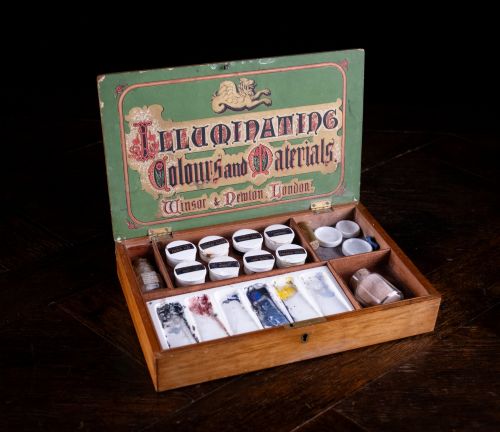
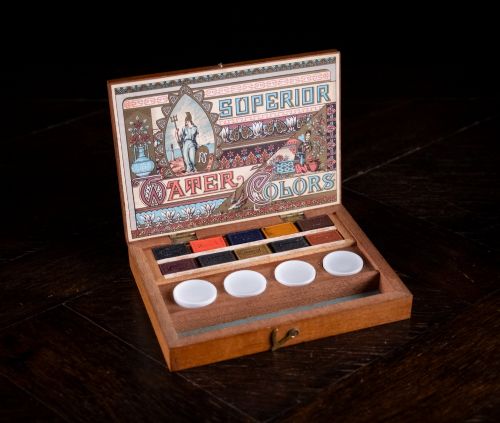
An antique painting box is a portable container designed to hold artists' pigments and brushes, offering a tangible connection to nineteenth-century studio craft.
Antique Painting Box
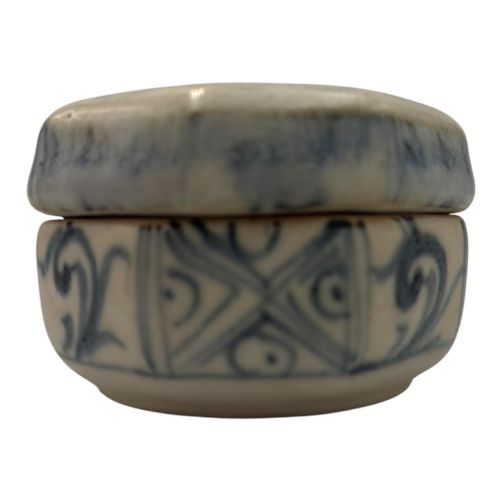
When searching for an antique painting box, buyers encounter various receptacles designed for storage and utility across the Georgian, Victorian, and Edwardian periods. The evidence spans diverse forms from the eighteenth to the twentieth centuries, including painted pine chests, leather hat boxes, and small lidded caskets.
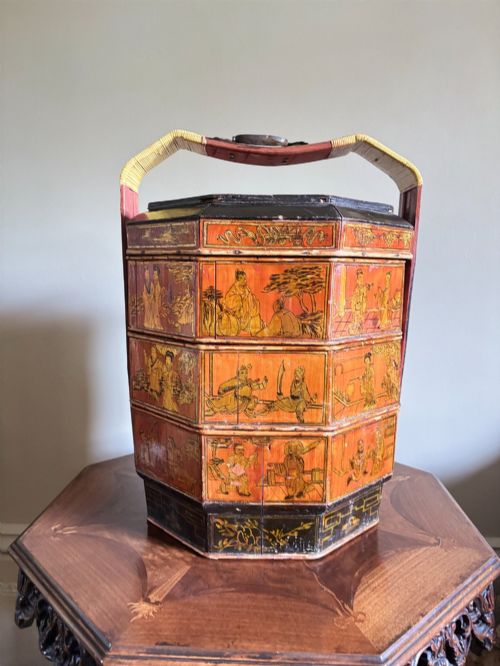
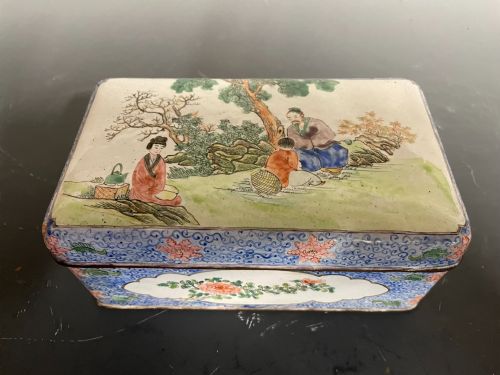
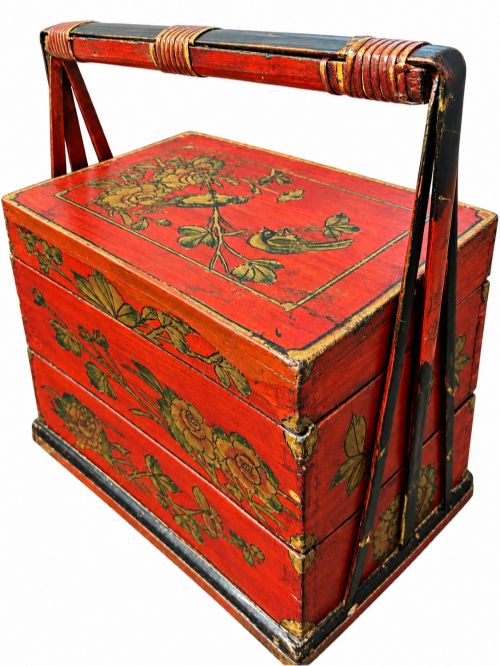
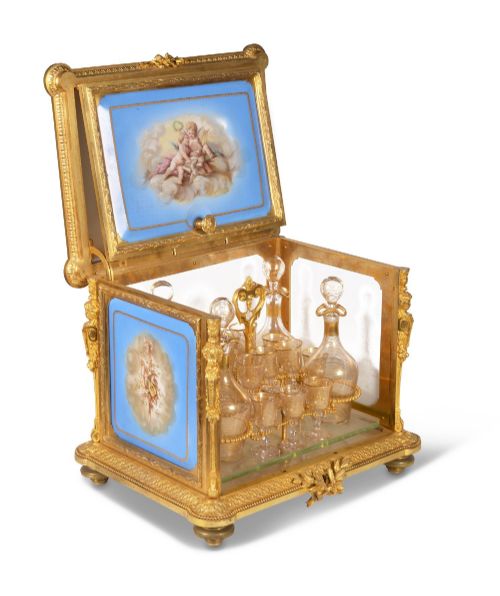
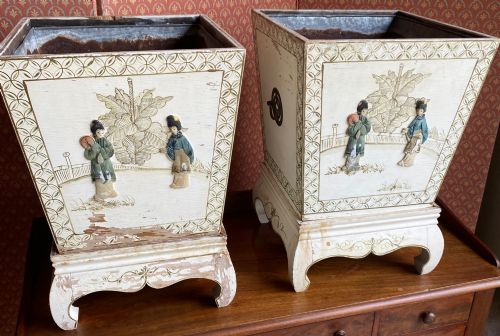
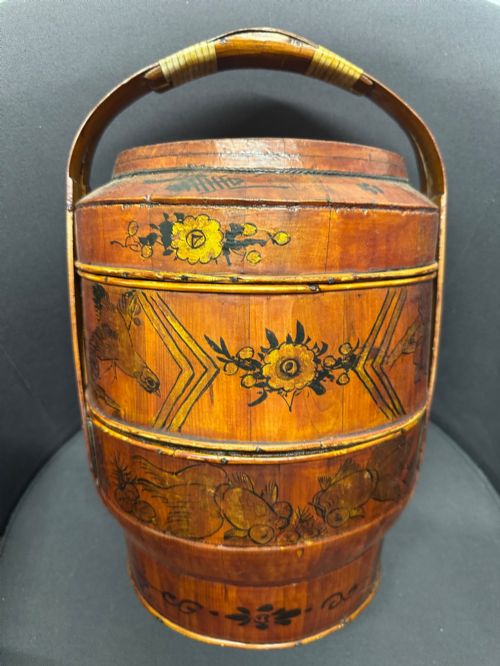
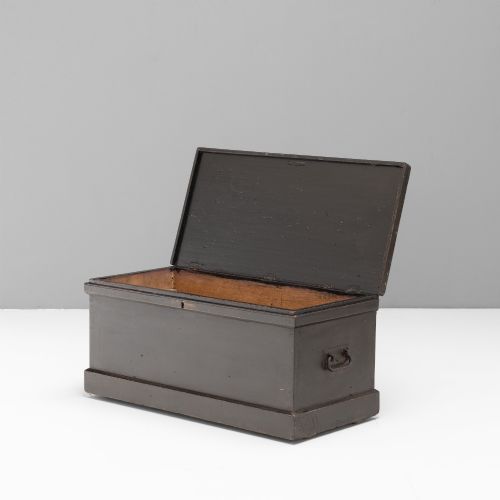
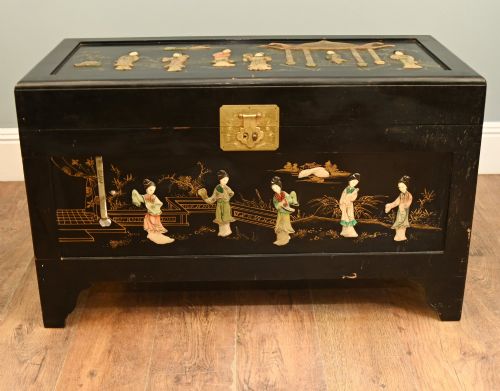
Many of these surviving pieces display regional characteristics or folk art traditions, utilising wood, metal, enamel, and lacquer. Examples range from simple pine trunks with hand-forged iron strapwork to intricately decorated Japanese lacquer kodansu and Chinese wedding chests.
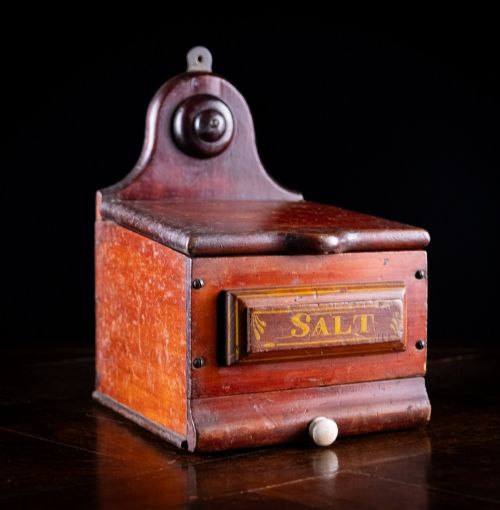
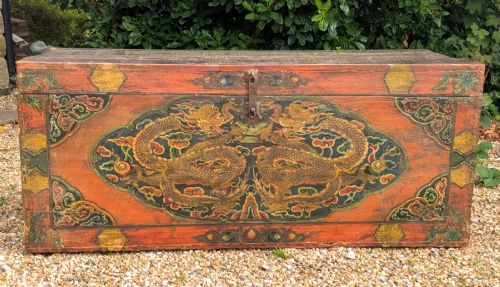
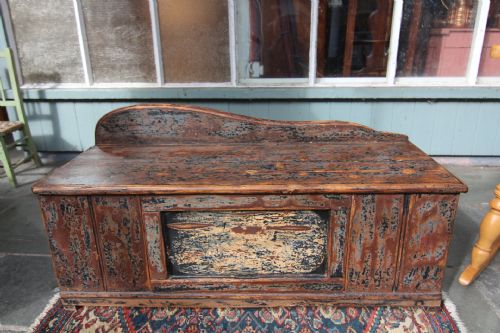
Buyers are most likely to meet utilitarian or decorative boxes fashioned from pine, wood, and lacquer, often bearing traces of original paint or polychrome decoration. These containers reflect the domestic and travelling storage needs of past centuries.
Materials and construction
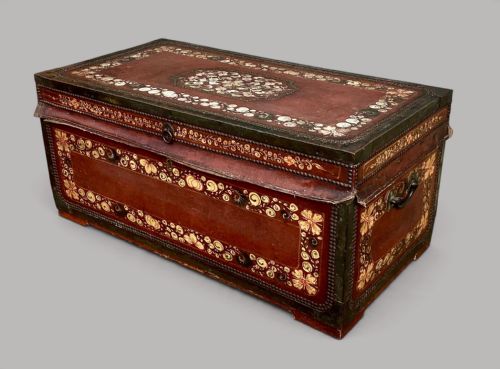
The construction relies heavily on native timbers such as pine and oak, frequently strengthened with iron strapwork, brass hardware, or metal fastenings. Wood surfaces were frequently treated with paint, lacquer, or faux finishes to provide both protection and visual appeal.
Decorative techniques recorded in the evidence include hand-painting, chip carving, and enamel work, alongside applied Chinoiserie and Japanese-style motifs. Lacquer and papier-mâché were also utilised for smaller receptacles, creating smooth, durable finishes.
Antique Painting Box Retail Price Guide 2026
Typical asking prices for painting box among the pieces listed under this phrase on Sellingantiques today, from the lower quarter to the upper quarter. They describe what is for sale here now, not the wider market.
One remarkably persistent nineteenth-century box once housed an eight-player croquet set, proving that past pastimes required serious packing.
Distinctions in craftsmanship
Quality separates objects by the integrity of their original materials and the preservation of their primary surfaces, such as early paint layers, lacquer, or iron hardware. Pieces retaining their uncompromised original finish demonstrate higher desirability among collectors.
The refinement of the joinery and the execution of surface decoration dictate the distinction between utilitarian containers and fine decorative items. Superior examples display careful hand-forged metalwork, precise joinery, and finely rendered painted details.
Vishnyakov Workshop·Eade and Son
The Antique Painting Box Glossary
- Lacquer
- A durable resin finish applied in multiple coats and polished, frequently seen on Asian and European export containers. It provides a hard, glossy surface that resists moisture.
- Polychrome
- Decorated in multiple colours, often describing painted wooden surfaces or folk art boxes. This technique adds vibrant visual detail to domestic items.
- Strapwork
- Ornamental metal bands or strips, usually of iron or brass, nailed across box lids and corners for reinforcement. It provides structural strength alongside a decorative grid effect.
- Tole ware
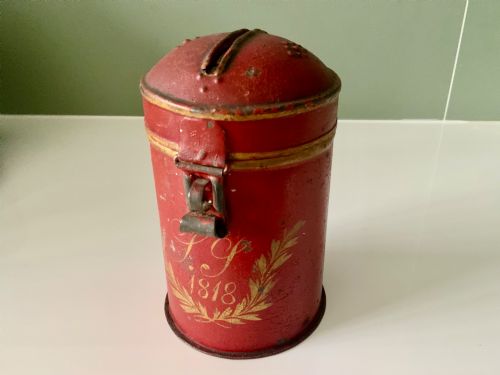
- Enamelled or japanned metal items, typically made from tinned sheet steel. This material was commonly shaped into coal scuttles, boxes, and domestic vessels.
Antique Painting Box: Frequently Asked Questions
What were antique painting boxes used for?
These containers were built to safely transport and organise artists' colours, brushes, and panels for fieldwork or studio work. Their fitted compartments kept delicate materials secure during travel.
Over time, many such boxes transitioned into general storage for letters, trinkets, or personal valuables as their original artistic function evolved.
How do I identify the period of a box?
Dating relies on examining the construction methods, such as hand-cut dovetails, forged iron hardware, and the composition of the wood. Secondary clues include the type of hinges and locks utilised.
Surface treatments like original paint, lacquer, or early varnishes also provide strong chronological indicators when compared against established period styles.
How should I care for painted wood?
Painted and lacquered surfaces require stable indoor humidity away from direct sunlight to prevent cracking, fading, or timber shrinkage. Dusting should be done gently with a dry, soft cloth.
Avoid using modern chemical polishes or water on aged paintwork, as moisture can lift fragile historic pigments from the wood grain.
What materials are most common?
Pine and mixed hardwoods form the structural carcass for the majority of utilitarian chests and lidded boxes found in this category. Iron and brass are frequently present as structural hinges, locks, and corner brackets.
Surface decoration commonly incorporates oil paint, lacquer, enamel, and papier-mâché, depending on the geographic origin and intended function of the piece.