
Antique Painted Wood Chairs
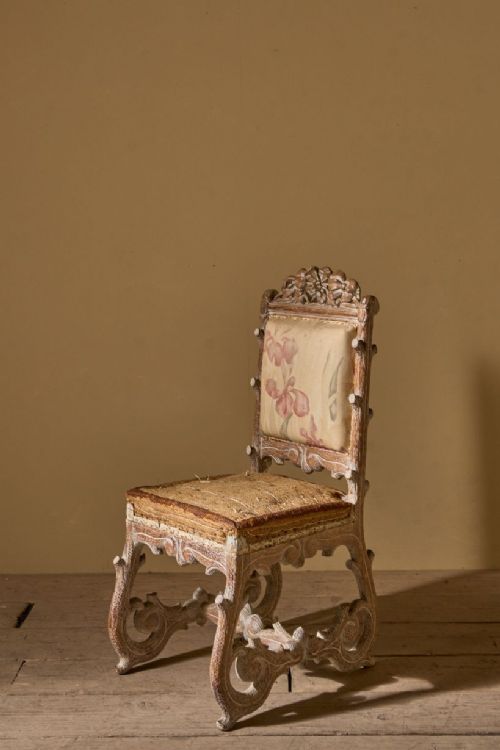
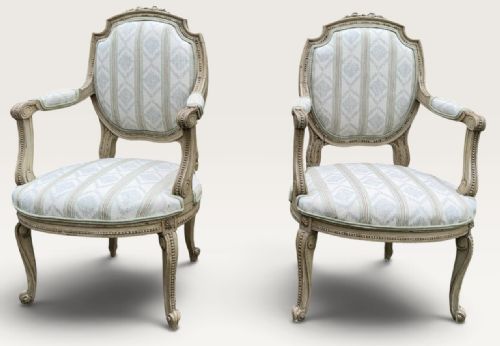
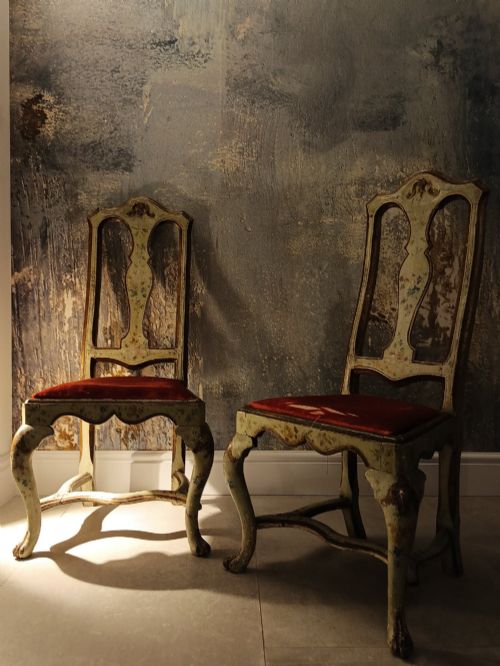
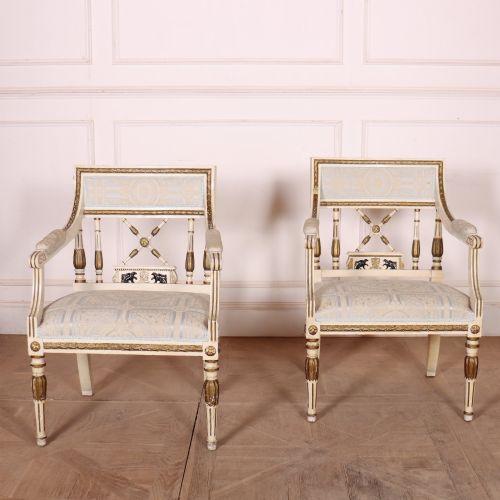
Antique painted wood chairs bring immediate character to a room, offering surface colour and historic form from the eighteenth and nineteenth centuries.
Antique Painted Wood Chairs
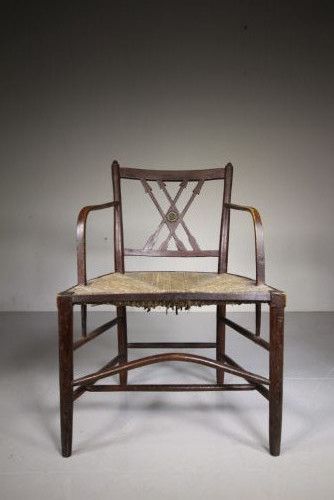
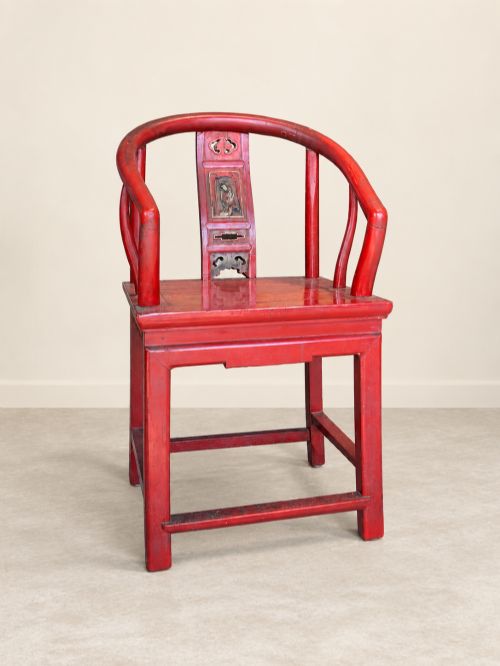
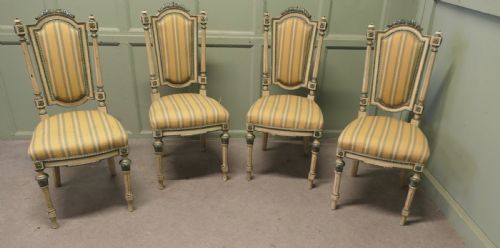
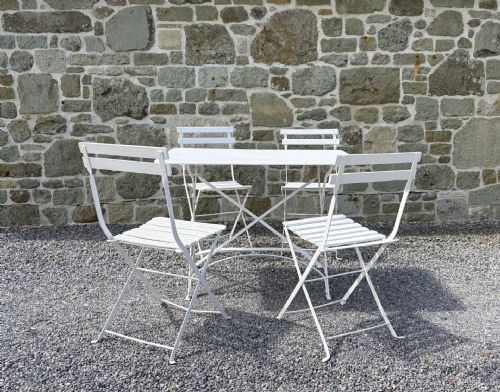
Antique painted wood chairs encompass a wide variety of seating forms, from grand salon armchairs to simpler hall chairs and dining sets. Buyers searching this phrase encounter pieces shaped by distinct periods such as the Georgian era, the Regency period, and later revivals.
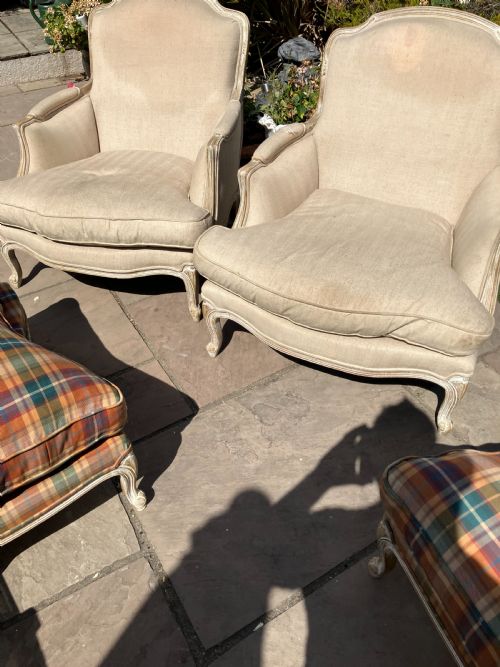
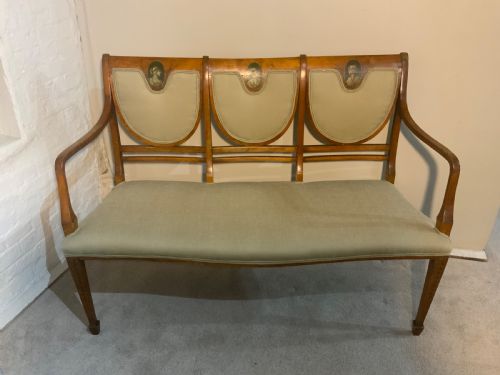
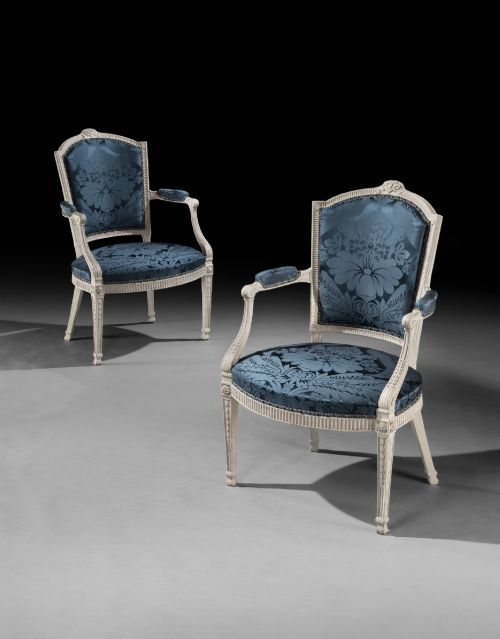
Armchairs, side chairs, and settee combinations dominate the available selection, often finished in surface paint that has survived over the centuries. French and English origins appear frequently, alongside regional variations from Italy and Sweden.
The functionality ranges from upright dining pieces to relaxed bergère seating and rocking chairs. Each example reflects the domestic habits and interior decoration styles of its respective century.
How they were made
Carpenters and cabinetmakers constructed these frames using traditional timbers such as beech, oak, and satinwood, frequently applying gesso to prepare surfaces for decorative treatment. Structural joinery relied on pegs, tenons, and mortises to ensure stability over decades of use.
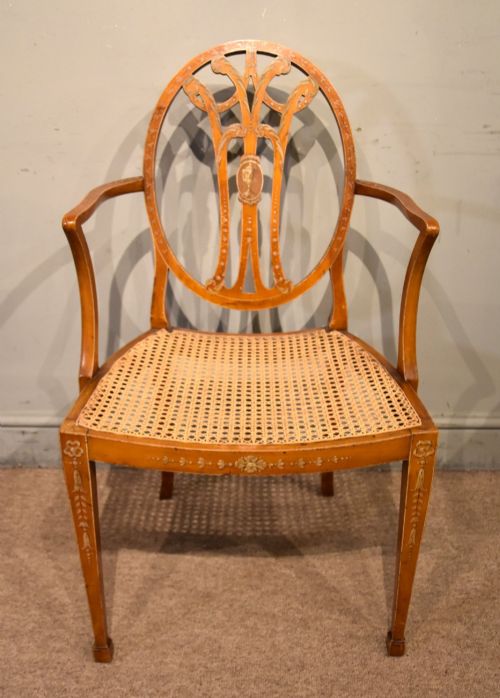
Surface decoration involved hand-applied paint, sometimes layered over gilding or combined with delicate hand-painted motifs. Upholstery materials included contemporary fabric, needlework, velvet, and cane inserts secured to the wooden frameworks.
Certain Welsh spinning chairs feature low seats and narrow profiles, originally designed to keep domestic workers close to the hearth.
What varies in quality
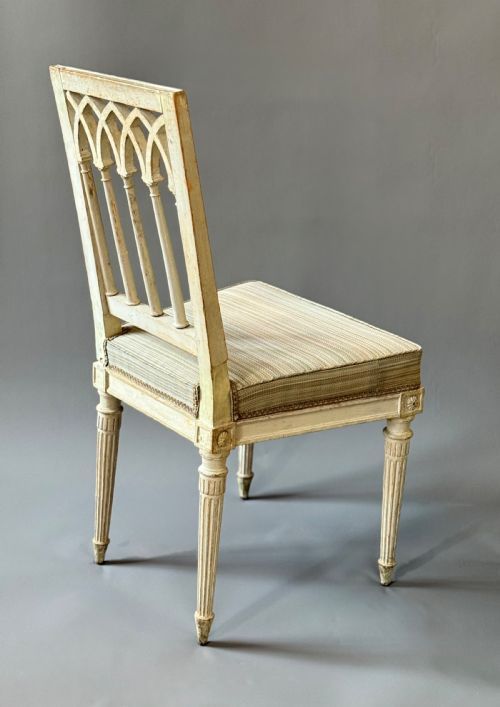
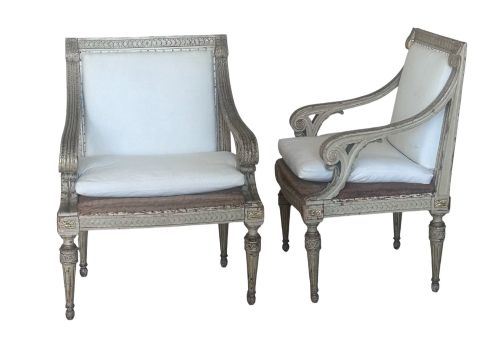
The integrity of the original paint surface determines a significant portion of a piece's visual merit, distinguishing unrestored pigment from later overpainting. Crispness in the carved wood details, whether in Louis XVI style frames or Gothic Revival motifs, shows the hand of a skilled maker.
Structural preservation of the underlying timber frame and the quality of secondary materials like cane or upholstery webbing dictate longevity. Matching sets maintain higher desirability than single survivors when considering dining and salon arrangements.
Henri Jacob·Heals·Morris and Co
The Antique Painted Wood Chairs Glossary
- Bergère
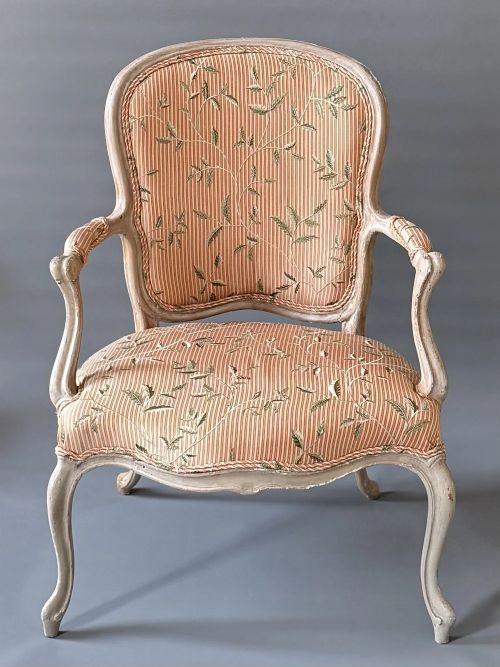
- An enclosed upholstered armchair with wooden framing exposed around the sides and back. This French form offers a deep, comfortable seat.
- Gesso
- A plaster mixture applied to wood surfaces as a smooth base for paint or gilding. It provides a crisp ground for fine decorative work.
- Faux bois
- A decorative paint technique simulating the grain and texture of natural wood. Makers utilised this method to elevate simpler timber foundations.
- Sgabello
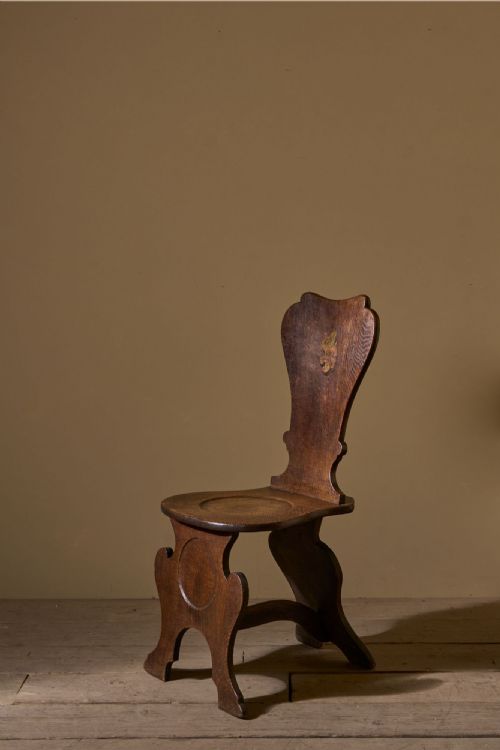
- A light, portable wooden chair featuring a high back and solid trestle supports rather than standard legs. These sixteenth-century Italian forms were revived in later periods.
- Medallion chair
- A seat featuring an oval or circular framed backrest, common in neoclassical design. The exposed wooden border often bears carved ornamentation.
Antique Painted Wood Chairs: Frequently Asked Questions
How do I clean antique painted wood chairs?
Dust surfaces gently with a dry, soft cloth to prevent accumulation without disturbing fragile historic pigments. Avoid modern chemical solvents or excessive water that might lift or soften the original paint.
Consult a professional restorer if deeper cleaning becomes necessary to preserve the underlying gesso and wood layers.
Can I use these chairs for daily dining?
Many sturdy side chairs and dining chairs remain entirely suitable for regular seating around a table. Checking the stability of the joints and frame ensures safe everyday use.
Softer or more delicate salon chairs and armchairs function better as occasional seating or decorative accent pieces.
What does original paint mean?
Original paint indicates that the decorative finish applied during the initial period of manufacture remains intact on the wood. This surface shows natural ageing, wear, and patina acquired over centuries.
Pieces retaining their first paint layer command greater interest from collectors than those recoated in later decades.
How do I date a painted chair?
Stylistic clues such as fluted legs, shield backs, or specific revival motifs point toward periods like the Georgian era or the Regency years. Tool marks, construction methods, and timber choice also reveal the age of the wooden frame.
Comparing structural details against documented examples from the same decade helps narrow down the manufacturing timeframe.