



Rococo Carved Dining Chairs
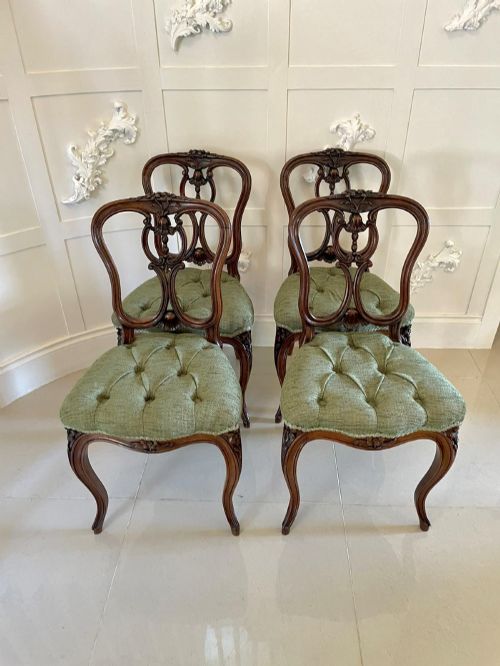
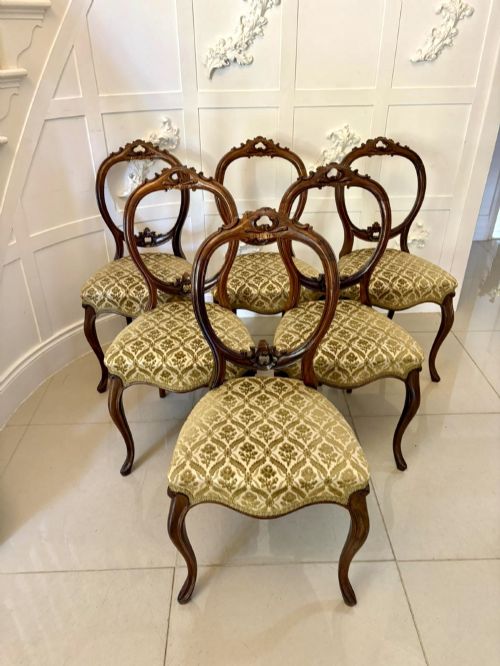
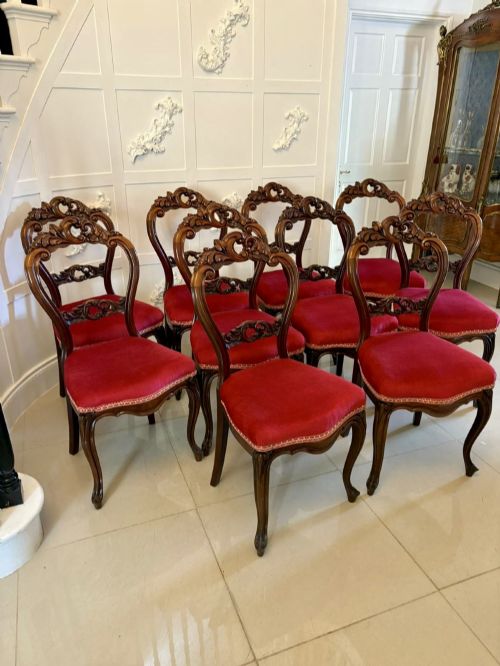
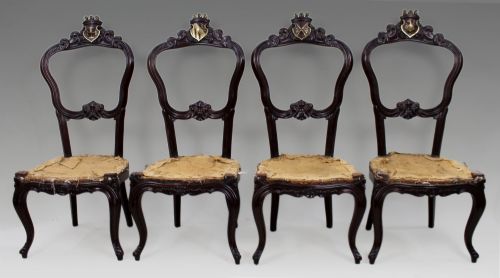
Rococo carved dining chairs are ornate seating options defined by exuberant curves and naturalistic ornamentation that bring dramatic flair to a formal interior.
Rococo Carved Dining Chairs
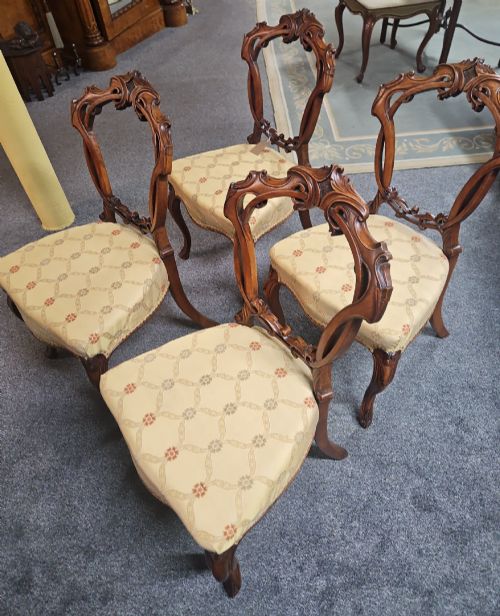
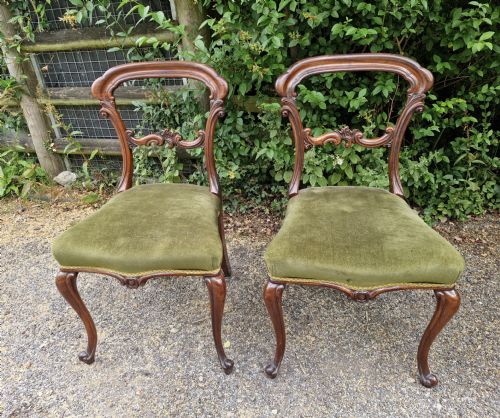
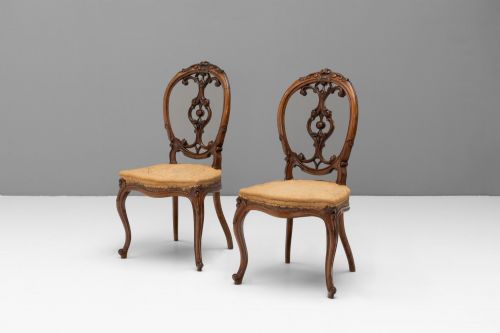
Forms span large sets intended for principal dining tables down to individual side chairs, armchairs, and desk chairs suitable for occasional placement. The framing follows characteristic serpentine lines, C-scrolls, and floral motifs that distinguish the style from stricter geometric periods. Walnut and mahogany serve as the primary timber choices, frequently paired with modern or period upholstery fabrics and velvet.
Materials and construction methods
Makers shaped these seats from dense hardwoods like walnut, mahogany, and rosewood, which allowed carvers to execute deep, undercut foliage and asymmetrical cartouches without compromising structural integrity. Giltwood and painted surfaces also appear, offering alternative decorative finishes that reflect light within formal rooms. Timber selection dictated the depth and crispness achievable in the final ornamentation.
Traditional joinery secured the undulating frames, employing tenons and dowels hidden beneath elaborate crest rails and pierced splats. Upholstered drop-in or stuffed seats utilised textile coverings fastened with traditional tacks, resting above cabriole legs terminating in scroll or pad feet.
Listings span walnut, rosewood, and mahogany timbers, alongside giltwood and painted finishes originating from nineteenth-century Victorian workshops and eighteenth-century continental makers.
Assessing craftsmanship and execution
The distinction between ordinary production and superior work lies in the hand-carved depth and sharpness of the floral and shell motifs adorning the crest rail and knees. Finer examples display fluid, continuous lines where the ornamentation feels integrated into the structural frame rather than applied as an afterthought.
The choice of timber grain and the integrity of the joinery beneath the finish further separate the tiers of manufacture. Dense, figured walnut and Cuban mahogany substantiate stability in slender cabriole legs, whereas lesser examples rely on heavier, blockier proportions to maintain strength.
Morison & Co of Edinburgh
The Rococo Carved Dining Chairs Glossary
- Cabriole leg
- An S-curved furniture leg inspired by animal limbs that swells outward at the knee and tapers to a foot. This characteristic form defines much of the seating from the period.
- Pierced splat
- The central vertical wooden strip within a chair back that has been carved or cut through to create an openwork design. It lightens the visual weight of the backrest.
- Cartouche
- An ornamental frame resembling a scroll or unrolled piece of parchment, often enclosing foliage or crests. Carvers placed these central motifs on the crest rails.
- Giltwood
- Timber coated with a thin layer of gold leaf applied over a prepared gesso ground. This finish provides a bright, reflective surface characteristic of continental formal seating.
Rococo Carved Dining Chairs: Frequently Asked Questions
How do I care for antique wood?
Maintain stable indoor humidity levels and keep wooden frames away from direct heat sources to prevent timber splitting or warping. Apply high-quality wax polish sparingly to nourish the grain.
Avoid commercial liquid cleaners containing silicone or harsh solvents, which degrade historic finishes over time. Dust gently with a dry, soft cloth during routine maintenance.
Were these chairs used daily?
Original dining sets served wealthy households for formal meals, gatherings, and boardroom discussions. Their sturdy hardwood construction accommodated frequent use in principal rooms.
Over time, many examples transitioned into drawing rooms or hallways as decorative seating. Today, collectors often utilise them around a dining table or as accent pieces.
Can I mix different wood tones?
Combining walnut, mahogany, and rosewood within one room works well if the pieces share similar periods or decorative motifs. The unifying element remains the exuberant carving style rather than an exact timber match.
Keep upholstery fabrics complementary to tie disparate wood finishes together harmoniously. Coordinated textiles create a cohesive visual theme across mixed seating.
How do I identify a revival period?
Nineteenth-century revival pieces often display machine assistance in initial roughing-out, followed by hand-finishing on denser Victorian walnut or rosewood. Eighteenth-century originals generally utilise older construction techniques and regional continental timbers.
Examine the underside of the seat frame and joinery methods for tool marks characteristic of specific decades. Wear patterns on the feet and seat rails also help confirm age.