




Rococo Carved Side Chairs
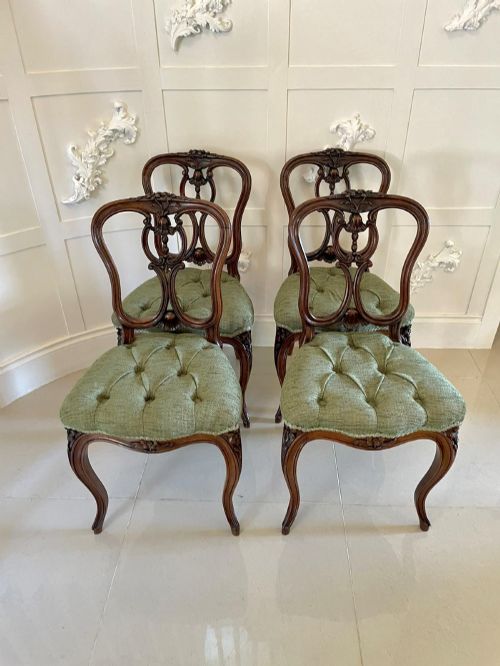
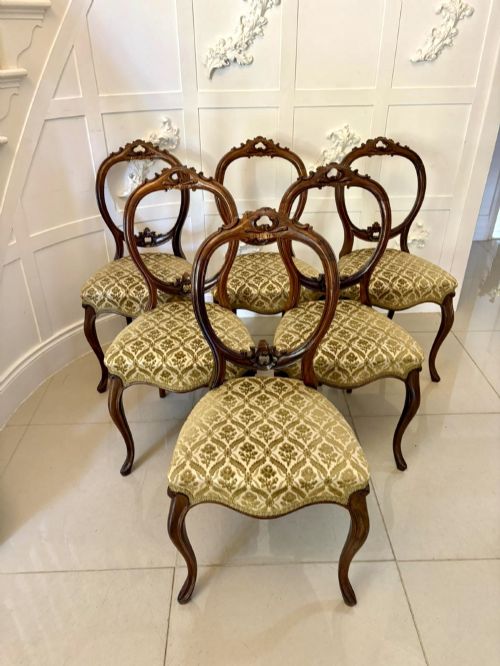
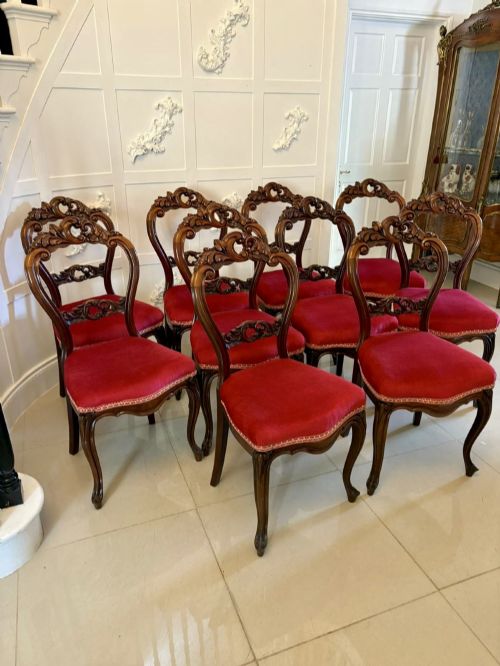
Rococo carved side chairs bring fluid movement and intricate woodwork into a room, offering both seating and striking decorative presence.
Rococo Carved Side Chairs
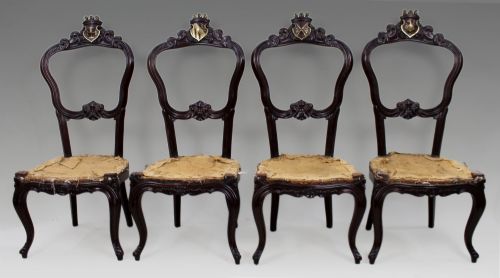
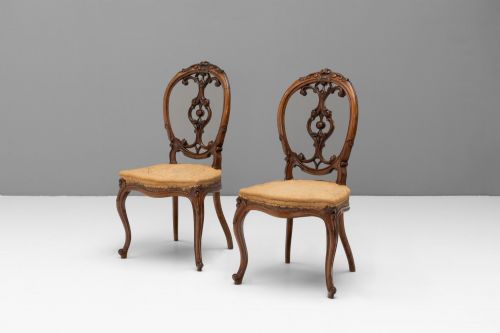
These pieces are seating forms distinguished by animated, curving lines and elaborate carved ornament. When exploring rococo carved side chairs, buyers frequently encounter Victorian revivals alongside examples dating back to the eighteenth century.
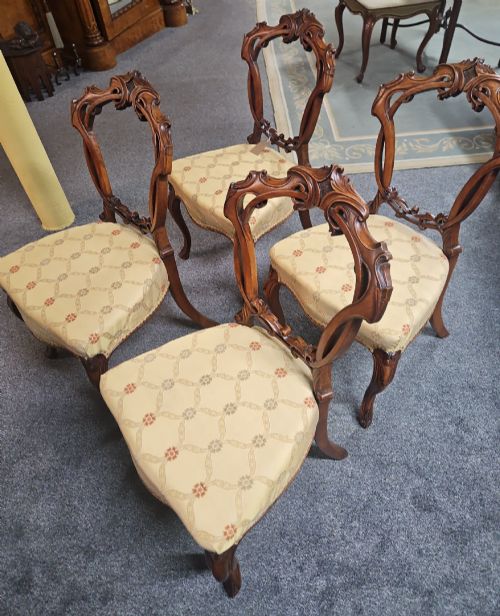
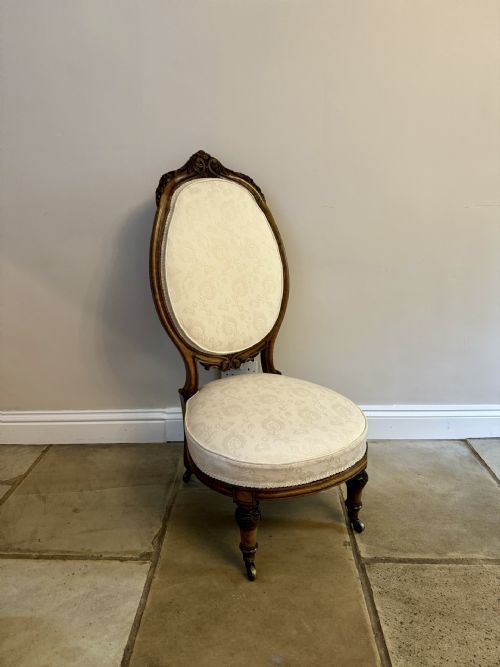
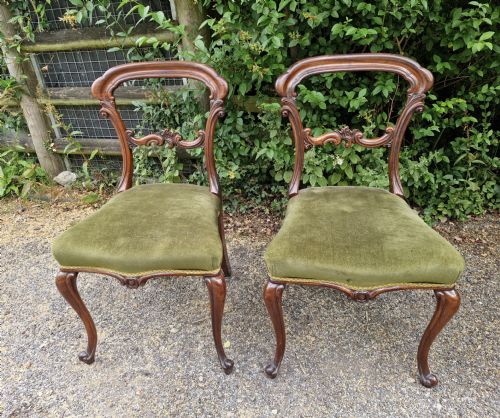
The selection ranges from single occasional seats to grand sets intended for dining rooms. Walnut, rosewood, and mahogany provide the structural frames, often paired with various textiles and upholstery fabrics.
Origin points span English, French, and Italian workshops, displaying regional interpretations of the style. Forms stretch across dining chairs, salon chairs, and hall chairs sharing characteristic carved detailing.
Materials and construction methods
Cabinetmakers shaped structural frames predominantly from dense hardwoods including walnut, mahogany, and rosewood. These timbers permitted deep, sculptural carving along the crest rails, stiles, and cabriole legs without compromising the integrity of the joints.
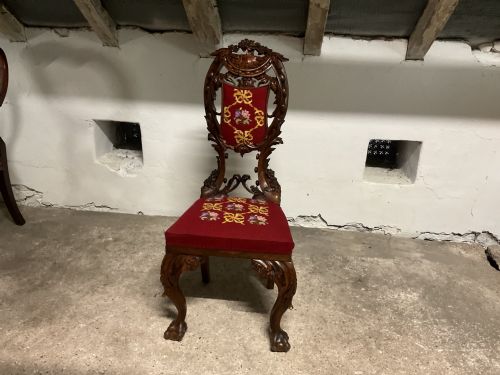
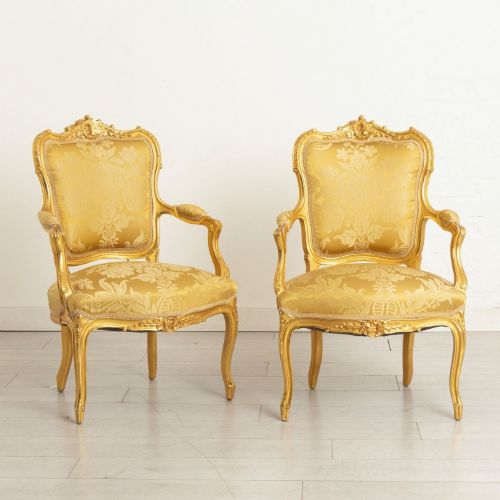
Surface ornamentation relied heavily on manual chisel work to produce asymmetrical scrolls, foliage, and pierced splats. Giltwood finishes and painted surfaces also appear on specific continental forms to enhance the visual texture.
Upholstery completed the construction, utilising materials like velvet, silk fabric, and contemporary textiles fixed over padded seats and backs. Brass tacks or gimp often secured these coverings to the wooden framework.
Venetian gondola chairs bring aquatic curves ashore, proving that eighteenth-century makers let seating drift wherever inspiration steered them.
Assessing craftsmanship and design
Depth and definition of the carved ornament dictate the primary tier of execution. Crisp, deeply undercut foliage and flowing scrollwork separate master joinery from routine production.
Timber selection and grain matching across sets influence the overall visual cohesion. Dense, figured walnut or rosewood exhibits superior natural character compared to plainer stock.
The integrity of the structural joints and the harmony of the proportion define the execution level. Balanced frames with well-integrated splats and legs reflect deliberate planning by the maker.
The Rococo Carved Side Chairs Glossary
- Cabriole leg
- A furniture leg that curves outward at the knee and tapers inward toward the foot, mimicking animal limbs. This form appears frequently on eighteenth-century and revival seating.
- Pierced splat
- The central vertical upright of a chair back that has been cut through to create a decorative pattern. These openwork designs often feature scroll and foliage motifs.
- Giltwood
- Wood that has been coated with a thin layer of gold leaf or powder. This finish accentuates carved details on French and continental seating.
- Balloon back
- A rounded, oval-shaped chair back popular during the Victorian era. It frequently provides the foundation for upholstered panels and carved crests.
- Crest rail
- The topmost horizontal member of a chair back. Makers lavished this area with prominent carving to anchor the visual weight of the piece.
Rococo Carved Side Chairs: Frequently Asked Questions
How do I spot a revival piece?
Revival pieces typically date from the nineteenth century and combine historical styling with Victorian construction methods. Examining the secondary woods and tool marks helps clarify the exact period of manufacture.
Stylistic proportions and finishing techniques also guide the distinction between eighteenth-century originals and later interpretations.
Can I use these for daily dining?
Many examples function well for regular seating when the underlying frame remains sturdy and structurally sound. Checking the rigidity of the joinery ensures the chair withstands everyday use.
Protective modern upholstery choices also help preserve fragile historic textiles during frequent gatherings.
What woods were commonly utilized?
Walnut, rosewood, and mahogany dominate the construction of these chairs across different periods. Cabinetmakers selected these dense timbers for their ability to hold intricate carved details.
Giltwood and painted hardwoods also appear on specific continental models within the selection.
How do I care for the upholstery?
Regular gentle dusting preserves the fabric and prevents dirt accumulation within the woven fibres. Avoiding direct sunlight protects delicate silk and velvet from fading over time.
Professional textile conservation advice ensures delicate historic coverings remain stable for years to come.