
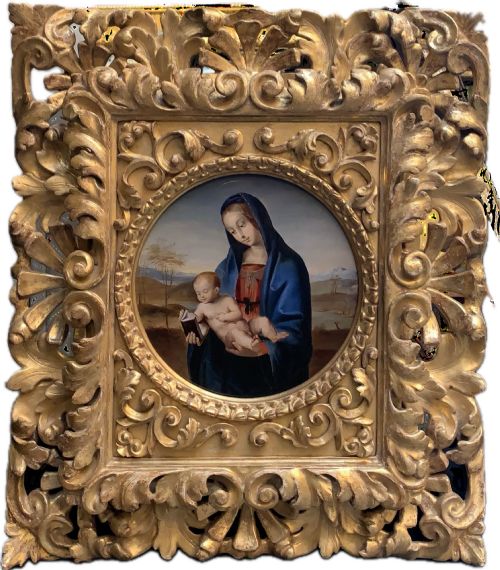
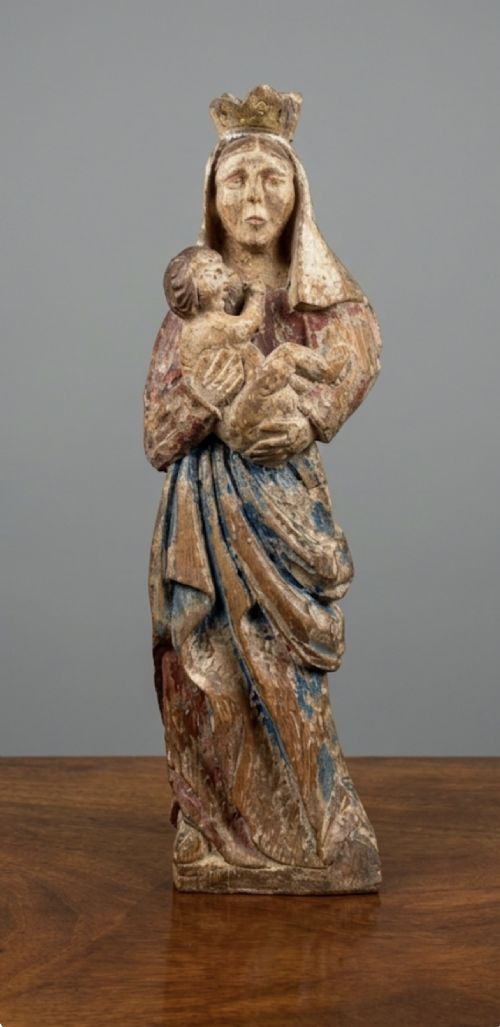


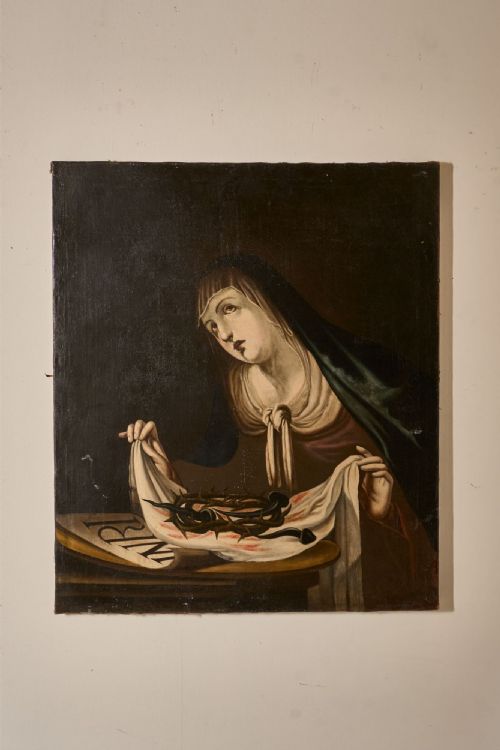


Antique Painted Virgin Mary
An antique painted virgin mary brings centuries of devotion, master study, and hand-applied pigment directly into your room.
Antique Painted Virgin Mary
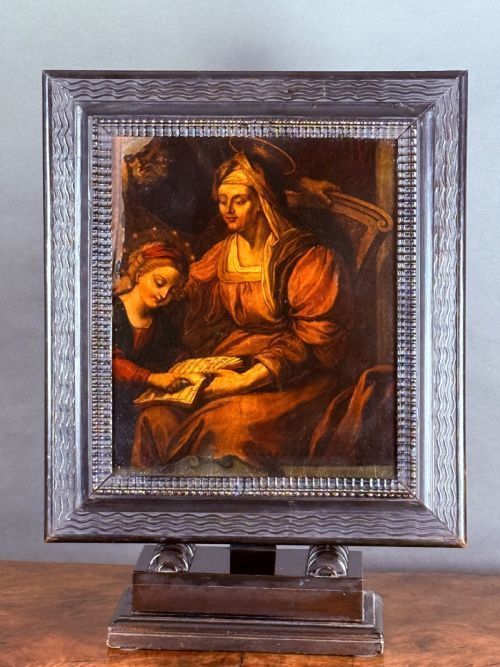
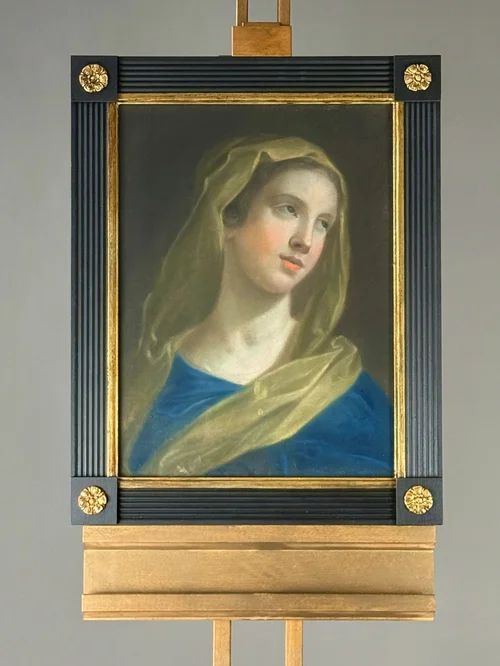
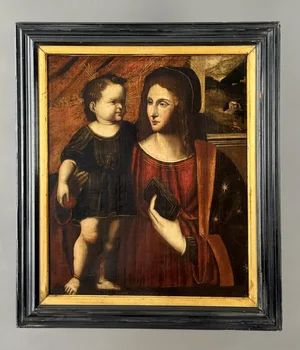
When you search for an antique painted virgin mary, you encounter devotional imagery spanning oil paintings on canvas or fruitwood panel, reverse glass mezzotints, pastel works, and carved wooden figures. These pieces originate from European schools across the sixteenth, seventeenth, and eighteenth centuries, alongside later nineteenth-century interpretations.
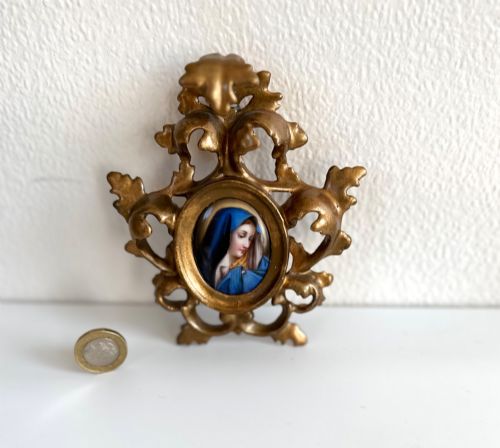
You are most likely to meet oil paintings executed after Renaissance masters such as Raphael or Murillo, alongside regional devotional plaques, framed prints, and intimate miniature portraits from the Victorian era. The selection ranges from modest household icons to large-scale Italian old master canvases and terracotta figures.
The subjects depict the Madonna and Child, the Passion, the Holy Family, and specific devotional icons like Our Lady of Sorrow or the Divine Shepherdess. Each object reflects the prevailing religious and artistic idioms of its specific century and geographic origin.
Materials and Technique
Makers built these pieces using traditional supports including stretched canvas, prepared wood panels such as fruitwood, and ceramic plaques. Pigments were applied in oil, pastel, or water-based media, often finished with protective varnishes that have yellowed gracefully over time.
Carved wooden and terracotta sculptures relied on hand-shaping and chisel work, frequently enhanced with gesso grounds, gold leaf, and painted polychrome details to achieve rich surface textures and luminosity.
Specialised techniques such as reverse glass painting required artists to apply pigments directly to the rear of the glass plate, creating a luminous finish when viewed from the front.
The listings on this site span the sixteenth to the twentieth centuries, utilising oil, canvas, fruitwood panel, terracotta, and gold leaf.
The Measure of Quality
The distinction between ordinary and exceptional works rests on the sensitivity of the brushwork and the depth of psychological expression in the face of the Madonna. Studio pieces and accomplished followers capture the subtlety of grand master compositions with confident draughtsmanship and harmonious colour palettes, whereas lesser works reveal stiff proportions and mechanical execution.
The integrity of the original surface material also dictates the standing of a piece. Retained original gilding, untouched paint layers on wood panels or canvas, and well-preserved carved details elevate an object far above heavily repainted or structurally altered examples.
Benedetto Luti·Bernardino Luini·Benvenuto Tisi·Costantino Frixione·Raffaello Sanzio Da Urbino·Juan Ruiz Soriano·G.F. Penni·Orsola Maddalena Caccia·Pompeo Batoni·Ambrious Benson·Bartolomé Murillo
The Antique Painted Virgin Mary Glossary
- Old Master
- A European artist of skill who worked before about eighteen hundred. This term applies to the original painters and the established studio circles that perpetuated their stylistic traditions.
- Reverse Glass Painting
- An artwork created by applying paint or metallic leaf to the back of a glass sheet. When viewed from the unpainted front, the colours possess a distinct brilliance and protection from atmospheric dust.
- Ex-Voto
- A votive offering presented to a saint or divinity in fulfilment of a vow. These devotional portraits often record miraculous interventions or expressions of profound gratitude.
- Oklad
- A metal cover protecting a sacred icon, leaving only the face and hands visible. Typically fashioned from brass or silver, these plaques are often embossed or chased with intricate ornamentation.
- Gesso
- A plaster mixture used as a smooth base for painting or gilding on wood panels. It provides a stable, luminous ground for subsequent layers of pigment and gold leaf.
Antique Painted Virgin Mary: Frequently Asked Questions
What is an antique painted virgin mary?
These works are historic devotional pieces created across European artistic traditions to honour the Madonna through paint, ceramic, or carved wood.
They function as both religious artefacts and fine art objects, reflecting the personal piety and aesthetic preferences of their period of origin.
How were these devotional pieces used?
Historic owners placed these works in private chapels, domestic prayer spaces, and churches to focus personal meditation and communal worship.
Smaller pieces such as miniatures and reverse glass works served as portable shrines or intimate objects for daily contemplation.
How do I live with an antique painting?
Protect these pieces from direct sunlight and sharp fluctuations in room temperature to preserve fragile old master pigments and wooden supports.
Hang canvases on sturdy interior walls using appropriate hardware, ensuring they remain clear of heat sources and damp environments.