
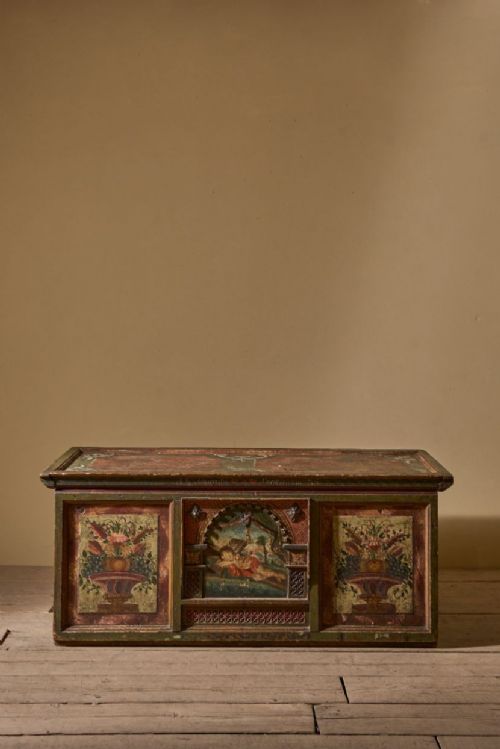
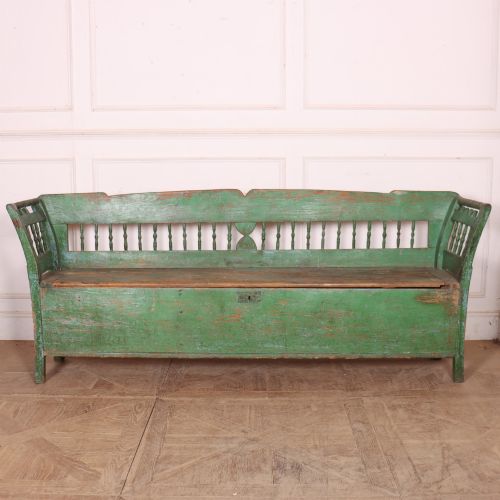
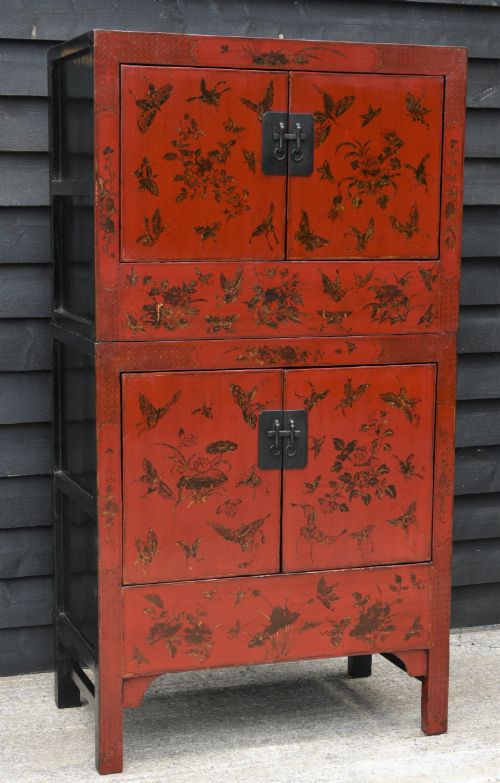
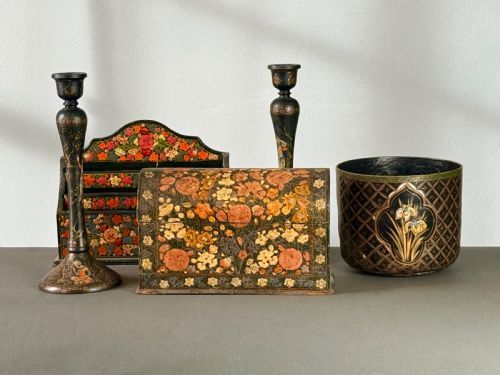
Antique Painted Coffer
An antique painted coffer brings genuine folk character and robust storage to a room through centuries of decorative tradition.
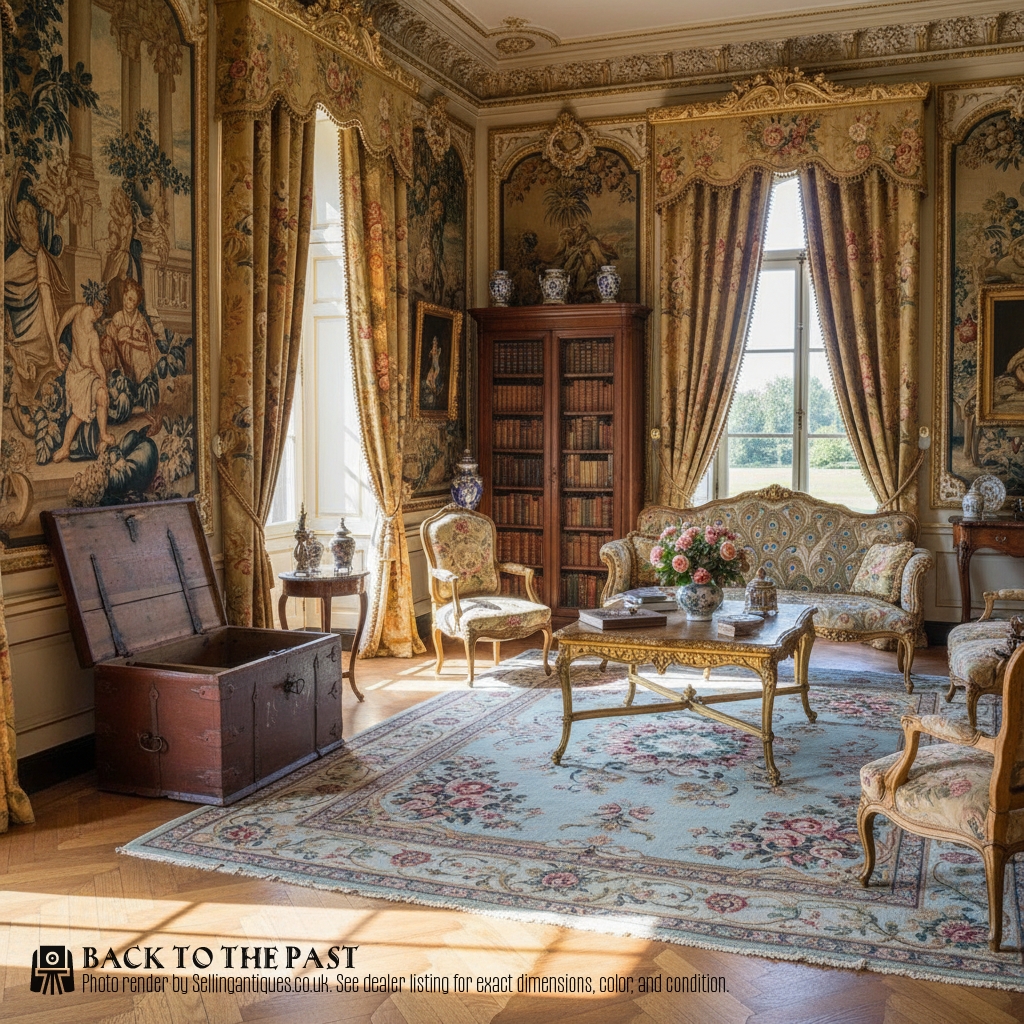
Antique Painted Coffer
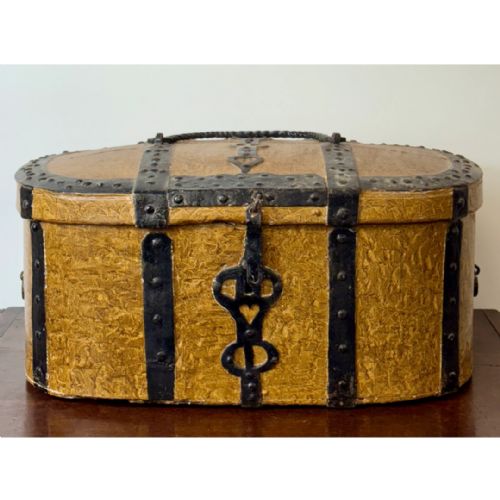
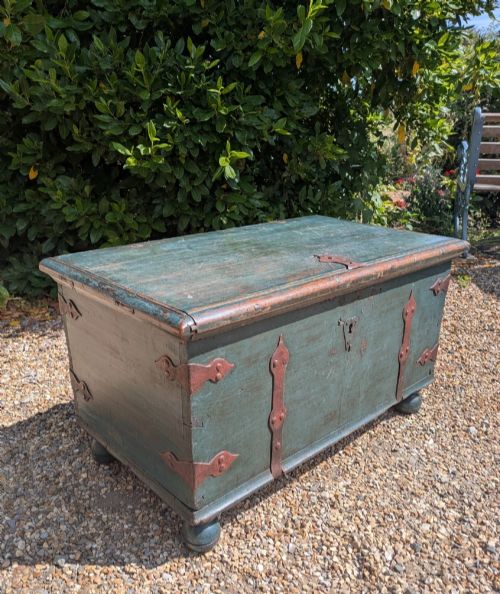
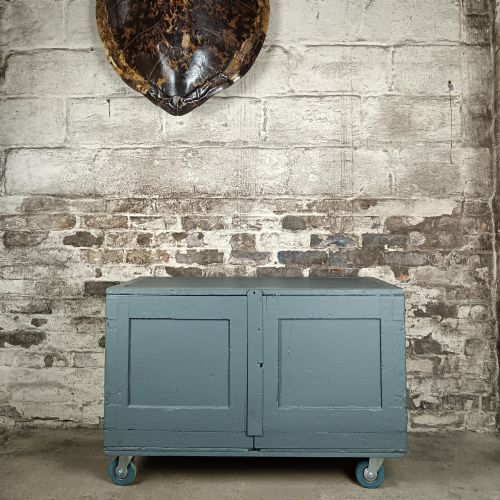
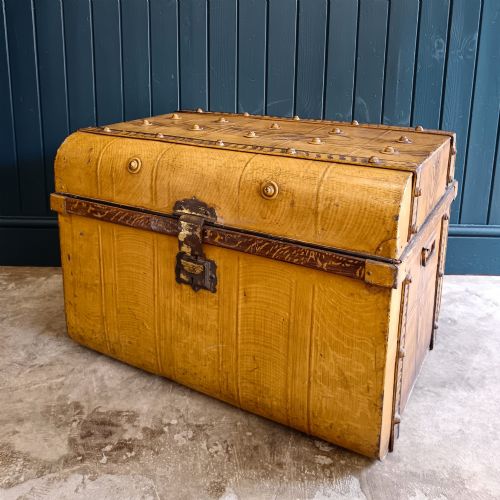
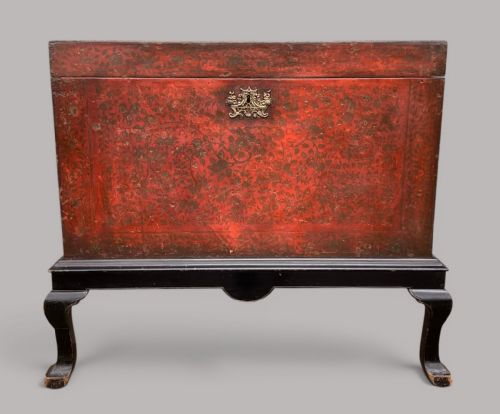
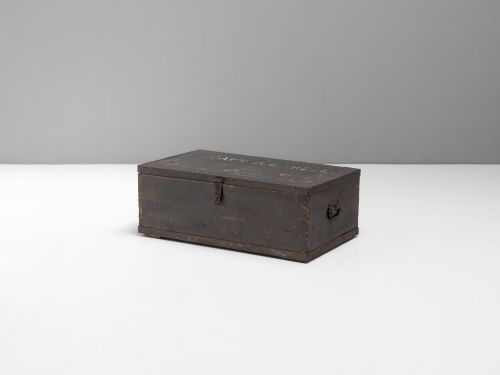
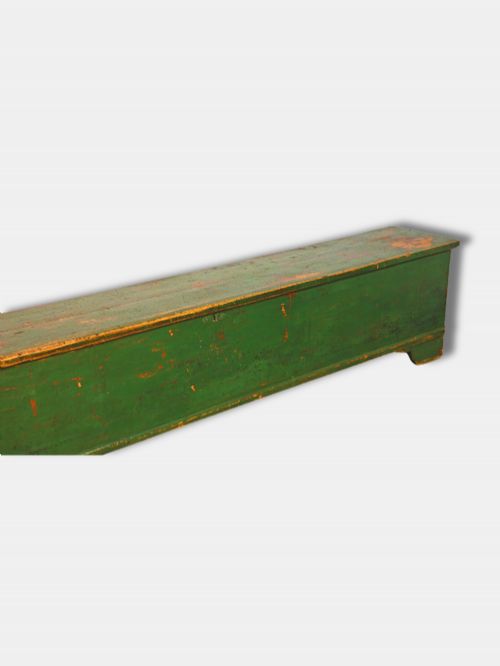
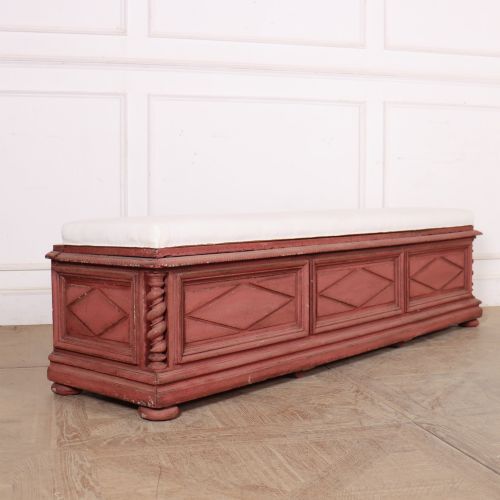
When you search for an antique painted coffer, you are looking at sturdy wooden storage boxes and trunks finished with decorative pigments, often originating from regional European and Scandinavian farmhouses. These pieces served practical domestic purposes, housing blankets, linens, and personal valuables in daily life before becoming treasured display items.
The versions you are most likely to encounter on this page span the Georgian, Victorian, and nineteenth-century periods, with a strong representation of pine construction and traditional folk art styles. Many examples display regional characteristics from Hungary, Sweden, and Britain, showing how local artisans adapted simple storage boxes into vibrant expressions of domestic culture.
How They Were Made
Carpenters built these coffers primarily from solid pine and other native softwoods, joining heavy planks with dovetail joints or simple pegged construction to withstand heavy daily use. Hand-forged iron strapwork, hinges, and brass fittings reinforced the corners and lids, providing essential structural durability for transport and storage.
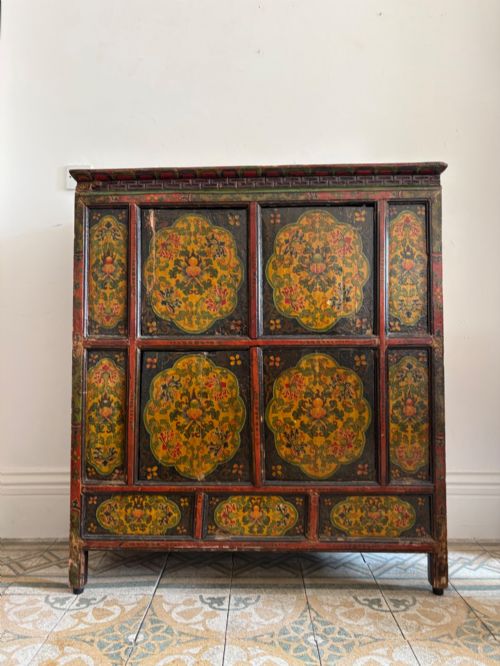
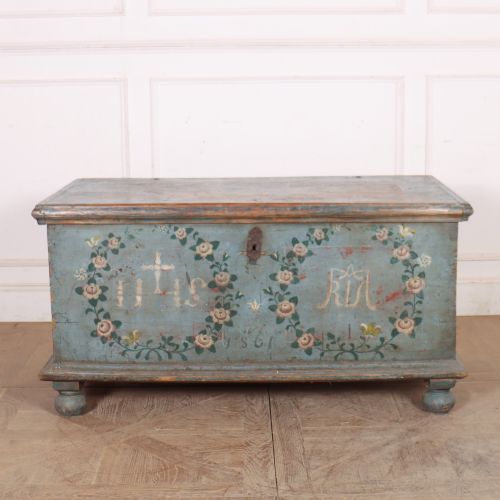
Artisans applied surface decoration using oil-based paints, distemper, or lacquers, frequently sealing the pigments to protect the wood beneath. Hand-painted floral motifs, scumble glazes, and regional folk patterns were brushed directly onto the bare or primed timber, often utilising local mineral pigments.
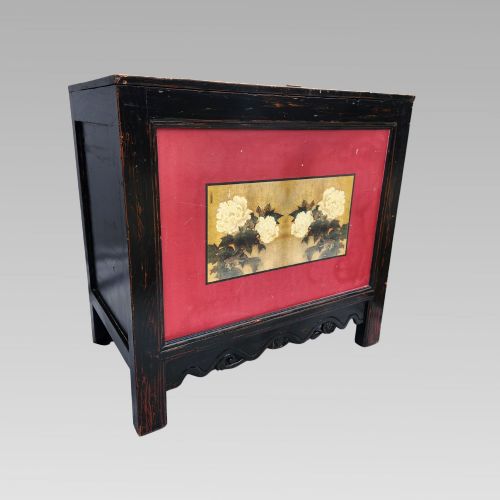
Listings feature regional pieces from Sweden, Hungary, Austria, and China alongside traditional British pine and oak examples.
What Varies in Quality
The distinction between ordinary utility boxes and superior examples rests heavily on the survival and originality of the surface finish. Pieces retaining their untouched, early coat of paint command greater interest than those stripped or subjected to later overpainting, as the original pigment records the true age of the object.
Construction details also dictate distinction, separating simple vernacular items from masterworks of regional craftsmanship. Substantial timber thickness, accomplished hand-forged hardware, and sophisticated folk art brushwork indicate a higher tier of domestic trunk making.
The Antique Painted Coffer Glossary
- Cofer
- An early spelling for a strongbox or chest used for storing valuables and household textiles. These large wooden receptacles evolved into the primary furniture form for domestic storage before the widespread use of drawers.
- Scumble
- A translucent layer of glaze brushed over a lighter base colour to create mottled or textured decorative effects. Cabinet makers utilised this technique to imitate the grain of expensive hardwoods or to create aged patination on pine furniture.
- Folk Art
- Artistic work created within a traditional culture by self-taught or local artisans using accessible materials. These decorative schemes rely on regional motifs and community aesthetics rather than formal academic training.
- Mule chest
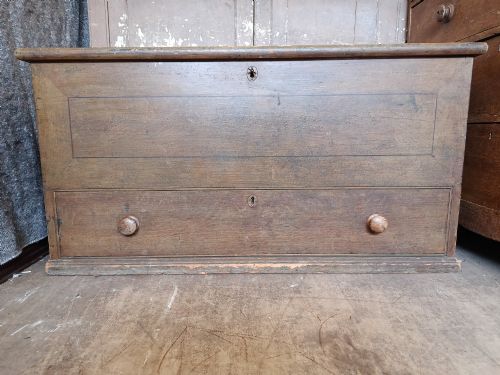
- A traditional storage chest featuring one or more drawers built into the base beneath the primary compartment. This hybrid form bridged the transition between the traditional box and the modern chest of drawers.
- Strapwork
- Ornamental bands of metal, often iron or brass, fastened across the exterior of a trunk to reinforce structural joints. Blacksmiths hand-forged these braces to protect vulnerable corners from heavy handling during transport.
Antique Painted Coffer: Frequently Asked Questions
What is an antique painted coffer?
An antique painted coffer is a heavy wooden storage chest decorated with historical pigments, folk art motifs, or protective surface finishes. These pieces were built to hold textiles, dowry items, and household goods in domestic settings.
Over the centuries, surviving examples have transitioned from utilitarian farmhouse storage into decorative focal points for modern interiors. Their painted surfaces often record regional artistic traditions and domestic history.
How were antique coffers used originally?
Families utilised these sturdy wooden boxes to store precious textiles, winter blankets, clothing, and legal documents safely away from damp floors and pests. Because houses lacked fitted wardrobes, the coffer served as the primary mobile wardrobe.
Many designs doubled as impromptu seating benches around the hearth or served as travel trunks for transporting belongings across regions. Their robust construction allowed them to withstand heavy daily wear over generations.
How do I care for a painted coffer?
Protect the fragile historical surface by keeping the coffer away from direct sunlight, radiators, and rapid fluctuations in room humidity. Dust the timber gently with a dry, soft cloth without applying modern chemical polishes or abrasive cleaners.
Maintain stable indoor conditions to prevent the old pine timber from shrinking and the original paint layers from flaking or lifting. Gentle handling preserves both the structural integrity and the patinated pigment.
How can I tell the period of a painted chest?
Examine the construction joints, nail types, and hinge mechanisms to determine the manufacturing era of the wooden carcass. Hand-forged ironwork, hand-cut dovetails, and pegged joints typically point towards earlier Georgian and eighteenth-century craftsmanship.
Study the pigment composition, wear patterns, and decorative style to corroborate the age indicated by the woodwork. Original paint layers show natural craquelure and softening that modern reproductions cannot easily replicate.