


Antique Oval Serving Dish
An antique oval serving dish brings centuries of dining history to the table, offering generous proportions and hand-painted or engraved character for modern entertaining.
Antique Oval Serving Dish
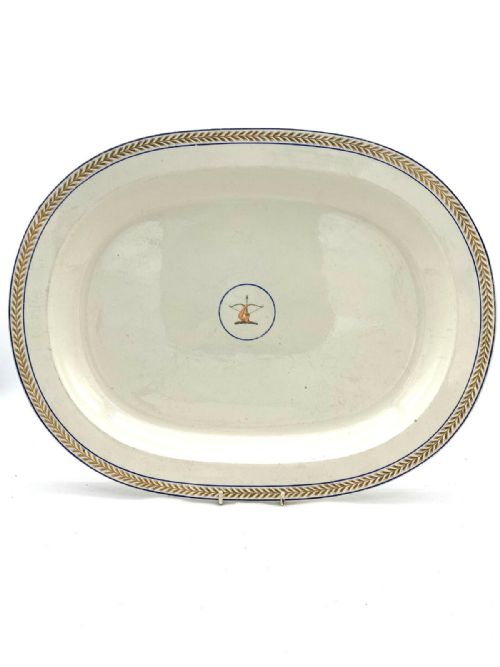
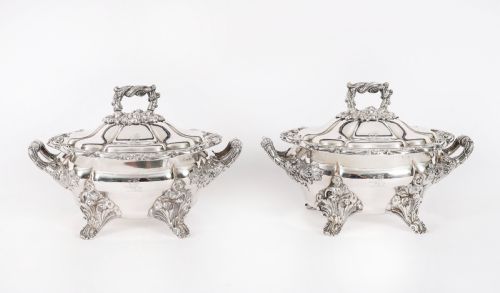
An antique oval serving dish encompasses large platters, meat dishes, and lidded tureens designed for presenting food at the dining table. When exploring this selection, buyers encounter ceramics, porcelain, and silver plate spanning the Georgian, Victorian, and Edwardian periods.
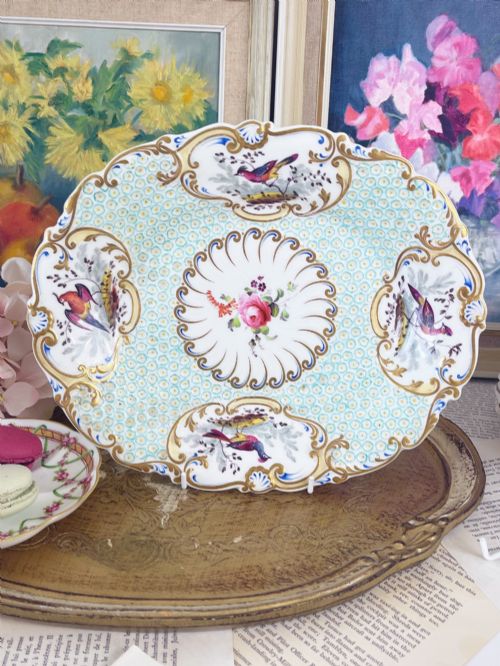
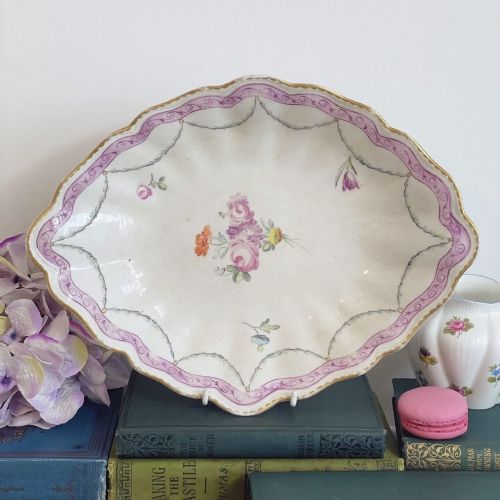
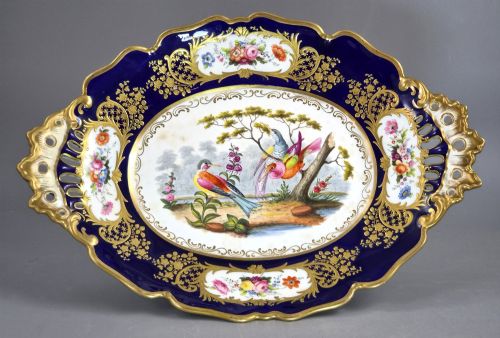
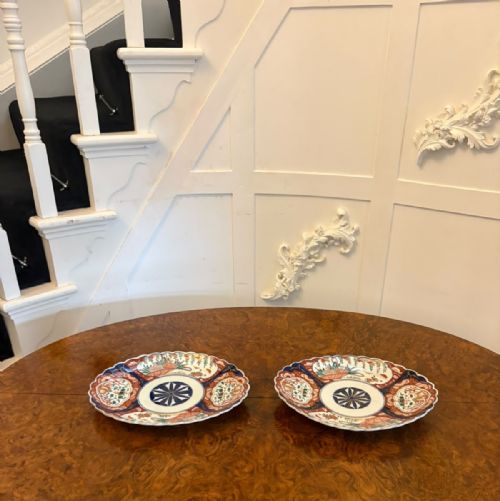
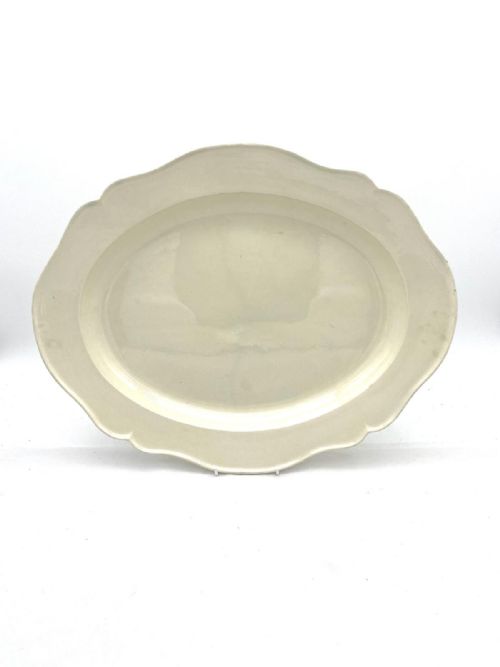
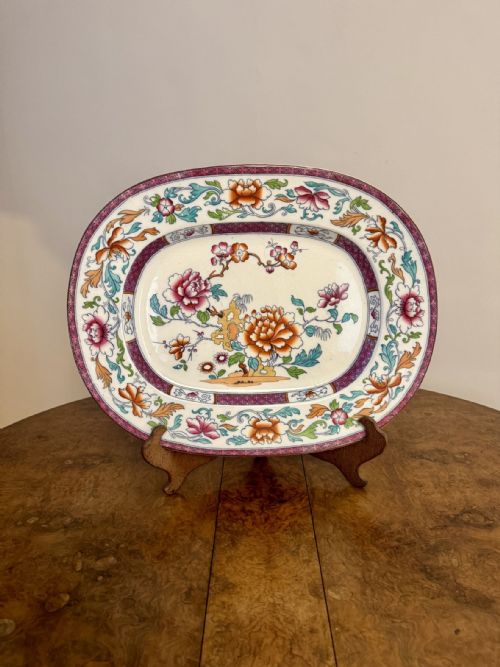
The assortment on this page ranges from blue and white transfer-printed earthenware and creamware chargers to intricate Japanese Meiji Imari porcelain and solid sterling silver vessels. These forms reflect the shifting culinary habits and dining rituals of the eighteenth, nineteenth, and early twentieth centuries.
How they were made
Pottery and porcelain pieces in this category rely on traditional forming methods, often finished with hand-painted polychrome decoration, underglaze blue transfers, or colourful enamels. Makers utilised tin glazes, ironstone bodies, and creamware techniques to achieve durable yet refined dining surfaces.
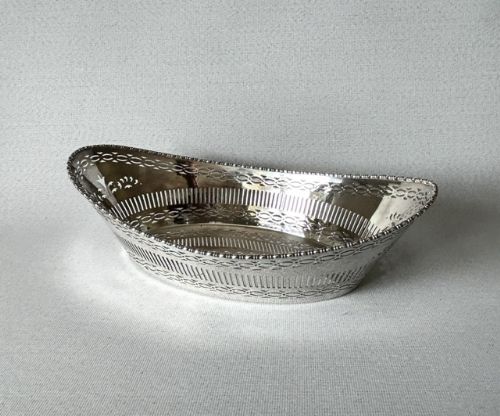
Metalware dishes employ sterling silver, silver plate over copper, and Old Sheffield plate, shaped through hammering, casting, and piercing. Master silversmiths added engraved floral motifs, chased borders, and applied crests to the rims of these serving vessels.
Listings feature serving dishes spanning the eighteenth, nineteenth, and early twentieth centuries, made from porcelain, earthenware, silver plate, and copper.
What varies in quality
The distinction between standard and exceptional pieces lies in the crispness of the transfer print, the delicacy of the hand-painted brushwork, and the depth of the metal engraving. Superior ceramics display vibrant, well-fixed enamels and clean glazes without excessive kiln distortion.
In silver and plated wares, quality reveals itself in the weight of the metal, the balance of the form, and the precision of pierced decorative galleries. Maker marks and armorial crests often denote pieces commissioned for high-status dining rooms.
H & R Daniel·Coalport·Mappin & Webb·Henry Wilkinson·Walker & Hall·Martin Hall·Samson Paris·Barr Flight & Barr
The Antique Oval Serving Dish Glossary
- Creamware
- A refined earthenware body with a pale yellowish-cream glaze, developed in eighteenth-century Staffordshire. It became the dominant domestic tableware before the widespread adoption of white ironstone.
- Transfer printing
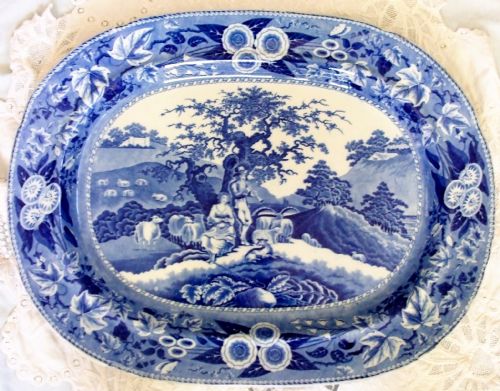
- A decoration technique where an engraved copper plate transfers a design onto tissue paper, which is then pressed onto the ceramic body. This method allowed for intricate blue and white patterns like the popular pastoral scenes.
- Old Sheffield plate
- An early form of composite metal made by fusing a thin sheet of sterling silver to a thicker copper base. Pieces produced this way often reveal subtle traces of copper along high-wear edges.
- Imari
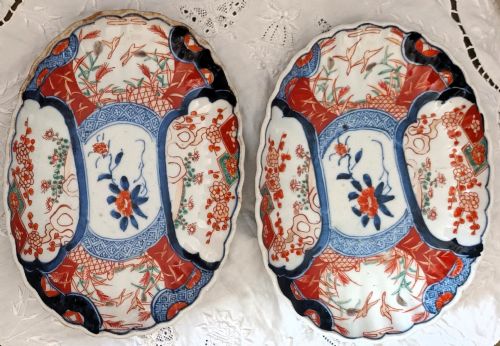
- A style of Japanese export porcelain characterised by a palette of underglaze blue, iron red, and gilt highlights. These dishes were widely collected and imitated in Europe during the nineteenth century.
- Armorial
- A ceramic or metal design featuring a family coat of arms or crest. Platters bearing these details were custom-ordered by wealthy households for formal dining.
Antique Oval Serving Dish: Frequently Asked Questions
How were antique oval serving dishes used?
These dishes held joints of meat, fish, vegetables, or desserts at the centre of large dining tables. Servants used them to transfer food from the kitchen to guests during multi-course meals.
Deep platters often included integrated wells and strainers to collect juices, while lidded tureens kept sauces and gravies warm throughout the dining experience.
Can I use these antique dishes for modern dining?
Most ceramic and silver pieces function well for serving dry foods, bread, or fruit at contemporary gatherings. Hand washing in warm, soapy water preserves the fragile glazes and delicate metallic surfaces.
Avoid dishwashers, harsh abrasives, and microwave ovens, as these modern appliances can permanently damage historic enamels, silver plate, and soft earthenware bodies.
What is the difference between silver plate and sterling?
Sterling silver contains a guaranteed minimum proportion of pure silver alloyed with other metals, denoted by traditional hallmarks such as the lion passant. It maintains its intrinsic metal value over time.
Silver plate consists of a thin layer of silver bonded to a base metal like copper or nickel brass. Sheffield plate and electroplated wares offer the bright appearance of solid silver at a different weight and construction.