

Antique Oval Pedestal
An antique oval pedestal brings warmth and architectural presence to a room, uniting rich timbers with a steady central base.
Antique Oval Pedestal
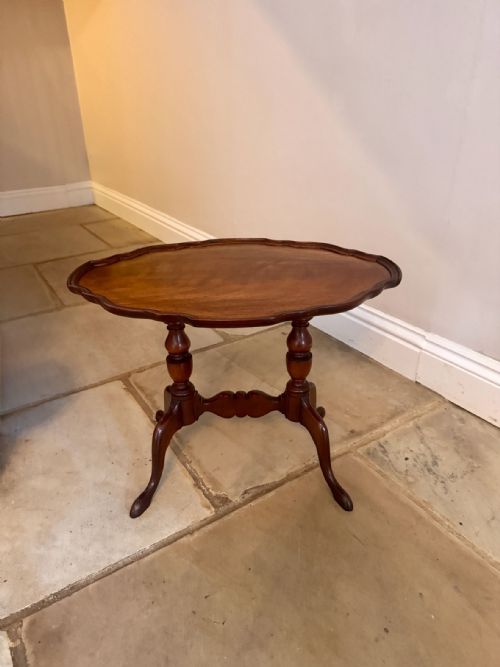
When you search for an antique oval pedestal table, you encounter a versatile family of furniture spanning the Georgian, Victorian, and Edwardian eras. These pieces range from grand dining tables seating multiple guests to intimate lamp tables, coffee tables, and occasional stands.
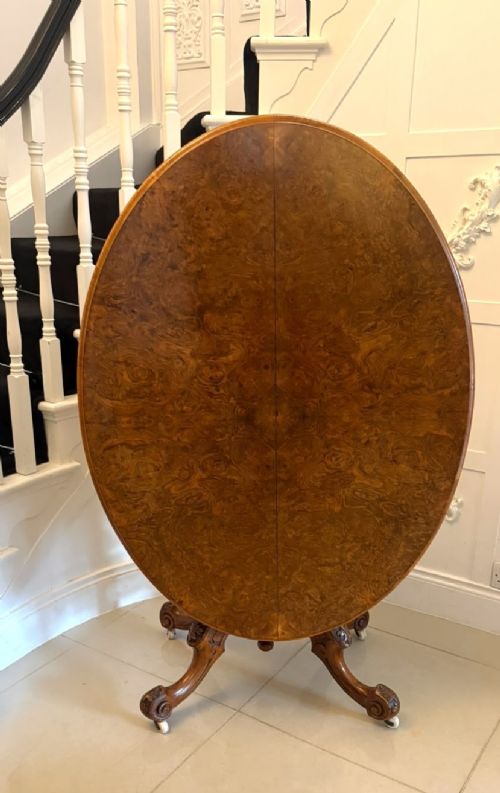
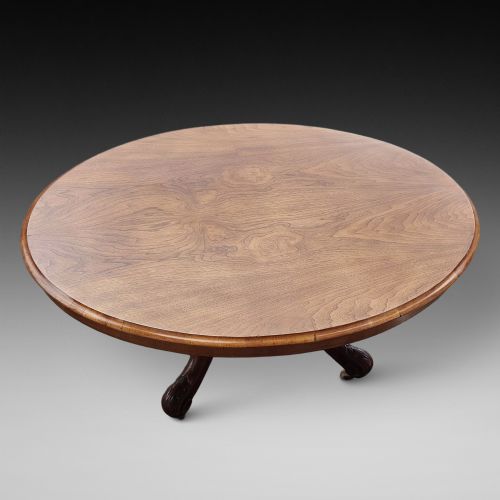
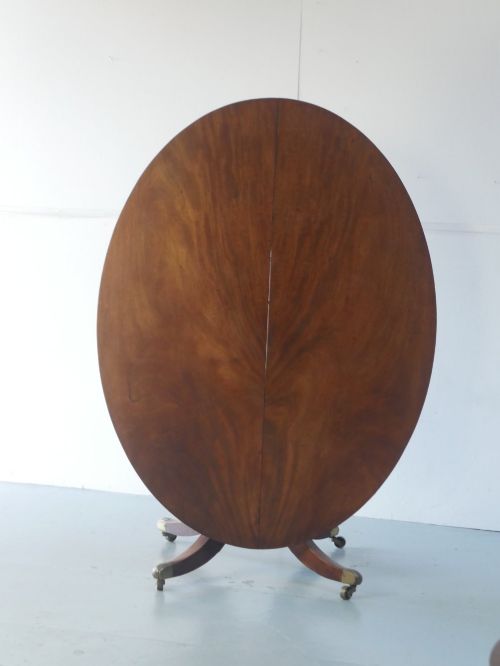
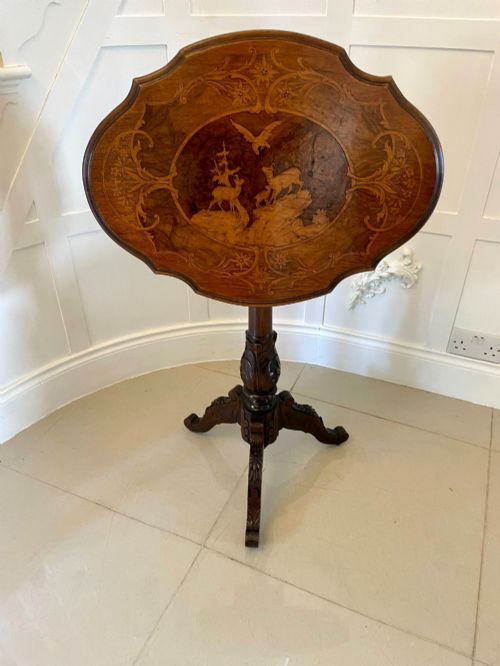
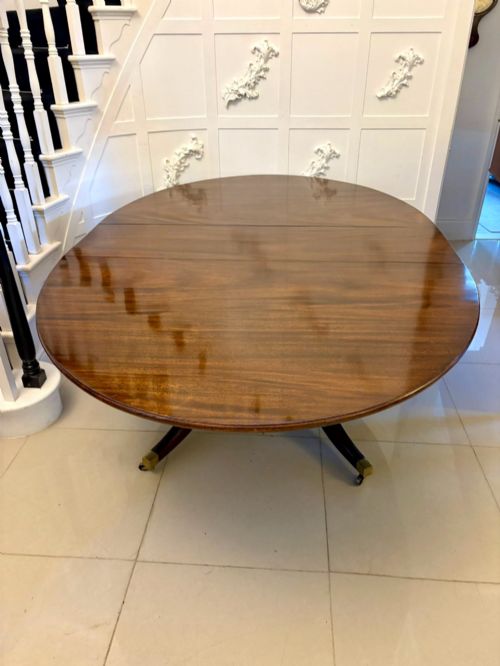
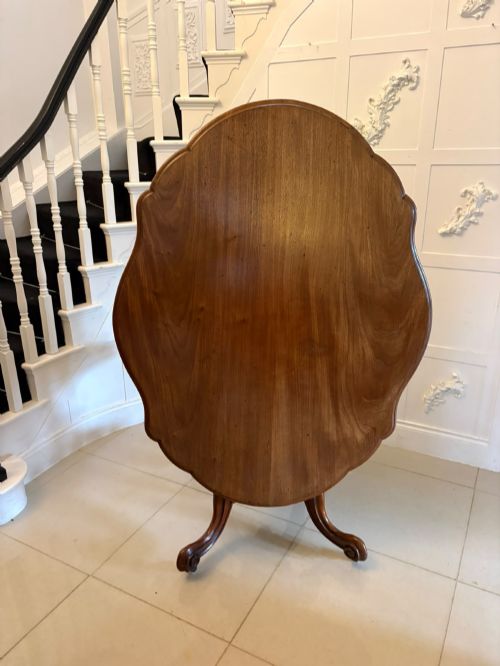
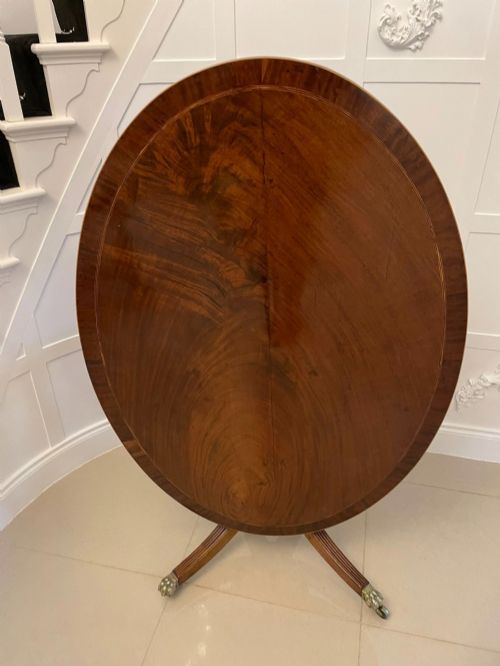
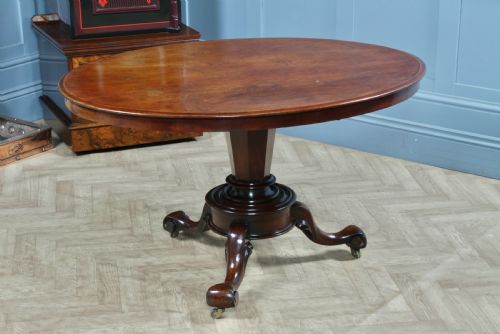
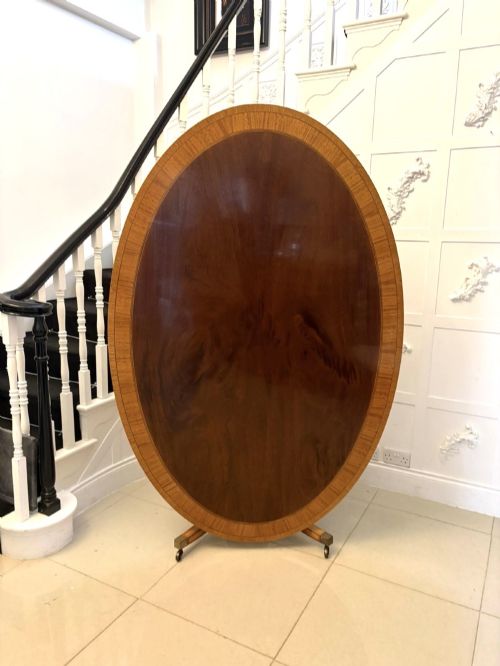
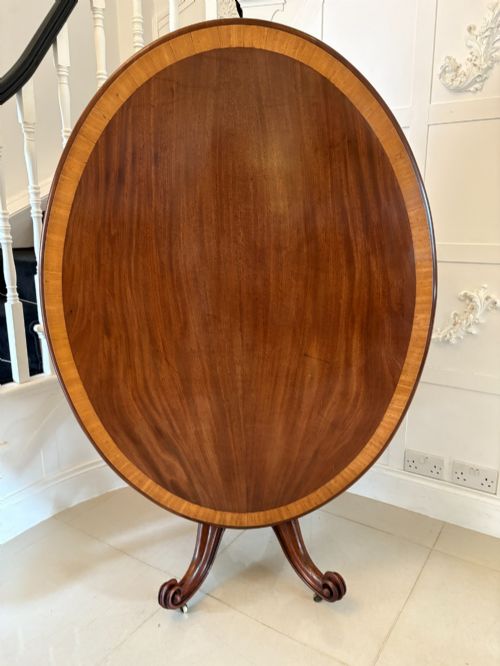
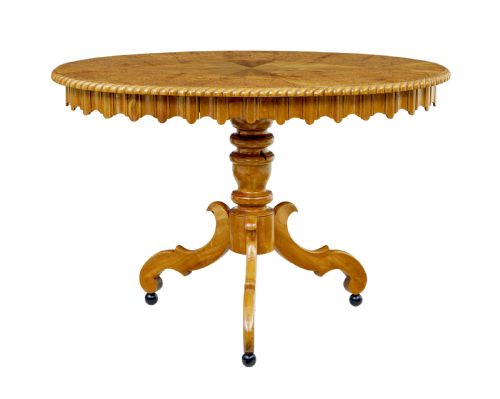
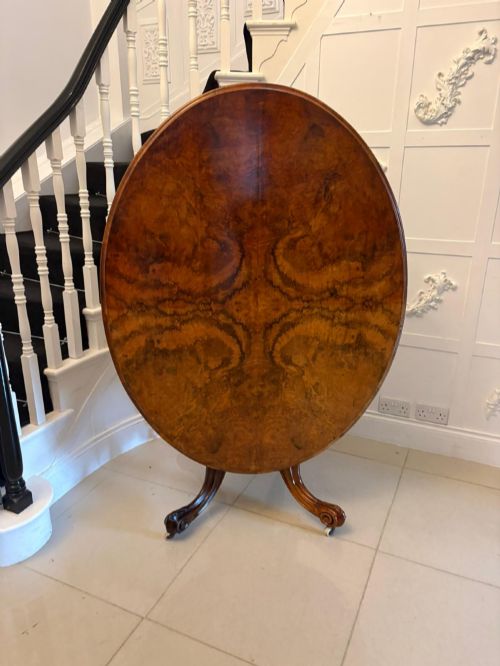
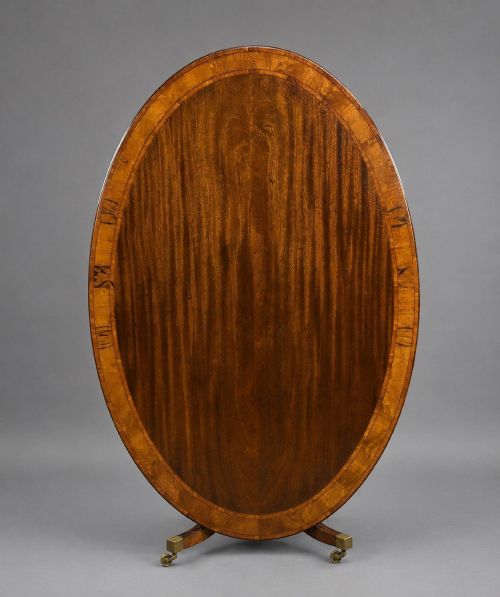
The most common form on this page is the Victorian burr walnut centre or loo table, often featuring a tilt-top mechanism and a carved pedestal base. Alongside these, you find mahogany dining tables from the nineteenth and twentieth centuries supported by twin pillars or central pedestals.
Distinguishing quality in construction and design
The distinction between standard pieces and the finest examples lies in the selection of timber veneers and the depth of hand-carved detail on the pedestal base. Highly figured burr walnut and carefully matched grain patterns elevate the visual appeal of a centre table.
Structural integrity depends on the stability of the central column and the precision of the joinery connecting the pillar to the feet and table top. Superior examples demonstrate crisp carving, tight inlay work, and robust mechanisms that operate smoothly.
Listings feature dining tables, centre tables, and occasional tables spanning the Georgian, Victorian, and Edwardian periods in mahogany, walnut, and rosewood.
Gillows·Wylie and Lochead
The Antique Oval Pedestal Glossary
- Tilt-top
- A table top hinged to the pedestal column so it can be pivoted vertically when not in use. This clever design saved valuable floor space in nineteenth-century drawing rooms.
- Loo table
- A large Victorian centre table originally designed for the popular card game loo. These tables typically feature an oval burr walnut top supported by a substantial carved pedestal.
- Crossbanding
- A decorative border of veneer laid around the edge of a table top with the wood grain running perpendicular to the central panel. This technique frames the primary timber and highlights the shape.
- Quadrapod
- A four-legged pedestal base providing steady support for larger dining and breakfast tables. The legs often terminate in carved scroll or claw feet.
- Burr walnut
- Timber harvested from the growth excrescences of walnut trees, yielding complex, swirling grain patterns. Cabinetmakers sliced this wood into thin veneers to adorn high-status table tops.
Antique Oval Pedestal: Frequently Asked Questions
How do I use an antique pedestal table today?
These tables adapt easily to modern rooms as dining surfaces, centrepieces, or lamp tables. Smaller occasional versions fit neatly beside seating areas.
Tilt-top models offer the flexibility to display the decorative timber top vertically against a wall when floor space is needed.
What is the difference between a loo table and a dining table?
Loo tables were traditionally built for card games and feature tilt-top mechanisms supported by a central carved pedestal base. Dining tables are generally larger and often use twin pillars or extending frames.
Both share oval mahogany or burr walnut construction but serve different domestic scales.
How do I identify a Victorian table?
Victorian pieces frequently utilise burr walnut or rosewood veneers paired with heavy, carved pedestals and quadrapod bases. Details like boxwood inlay and tilt-top mechanisms are characteristic of the period.
Construction methods reflect mid-nineteenth-century cabinetmaking practices using solid timbers alongside applied veneers.
Can I seat six people at an oval pedestal table?
Many Victorian burr walnut and mahogany tables accommodate six diners comfortably. The oval shape softens room layouts while providing adequate legroom around the central pedestal.
Extending versions offer further flexibility for gathering additional guests.