

Antique Oval Cabinet
An antique oval cabinet brings curved lines and timber grain into a room, offering display space or storage through Georgian, Victorian, and Edwardian designs.
Antique Oval Cabinet
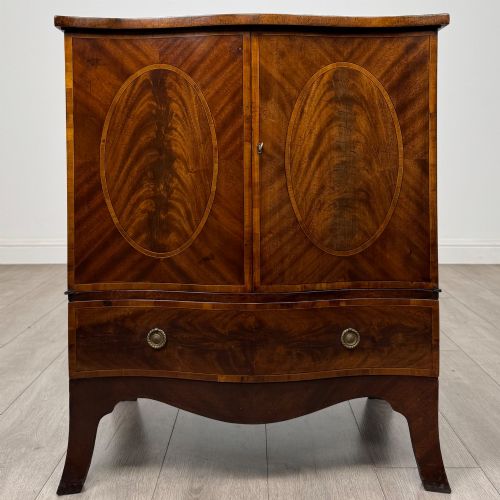
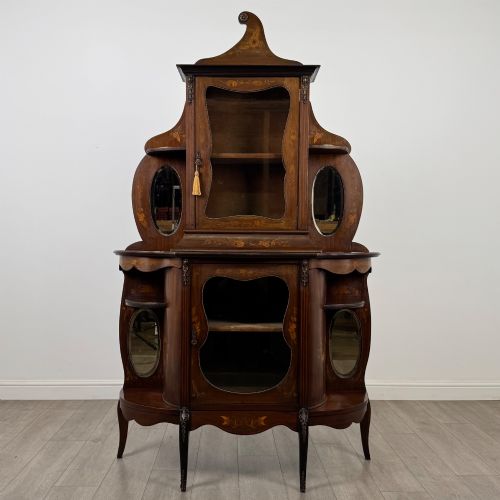
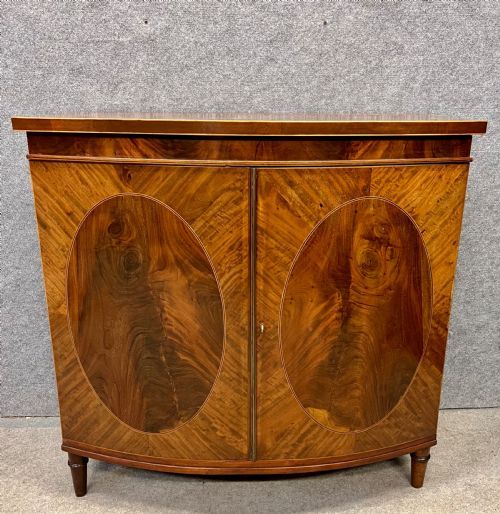
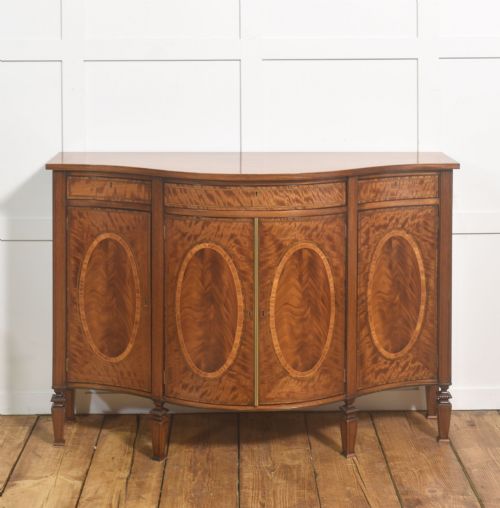
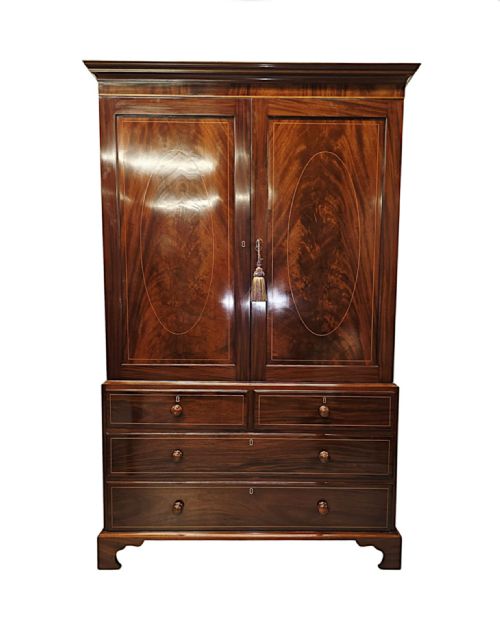
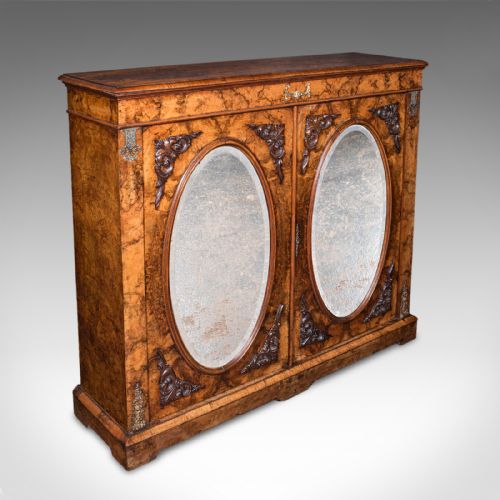
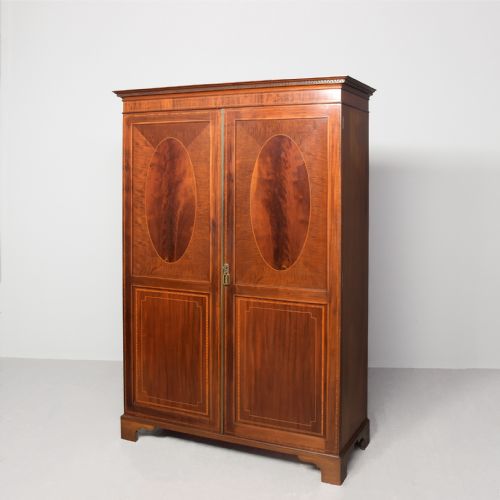
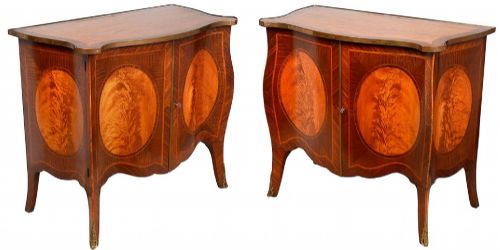
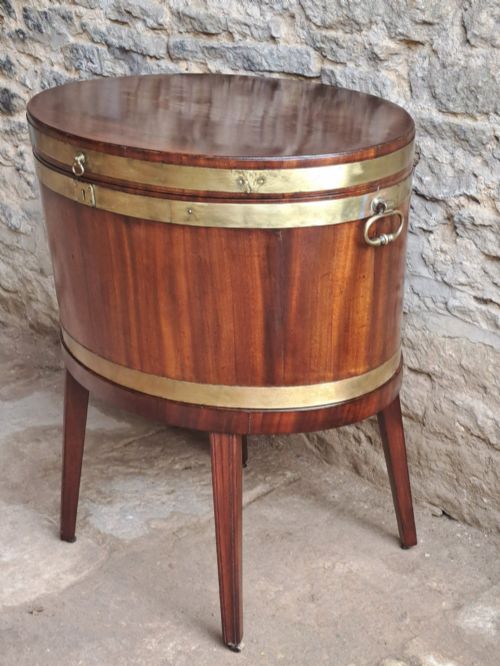
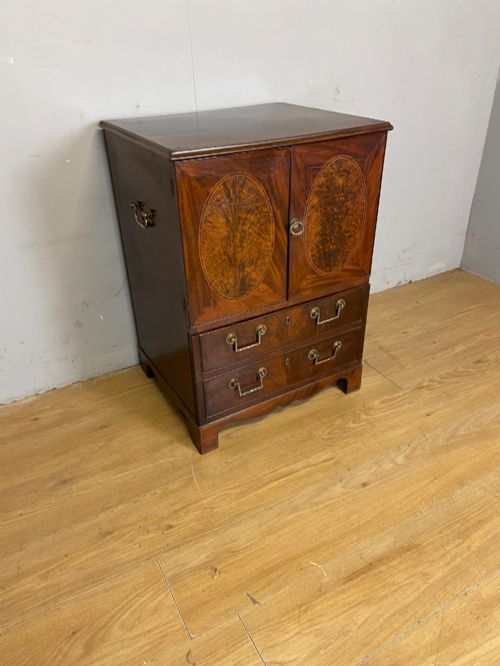
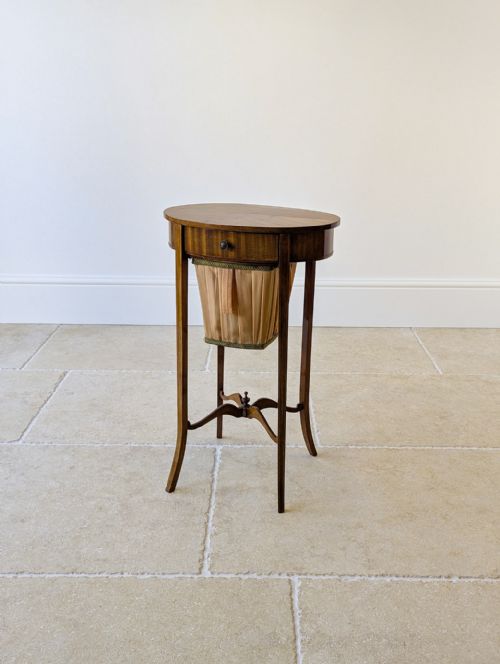
An antique oval cabinet sits among display cabinets, side cabinets, and bijouterie tables, utilising curved perimeters rather than sharp corners. The form appears in pieces designed for specialised display or storage, drawing the eye through softer geometry than standard rectangular furniture.
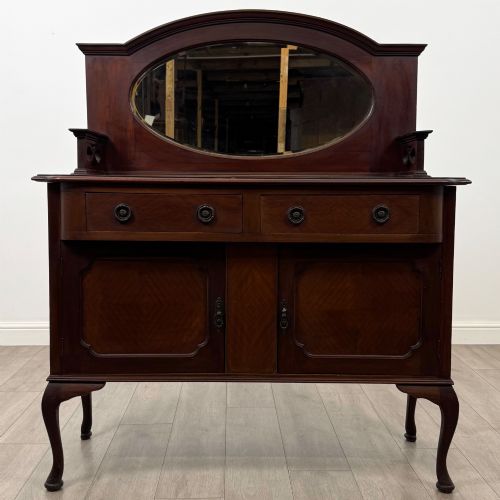
The variations span 18th century, Georgian, Victorian, Edwardian, and 19th century eras, utilising woods like mahogany, walnut, and satinwood. Buyers encounter freestanding display pieces alongside bedside formats and drinks cabinets.
Makers shaped these items across diverse stylistic revivals, incorporating glass panels for viewing contents or solid timber doors for concealed storage. The curved silhouette remains the defining feature across all periods represented.
Materials and Construction
Cabinet makers utilised solid timbers and veneers, building curved frames around mahogany, walnut, and satinwood foundations. Brass hardware, boxwood details, and satinwood inlay often accent the primary wood grains.
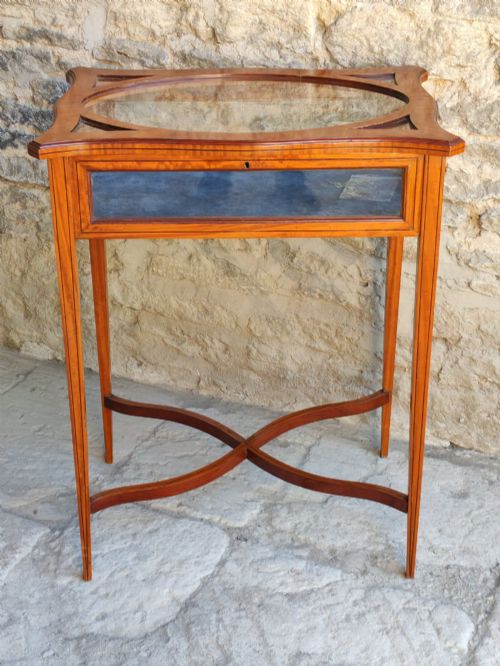
Glass integration requires precise frame construction, particularly for curved display variants and bijouterie tables. Ormolu mounts appear on specific French pieces, adding cast bronze detail to the mahogany structure.
Some delicate bijouterie tables were built specifically for Victorian ladies to display their prized trinkets under glass.
Assessing the Craftsmanship
Quality rests in the precision of the curved joinery and the selection of figured timber veneers. Grain matching across a rounded door or lid requires expert hand work.
The crispness of inlay work and the integration of brass mounts or glass panels distinguish high workshop standards from standard commercial production.
The Antique Oval Cabinet Glossary
- Bijouterie table
- A glass-topped display table intended for small valuables and curiosities. These pieces often feature hinged lids.
- Satinwood
- A pale, lustrous timber native to India and Sri Lanka, utilised for decorative veneers and fine inlay work.
- Ormolu
- Gilded bronze mounts applied to furniture as decorative ornament. The technique involves mercury gilding on cast bronze.
- Inlay
- A method of inserting contrasting woods, brass, or shell into recesses within the primary wood surface to form patterns.
- Georgian revival
- A style period mimicking the proportions and decorative vocabulary of 18th century British design during later decades.
Antique Oval Cabinet: Frequently Asked Questions
Where should I place an oval cabinet?
These cabinets work well in hallways, drawing rooms, or bedrooms where curved profiles soften straight architectural lines. Their rounded form allows them to sit comfortably in corners or against flat walls without projecting sharp corners into the walkway.
Glass-fronted versions suit spaces meant for display, while solid timber variants provide enclosed storage for tableware or collections.
How do I care for mahogany and walnut surfaces?
Maintain timber surfaces by applying natural beeswax polish sparingly and buffing with a soft cloth. Keep pieces away from direct sunlight and heat sources to prevent the wood from drying or splitting.
Avoid commercial silicone sprays, which build up over time and dull the natural patina of antique wood.
What is the difference between Edwardian and Georgian styles?
Georgian furniture dates from the 18th to early 19th centuries, emphasising solid proportions, classical motifs, and rich mahogany or walnut grains. Edwardian pieces date from the early 20th century and frequently revive earlier Sheraton or satinwood aesthetics with lighter construction.
Edwardian interpretations often incorporate delicate inlay work and brighter satinwood veneers compared to heavier earlier formats.
Are these cabinets suitable for everyday storage?
Most antique oval cabinets serve well for light storage, books, or displaying collections rather than heavy domestic loads. Bijouterie tables and display cabinets prioritize visibility and protection for small items.
Checking internal shelving depth and door clearances ensures the piece matches your intended items.