
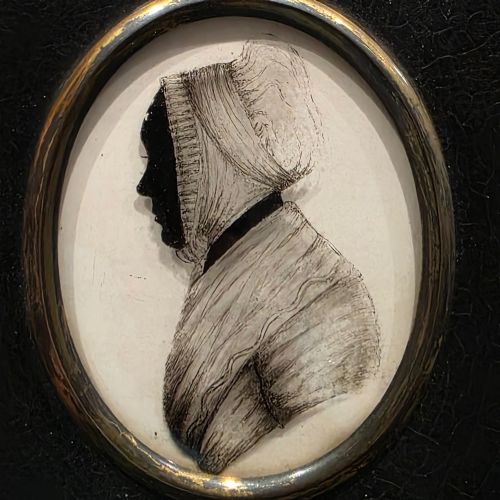
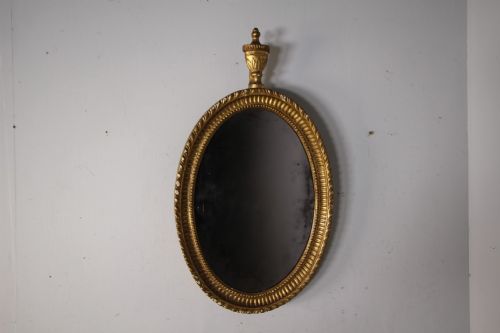
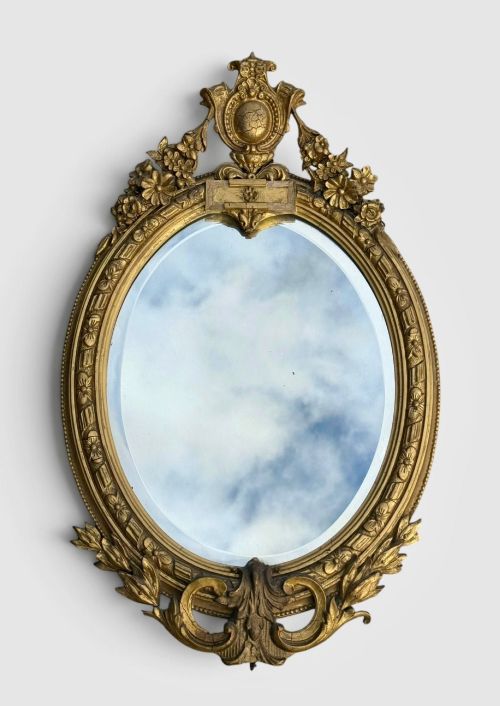
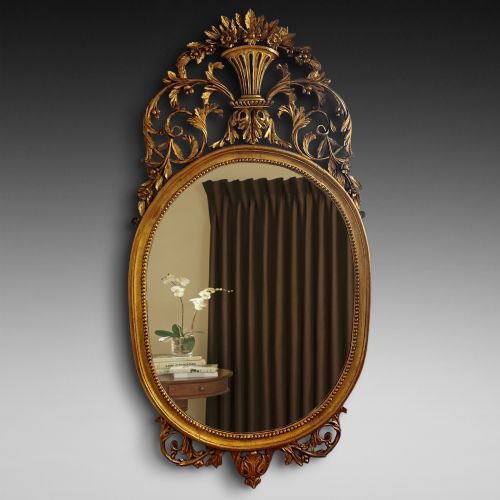


Antique Oval Gilt Glass
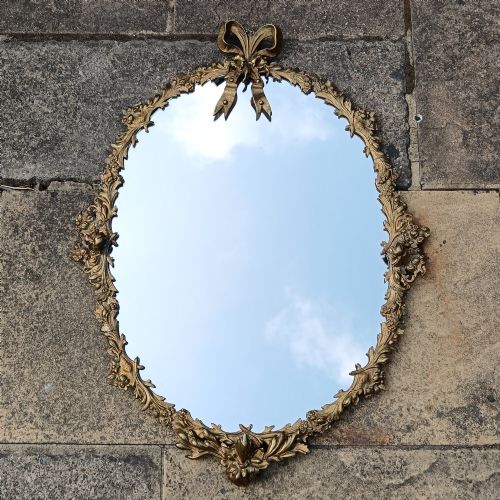
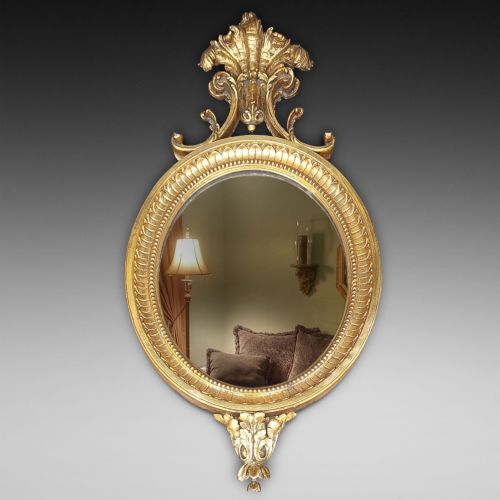
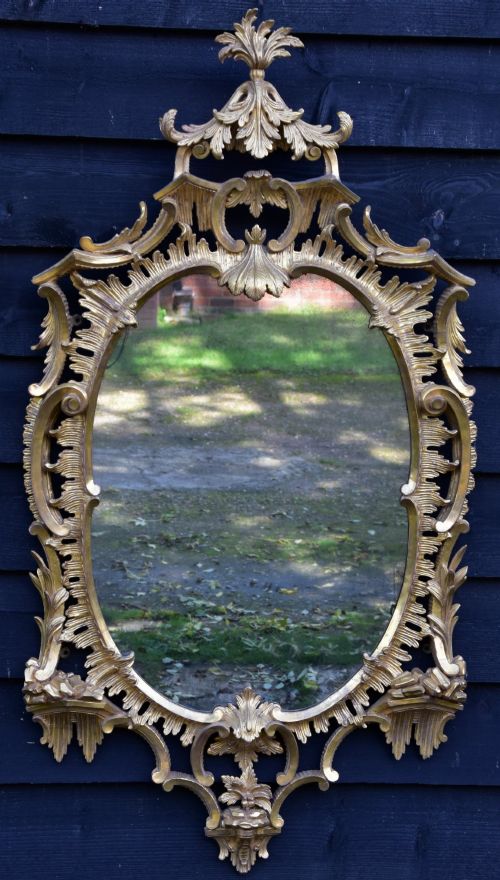
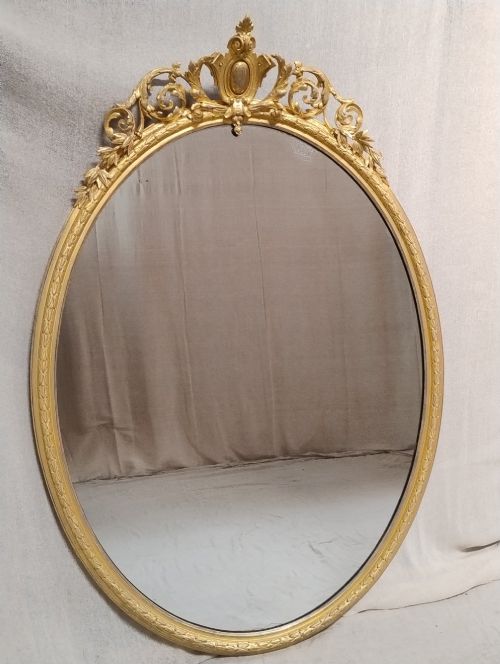
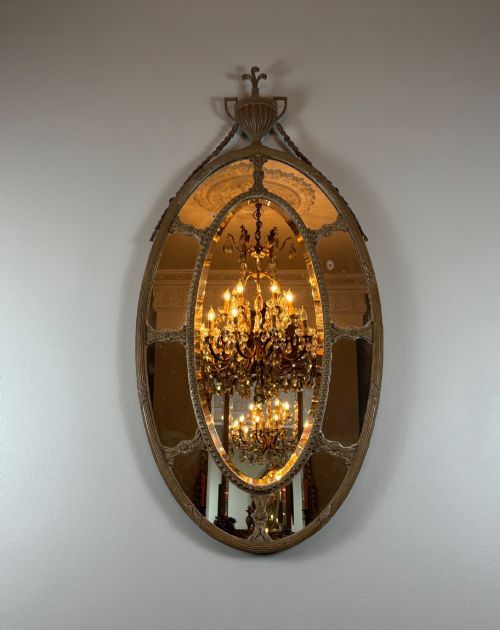
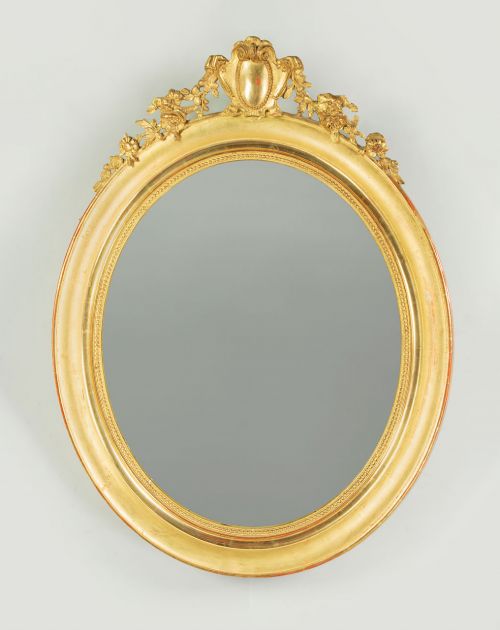
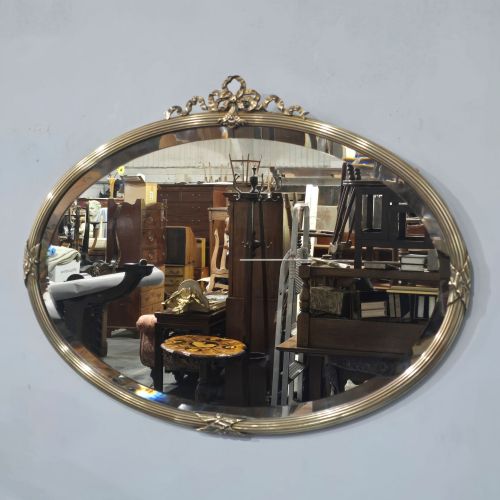
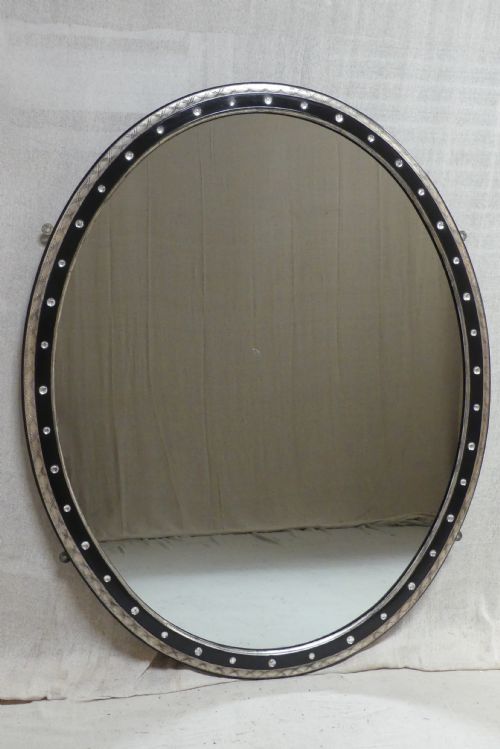
These pieces of antique oval gilt glass combine golden frames with reflective surfaces, offering decorative presence and light.
Antique Oval Gilt Glass
When you search for antique oval gilt glass, you encounter wall mirrors, pier mirrors, and overmantel mirrors alongside occasional miniatures and clocks. The majority of surviving pieces belong to the Georgian, Regency, and Victorian periods, taking the form of wall-hung looking glasses.
Makers shaped these frames in wood, gesso, and giltmetal, often applying gold leaf or liquid gilding over carved details. The glass plates themselves range from early mercury silvering to standard nineteenth-century silvered mirror glass.
Stylistically, pieces draw on Neoclassical, Adam, Louis XVI, and Rococo Revival designs, frequently featuring urns, swags, ribbons, and bows. They function primarily as decorative interior wall pieces intended to bounce light around a room.
How they were made
Carpenters carved wooden frames from timber substrates, applying layers of chalk-based gesso to receive intricate surface ornamentation. Artisans then gilded these surfaces using beaten gold leaf or metallic compositions to achieve a rich golden sheen.
Mirror plates were cast or blown, then silvered using traditional techniques such as mercury amalgam or later chemical processes. Craftsmen secured these glass inserts into the rear of the frames using wooden slips and glazing points.
The listings span from the seventeenth century through the Edwardian era, encompassing Georgian, Regency, Victorian, and Louis XVI styles.
What varies in quality
The crispness of the hand-carved wooden or moulded gesso ornament dictates the visual strength of the frame. Skilled artisans achieved sharp relief in swags and urns, whereas lesser pieces display soft or muddy detail.
The preservation of the original gold leaf and the character of the antique glass plate determine the visual depth of the object. Retained mercury silvering and undisturbed gilding elevate the integrity of a piece.
The Antique Oval Gilt Glass Glossary
- Giltwood
- Timber that has been gilded with gold leaf. It forms the primary structural and decorative material for high-status frames.
- Gesso
- A plaster mixture applied to wood frames to create a smooth surface for carving and gilding. It allows for intricate relief ornamentation.
- Mercury Plate
- An early mirror glass silvered using a tin and mercury amalgam. It exhibits characteristic dark speckling and soft reflection.
- Pier Mirror
- A tall mirror designed to hang on the wall space between windows. These pieces often feature oval glass plates within gilt frames.
- Girandole
- A decorative wall mirror fitted with candle sconces attached to the frame. The polished gilt surfaces reflect candlelight across the room.
Antique Oval Gilt Glass: Frequently Asked Questions
Where should I hang an oval gilt mirror?
Hang these mirrors on a principal wall in a hallway, above a fireplace mantelpiece, or between windows where they capture and reflect natural daylight.
Ensure the wall fixings match the substantial weight of the wooden and gesso frames to support the piece securely.
How do I identify a Georgian gilt mirror?
Georgian pieces typically display hand-carved wooden frames featuring Neoclassical motifs like urns, swags, and delicate leaf scrolls rather than moulded composition.
Examine the construction at the reverse for older pine or oak timbers and traditional hand-cut joinery.
What is mercury plate glass?
Mercury plate is an early mirror glass manufacturing method using a tin and mercury backing that creates a distinctive mottled, dark-speckled reflection.
This historic glass gives a softer, warmer mirror image compared to modern chemically silvered glass.
How do I clean an antique gilt frame?
Dust the gilded wooden or gesso surface gently with a very soft, dry brush to remove loose particles without disturbing the fragile gold leaf.
Avoid using any water, chemical solvents, or modern cleaning sprays, as moisture strips historic gilding rapidly.