

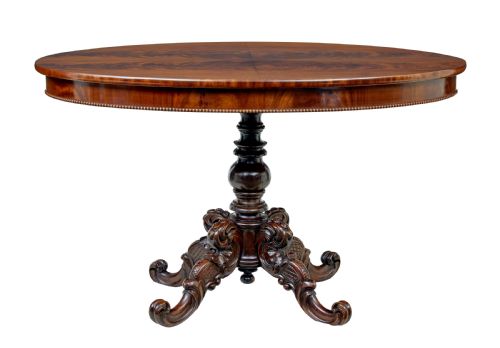


Antique Oval Foyer Table
An antique oval foyer table brings sculptural presence to an entrance hall, offering a welcoming surface for flowers or correspondence.
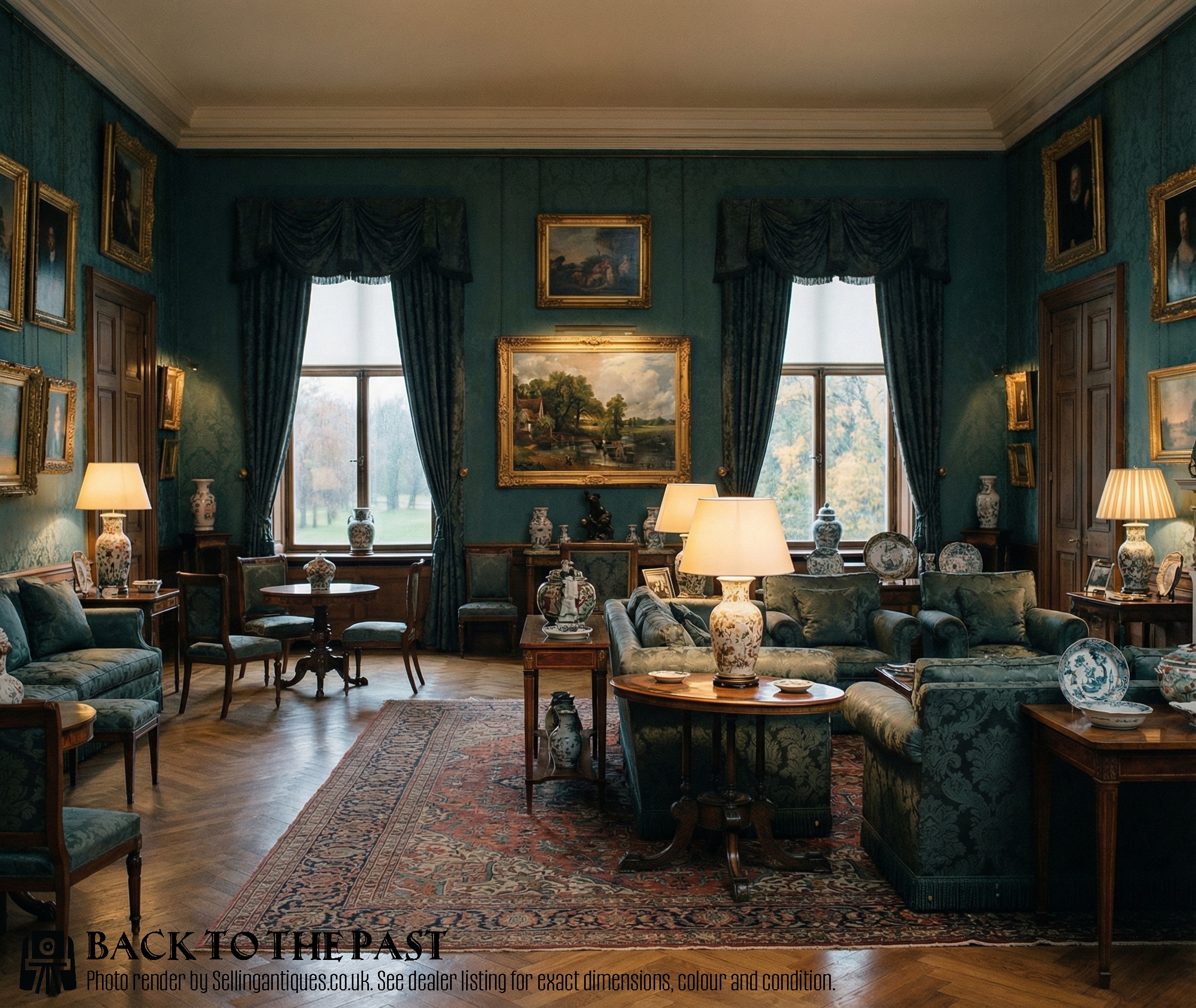
Antique Oval Foyer Table
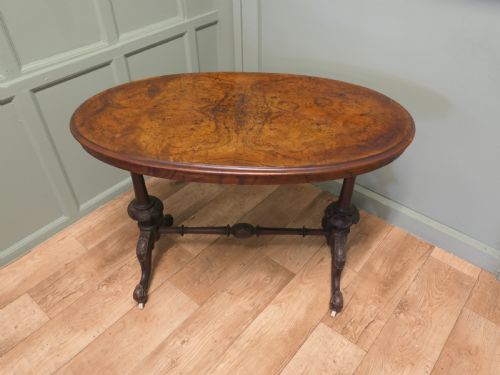
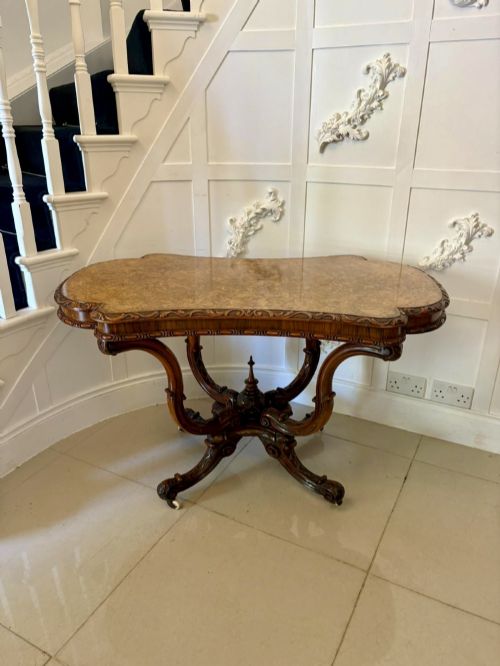
An antique oval foyer table stands as a striking centrepiece designed for placement in hallways, entrance spaces and grand rooms. When exploring this selection, buyers frequently encounter Victorian examples alongside continental iterations from the nineteenth century.
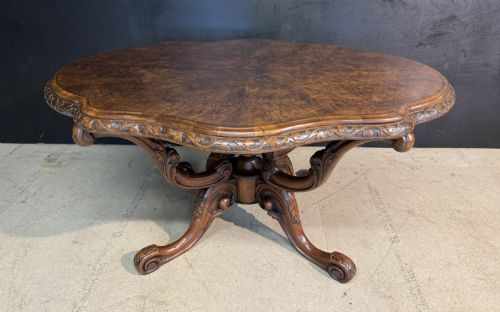
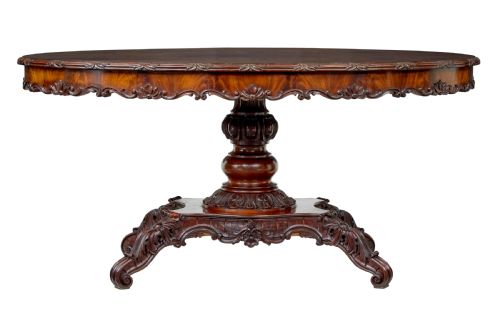
These pieces primarily function as centre tables, occasional tables and hall tables. The forms span from freestanding Victorian burr walnut designs with basket bases to slender Edwardian satinwood pieces and Scandinavian hand-carved variants.
Origins represented on this page stretch across British workshops, French Empire and Louis styles, and Scandinavian production. Buyers will discover woods such as mahogany, rosewood, burr walnut, oak and birch shaping these oval silhouettes.
How they were made
Cabinetmakers constructed these tables using solid timbers and carefully selected veneers applied to supportive secondary woods. Burr walnut, flame mahogany, rosewood and satinwood provide the primary decorative surfaces seen across the pieces.
Surface enrichment relies on traditional techniques including hand carving, boxwood inlay and painted finishes. Marble tops appear on specific continental examples, while brass mounts accent French Empire and Louis style pieces.
What varies in quality
Quality reveals itself in the selection and matching of wood veneers, particularly with burr walnut and flame mahogany. Superior examples display thoughtful grain alignment across the oval top and refined detailing in the supporting structure.
The execution of hand carving and inlay work distinguishes workshop output. Crisp, deeply defined carving and precise wood inlay indicate higher levels of craftsmanship compared to simpler production.
The Antique Oval Foyer Table Glossary
- Centre table
- A table designed to stand free in the middle of a room rather than against a wall, finished on all sides. These pieces often serve as the focal point of a large hall or parlour.
- Burr walnut
- A highly figured wood grain taken from the growth excrescences on walnut trees. Cabinetmakers prized this material for its intricate, swirling patterns on table tops.
- Satinwood
- A light-coloured, lustrous timber native to India and Sri Lanka, widely utilised during the Sheraton Revival and Edwardian periods for fine inlay and banding.
- Boxwood inlay
- The practice of inserting contrasting light boxwood into darker primary timbers to create geometric or floral borders. This technique highlights the edge of table tops and friezes.
- Freestanding basket base
- A structural support configuration featuring shaped or woven wooden framework beneath the table top. This form frequently appears on mid-nineteenth-century Victorian walnut tables.
Antique Oval Foyer Table: Frequently Asked Questions
Where should I place a foyer table?
These tables find their natural home in entrance halls and spacious reception rooms where they can be viewed from multiple angles. Their freestanding nature allows them to anchor an open space rather than being pushed against a wall.
Placing one centrally creates a practical drop zone for daily items while establishing an immediate decorative impression as you enter the home.
How do I care for polished wood?
Maintain polished timber surfaces by dusting regularly with a soft, dry cloth and avoiding direct sunlight that can fade delicate veneers like rosewood and satinwood. Keep indoor humidity stable to prevent timber movement.
Applying a traditional beeswax polish periodically helps nourish the grain and protects the historic finish without building up heavy chemical residues.
What is the difference between Victorian and Edwardian tables?
Victorian examples tend to employ darker, heavier timbers such as walnut, mahogany and rosewood with robust carving and substantial basket or pedestal bases. They reflect a taste for rich grain patterns and ornate detailing.
Edwardian pieces, particularly those in the Sheraton Revival style, favour lighter woods like satinwood and incorporate delicate inlay work, resulting in a brighter and more slender appearance.
Can I use an occasional table daily?
These tables were built for functional domestic use and handle everyday placement of objects like lamps, bowls or floral arrangements quite comfortably. Their solid construction ensures they withstand standard household interaction.
Using coasters and placemats protects the antique polish from moisture and heat rings, preserving the integrity of the surface timber for years to come.