





Antique Oval Footstool
These antique oval footstool examples range from early walnut framing to later revival forms, offering practical proportion and period textile work for the room.
Antique Oval Footstool
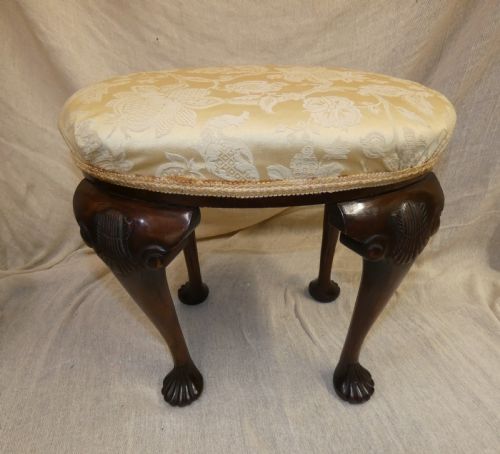
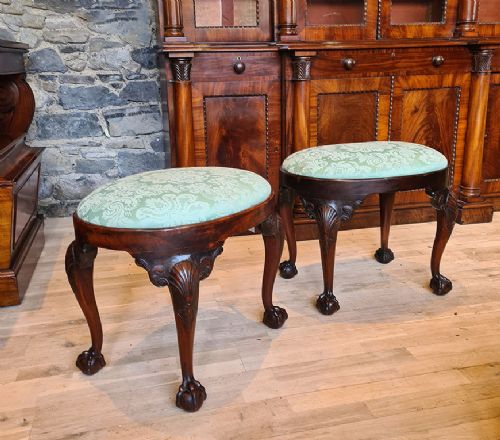
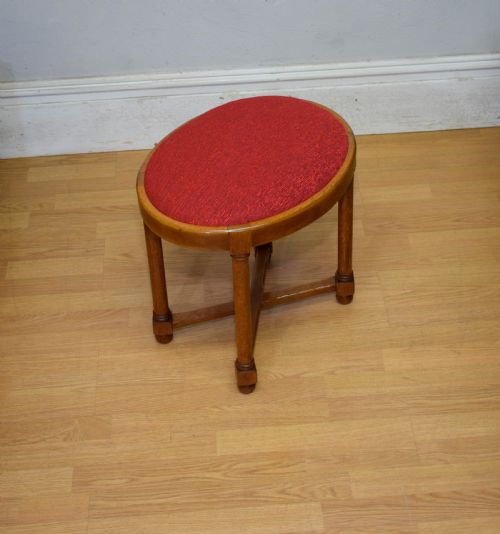
When you search for an antique oval footstool, you are looking at low seating forms designed to support the feet or serve as compact occasional seats. The listings here centre on pieces originating across the eighteenth, nineteenth, and early twentieth centuries.
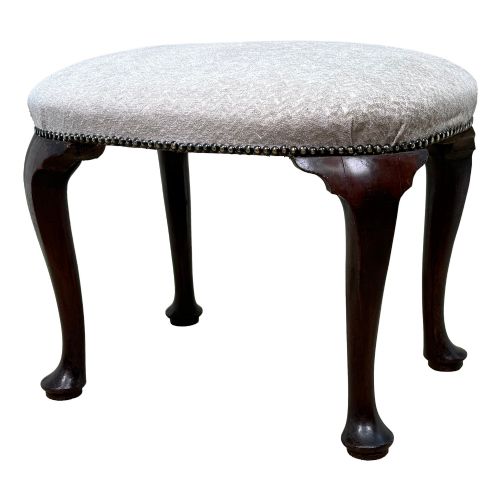
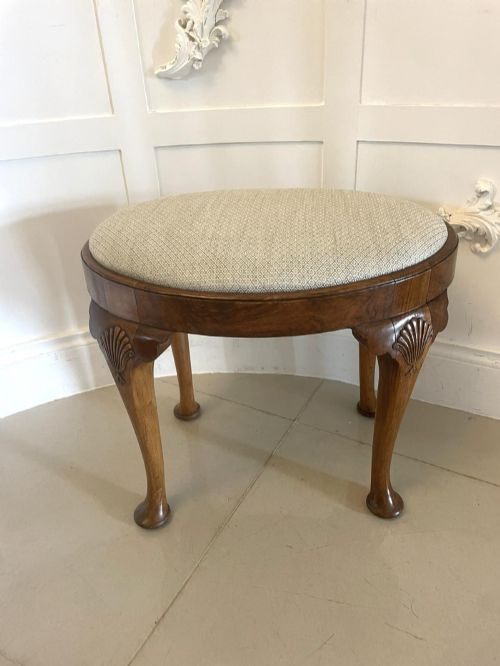
You are most likely to meet walnut and mahogany frames alongside oak structures, frequently paired with period textile covers such as tapestry, needlework, or simple upholstery fabric.
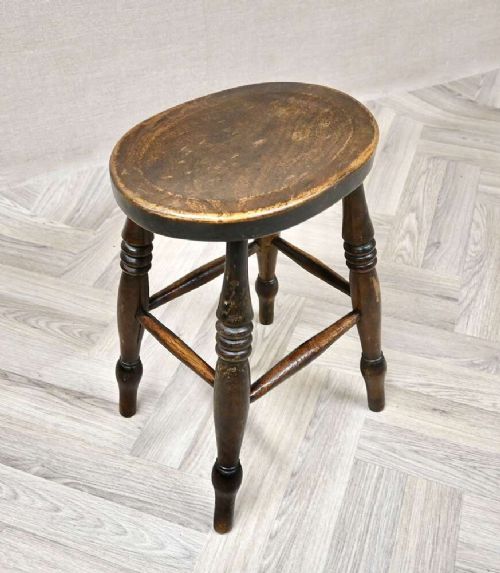
The forms span distinct historical revivals including Queen Anne style and George I proportions, as well as simpler country interpretations like Windsor or rustic seating.
Materials and construction
The frames are constructed using hardwoods such as walnut, mahogany, and oak, often shaped with curved woodwork to form the distinctive rounded perimeter.
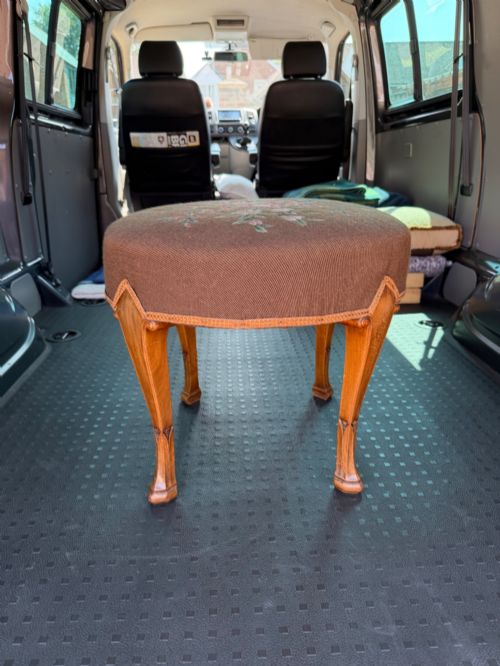
Upholstery techniques applied to these pieces utilise traditional textile coverings including tapestry and needlework, secured over padded interiors.
Some nineteenth-century drawing rooms squeezed in entire eleven-piece salon suites just so the footstools could match the sofas.
Judging quality
The distinction between tiers rests upon the execution of the woodwork and the integrity of the frame construction. Pieces showing refined carving on walnut or mahogany represent a higher level of cabinetmaking than simpler country variants.
The grade of the textile top also determines the standard of the piece, with hand-worked needlework and tapestry offering greater depth than plain modern replacement fabrics.
The Antique Oval Footstool Glossary
- George I Period
- A design era spanning the early eighteenth century characterised by walnut timber and restrained proportions. Pieces from this time often feature curved structural lines.
- Queen Anne Style
- A revival design approach drawing on early eighteenth-century aesthetics. It typically incorporates shaped wooden framing.
- Needlework
- A hand-stitched textile covering applied to seating tops. This decorative work forms the primary surface texture on many period examples.
- Joint Stool
- A traditional wooden stool constructed with mortise and tenon joinery. These sturdy forms appear across domestic interior history.
Antique Oval Footstool: Frequently Asked Questions
What is an antique oval footstool?
An antique oval footstool is a low seated item built with a rounded wooden frame and upholstered top. These pieces date from earlier centuries and function as foot rests or small seats.
They appear in various timber types including walnut, mahogany, and oak, often displaying specific period stylistic traits like Queen Anne or Georgian revivals.
How were they used historically?
These stools were placed beside chairs or sofas to support the feet during periods of relaxation. Their compact shape allowed them to be moved easily around the room.
Over time, some also served as low occasional seating when extra places were needed around the hearth or salon.
How do I date an oval footstool?
Dating relies on examining the timber species, the joinery methods used in the frame, and any stylistic clues pointing to specific eras like the eighteenth or nineteenth century. Walnut and specific revival styles often indicate distinct periods.
Upholstery fabrics and needlework can also provide clues, though covers are frequently replaced during the working life of the furniture.
Are these stools comfortable to use?
They provide firm support through traditional padding and textile or tapestry covers. The level of comfort depends on the original stuffing materials and whether they have been maintained or restored.
Most buyers use them as functional furnishings in living spaces alongside period seating arrangements.