

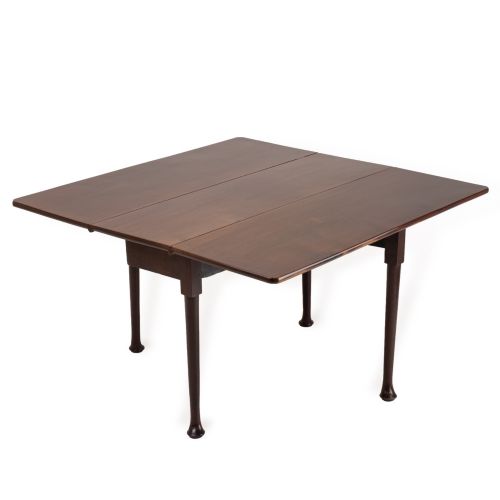


Antique Oval Flap Table
An antique oval flap table brings practical versatility and period charm to a room, offering an expandable surface when needed and a compact footprint otherwise.
Antique Oval Flap Table
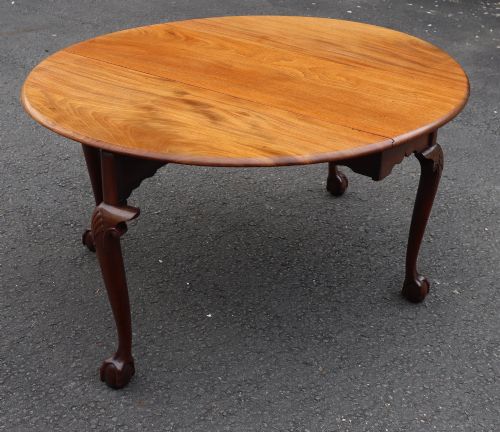
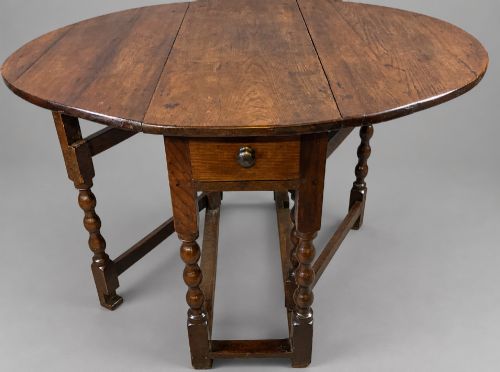
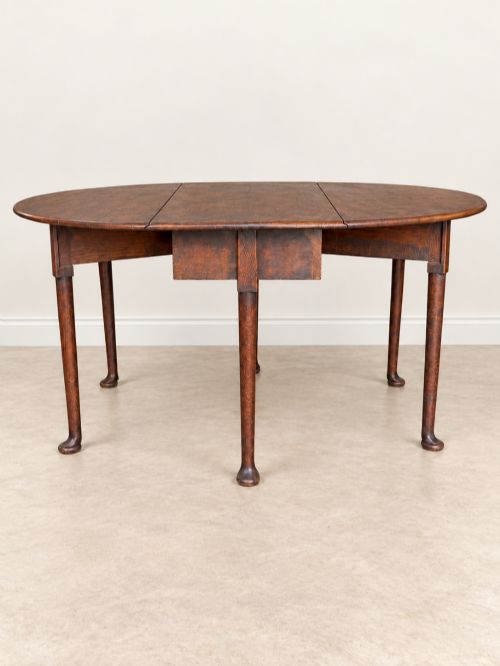
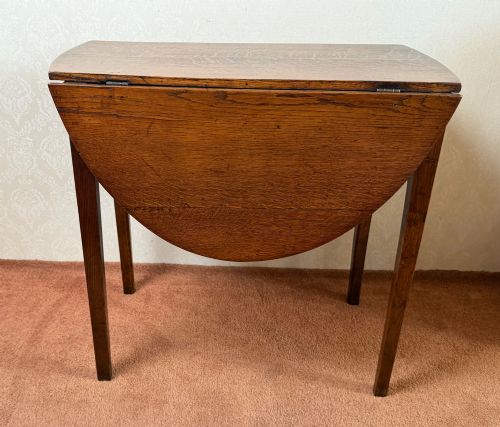
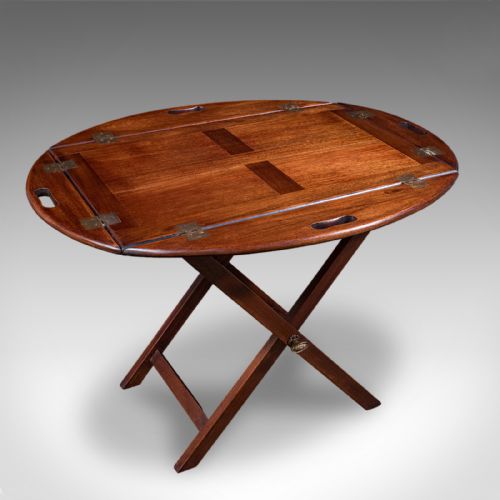
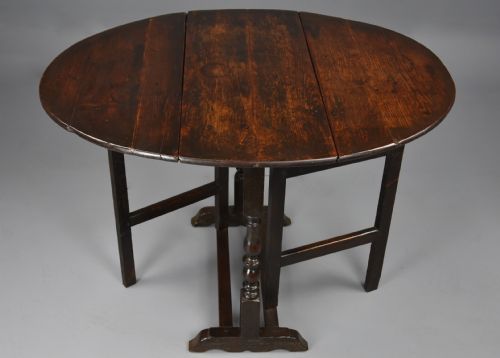
When searching for an antique oval flap table, buyers encounter versatile folding designs that transform from compact consoles into generous dining or serving surfaces. These pieces include gateleg tables, pembroke tables, and drop-leaf variations from various historical eras.
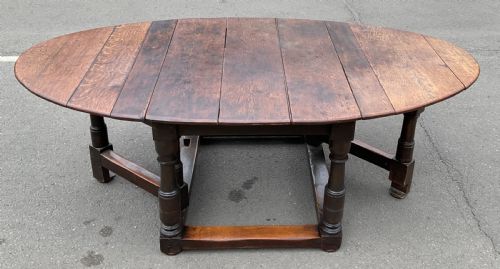
The selections span centuries of cabinetmaking, featuring sturdy seventeenth-century oak pieces alongside refined mahogany examples from the Georgian period. Smaller occasional tables and substantial dining versions both appear regularly across these epochs.
Design characteristics encompass drop-leaf mechanisms supported by swing legs, alongside delicate pembroke tables fitted with drawers and brass hardware. Buyers select these items for daily utility and historical character.
Materials and construction methods
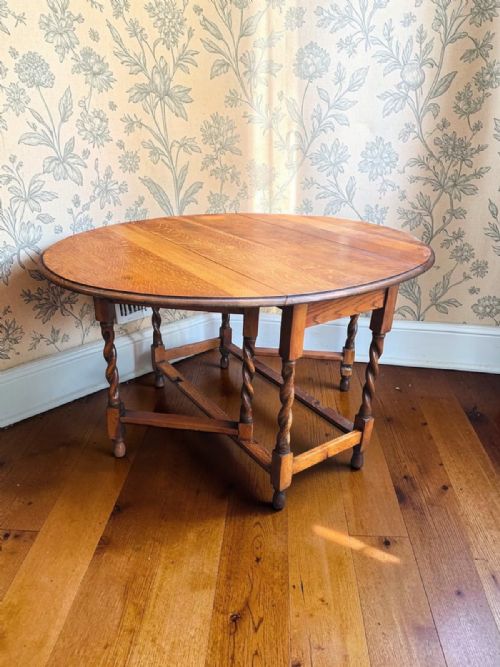
Early periods rely heavily on solid oak and walnut, fashioned into robust gateleg frames joined by wooden pegs and turned supports like barley twist or bobbin legs. These materials provide the weight and structural integrity required for large folding leaves.
Later Georgian and Victorian makers turn to mahogany, sometimes enhanced with satinwood, kingwood, or intricate wood inlay and marquetry. These finer timbers allow for sleeker profiles, pad feet, and polished surfaces suited to formal interiors.
Antique Oval Flap Table Retail Price Guide 2026
Typical asking prices for oval flap table among the pieces listed under this phrase on Sellingantiques today, from the lower quarter to the upper quarter. They describe what is for sale here now, not the wider market.
Listings span multiple eras from the seventeenth century through the Edwardian period, utilising oak, mahogany, walnut, and satinwood.
Judging quality and craftsmanship
Quality rests on the integrity of the hinge mechanisms and the stability of the swing legs that support the drop flaps under weight. Superior examples maintain tight joints and smooth movement without excessive sagging in the extended leaves.
Surface finish and timber selection separate ordinary pieces from exceptional ones, particularly where original patination, matching grain patterns, or fine inlay remain intact. The proportional balance between the fixed centre and the folding flaps dictates visual harmony.
The Antique Oval Flap Table Glossary
- Gateleg table
- A table with hinged leaves supported by swing legs that pull out like a gate to hold the flaps.
- Pembroke table
- A small occasional table featuring two drop leaves and usually a single drawer, popular during the eighteenth century.
- Drop-leaf table
- Any table fitted with hinged flaps that fold down to reduce the overall footprint.
- Barley twist
- A decorative turning technique resembling a twisted rope, commonly found on seventeenth-century and revival table legs.
- Marquetry
- Decorative veneer patterns assembled from various woods to create pictorial or geometric designs on tabletops.
Antique Oval Flap Table: Frequently Asked Questions
How do I use an antique flap table daily?
These tables adapt easily to modern living by folding down against a wall when space is limited and expanding fully for meals or gatherings.
Keep them away from direct heat sources and excessive moisture to protect the timber and the folding hinges.
What is the difference between gateleg and pembroke tables?
Gateleg versions rely on legs that swing outward from the main frame to support heavy drop leaves, making them suitable for larger dining surfaces.
Pembroke tables are lighter occasional pieces with smaller flaps and typically include a functional drawer beneath the top.
How can I tell a seventeenth-century oak table from a later revival?
Early pieces display authentic hand-tool marks, pegged joints, and natural timber shrinkage consistent with age.
Revival pieces often show more uniform machine cutting and lack the deep patination developed over centuries of use.
Can these tables support heavy dining use?
Solid oak gateleg tables with sturdy swing frames are built to bear substantial weight when fully extended.
Lighter satinwood or mahogany pembroke tables suit tea service or occasional display better than heavy dining.