
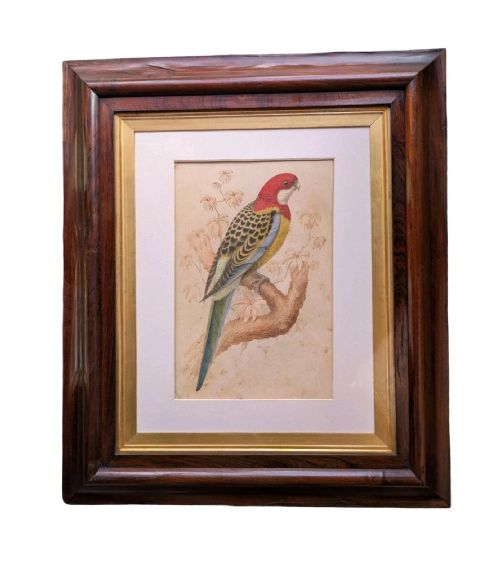


Antique Ornithology Illustration
These antique ornithology illustration works capture avian forms with precise detail, bringing historical scientific study into modern interiors.
Antique Ornithology Illustration
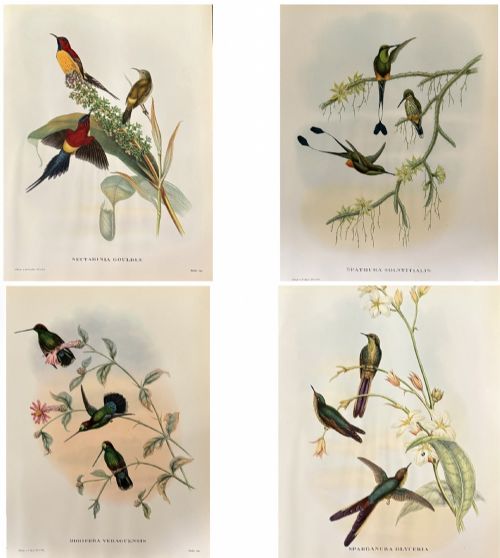
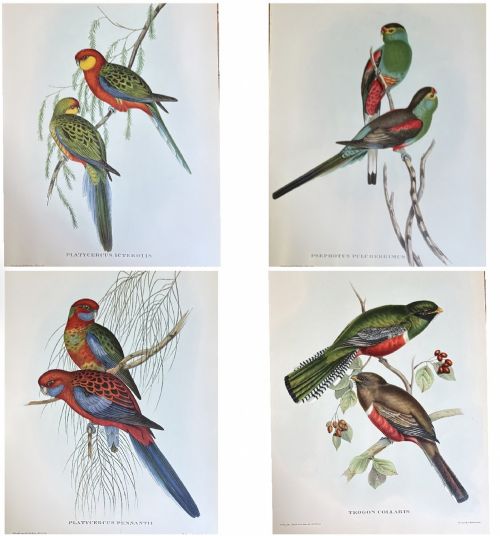
An antique ornithology illustration brings historical bird life into a room through framed prints, engravings, and watercolour paintings. Collectors searching this phrase encounter works spanning from the eighteenth century through to the mid-twentieth century.
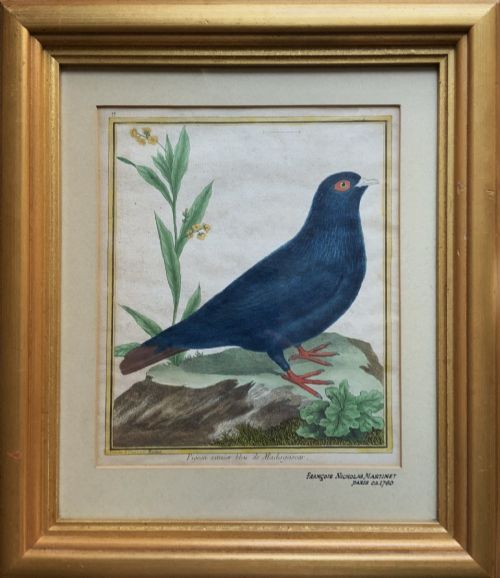
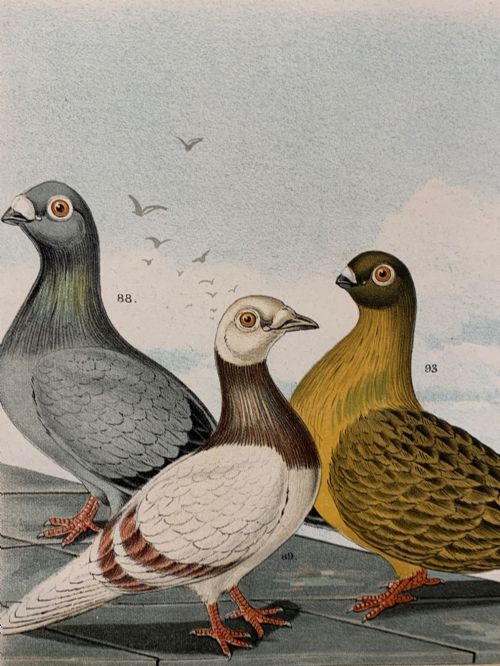
The selection ranges from single hand-coloured engravings by naturalists to sets of tropical bird prints and bound reference volumes. Buyers frequently find nineteenth-century lithographs and Victorian watercolours alongside eighteenth-century depictions of pigeons and waterfowl.
How they were made
Artisans produced these works using paper, ink, and watercolour, frequently applying hand-colouring to engraved or lithographic plates. Many examples utilise gold leaf and gilt wood within their framing to enhance the presentation of the avian subject.
Makers set these prints and paintings within wooden or ebonised frames, often pairing them with deep giltwood mounts to protect the fragile paper works. The combination of meticulous ink line work and delicate pigment washes defined the standard technique for natural history documentation.
Even fierce birds of prey and exotic macaws are rendered with the polite composure of Victorian parlour guests.
What varies in quality
Quality separates through the precision of the hand-colouring and the fidelity of the anatomical rendering on the paper. Works executed by accomplished artists and established naturalists demonstrate superior brushwork and line clarity compared to standard commercial outputs.
The integrity of the framing materials, such as period ebonised wood and original gilt mounts, distinguishes higher tier pieces. Preservation of the paper ground and vibrancy of the original watercolours also elevate the standing of an individual plate.
François-Nicolas Martinet·William Andrews Nesfield·Harry Bright·William Swainson·Edward Lear·Eleazor Albin
The Antique Ornithology Illustration Glossary
- Lithography
- A printing process that uses a flat stone or metal plate to apply ink to paper. This technique enabled the mass production of detailed multi-coloured natural history prints in the nineteenth century.
- Engraving
- A method of cutting a design into a hard plate to hold ink for printing. Artists used this to achieve the fine, sharp lines seen in early bird illustrations.
- Watercolour
- A paint consisting of pigment suspended in a water-based solution. These washes provided the subtle plumage tones found in original bird paintings.
- Gilt wood
- Wood decorated with a thin layer of gold leaf. It frequently appears on the frames and mounts of higher quality Victorian wall art.
Antique Ornithology Illustration: Frequently Asked Questions
How should I hang these prints?
Protect these paper and watercolour works from direct sunlight to prevent the pigment and hand-colouring from fading over time. Keep them away from damp environments like kitchens or bathrooms to preserve the paper and wooden frames.
Group matched sets together on a wall to replicate historic study displays, or hang individual framed engravings as focal points in a library or hallway.
How do I identify a hand coloured print?
Examine the surface under magnification to spot the subtle brush strokes left by the colourist. Printed ink dots will be absent in areas where pigments were applied by hand after the printing process.
Hand-coloured plates often show slight variations in shade between copies of the same printed edition, as each one received individual attention.
What framing is period appropriate?
Victorian and Edwardian pieces commonly feature ebonised wood frames paired with deep giltwood mounts. These heavy surrounds provide both structural protection and a visual depth that complements the detailed avian artwork.
Ensure older frames remain stable and check that the backing materials do not endanger the historic paper housed within.
Are these works original or reproductions?
The listings comprise genuine period pieces dating from the eighteenth century through to the mid-twentieth century. Evidence such as paper age, printing technique, and hand-applied pigments confirms their historical origin.
Look for plate marks on engravings and the natural ageing of the paper support to verify the authenticity of an antique illustration.