




Antique Ornithology Art
These antique ornithology art pieces bring scientific observation into domestic rooms, prized for their meticulous hand-colouring and detailed study.
Antique Ornithology Art
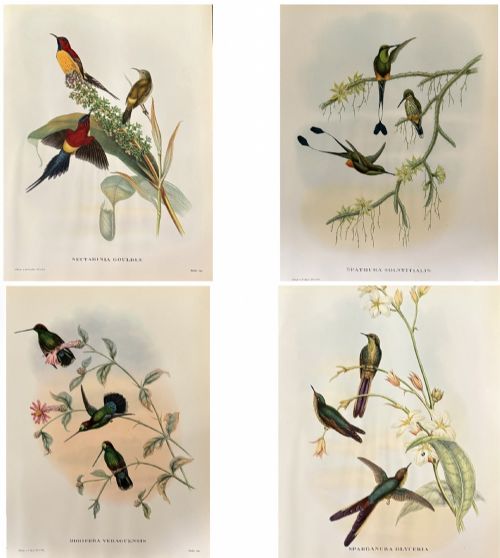
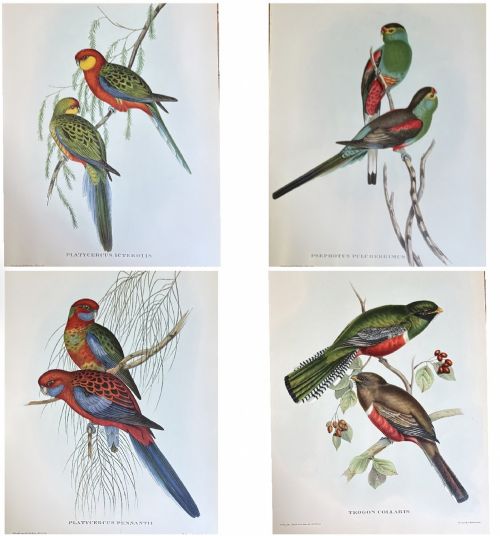
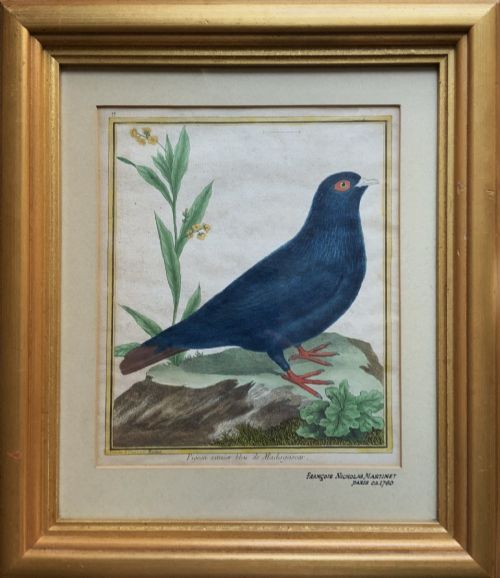
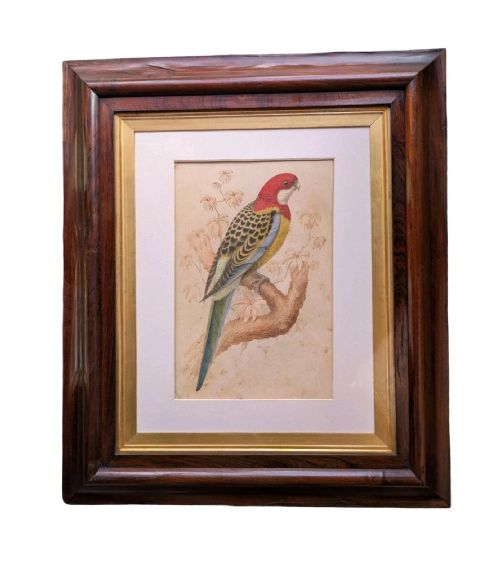
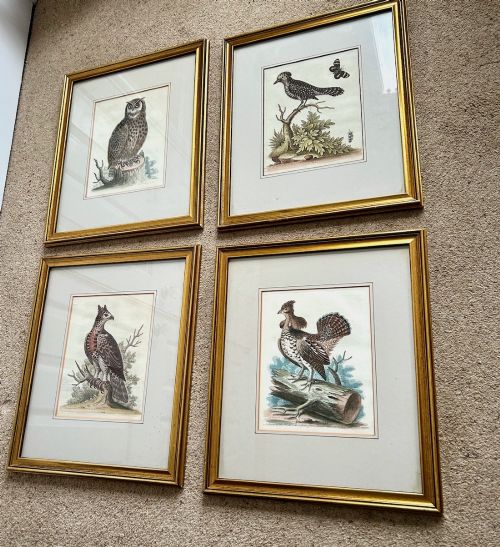
When you search for antique ornithology art, you encounter framed prints, engravings, and original watercolours depicting birds from the eighteenth century onwards. These works range from individual hand-coloured plates to sets of tropical bird prints and native game species.
The Victorian and Edwardian examples frequently appear alongside Georgian and nineteenth-century natural history pieces. Buyers will find both single botanical-style watercolours in ebonised frames and multi-plate sets originating from naturalists and artists.
Materials and techniques
The works rely upon paper supports marked by ink, lithography, and hand-applied watercolour. Many early sheets utilise copperplate engraving finished with meticulous brushwork.
Framing materials include wood, gilt wood, and gold leaf, occasionally paired with deep mounts to protect delicate watercolours behind glass.
Listings feature paper works spanning the eighteenth, nineteenth, and twentieth centuries, incorporating watercolours, lithographs, and ink engravings.
Markers of quality
Quality rests upon the precision of the initial engraving and the vibrancy of the hand-colouring applied to the feathers. Finer examples maintain crisp lines and original pigment saturation without excessive fading.
The distinction between a mass-reproduction and a superior piece lies in the delicacy of the brushwork and the standing of the original artist or naturalist who recorded the specimen.
François-Nicolas Martinet·George Edwards·William Andrews Nesfield·Harry Bright·William Swainson·Edward Lear·Eleazor Albin·Rev B. Morris·Archibald Thorburn
The Antique Ornithology Art Glossary
- Lithography
- A printing process utilising stone or metal plates where an image is drawn with an oil-based medium. This technique allowed for the mass production of detailed natural history illustrations.
- Hand-coloured
- A print finished with watercolour or ink applied by hand after the initial impression. This process added naturalistic tones to monochrome engravings and lithographs.
- Engraving
- An intaglio printing method where lines are cut into a metal plate with a sharp tool. It produced the fine, sharp contours seen in early scientific bird plates.
- Ebonised
- Wood treated to imitate ebony, commonly used for nineteenth-century frames. This dark finish provided a strong contrast against gilt mounts and colourful bird plumage.
Antique Ornithology Art: Frequently Asked Questions
How should I display antique bird art?
Protect these works from direct sunlight to prevent the watercolours and coloured inks from fading over time. Hanging them in rooms with stable humidity preserves the integrity of the paper and the wooden frames.
Grouping sets together, such as series of tropical birds or game prints, creates a cohesive gallery wall. Ensure they are mounted securely away from heat sources to avoid warping the paper or cracking the antique frames.
Are these prints or original paintings?
The selection includes both original watercolour paintings and printed works such as engravings and lithographs. Many of the prints feature hand-colouring applied over the ink lines after the printing process.
Examining the surface closely under magnification reveals whether the image consists of printed dots or lines combined with brushwork. Original watercolours show direct pigment application to the paper without a foundational printed matrix.
How do I date an antique bird print?
Dating relies on the paper type, printing technique, and stylistic markers associated with periods like the Georgian era or Victorian naturalism. Typography, plate marks, and attribution to known naturalists also help establish the timeframe.
Reference materials and signatures from artists active in specific decades provide further chronological clues. Comparing the paper texture and watermark often confirms the age of eighteenth and nineteenth-century sheets.
What subjects are most common?
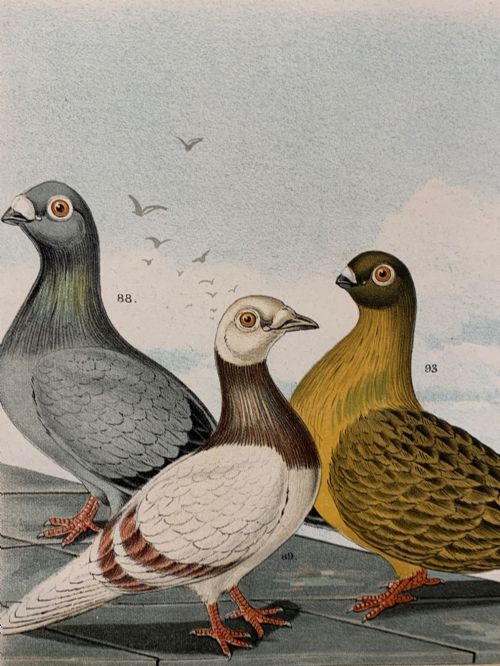
Common subjects range from exotic parrots and macaws to native European pigeons, finches, and waterfowl. Naturalists aimed to record accurate anatomical details of birds across different global habitats.
Works also depict game birds and raptors, reflecting the Victorian and Edwardian fascination with ornithological classification. These varied subjects catered to both scientific study and domestic decoration.