

Antique Ormolu Desk
An antique ormolu desk brings French 19th-century elegance and gilt bronze mounts to a room through cabinet woods and fitted writing surfaces.
Antique Ormolu Desk
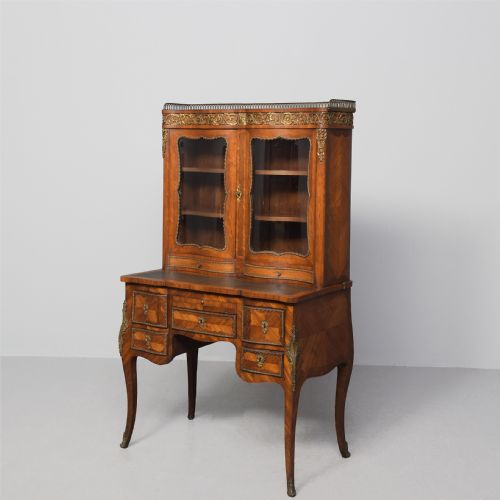
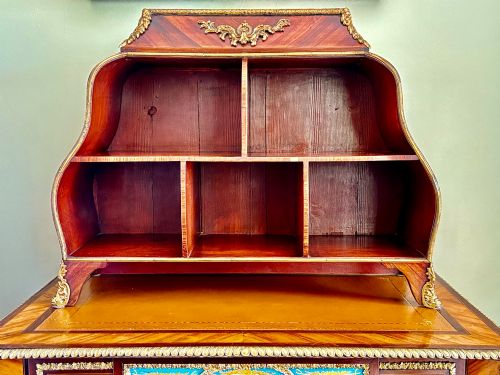
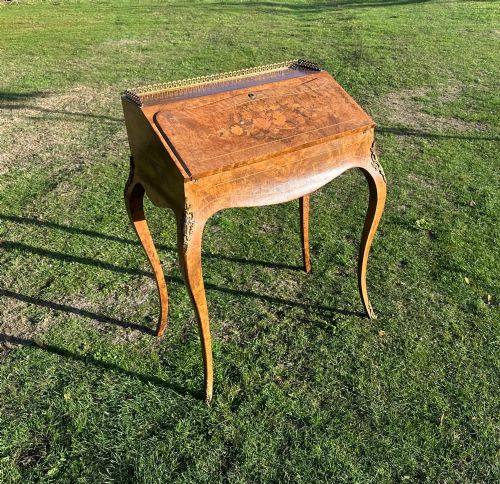
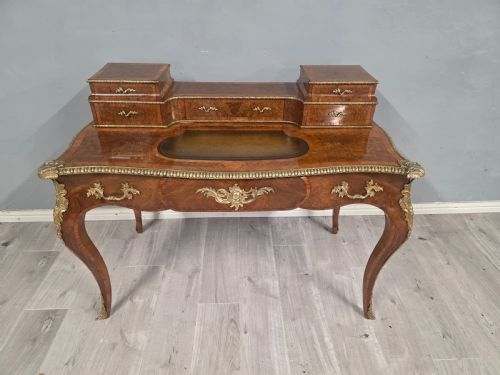
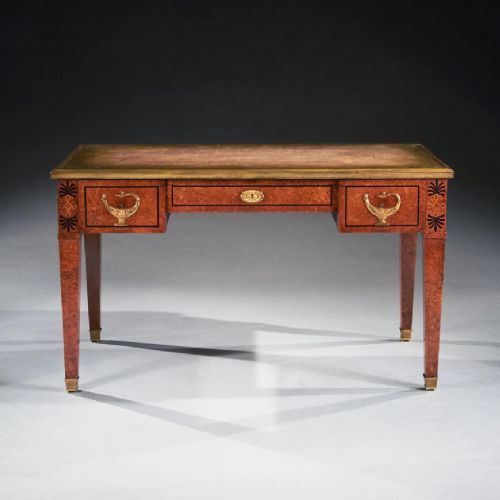
When searching for an antique ormolu desk, buyers encounter 19th-century French and Victorian forms spanning writing tables, bureau plats, and bonheurs du jour.
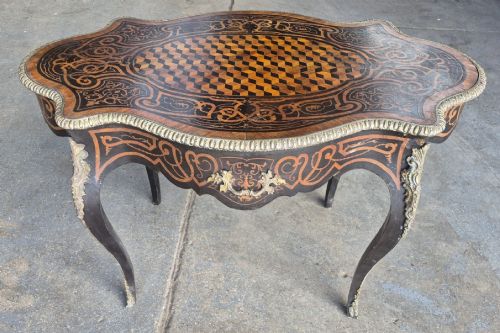
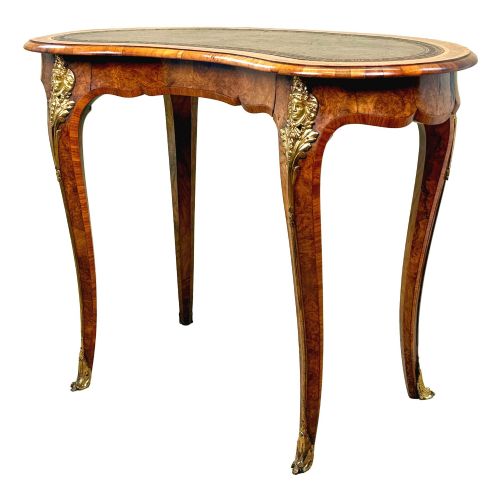
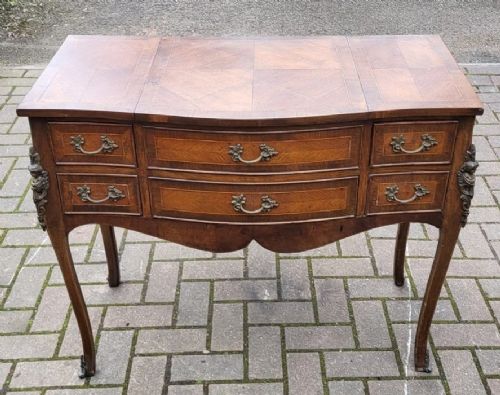
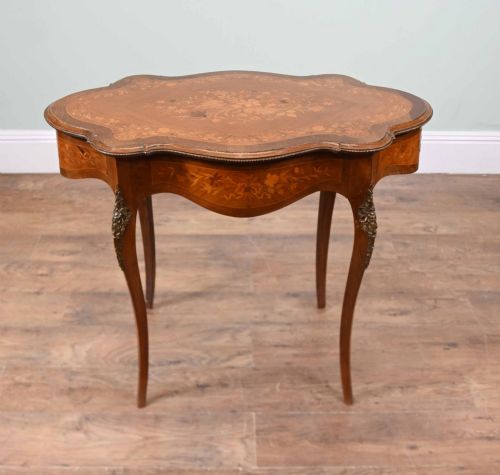
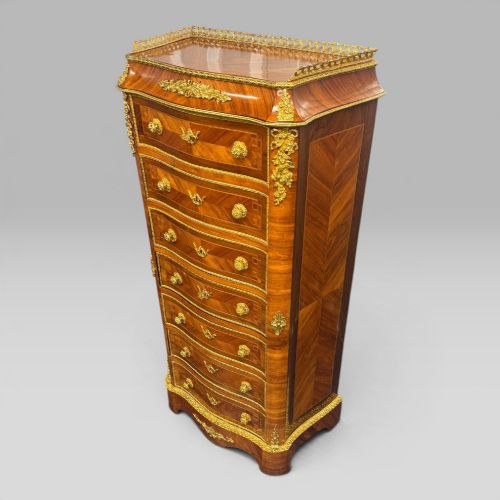
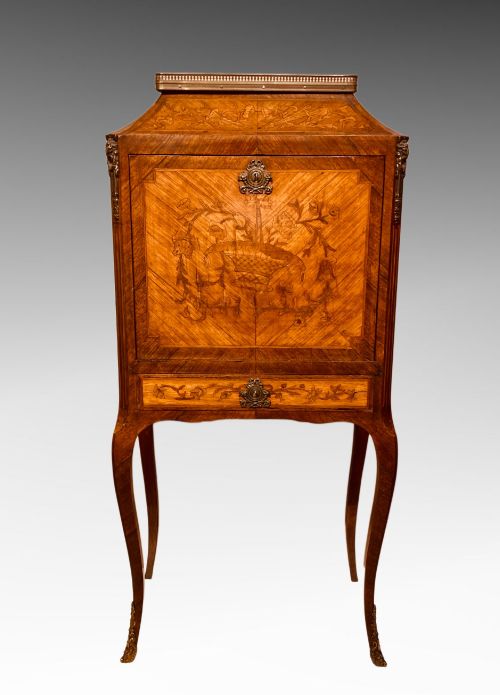
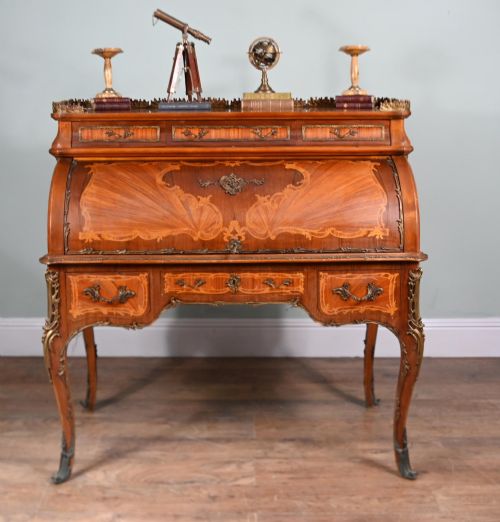
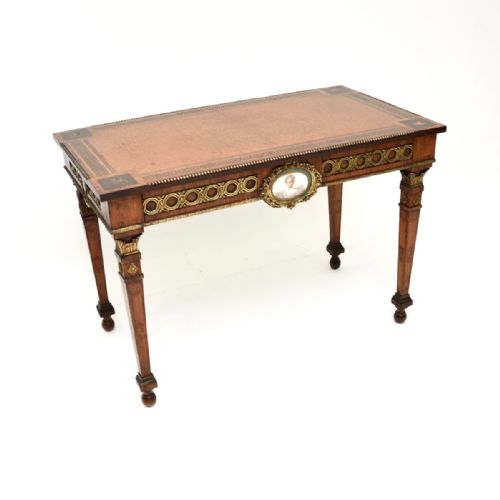
The most common versions on this page are freestanding pieces featuring gilt bronze or ormolu mounts paired with marquetry or parquetry inlays.
Originating predominantly from French workshops and English Victorian cabinet makers, these desks combine utility with revival styles such as Louis XV and Neoclassical.
Materials and Construction
Cabinet makers utilised dense hardwoods including kingwood, walnut, rosewood, and amboyna as the primary foundations for veneering and intricate parquetry patterns.
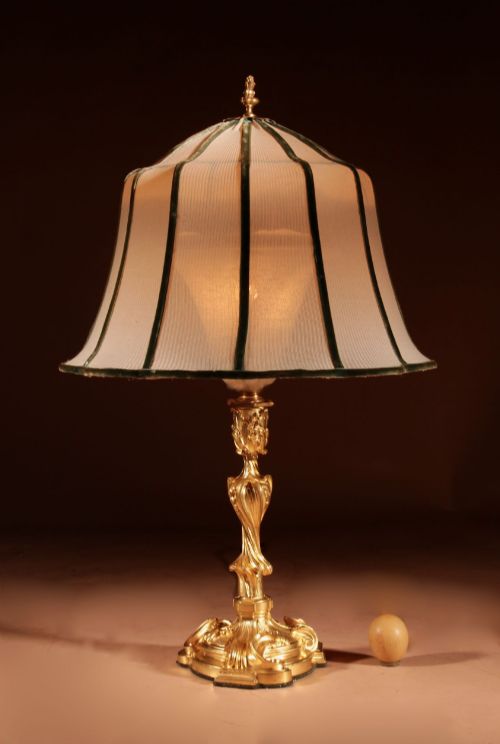
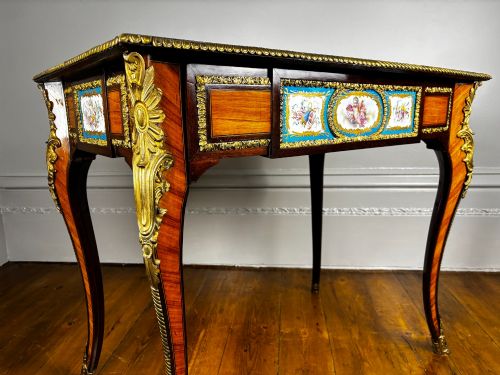
Cast ormolu and gilt bronze mounts were meticulously applied to corners, edges, and drawers to accentuate the serpentine and rectilinear contours of each piece.
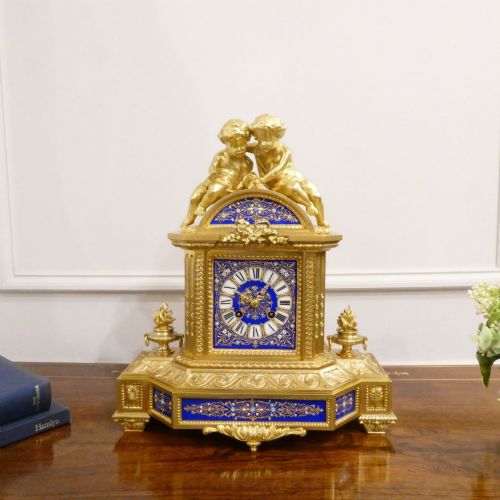
Secondary elements such as leather writing inserts, porcelain plaques, and brass detailing complete the construction methods recorded across these periods.
Antique Ormolu Desk Retail Price Guide 2026
Typical asking prices for ormolu desk among the pieces listed under this phrase on Sellingantiques today, from the lower quarter to the upper quarter. They describe what is for sale here now, not the wider market.
Several pieces include secret compartments designed for stashing love letters away from prying eyes.
Assessing Quality
The standard of an antique ormolu desk rests on the crispness of the gilt bronze casting and the precision of the underlying wood inlay.
Higher tier examples display fluid chasing in the metal mounts and seamless integration with complex marquetry, whereas simpler pieces rely on standard brass fittings and plain veneers.
Edwards & Jones·Gillows·JAS Shoolbred·Achille Brocot·Japy Freres
The Antique Ormolu Desk Glossary
- Ormolu
- Gilded bronze applications mounted onto furniture and decorative objects. This technique creates rich metallic highlights across 19th-century pieces.
- Bureau plat
- A flat-topped freestanding writing desk fitted with drawers. These tables typically feature finished backs for placement in the centre of a room.
- Bonheur du jour
- A small lady's writing desk featuring a tiered superstructure with shelves and small drawers above the main writing surface.
- Marquetry
- Decorative wood veneer patterns arranged in pictorial or geometric designs. Craftsmen cut contrasting timbers to create complex surface imagery.
- Parquetry
- Geometric wood inlay patterns forming repetitive tiled motifs. This technique frequently decorates the top surfaces and drawer fronts of writing tables.
Antique Ormolu Desk: Frequently Asked Questions
What is an ormolu desk?
An ormolu desk is a 19th-century writing table or bureau decorated with gilded bronze mounts.
These pieces often incorporate fine cabinet woods like kingwood and walnut alongside leather writing surfaces.
How do I use a bureau plat?
A bureau plat functions as a freestanding writing table placed in the centre of a room rather than against a wall.
Its finished back and accessible drawers allow for use from multiple angles while providing a dedicated surface for correspondence.
Where were these desks made?
The listings show production primarily centered in France and Victorian England during the nineteenth century.
Maker workshops and cabinet firms utilised regional revival styles such as Louis XV and Neoclassical designs.
What woods appear on these desks?
Common timbers include kingwood, walnut, rosewood, amboyna, and satinwood used as solid foundations or fine veneers.
Craftsmen frequently combined these woods with contrasting parquetry and marquetry inlay patterns.