





Antique Original Plate Mirror
An antique original plate mirror brings uncompromised historical character to a room, retaining the distinct depth and subtle imperfections of centuries-old glass.
Antique Original Plate Mirror
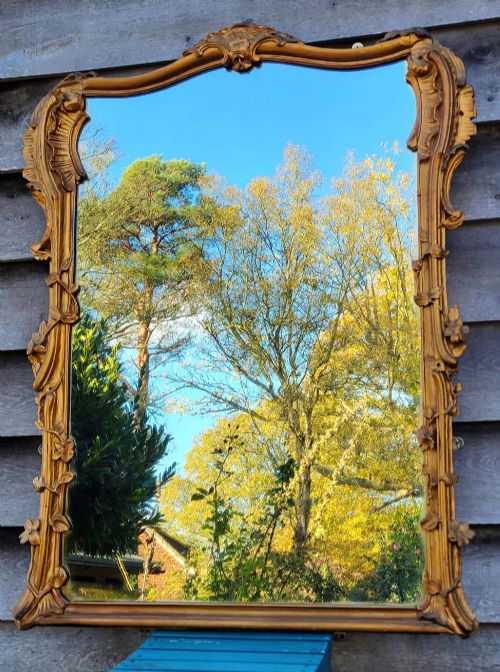
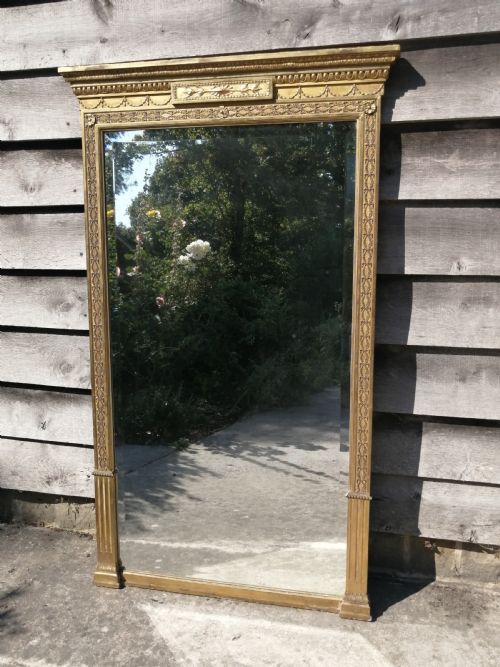
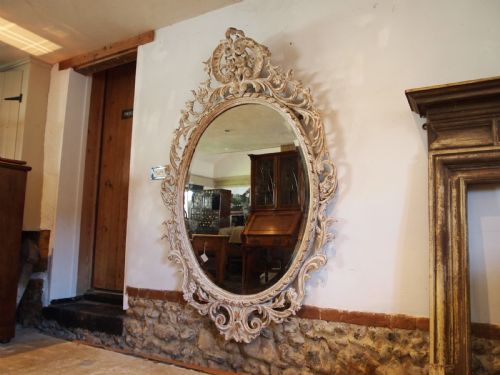
An antique original plate mirror comprises wall hanging pieces, overmantel mirrors, and pier mirrors defined by their surviving historic glass. These items span styles from Georgian and Victorian to Rococo and Art Nouveau, originating from British, French, and Italian makers.
The most common forms encountered on this page are large giltwood and brass-framed wall mirrors dating from the 18th and 19th centuries. Pieces such as French bistro mirrors and Italian cartouche designs demonstrate the variety of regional aesthetics available to the collector.
Beyond standard wall mirrors, the selection includes specialised forms like portmanteaus, hand mirrors, and margin mirrors. Each variation provides a tangible link to historical interior decoration through untouched mercury or silvered plates.
Materials and construction
Frames are constructed from carved wood, oak, and gesso, frequently finished with gold leaf, parcel-gilt, or giltwood surfaces. Brass and ebonised wood also feature prominently, particularly in 19th-century pier mirrors and bistro pieces.
The glass plates are historical float or mercury-backed surfaces that exhibit natural ageing, foxing, and distress over time. Traditional joinery secures these heavy plates within solid wood or metal armatures designed for domestic wall hanging.
Antique Original Plate Mirror Retail Price Guide 2026
Typical asking prices for original plate mirror among the pieces listed under this phrase on Sellingantiques today, from the lower quarter to the upper quarter. They describe what is for sale here now, not the wider market.
Indicators of quality
Quality rests in the harmony between the original plate and the integrity of the surrounding carved wood, gesso, or gilt framework. Finer examples retain their original gilding and uncompromised structural joinery without heavy modern restoration.
The character of the glass itself dictates value, where desirable foxing and natural silvering degradation enhance rather than detract from the historical authenticity of the piece. Superior carving work on Italian Rococo or Art Nouveau frames distinguishes workshop output.
The Antique Original Plate Mirror Glossary
- Mercury plate
- A glass backing technique utilising a tin and mercury amalgam, producing a deeper, warmer reflection than later silver nitrate methods. It often displays characteristic dark spots and soft distortion.
- Giltwood
- Timber carved and coated with a thin layer of gold leaf over a prepared gesso ground. This material defines the luxurious finish of Georgian and Victorian pier and overmantel mirrors.
- Foxing
- Age-related spots and oxidation within the mirrored glass plate caused by moisture reaching the reflective backing over decades. Collectors value this natural patination as proof of age.
- Cartouche
- An ornamental frame or tablet resembling a scroll or rolled-up paper, frequently seen on 18th-century Italian Rococo mirrors. It provides an asymmetrical and highly decorative surround for the plate.
- Pier mirror
- A tall, narrow mirror designed specifically to hang on the wall space between windows. These pieces often feature original giltwood frames and heavy historical plates.
Antique Original Plate Mirror: Frequently Asked Questions
How do I identify an original mirror plate?
An original plate exhibits subtle waviness, minor distortions, and natural foxing or speckling across the glass surface. These characteristics reflect historical manufacturing methods rather than modern perfection.
Closer inspection often reveals the plate is securely bedded into the rebate of the frame with traditional materials. Modern replacements lack the depth and soft reflection inherent in genuine 18th- and 19th-century glass.
Where should I hang a large overmantel mirror?
Overmantel mirrors were traditionally designed to sit directly above a fireplace mantelpiece to reflect light and fill the vertical wall space. Their substantial proportions anchor the room and create a strong focal point.
When hanging these heavy pieces, ensure the wall fixings are secured directly into structural studs or masonry. The weight of the timber frame and thick glass plate requires robust professional installation.
How do I care for foxed mirror glass?
Clean foxed and antique glass gently using a dry microfibre cloth to remove dust without disturbing the fragile surface. Avoid standard chemical glass cleaners that can seep behind the frame and damage the historical backing.
Keep the mirror away from direct dampness and extreme temperature fluctuations to prevent further degradation of the mercury or silvered layer. Gentle handling preserves the delicate patination built up over centuries.
What defines a French bistro mirror?
French bistro and brasserie mirrors were built for commercial hospitality environments, featuring robust frames made of brass, wood, or oak. Their distressed plates and practical proportions served to brighten 19th-century dining spaces.
These pieces bring an industrial yet decorative aesthetic to domestic interiors today. Their sturdy construction reflects their origins in busy public rooms.