
Large Carved Gold Mirror
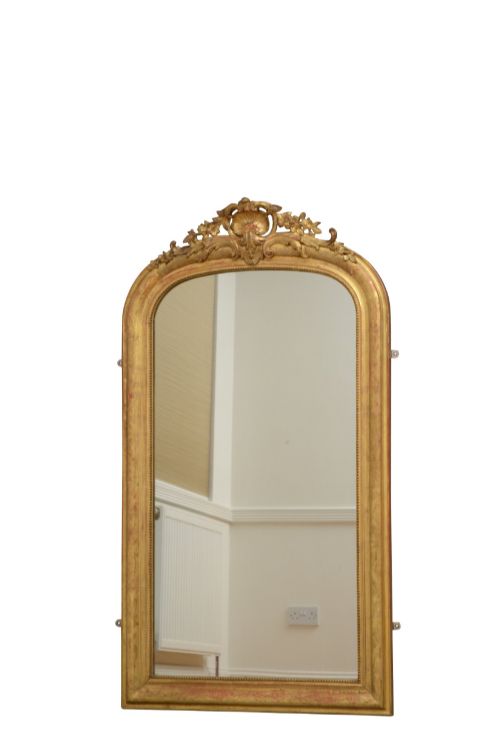
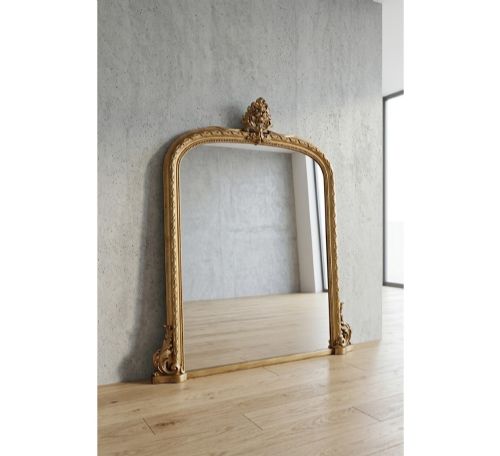
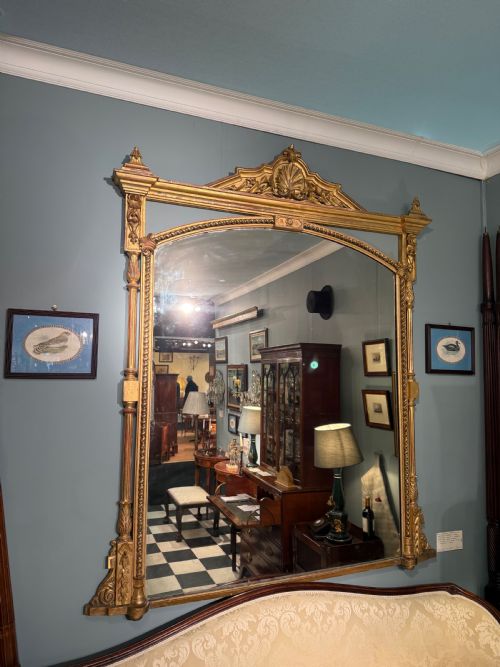
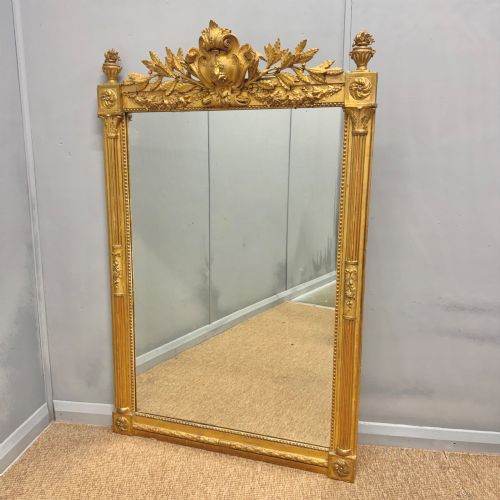
A large carved gold mirror commands a room, reflecting light and adding architectural presence through ornate wooden and gesso frames.
Large Carved Gold Mirror
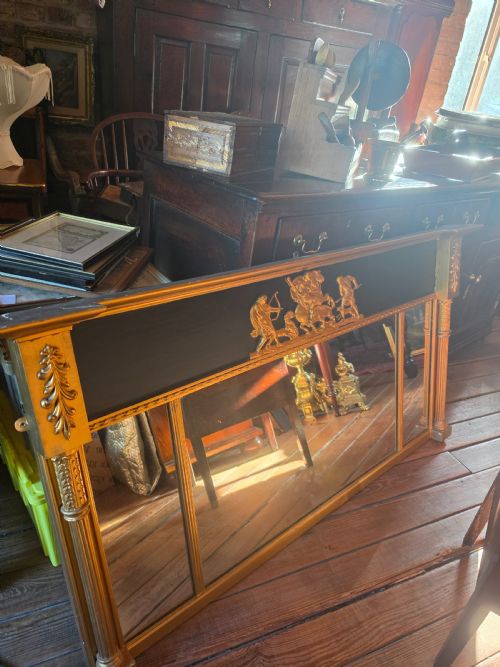
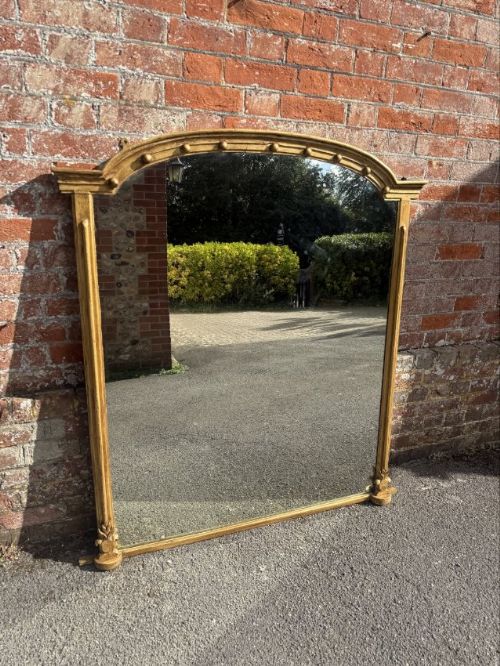
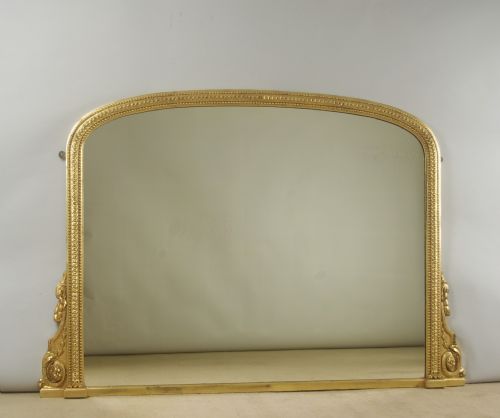
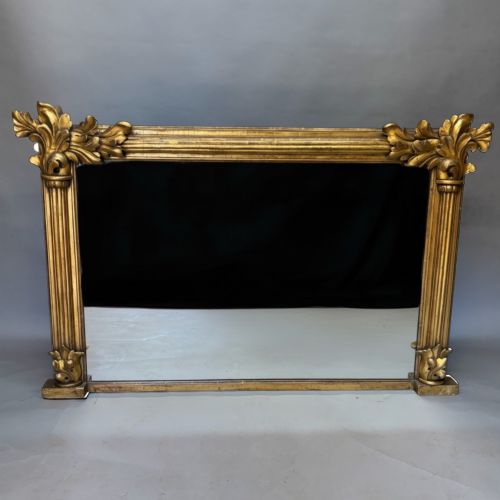
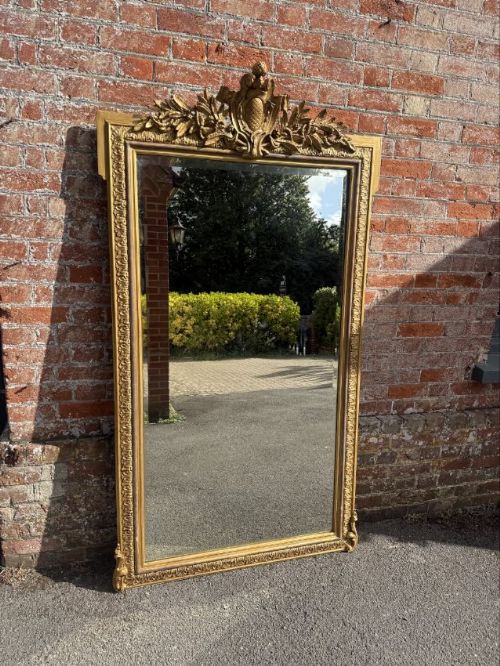
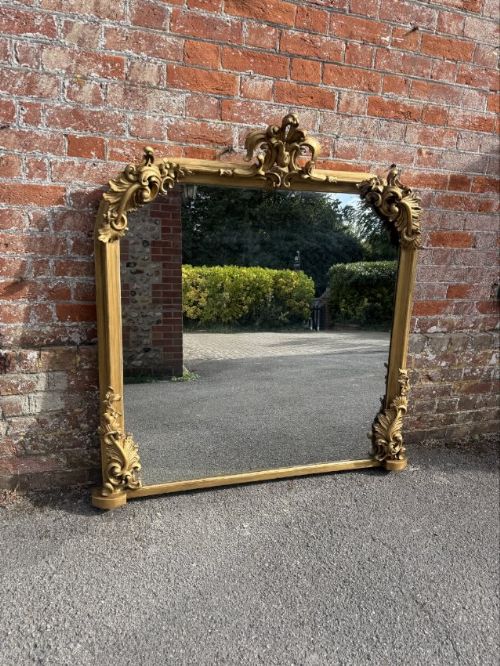
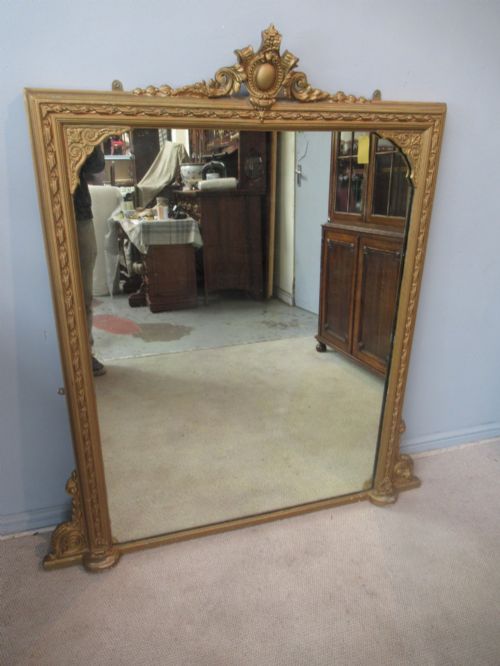
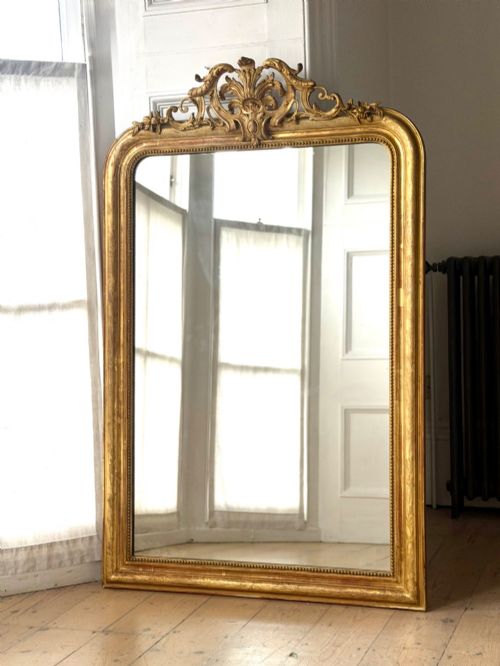
When searching for a large carved gold mirror, buyers encounter grand focal pieces designed to anchor a room, most frequently appearing as nineteenth-century overmantel or wall mirrors from English and French workshops.
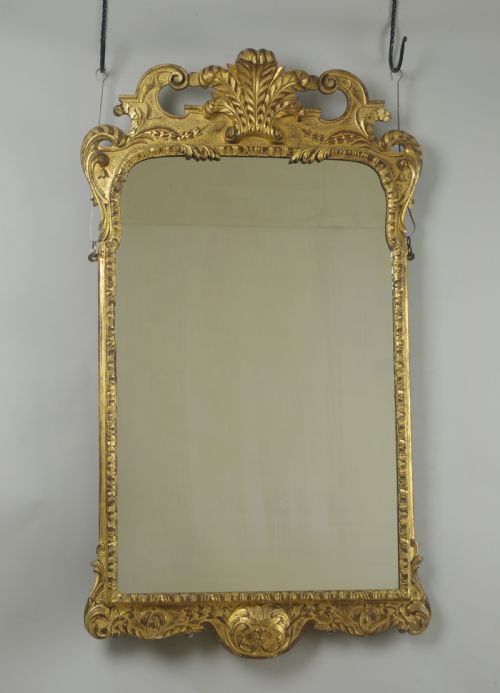
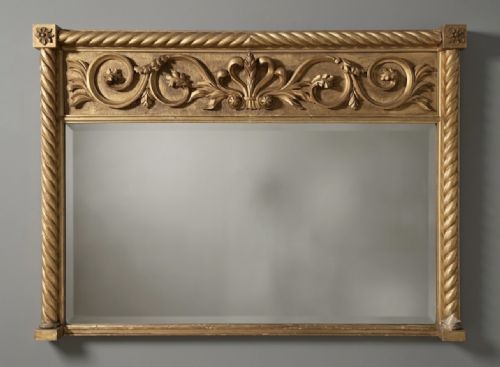
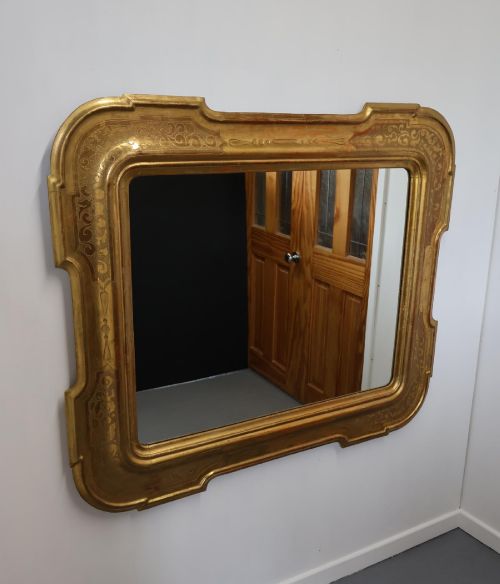
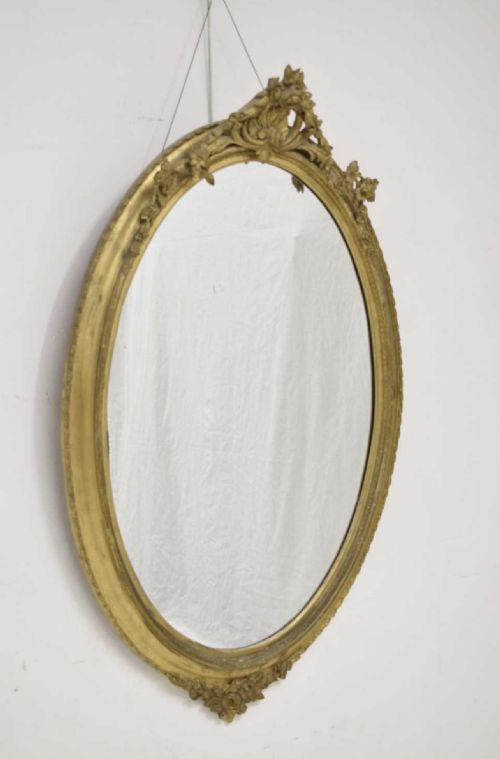
These items manifest in various historical styles, including Rococo Revival, Louis Philippe, Regency, and Florentine, often taking arched, rectangular, oval, or pier shapes.
The selection ranges from robust English carved wood and gesso overmantle frames to taller French chateau leaner mirrors and ornate giltwood wall pieces.
Materials and construction techniques
Frames are constructed from carved timber, wood, or composition materials, frequently built up with layers of gesso to provide a smooth base for gilding.
Giltwood and gold leaf finishes are applied over these prepared surfaces, sometimes paired with painted wood or silver-gilt accents.
Mirror glass, including period mercury glass in older examples, is fitted behind heavy frames shaped with rope twist, ribbed, or deeply carved ornamentation.
Listings feature items spanning the eighteenth, nineteenth, and early twentieth centuries, utilising giltwood, gesso, and mirror glass.
Assessing quality in frames and glass
Quality separates pieces by the depth and crispness of the hand-carved woodwork, where sharper detailing in the foliage, scrolls, and crests denotes superior craftsmanship over cast composition substitutes.
The application of gold leaf versus modern metallic paint dictates the richness of the surface finish and how the frame ages over time.
The preservation of the original mirror glass and the structural integrity of the heavy wooden backing boards further distinguish high-grade examples.
The Large Carved Gold Mirror Glossary
- Giltwood
- Wood that has been prepared and coated with a thin layer of gold leaf or gold paint. This finish creates the characteristic bright reflective surface seen on period frames.
- Gesso
- A plaster-like mixture applied to wood frames to create a smooth surface for carving details and adhering gold leaf. It allows for intricate relief ornamentation.
- Overmantel mirror
- A large mirror specifically designed to hang on the wall above a fireplace mantel. These pieces are often wide and low to match the proportions of the hearth.
- Pier mirror
- A tall, narrow mirror traditionally hung on the pier, the solid wall space between two windows. They often reflect additional light back into the room.
- Mercury glass
- An early type of double-walled glass blown with a silvering mixture inside. It produces a mottled, dark reflection characteristic of older mirrors.
Large Carved Gold Mirror: Frequently Asked Questions
Where should I hang a large overmantel mirror?
These pieces traditionally sit directly above a fireplace mantel to draw the eye upward and reflect natural light across the room. They also function effectively on main reception room walls as standalone statement pieces.
Ensure the wall structure and fixings can support the substantial weight of carved wood, gesso, and glass. Professional installation is recommended for very heavy pieces.
How do I identify a nineteenth-century gilt mirror?
Examine the construction of the frame and the backing boards, looking for hand-carved wooden elements beneath the gesso layer rather than modern synthetic resins. Period pieces often exhibit minor losses to the gilding and craquelure in the surface finish.
The style of the frame, such as Louis Philippe or Rococo Revival, alongside the presence of original mercury glass, helps confirm the era.
Can these mirrors be used as leaner mirrors?
Certain large formats, particularly tall French chateau designs, are built to stand directly on the floor and lean against the wall. This placement creates a relaxed yet grand architectural effect.
When using a heavy frame as a leaner mirror, secure the top to the wall with appropriate brackets to prevent accidental tipping.
How do I clean and maintain giltwood frames?
Dust the carved details gently with a soft, dry brush or feather duster to remove loose particles without disturbing the delicate gold leaf surface. Avoid using liquid cleaners, polishes, or abrasive cloths on the gilded areas.
Keep the mirror away from direct sources of heat and damp environments to protect the underlying gesso and wood from cracking or warping.