
Antique Oriental Stand
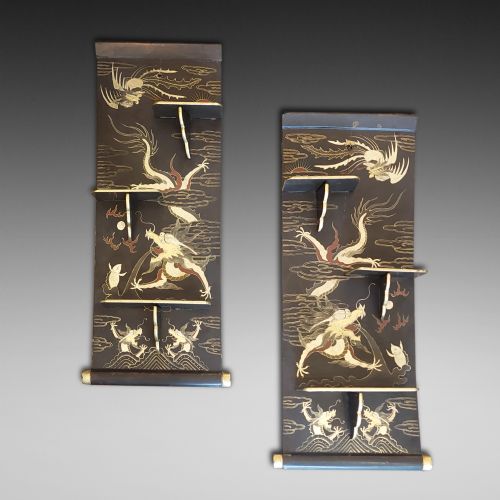
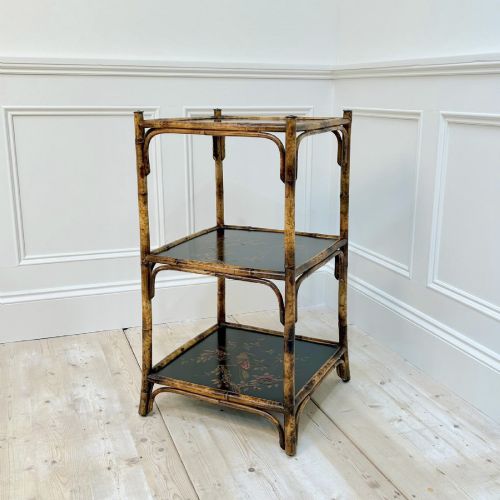
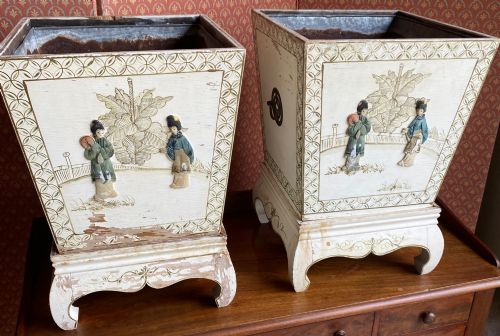
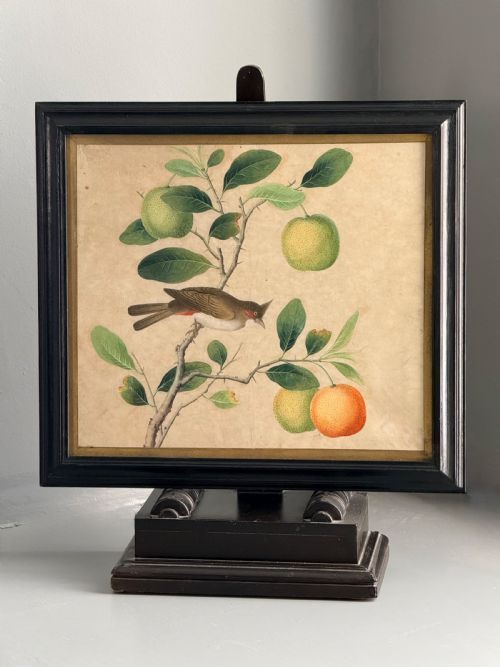
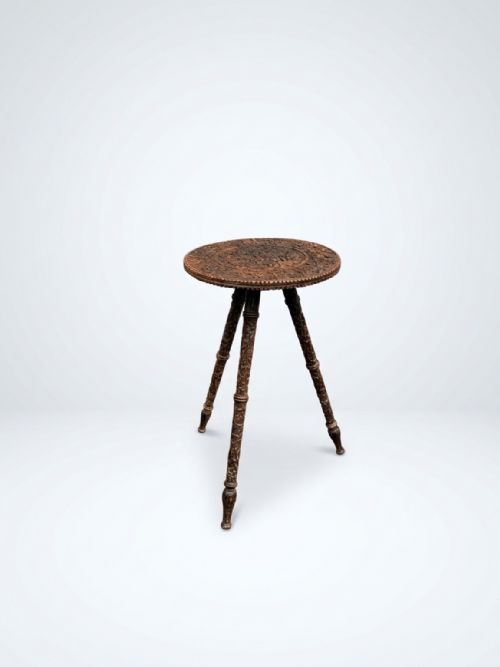
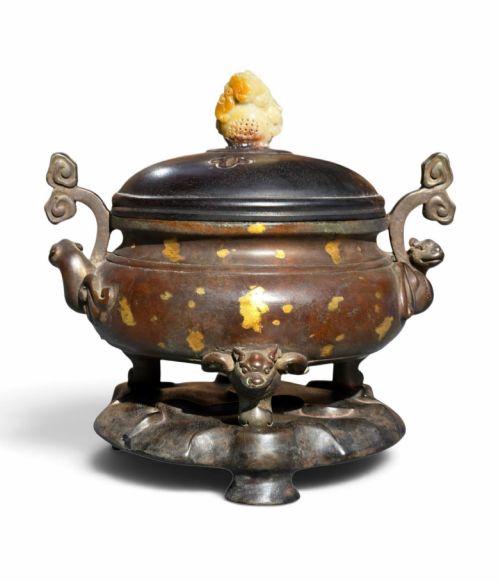
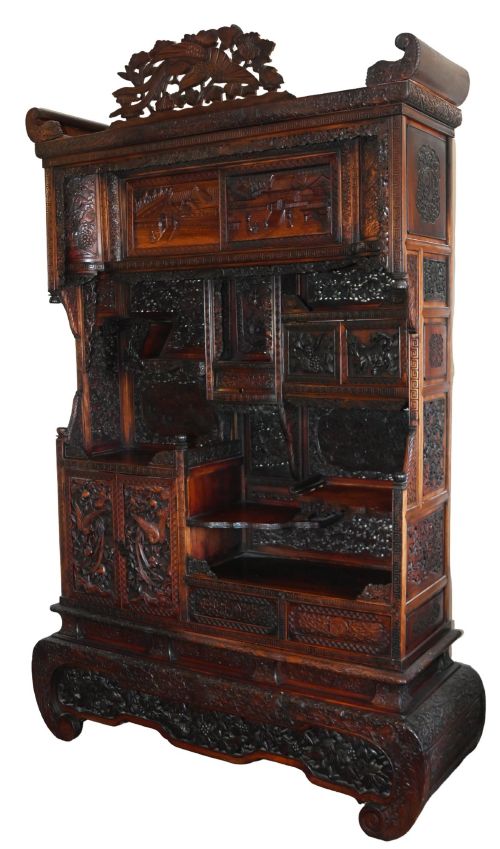
An antique oriental stand brings carved hardwood, bronze, and lacquer into a room, supporting vases, censers, and figures with traditional craftsmanship.
Antique Oriental Stand
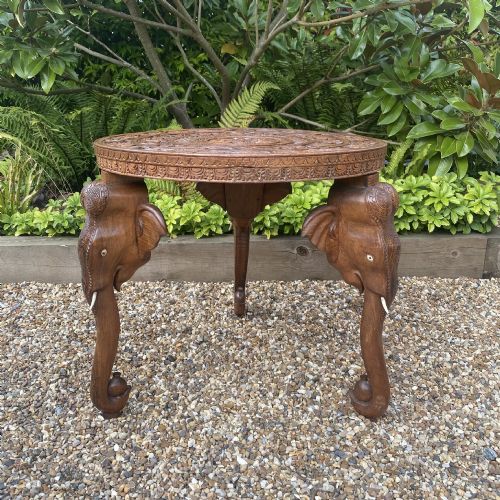
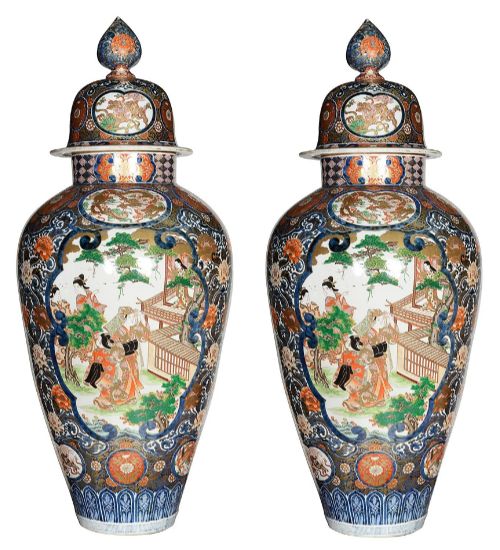
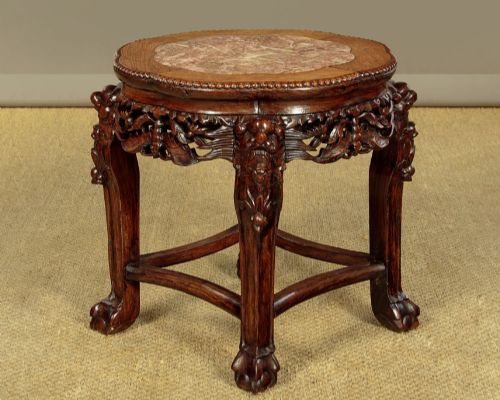
When you search for an antique oriental stand, you encounter low tables, plant stands, and fitted bases designed to elevate decorative objects. The pieces span centuries from the seventeenth to the twentieth, reflecting diverse traditions across China, Japan, India, and Burma.
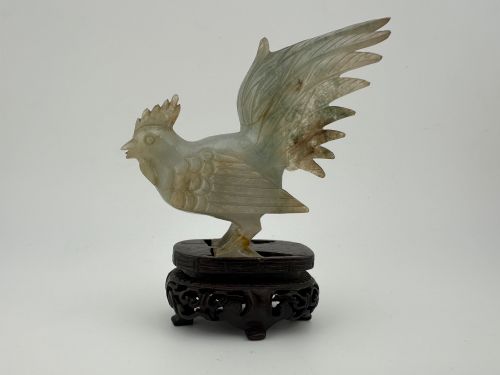
Makers and workshops utilised regional timbers and decorative finishes, producing items shaped by Qing Dynasty, Meiji Period, and Chinoiserie aesthetics. Buyers find both standalone furniture and integrated wooden mounts created specifically for individual sculptures or vases.
Judging Quality
Quality rests in the precision of the carving and the selection of the timber, where dense grain and crisp relief work distinguish finer examples. Superior stands show careful matching between the supporting base and the object it holds.
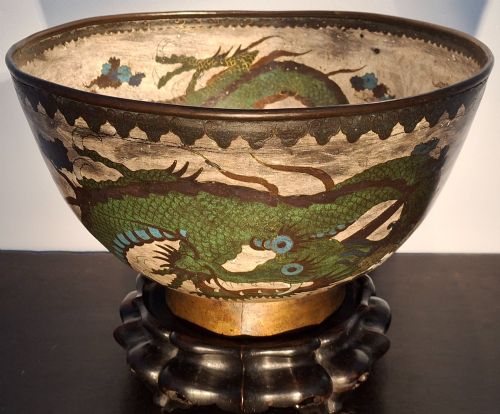
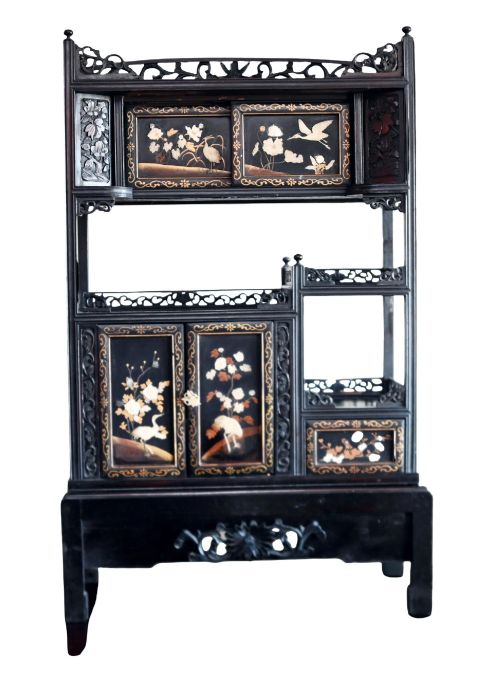
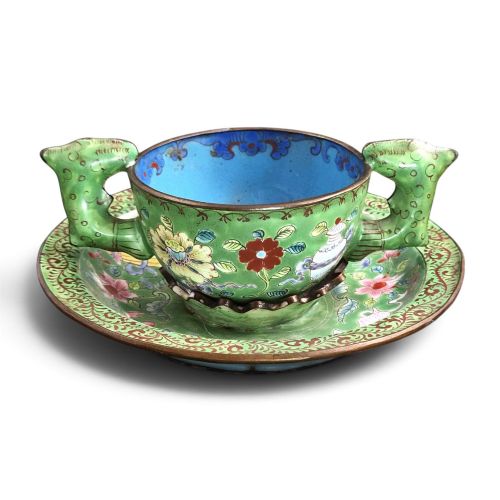
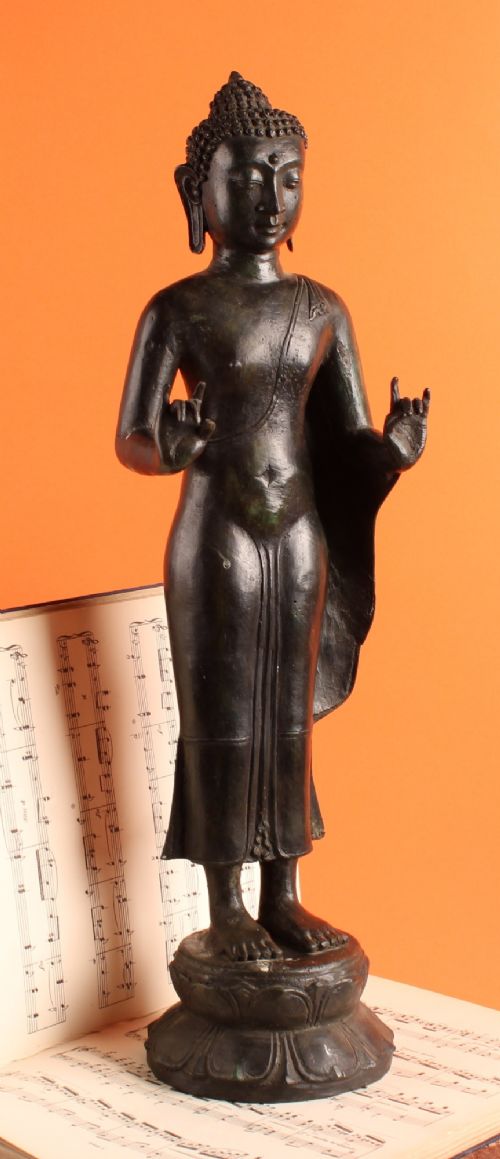
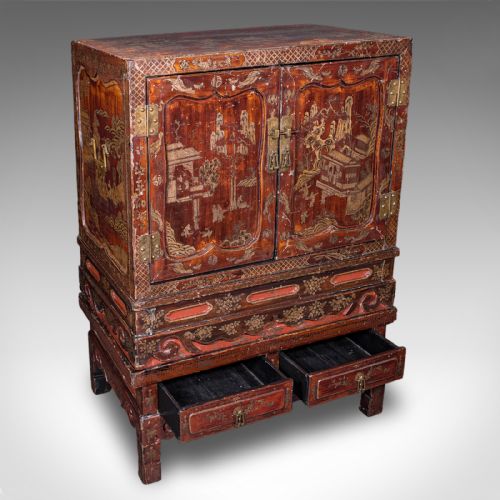
In lacquered and inlaid pieces, the depth of the finish and the security of mother-of-pearl or silver wire indicate the maker's skill. Finer bronze and cloisonne items demonstrate heavier weight, controlled patination, and intricate detail in handles and mounts.
Listings span the seventeenth to the twentieth century, incorporating hardwoods, bronze, marble, and lacquer.
Gabriel Viardot
The Antique Oriental Stand Glossary
- Hardwood
- Dense timber such as rosewood or Zitan used for structural stability and fine carved detail.
- Censer
- A ritual vessel designed for burning incense, frequently supplied with a matching carved stand.
- Chinoiserie
- European decorative style imitating Chinese artistic motifs and lacquer techniques.
- Meiji Period
- Era of Japanese history spanning from eighteen sixty-eight to nineteen twelve noted for skilled metalwork and carving.
- Cloisonne
- Enamelwork technique where thin metal wires form compartments holding coloured paste before firing.
Antique Oriental Stand: Frequently Asked Questions
What is an oriental plant stand used for?
These low tables and stands were traditionally positioned in scholar's studios or reception rooms to elevate heavy porcelain vessels, bronze censers, or potted plants.
They serve the same decorative purpose today, lifting statement pieces off the floor and highlighting fine details.
How do I identify Chinese Qing Dynasty stands?
Qing Dynasty items typically feature dense hardwood construction, deep hand-carving with floral or auspicious motifs, and fitted tops designed for specific vases or stone carvings.
Examining the joinery and the natural ageing of the wood helps confirm the period.
How should I clean a lacquered stand?
Lacquered surfaces require gentle dusting with a soft, dry cloth to prevent scratching the delicate finish and underlying decorative layers.
Avoid chemical polishes and moisture, which can degrade old lacquer and mother-of-pearl inlay over time.