


Antique Oriental Sideboard
An antique oriental sideboard brings heavy elm, rich lacquer, and centuries of cabinet-making skill straight into a modern dining room.
Antique Oriental Sideboard
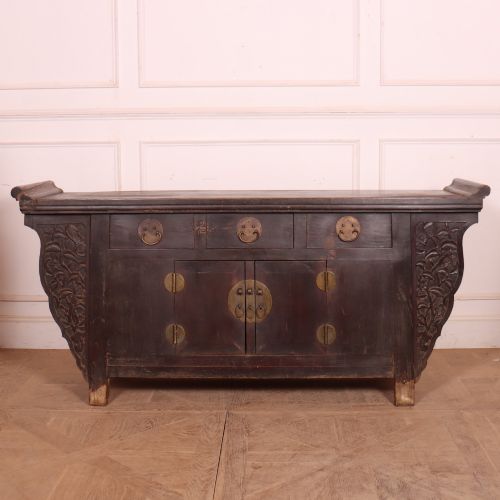
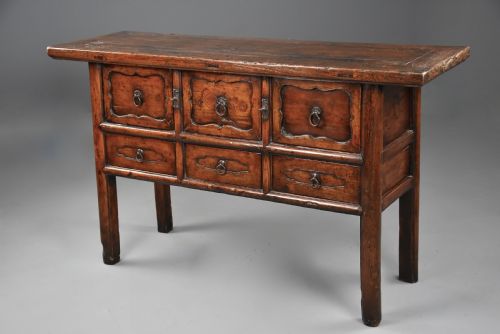
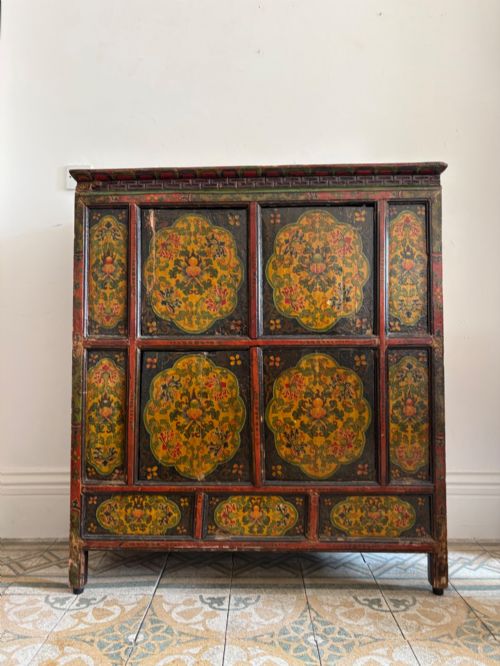
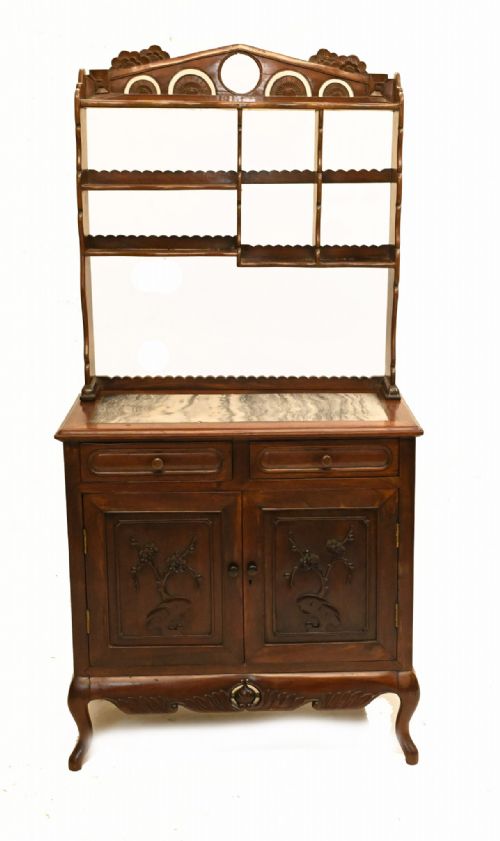
An antique oriental sideboard encompasses low storage cabinets, console tables, and provincial dressers originating from China, Japan, Tibet, and Korea. These items span the nineteenth century and the early decades of the twentieth century, reflecting diverse regional furniture traditions.
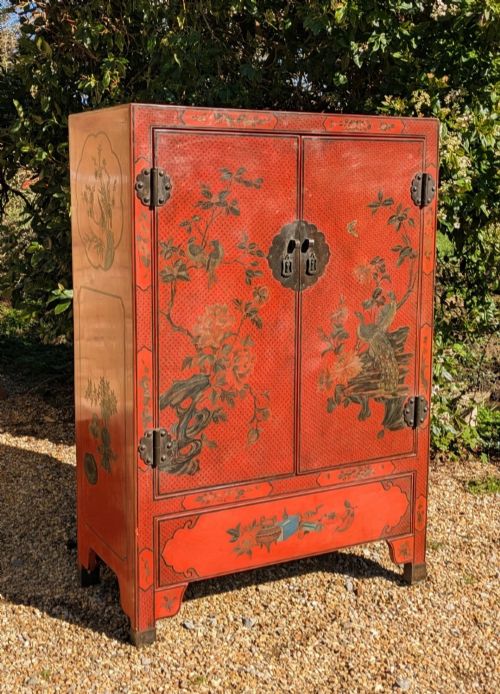
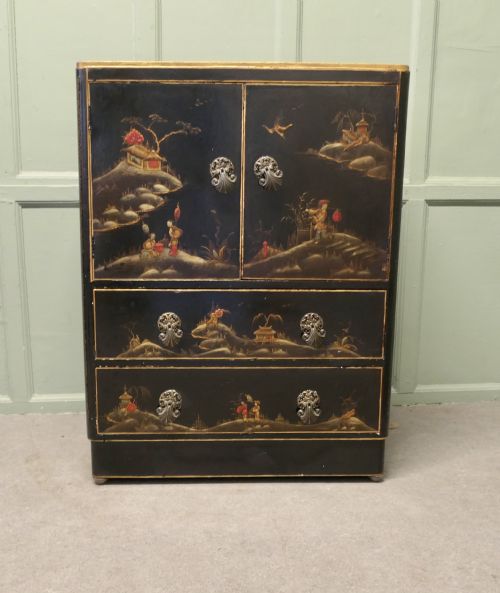
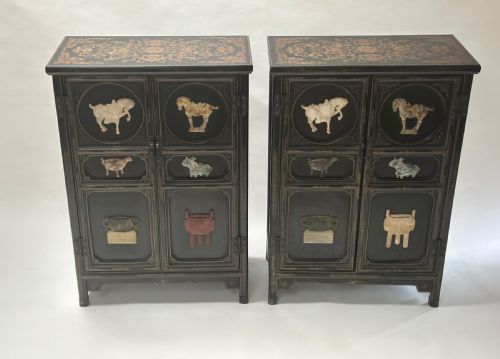
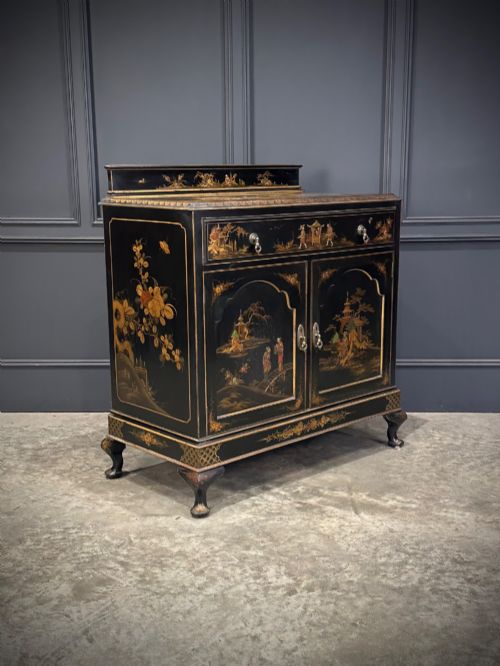
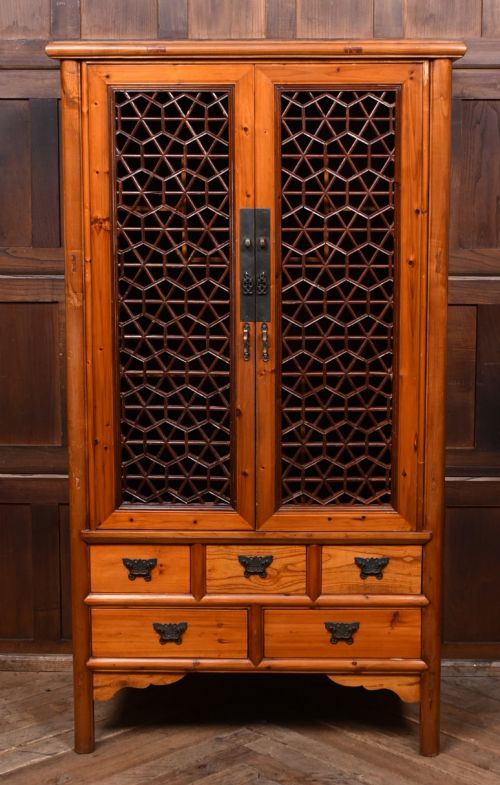
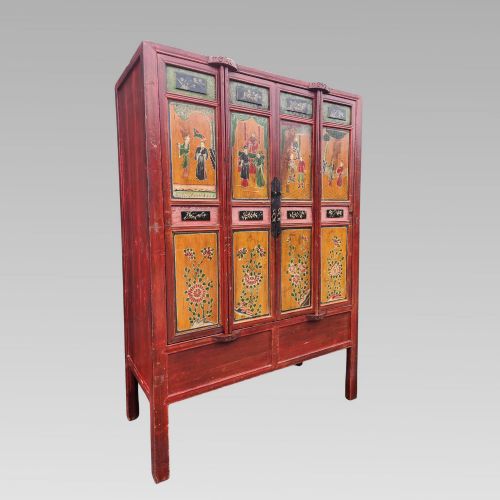
Buyers will frequently encounter Chinese elm sideboards and lacquered cabinets bearing Chinoiserie decoration or traditional Qing Dynasty styling. These foundational forms serve practical storage needs while anchoring a room with distinct historic character.
How they were made
Cabinet makers built these pieces using dense regional timbers such as Chinese elm, teak, padauk, and assorted hardwoods. Traditional joinery techniques allowed frames to expand and contract with humidity without relying on metal nails.
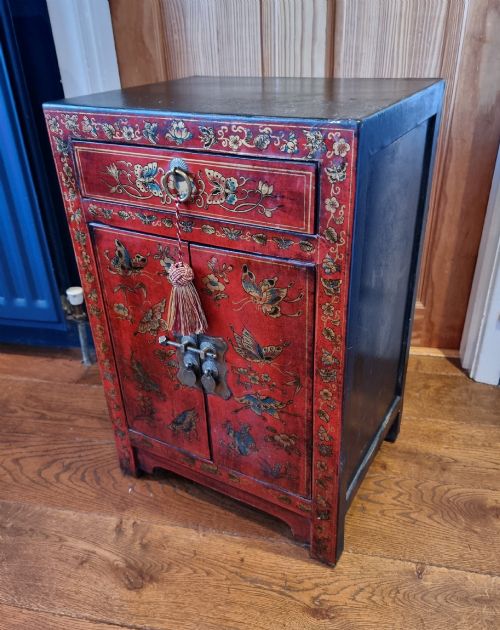
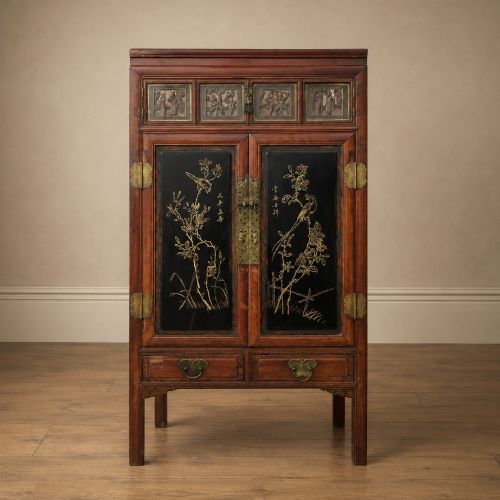
Surfaces received multiple coats of lacquer, often in red or black, sometimes heightened with gilt work, hand-painted floral motifs, or carved relief panels. Brass and iron hardware provided functional hinges and heavy lockplates.
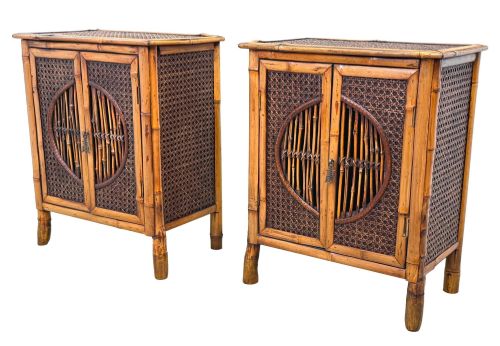
Listings feature woods like elm, teak, and padauk alongside brass and iron hardware.
What varies in quality
Quality rests in the depth of the timber's grain, the crispness of hand-carved elements, and the preservation of original lacquered surfaces. Pieces showing subtle wear on hand-painted bird and flower motifs often retain greater historic integrity than heavily restored examples.
Structural honesty dictates the hierarchy, where native joinery remains tight and original brass or iron hardware is intact. The harmony of proportions between the stand and the upper cabinet separates provincial utility work from finer artistic commissions.
Gabriel Viardot
The Antique Oriental Sideboard Glossary
- Chinoiserie
- European decorative style reflecting Chinese artistic influences, frequently seen in black and red lacquered cabinets decorated with figures and landscapes. This aesthetic gained immense popularity during the Victorian and Edwardian periods.
- Elm
- A resilient hardwood utilised extensively for Chinese provincial sideboards and tables. Its fibrous grain takes a fine patina over decades of domestic use.
- Padauk
- A heavy, dense tropical hardwood prized for its rich colour and durability. Cabinet makers utilised this timber for substantial sideboards and cabinets during the nineteenth century.
- Mizuya
- A traditional Japanese kitchen larder cupboard designed with sliding panels and multiple internal drawers. These functional storage units reflect domestic organisation in Meiji period households.
- Japanned
- European imitation of Japanese and Chinese lacquerwork achieved through layered varnishes and metallic dust. This finish appears on numerous side cabinets from the early twentieth century.
Antique Oriental Sideboard: Frequently Asked Questions
What rooms suit an antique oriental sideboard?
These low cabinets and console tables fit naturally into dining rooms for tableware storage or hallways as statement surfaces. Their varied widths accommodate diverse spatial requirements.
The deep tones of red and black lacquer or native elm provide a striking contrast against neutral modern walls.
How do I care for lacquered wood?
Lacquered surfaces require gentle dusting with a dry, soft cloth to protect the delicate hand-painted decoration beneath. Avoid placing these pieces in direct sunlight or near heat sources to prevent cracking.
Maintaining stable indoor humidity preserves both the timber substrate and the historic finish.
What is the difference between a sideboard and a larder cupboard?
Sideboards are generally lower, wider storage units designed for serving and displaying objects in living areas. Larder cupboards stand taller with internal shelving or numerous drawers intended for provisions.
Both forms utilise traditional Asian hardwoods and regional joinery methods.
Are these pieces made of solid wood?
Traditional construction relies entirely on solid regional timbers such as elm, teak, and padauk. Joinery is executed through interlocking wooden joints rather than modern adhesives.
This solid construction accounts for the considerable weight and longevity of these items.
How can I tell a Qing Dynasty piece from a later one?
Qing Dynasty items often display deeper hand-carving, traditional regional joinery, and patinated lacquers developed over generations of use. Later twentieth-century interpretations frequently employ simplified decoration and lighter hardware.
Examining the interior timber and backboards reveals the age of the construction.