


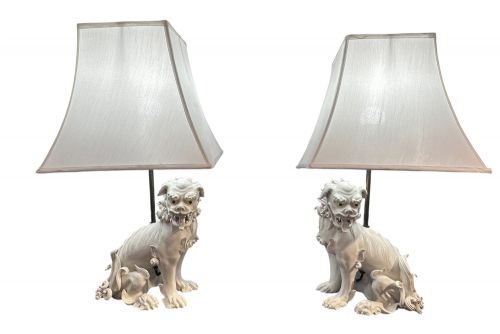


Antique Oriental Porcelain Dog
These antique oriental porcelain dog figures and guardian lions bring centuries of East Asian craftsmanship into the home.
Antique Oriental Porcelain Dog
An antique oriental porcelain dog usually takes the form of a traditional guardian lion, shishi, or foo dog modelled in ceramic or porcelain. These sculptural forms draw on long histories of Chinese and Japanese pottery traditions, ranging from utilitarian vessels bearing Buddhistic lion motifs to freestanding decorative figures.
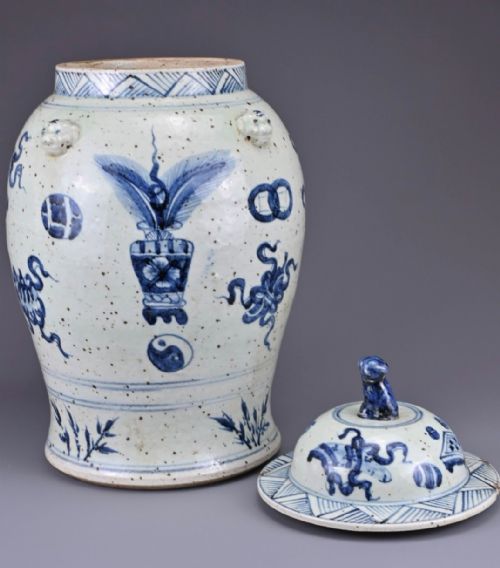
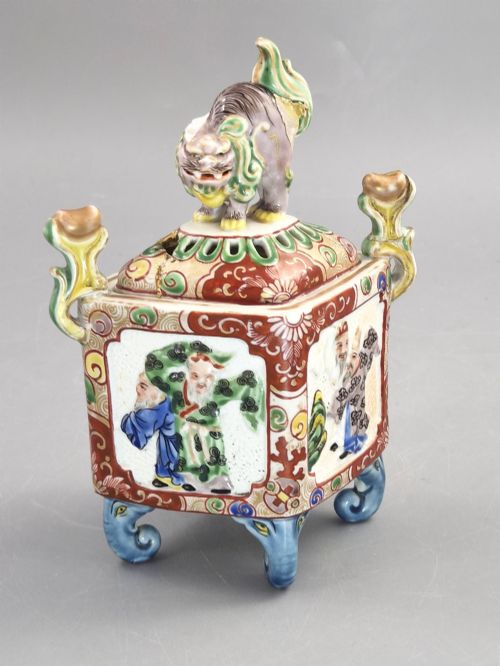
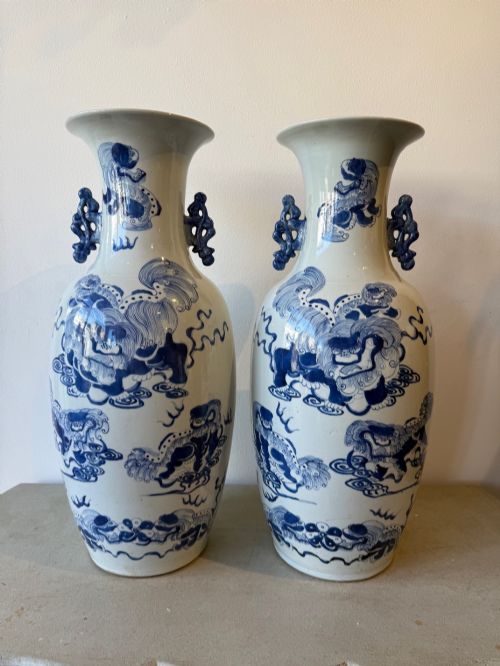
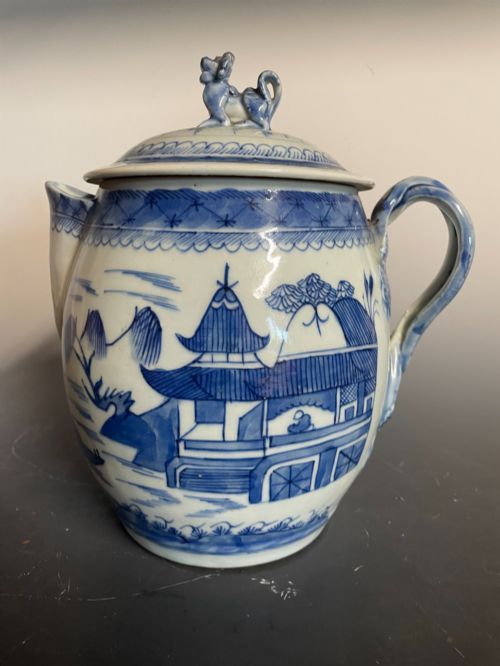
Buyers will encounter these guardian figures rendered in several distinct regional styles across this page. Chinese pieces span Qing dynasty blue and white, polychrome enamelled figures, and blanc de chine, while Japanese examples include Kutani and Hirado wares from the Meiji period and earlier eras.
How they were made
Potters shaped these porcelain and ceramic figures by hand or in moulds before applying mineral pigments and glazes. Artisans utilised cobalt glaze for underglaze blue designs, whilst polychrome pieces received intricate surface enamels often accented with gilding or gold leaf.
Kiln firing methods varied from traditional wood-burning dragon kilns to more controlled chambers. The resulting glaze surfaces range from bright cobalt and iron red enamels to subtle pale green celadon tones and unglazed white porcelain bodies.
Listings feature porcelain, ceramic, enamel, and gold leaf across the 19th and early 20th centuries.
What varies in quality
The sophistication of the modelling distinguishes standard production figures from superior artistic works. Master modellers rendered the musculature, facial expressions, and swirling manes of guardian lions with intense vitality and anatomical precision.
Enamel application and glaze control also determine the tier of a piece. Finer examples display cleanly delineated brushwork, evenly fired colours without discolouration, and crisp details in the gilding that remain sharp under close examination.
The Antique Oriental Porcelain Dog Glossary
- Foo Dog
- A traditional guardian lion figure derived from Buddhist iconography, commonly placed at temple gates and later adapted for domestic ceramic ornament.
- Imari
- A style of Japanese export porcelain characterised by a distinctive palette of underglaze blue, iron red, and gilt highlights.
- Kutani
- Japanese coloured porcelain originating from the Ishikawa prefecture, known for bold enamel work and figurative or floral motifs.
- Blanc de Chine
- White porcelain produced in Dehua, China, featuring a smooth milky glaze that fuses completely with the underlying body.
- Celadon
- A term for pottery denoting both wares glazed in jade green and the distinctive translucent green glaze itself.
Antique Oriental Porcelain Dog: Frequently Asked Questions
What is a foo dog?
A foo dog is actually a representation of a Chinese guardian lion rather than a canine. These mythical creatures served as protective symbols placed outside palaces, temples, and homes.
Over centuries, the motif transitioned into smaller ceramic and porcelain table figures exported to the West.
How do I date an antique porcelain dog?
Dating relies on examining the ceramic body, glaze characteristics, and base markers. Earlier pieces often display distinct potting traits and pigment formulations typical of specific dynastic periods or Meiji eras.
Comparing the painting style and baseline wear helps establish the approximate decade or century of manufacture.
Where should I display these figures?
These sculptural figures suit prominent surfaces such as mantelpieces, sideboards, or dedicated display cabinets where their forms can be appreciated. Historically, pairs were positioned to flank an entrance or focal point.
Keeping them away from direct sunlight preserves the vibrant surface enamels and any applied gold leaf.
What is the difference between Chinese and Japanese figures?
Chinese guardian lions often emphasise solemn dignity through monochrome glazes or traditional blue and white painting. Japanese equivalents, such as Kutani or Hirado wares, frequently utilise brighter polychrome enamels and highly expressive, dynamic postures.
Both traditions draw on shared Buddhist symbolism while maintaining distinct regional aesthetics.