



Antique Chinese Ceramic Lions
These antique chinese ceramic lions stand as fierce guardians of domestic space, cast in porcelain, stoneware, and earthenware.
Antique Chinese Ceramic Lions
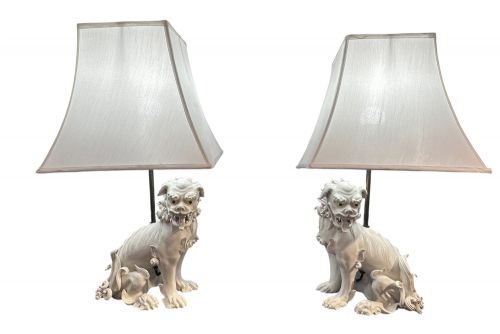
Antique chinese ceramic lions appear in various forms across this selection, including decorative figures, vases, jardinieres, and table lamps. These sculptural pieces draw upon traditions spanning the Ming Dynasty, Qing Dynasty, and Late Qing Dynasty, alongside Japanese Meiji Period examples.
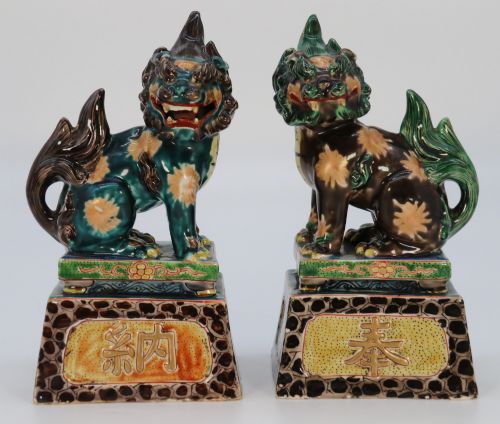
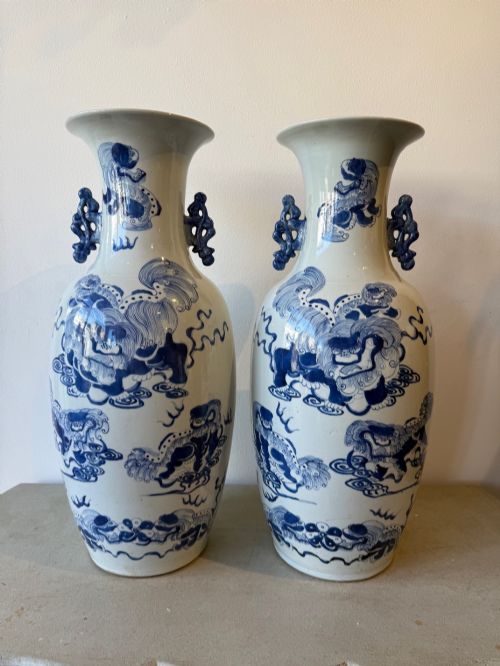
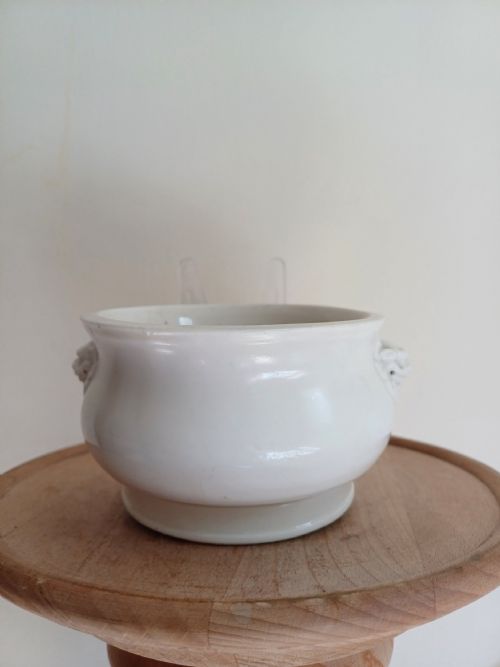
Buyers will most frequently meet pairs of Shi Lion or Dog of Foo figures fashioned from porcelain or pottery. The range extends from blue and white vases and small jars to blanc de chine censers and pale green glazed porcelain.
Dating across these listings stretches from the mid-seventeenth century through the nineteenth century and into the early twentieth century. Forms take shape as Buddhistic lion dogs intended for protective and decorative display.
How they were made
Makers shaped these ceramic lions from porcelain, stoneware, and earthenware, applying specialised glazes such as cobalt glaze, turquoise glaze, and enamel over the body. Methods encompass blue and white painting, polychrome enamelling with iron red and green, and monochrome blanc de chine finishes.
Materials across these listings include porcelain, ceramic, stoneware, earthenware, cobalt glaze, and enamel.
What varies in quality
The sophistication of the enamel work and the purity of the blanc de chine body separate standard decorative items from superior sculptural works. Age also informs the standing of a piece, with seventeenth-century transitional wares showing distinct characteristics compared to twentieth-century interpretations.
The Antique Chinese Ceramic Lions Glossary
- Foo Dog
- A traditional guardian lion derived from Buddhist iconography, commonly paired to protect thresholds. These figures are also known as Shi Lions or Buddhistic lion dogs.
- Blanc de Chine
- A type of white porcelain originating from Dehua in China, noted for its milky ivory glaze and smooth body. This material is frequently found on seventeenth and twentieth-century figures and censers.
- Jardiniere
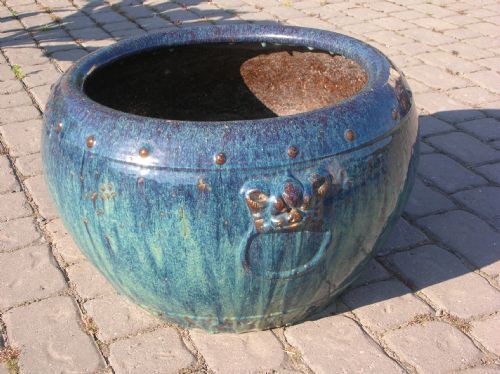
- A large ornamental pot or planter designed to hold growing plants or flowers. Examples in this field feature glazed ceramic bodies decorated with lion motifs.
- Wucai
- A style of Chinese porcelain decoration utilising five colours, typically combining underglaze blue with overglaze enamels such as iron red and green. This technique appears on mid-seventeenth-century jars.
- Meiji Period
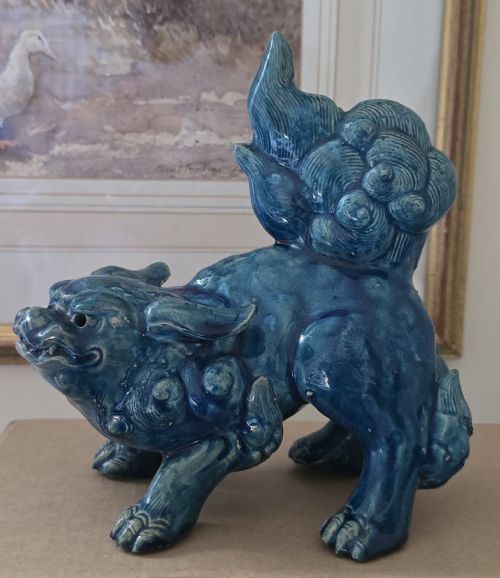
- A Japanese era lasting from 1869 to 1912, represented here by turquoise-glazed Shishi figures. Works from this time reflect distinct regional glazing traditions.
Antique Chinese Ceramic Lions: Frequently Asked Questions
What is the difference between a Foo Dog and a Shi Lion?
These terms describe the same guardian figure rooted in Buddhist tradition, representing mythical lions rather than actual dogs. Regional preferences and translation habits dictate which name appears in a listing.
Both designations refer to the same protective statuary found guarding temples, homes, and domestic interiors across various dynasties.
How do I know if my lion is from the Ming or Qing Dynasty?
Distinguishing between dynasties relies on stylistic markers, glaze composition, and the handling of the clay body. Ming pieces and seventeenth-century transitional works exhibit different palette choices compared to later nineteenth-century manufacturing.
Examining the base and the interaction of the glaze provides further clues to the period of manufacture.
Where were these ceramic lions placed in a home?
Historically, guardian lions sat in pairs near entrances or upon mantelpieces to ward off negative energy and protect the household. Smaller versions functioned as decorative objects, table lamp bases, or components of larger assemblages.
Jardinieres and censers served functional roles while incorporating sculptural lion elements into their design.
Why are some lions glazed in turquoise or pale green?
Colour variations stem from specific metallic oxides added to the glaze before firing in the kiln. Turquoise glazes are typical of Japanese Meiji Period production, while pale green or celadon tones align with Chinese Qing Dynasty aesthetics.
Each glaze type produces a distinct surface texture and colour depth depending on the firing temperature.