


Vintage Chinese Porcelain Figure
These vintage chinese porcelain figure pieces bring distinct character and historical depth to a room.
Vintage Chinese Porcelain Figure
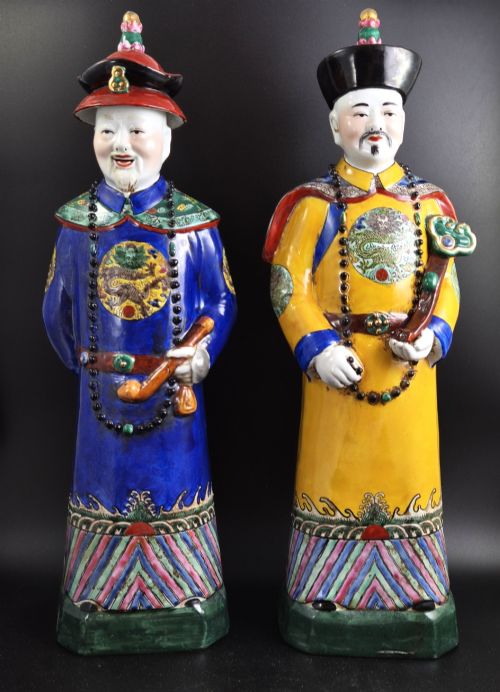
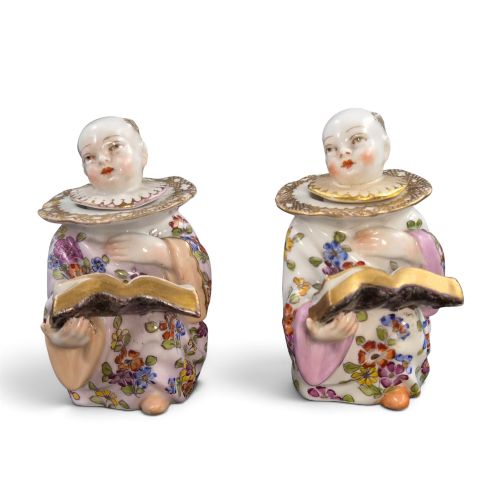
A vintage chinese porcelain figure encompasses various decorative sculptures and figural objects originating from different eras including the nineteenth century and the early twentieth century. Buyers seeking a vintage chinese porcelain figure typically encounter forms such as immortals, animals, emperors, and singing boys.
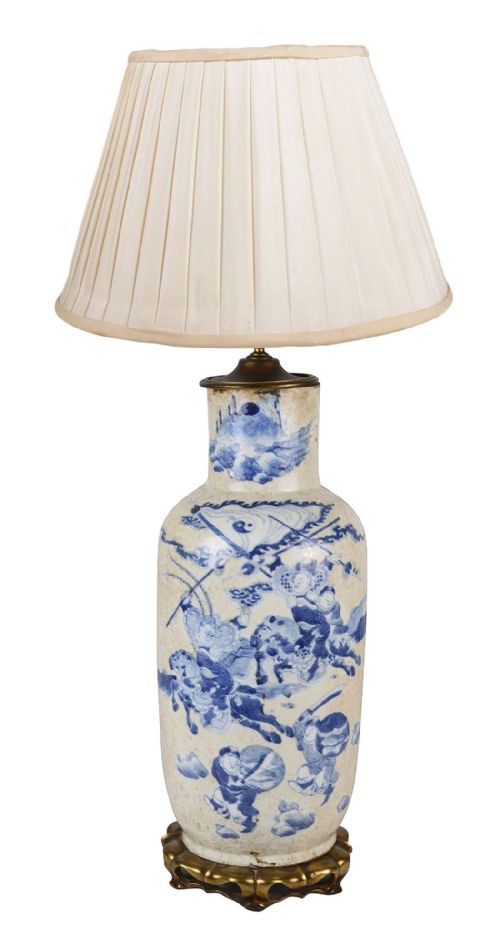
The objects on this page reflect diverse regional aesthetics and production methods, spanning Qing dynasty pieces to Chinese Republican period items. These sculptural works often serve both ornamental and functional roles, appearing as standalone figures, inkwells, snuff bottles, or integrated into table lamps.
Materials and construction
Makers utilised porcelain as the primary base material, often applying coloured glazes, enamel, and gold leaf to articulate fine details. Certain pieces combine ceramic bodies with additional elements like brass mounts, fabric shades, and jade.
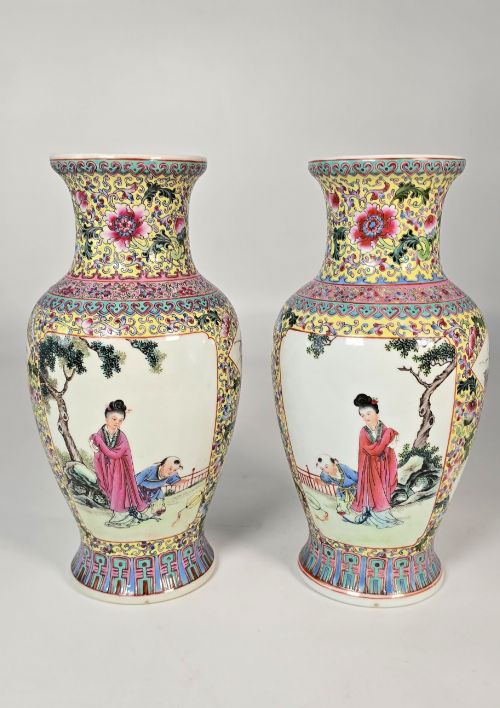
Techniques range from traditional hand-finishing and detailed enamel painting to specialised glazing processes, producing pale green, turquoise, and famille rose colour palettes across the various forms.
Listings feature porcelain figures and vessels spanning the nineteenth century through to the 1940s.
Judging the work
Quality in these figures rests on the precision of the modelling, the crispness of the painted enamel, and the subtlety of the glaze application. Superior examples demonstrate careful attention to facial expressions, hand posture, and surface decoration.
The integration of secondary materials, such as well-fitted brass components or balanced lamp conversions, also distinguishes finer pieces from simpler decorative objects.
Edmé Samson·Fujian Huiguan
The Vintage Chinese Porcelain Figure Glossary
- Famille rose
- A palette of opaque enamels dominated by pink or rose colours, introduced during the Qing dynasty. This technique allows for subtle shading and intricate floral or figural details.
- Foo dog
- A traditional guardian lion sculpture, commonly rendered in porcelain or pottery. These figures often appear in pairs guarding entrances or sacred spaces.
- Shiwan pottery
- A type of Chinese ceramic known for expressive modelling and thick, colourful glazes. Kilns in Shiwan produced lively figurative works and animals.
- Republic period
- The era of Chinese history following the fall of the Qing dynasty in 1912. Ceramics from this time often show innovative designs alongside traditional techniques.
- Qing dynasty
- The final imperial dynasty of China, lasting from 1644 until 1912. Pieces from this period exhibit diverse imperial and export styles.
Vintage Chinese Porcelain Figure: Frequently Asked Questions
How do I date a figure?
Dating relies on stylistic clues, glaze characteristics, and any accompanying marks or period attributions provided in the description. Comparing the baseline porcelain body and enamel palette to established eras helps narrow the timeframe.
Changes in manufacturing techniques across the nineteenth and twentieth centuries also offer clear indicators of age and origin.
Were these figures always lamps?
Many figures and vases were originally created as standalone decorative sculptures or vessels before being converted into lamps at a later date. This was a common practice for adapting antique objects to modern interiors.
Wiring and mountings are often twentieth-century additions applied to earlier porcelain bodies.
How should I clean porcelain?
Dusting gently with a soft, dry cloth is the safest method for maintaining delicate enamels and glazed surfaces. Avoid using harsh chemical cleaners or submerging pieces with applied metal or fabric parts.
Regular, careful maintenance preserves the integrity of the glaze and any subtle gold leaf details.
What is a figural inkwell?
A figural inkwell combines a practical writing accessory with a sculptural porcelain figure, such as a singing boy or animal. These items were popular desk ornaments during the nineteenth century.
The design conceals the ink reservoir within or beside the main sculptural form.