

Antique Oriental Lacquered Wood
These antique oriental lacquered wood pieces combine rich layered finishes with utilitarian forms to bring warmth and texture into an interior.
Antique Oriental Lacquered Wood
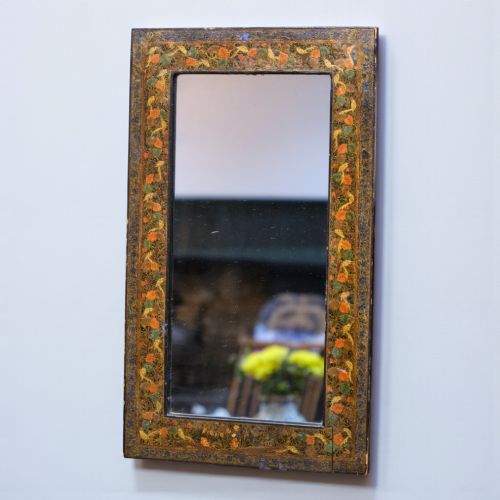
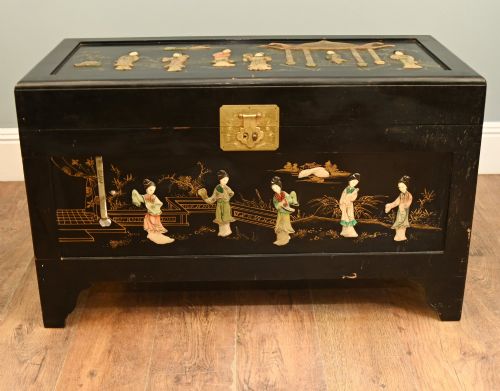
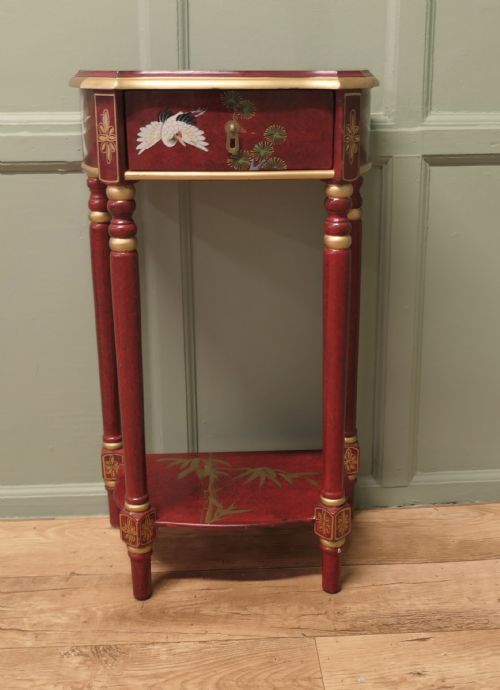
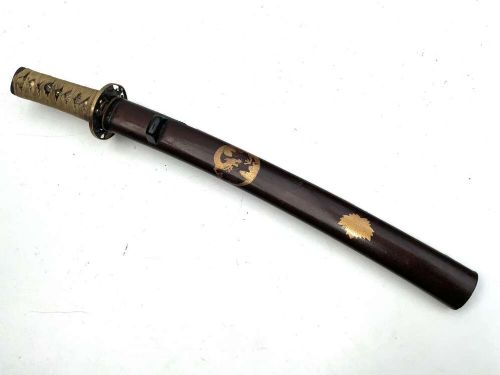
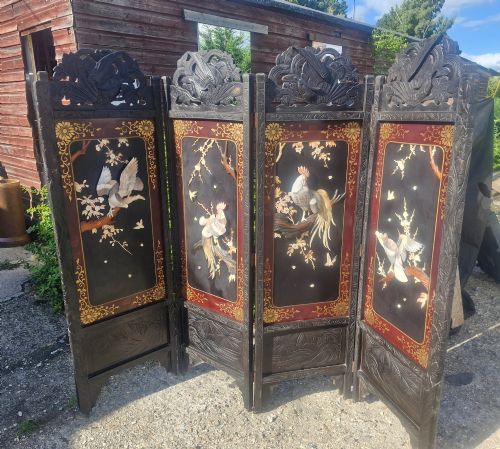
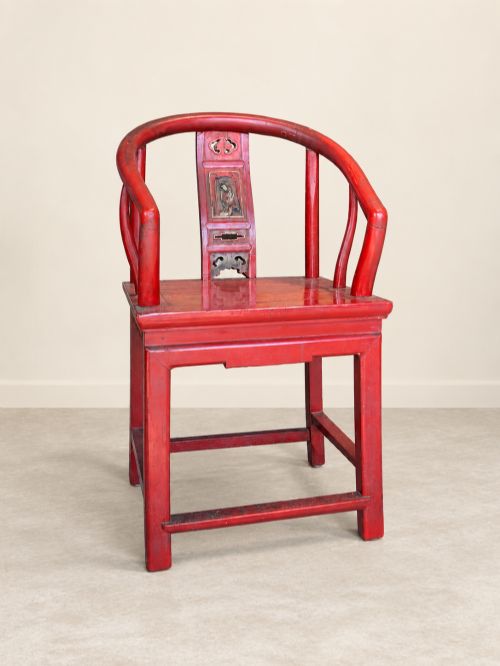
When searching for antique oriental lacquered wood, buyers encounter a diverse range of furniture and decorative objects originating from China, Japan, and India. These items span utility and display, encompassing storage chests, folding screens, wall mirrors, and seating.
The pieces appearing most frequently originate from the nineteenth and early twentieth centuries, incorporating traditional regional aesthetics such as Qing Dynasty designs and Meiji period craftsmanship. Forms vary from large marriage cabinets and apothecary chests to smaller jewellery boxes and table screens.
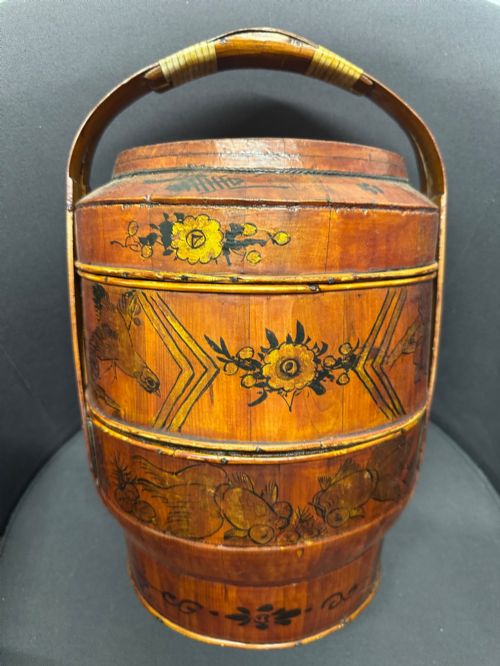
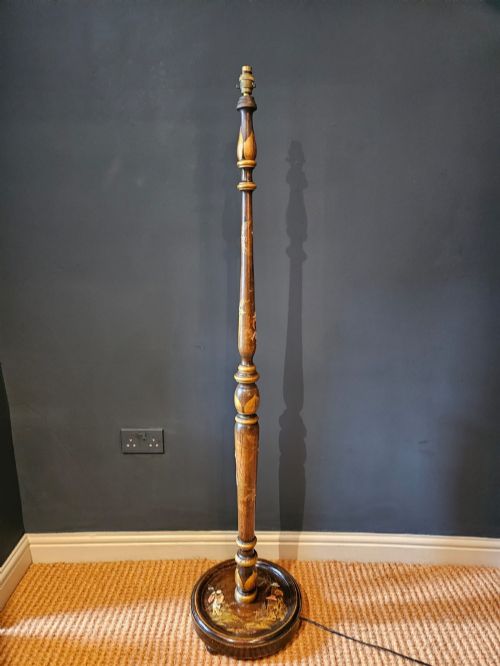
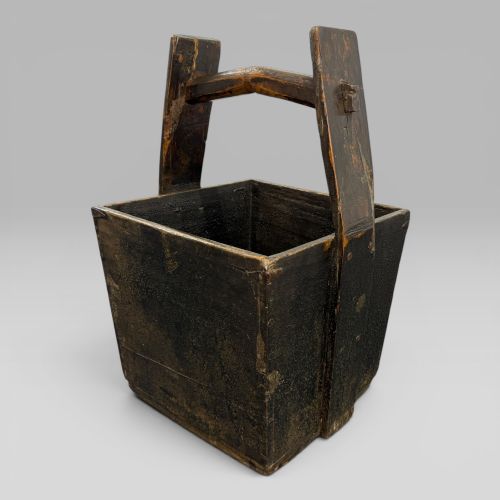
Domestic furnishings also include standard lamps and armchairs finished in decorative Chinoiserie styles, alongside utilitarian items like dowry baskets and harvest baskets fashioned from elm and hardwood.
How They Were Made
Construction relies heavily on native timbers such as elm and sturdy hardwoods, forming stable carcasses for the application of successive coats of natural tree sap lacquer. Artisans build up the surface painstakingly over weeks or months, creating a durable base that accepts pigments, gilding, and carved detail.
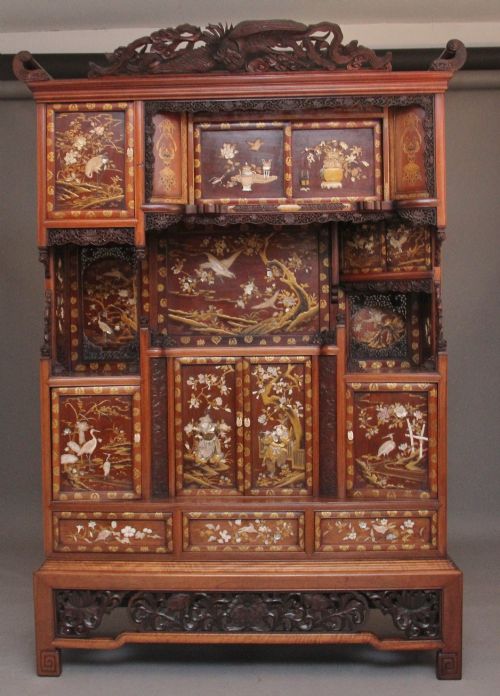
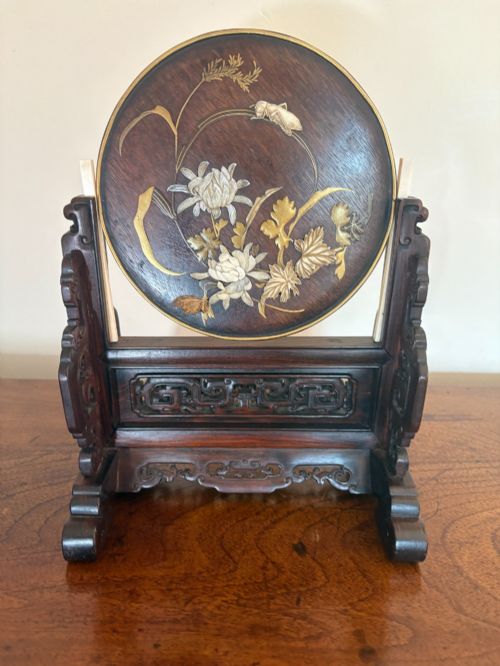
Decoration often incorporates gold leaf, polychrome paint, and deep relief carving, sometimes augmented by inlaid bone or brass fittings. Specialised techniques yield glossy red and black finishes, while specific regional workshops produce distinct pictorial scenes depicting outdoor landscapes and figures.
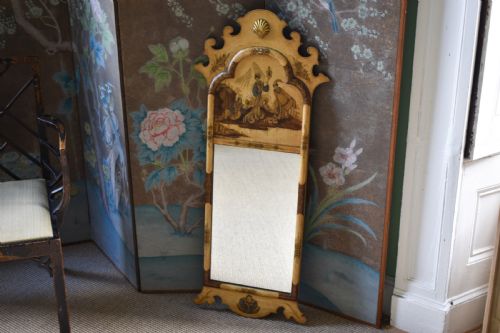
The selection includes functional forms such as folding screens, standard lamps, wall mirrors, and storage chests.
What Varies in Quality
Quality rests upon the depth and stability of the lacquer finish, alongside the crispness of the hand-carved elements and painted motifs. Superior examples display dense, well-applied layers that retain their original sheen and complex pictorial detail without excessive flaking.
The underlying carpentry also dictates worth, distinguishing sturdy joinery in hardwood or elm from more utilitarian construction. Patina accumulated through decades of use plays a vital role, rewarding pieces that show honest wear while keeping their structural integrity intact.
The Antique Oriental Lacquered Wood Glossary
- Lacquer
- A durable varnish derived from tree sap, applied in numerous layers to wood to create a hard, protective, and decorative surface. This finish resists moisture and wears smooth over centuries of handling.
- Chinoiserie
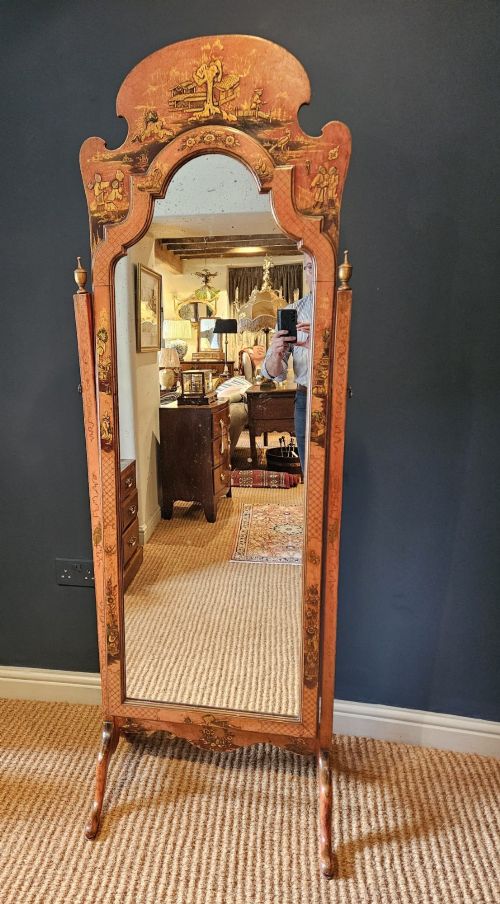
- European artistic styles reflecting Chinese decorative motifs, widely applied to furniture and mirrors during the eighteenth and subsequent centuries. These designs often feature figures, pagodas, and landscapes rendered in gold and colour.
- Shibayama
- A Japanese craft technique involving the inlay of precious materials such as bone, ivory, and shell into wood or lacquer bases. Such work creates highly detailed pictorial panels for screens and decorative objects.
- Cinnabar
- A bright scarlet mineral pigment traditionally mixed into lacquer to produce deeply carved red surfaces. Pieces utilising this compound often reveal intricate relief scenes of figures and foliage.
- Kodansu
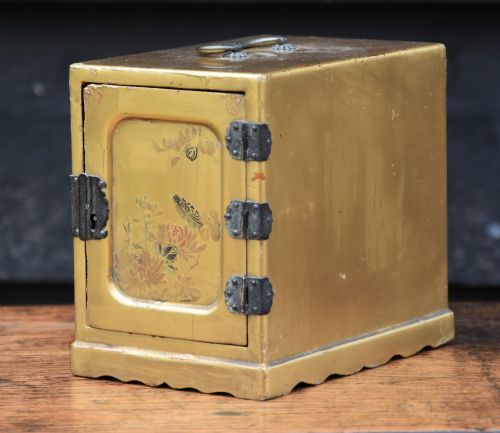
- A small Japanese cabinet or portable chest designed for storing documents, seals, or personal valuables. These miniature pieces typically feature multiple internal drawers and elaborate exterior lacquer decoration.
Antique Oriental Lacquered Wood: Frequently Asked Questions
How do I care for lacquered wood?
Keep these pieces away from direct sunlight and extreme humidity fluctuations to prevent the wood from shifting and the lacquer from cracking. Dust gently with a dry, soft cloth and avoid chemical polishes that can damage the historical surface.
Maintaining stable indoor conditions preserves the integrity of the natural resin finish. Regular gentle cleaning prevents grime buildup without abrading delicate gilt or painted details.
What is a marriage cabinet?
Marriage cabinets are large storage cupboards traditionally given to brides as part of their dowry in China. They served to store clothing and textiles, often featuring vibrant red lacquer to symbolize good fortune.
These imposing storage pieces anchor a room while providing functional depth for contemporary use. Their interior shelving accommodates modern belongings while retaining traditional exterior artistry.
How do I distinguish regional styles?
Chinese pieces often emphasise architectural forms, carved elm structures, and auspicious motifs associated with dynasties and scholarly life. Japanese items frequently display refined miniature inlays, delicate metallic powders, and flora or fauna from the Meiji period.
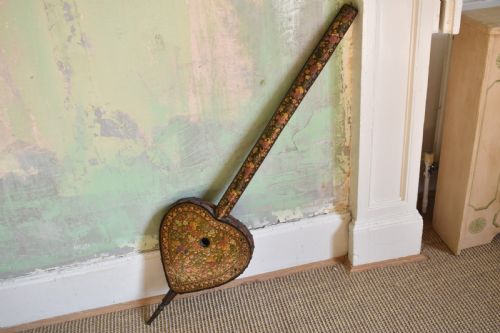
Indian and Kashmiri examples tend toward brightly painted floral motifs on turned wood or papier-mâché supports. Recognising these distinct regional palettes helps identify the origin of each item.
Where were apothecary chests used?
Apothecary chests originated in traditional herbal medicine shops to store dried roots, herbs, and minerals across dozens of small drawers. Each compartment featured specific lettering or positioning to allow practitioners rapid access to remedies.
Today, these multi-drawer units function well as distinctive storage solutions in living spaces or studies. Their dense grid of handles brings texture and historical utility to an interior.