





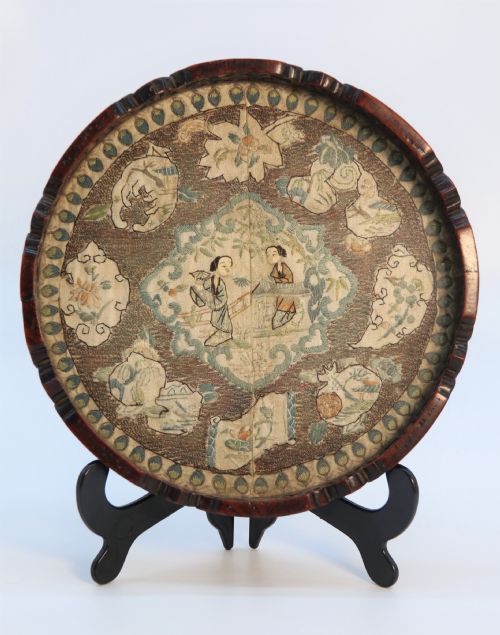
Qing Dynasty Carved Panel
A qing dynasty carved panel brings intricate woodwork and rich cultural narrative directly into modern interiors.
Qing Dynasty Carved Panel
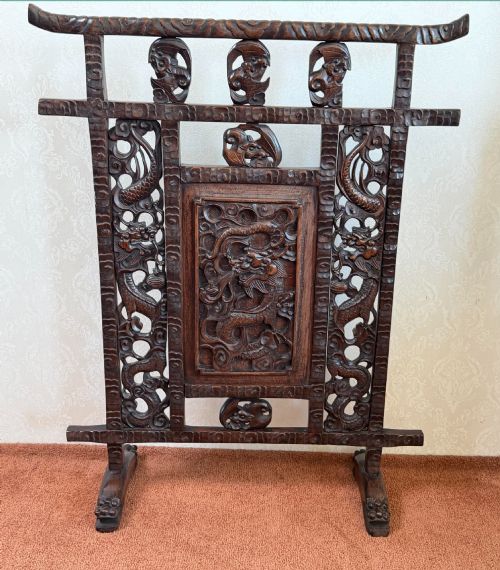
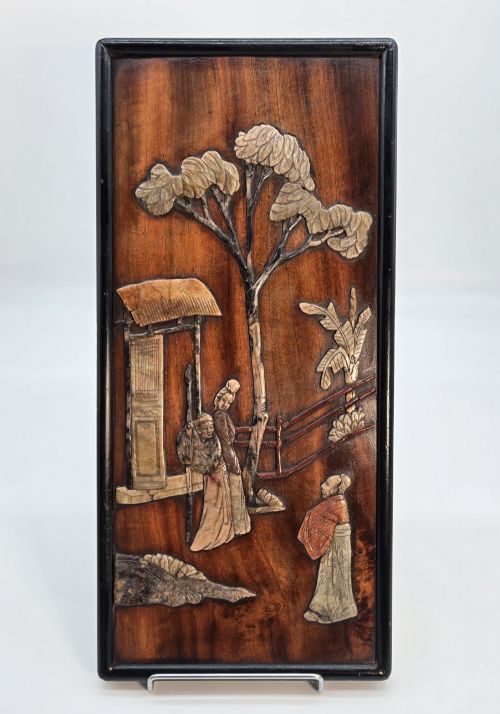
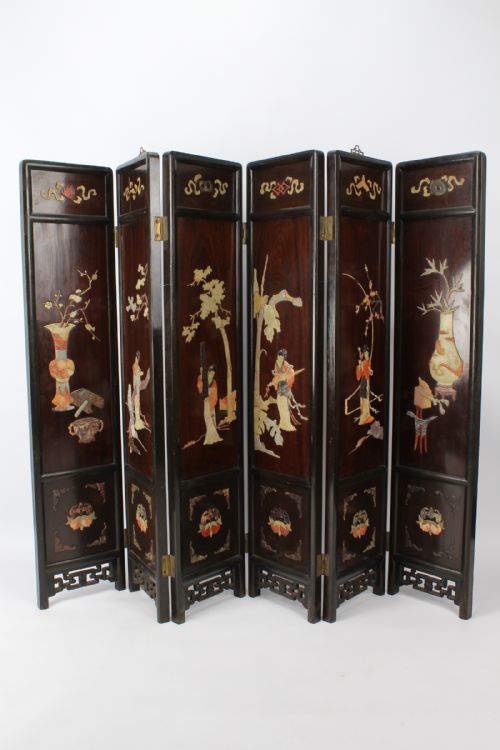
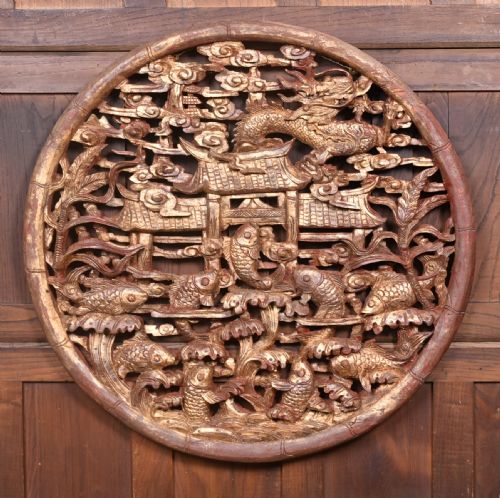
A qing dynasty carved panel represents detailed woodcraft originating from traditional, regional, and export Chinese workshops across the eighteenth and nineteenth centuries. These pieces appear in various forms, including wall plaques, temple panels, folding screens, and table screens.
The objects commonly encountered on this page span the nineteenth century, including specific dates such as 1880, 1900, and 1920, alongside earlier eighteenth-century examples. Hardwood and lacquer dominate the physical forms, often complemented by silk embroidery, gold leaf, and hardstone elements.
Buyers select these panels to introduce historical depth and textured relief work into domestic spaces. The selection ranges from architectural fragments like cart doors and memorial tiles to dedicated wall art and folding fire screens.
How they were made
Artisans constructed these panels primarily from dense hardwood or wood substrates prepared for lacquer work. Skilled carvers cut deep relief scenes directly into the timber, utilising traditional joinery and hand-tool methods.
Surface decoration frequently involved layers of lacquer, such as Coromandel work, alongside applications of gold leaf to highlight specific figures and architectural motifs. Silk panels integrated into carved wooden stands combine textile arts with structural carpentry.
Materials documented across the inventory include hardwood, lacquer, wood, silk, gold leaf, brass, glass, and hardstone.
What varies in quality
Depth of relief work and clarity in figurative or landscape carving distinguish finer examples from simpler decorative output. The precision of joinery in framed panels and the preservation of original lacquer or gold leaf layers determine the overall standard.
Materials also drive distinction within the range, particularly pieces incorporating carved hardstone, intricate silk embroidery, or dense native hardwoods. The integration of structural elements, such as bespoke stands for table screens, reflects the original ambition of the commission.
The Qing Dynasty Carved Panel Glossary
- Coromandel lacquer
- A Chinese incised lacquer technique where designs are cut into a dark ground, filled with colour, and polished. This method appears on eighteenth and nineteenth-century folding screens.
- Hardwood
- Dense timber species traditionally utilised in Chinese furniture and architectural carving. It supports intricate, deep-relief carving without splintering.
- Table screen
- A decorative panel mounted on a supportive wooden stand for display on tables or desks. These often combine carved wooden frames with silk or stone inserts.
- Gilt wood
- Wood surfaces decorated with a thin layer of gold leaf. This technique accentuates specific carved details on temple panels and figure groups.
Qing Dynasty Carved Panel: Frequently Asked Questions
How were carved panels used originally?
These panels served multiple architectural and decorative functions within traditional buildings and domestic interiors. Many formed parts of larger folding screens, temple decorations, or structural elements like cart doors.
Smaller versions functioned as table screens or framed wall art. Their imagery often carried symbolic meanings intended to bring auspicious qualities to the household.
What materials appear most frequently?
Hardwood and lacquer dominate the physical construction of these pieces. Carvers utilised dense woods to achieve deep, durable relief scenes.
Lacquer finishes, particularly Coromandel work, provide smooth, coloured surfaces that contrast with raw timber. Silk embroidery and gold leaf frequently supplement the wooden structures.
How do I care for wooden panels?
Maintain stable indoor humidity levels to prevent timber from drying out or splitting. Keep pieces away from direct sunlight to protect lacquer and silk components from fading.
Dust gently with a dry, soft cloth rather than using liquid polishes or chemical cleaners. This preserves the original surface patination and delicate gilt details.
Can I hang wall plaques safely?
Wall plaques and panels require secure fixings suited to their weight and the specific wall construction. Many older items possess integrated hanging points or substantial wooden frames.
Consult a professional framer or installer if the piece lacks modern hardware. Ensure the weight distributes evenly across structural supports to protect the antique joinery.