




Antique Oriental Jardiniere
An antique oriental jardiniere brings sculptural plant vessels and carved wooden stands together from the nineteenth and early twentieth centuries.
Antique Oriental Jardiniere
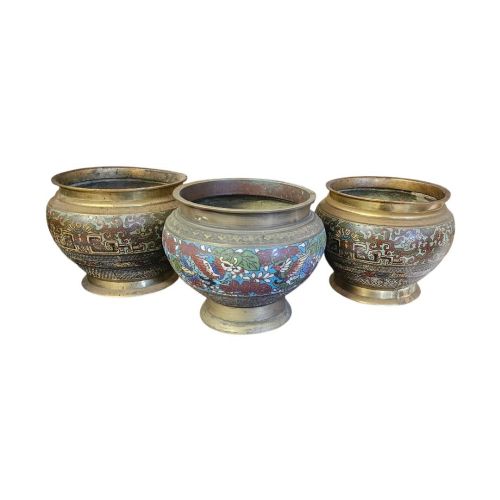
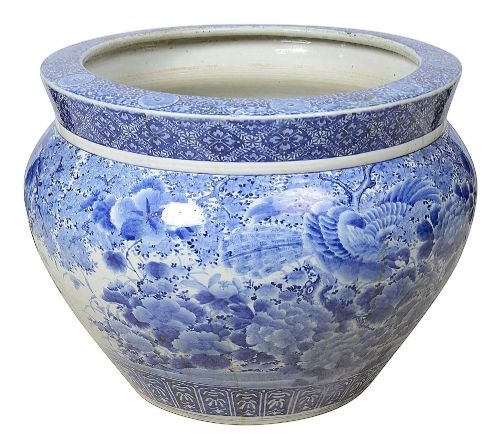
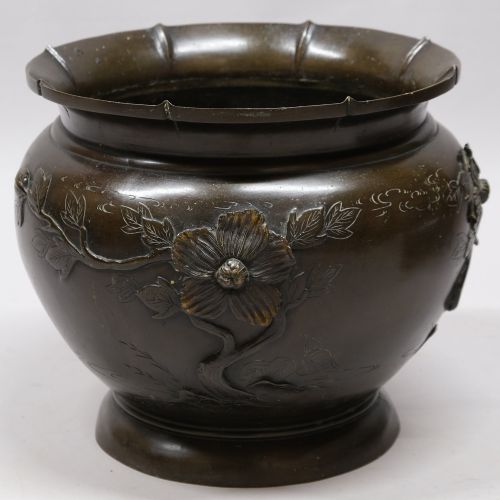
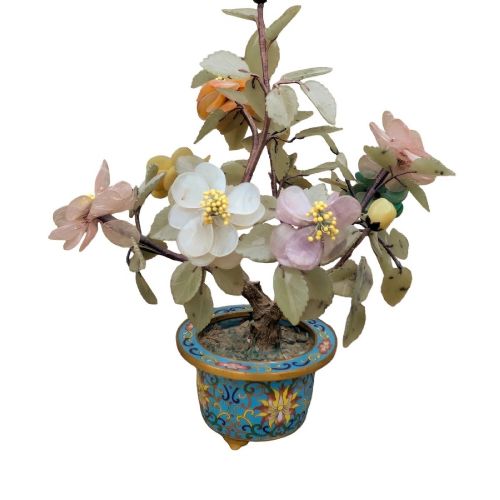
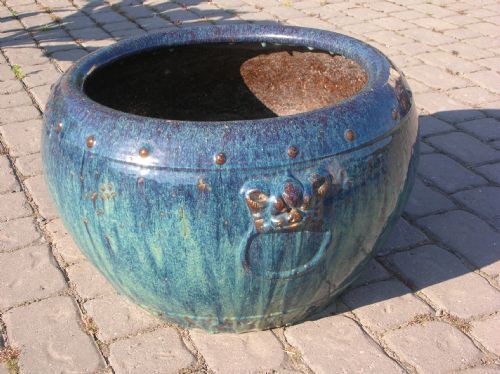
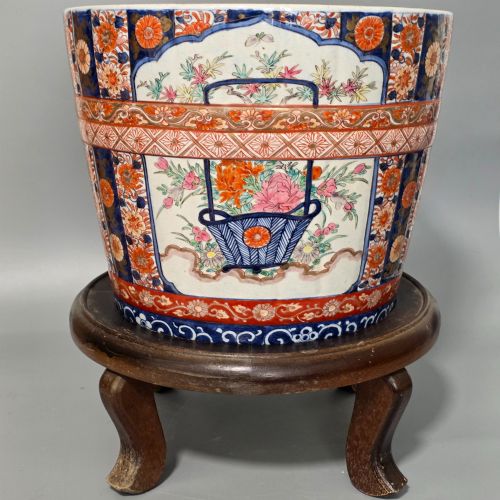
An antique oriental jardiniere encompasses both the plant vessel itself and the carved wooden stand designed to elevate it within a room. The vessels take the form of heavy ceramic fish bowls, enamel vessels, and cast bronze bowls originating from China and Japan. These pieces span the eighteenth century through to the early twentieth century, reflecting distinct stylistic periods such as the Qing Dynasty and the Meiji period.
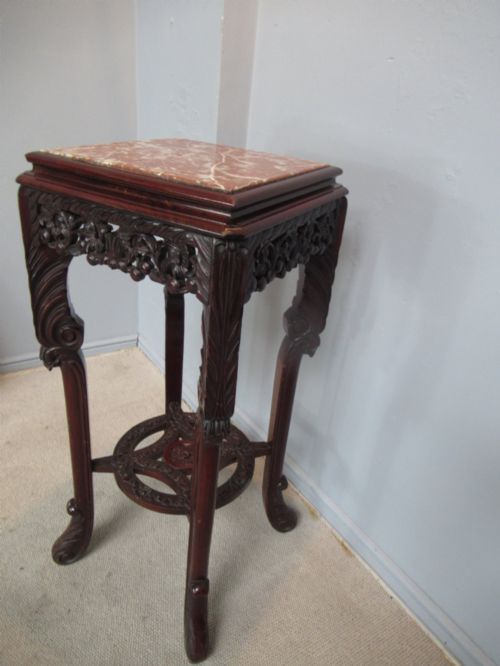
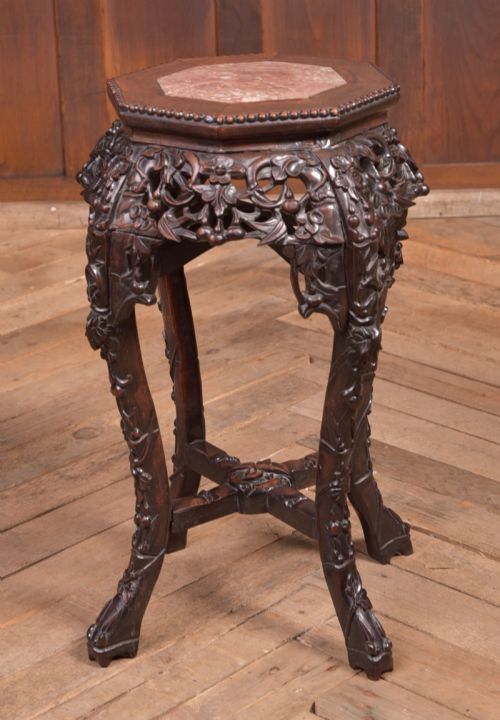
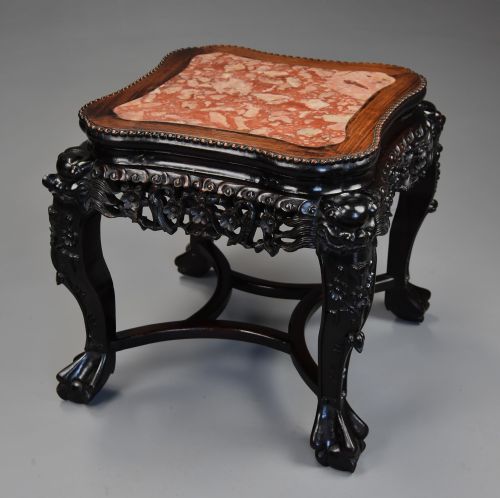
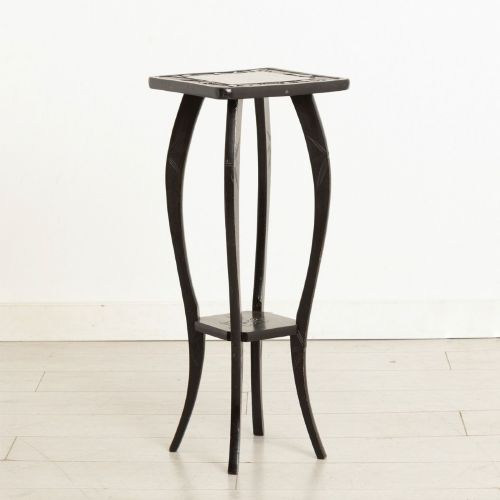
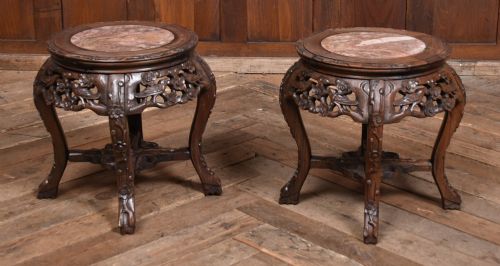
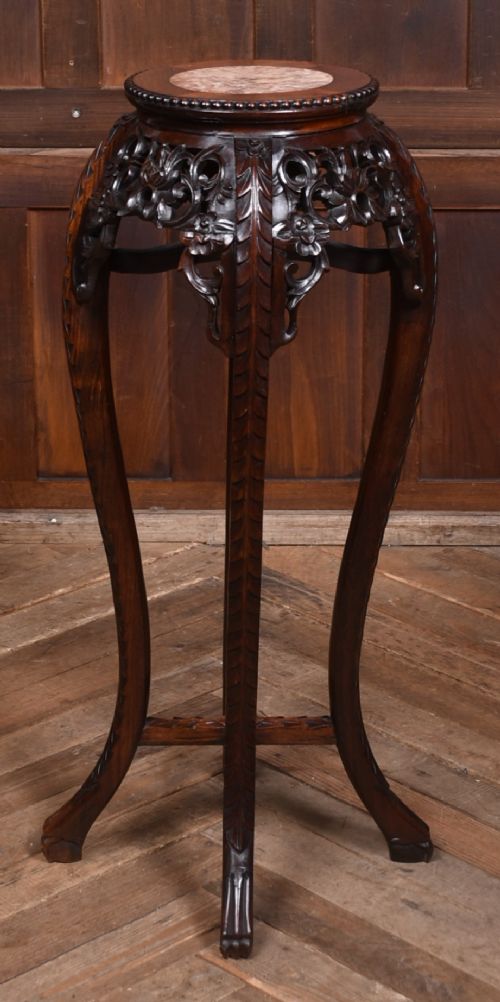
The accompanying stands range from low tables with inset marble tops to tall plant pedestals constructed from dense Asian hardwoods. Many examples pair a ceramic or bronze vessel with a matching carved wood stand, though vessels and stands often survive independently. Buyers encounter items ranging from blue and white porcelain bowls to intricately carved rosewood and padouk display tables.
Distinctions in Quality
Quality rests upon the depth and crispness of the hand carving on the wooden stands, where deeply undercut botanical details distinguish finer examples from plain turnings. The weight and wall thickness of bronze vessels, alongside the precision of enamel work or ceramic painting, mark the division between standard production and superior craftsmanship.
The integration of materials also dictates standing; stands featuring tightly fitted natural marble inserts and stable, heavy timber construction represent the upper tier of surviving items. Matching sets where vessel and stand originate together retain greater cohesion than assembled pairings.
Several heavy bronze planters retain subtle casting marks left by artisans working quietly during the Meiji era.
Liberty of London·Makuzu Kozan II
The Antique Oriental Jardiniere Glossary
- Jardiniere
- A decorative pot or bowl designed to hold a plant or flower arrangement. These vessels often sit upon dedicated low tables or pedestals.
- Meiji Period
- A Japanese historical era spanning from 1868 to 1912, noted for accomplished bronze casting and intricate decorative arts.
- Qing Dynasty
- The final imperial dynasty of China, lasting from 1644 to 1912, associated with porcelain production and hardwood carving.
- Padouk
- A heavy, durable tropical hardwood with a reddish hue utilised for nineteenth-century plant stands and furniture.
- Cloisonne
- A metalwork technique where enamel paste is applied within compartments defined by soldered wire before firing.
Antique Oriental Jardiniere: Frequently Asked Questions
How do I use a jardiniere stand today?
These carved wooden stands function as pedestals for indoor house plants, large floral arrangements, or decorative table lamps.
They also serve as occasional tables or display surfaces for pottery and sculptures within living spaces.
How do I distinguish Chinese from Japanese pieces?
Chinese pieces often feature porcelain painted in Famille Rose palettes or blue and white fish bowl forms alongside heavy hardwood stands.
Japanese examples from the Meiji period frequently utilise cast bronze, cloisonne, or stoneware associated with makers such as Makuzu Kozan.
What is the difference between a jardiniere and a fish bowl?
While the terms frequently overlap in listings, fish bowls generally possess a wider, deeper ceramic body suited for aquatic life.
Jardiniere vessels tend to be slightly more shallow and versatile, designed specifically to contain potted plants or cut flowers.