


Antique Oriental Floor Runner
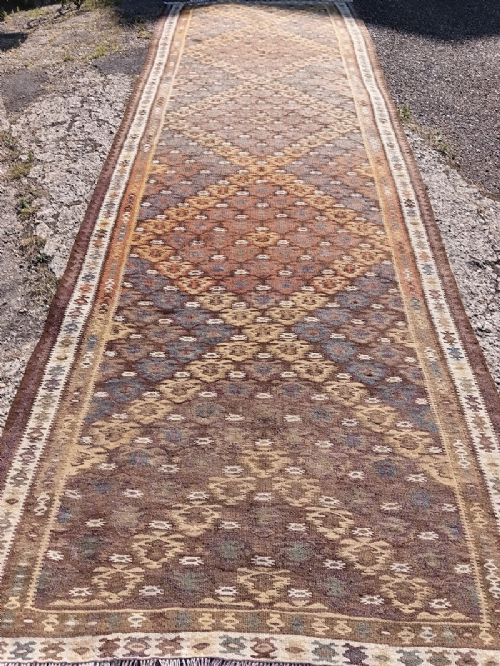
An antique oriental floor runner brings the rich heritage of Persian, Caucasian and Turkmen weaving directly into long hallways and narrow spaces.
Antique Oriental Floor Runner
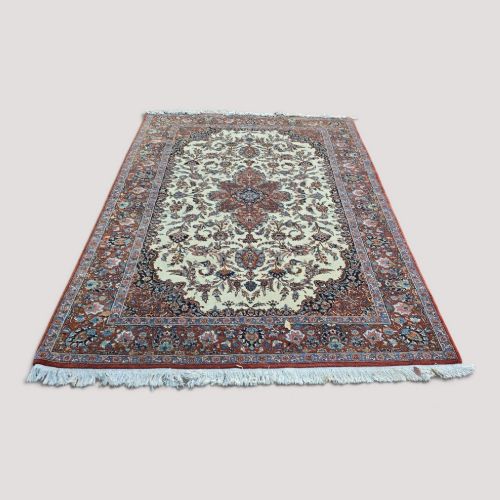
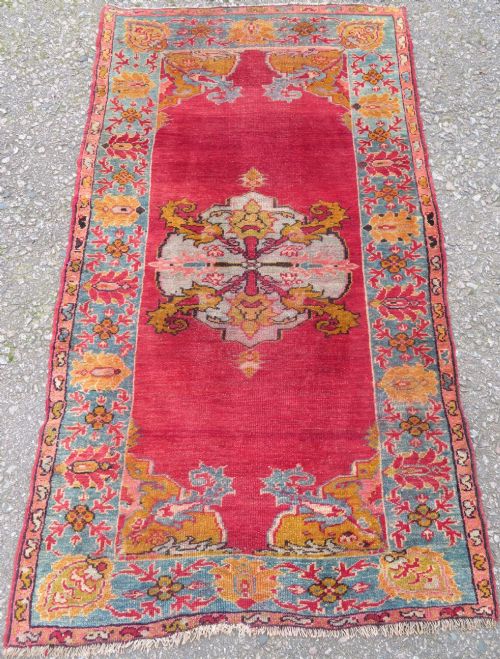
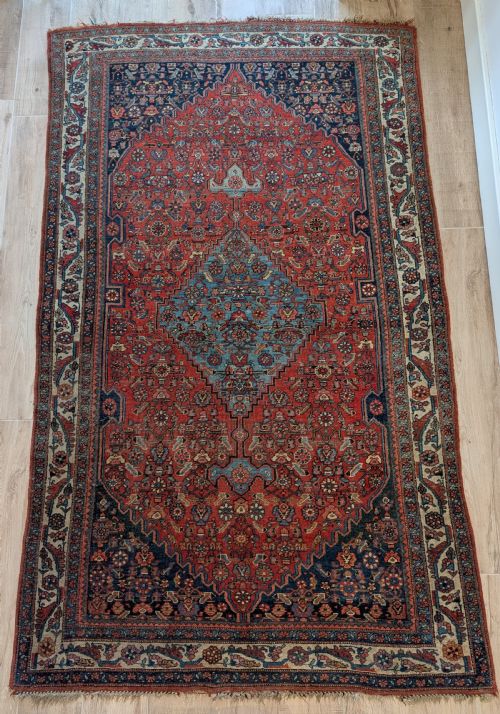
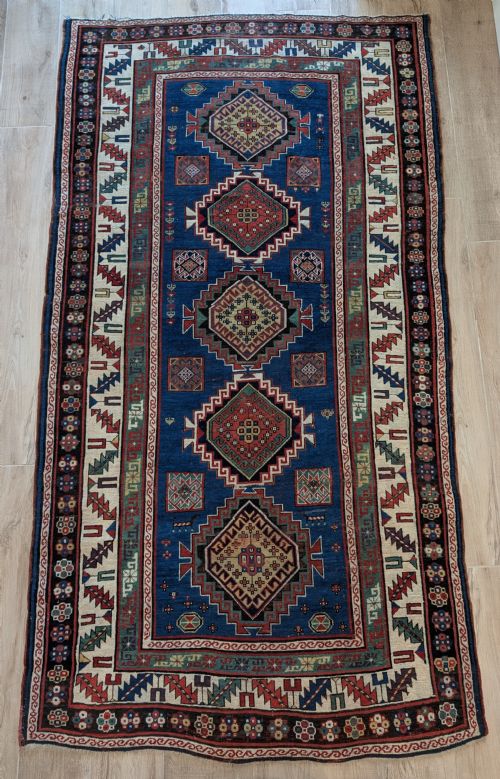
An antique oriental floor runner encompasses long, narrow carpets and corridor coverings originating from traditional weaving centres across the Middle East, Central Asia and the Caucasus. When searching for an antique oriental floor runner, buyers encounter diverse regional styles including Persian, Kurdish, Kazak and Ushak tribal or city designs.
The pieces available date primarily from the late nineteenth century through to the 1930s, spanning various nomadic, village and workshop traditions. Formats vary from classic hallway runners to longer kelley and carpet dimensions utilised in linear spaces.
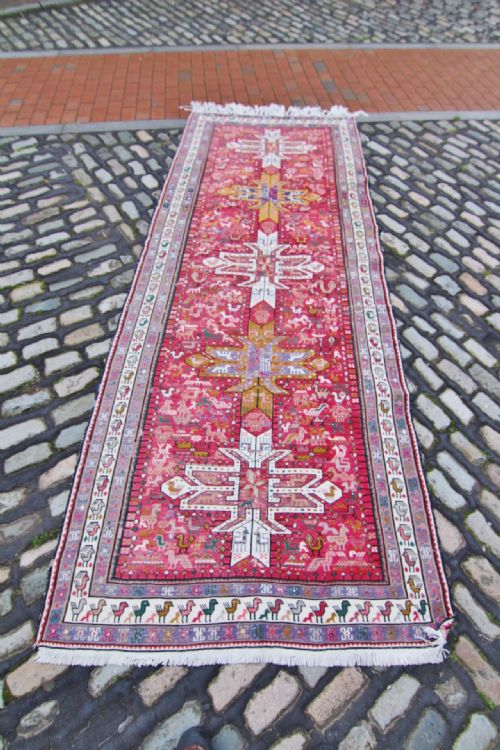
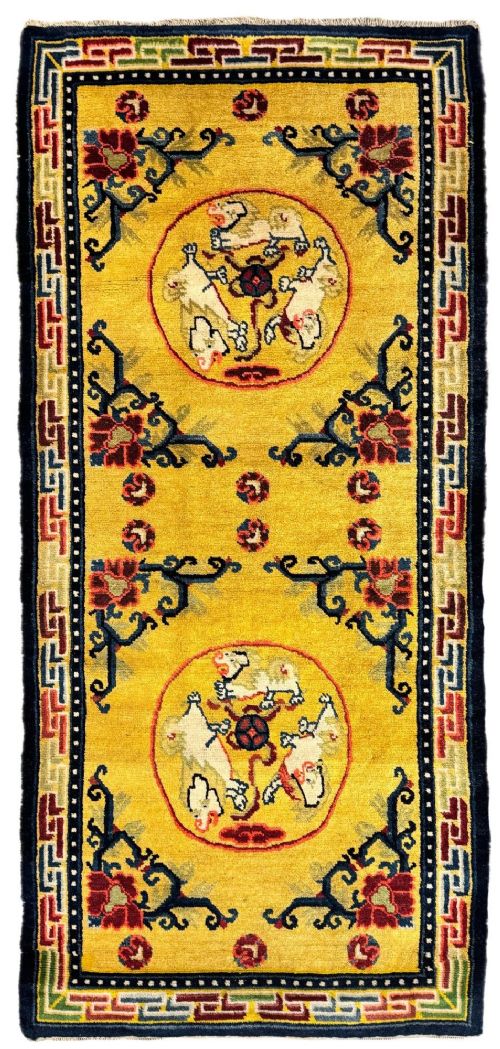
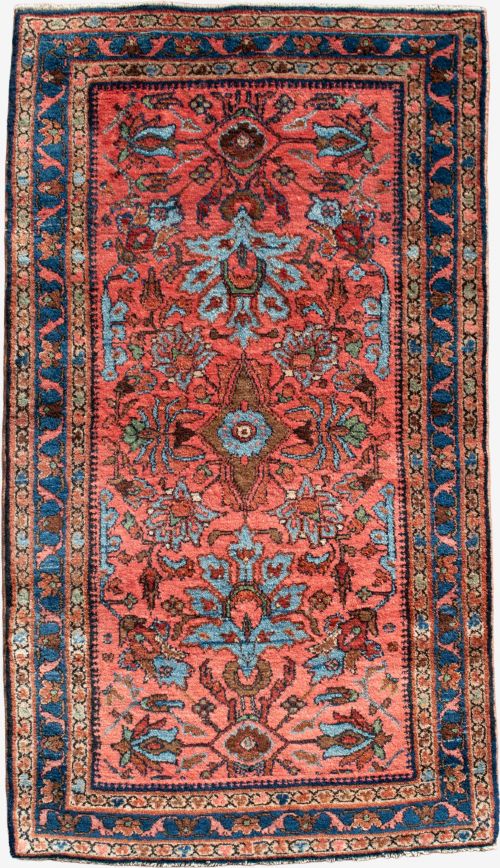
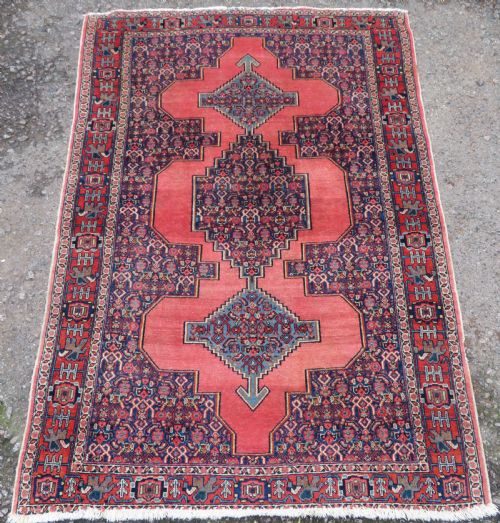
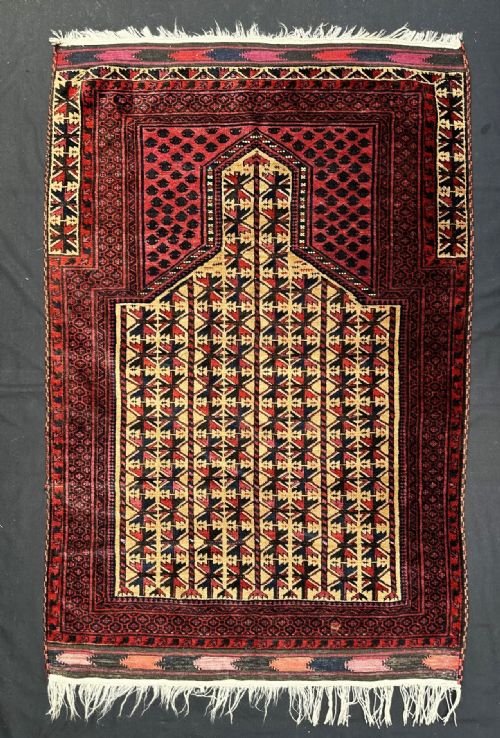
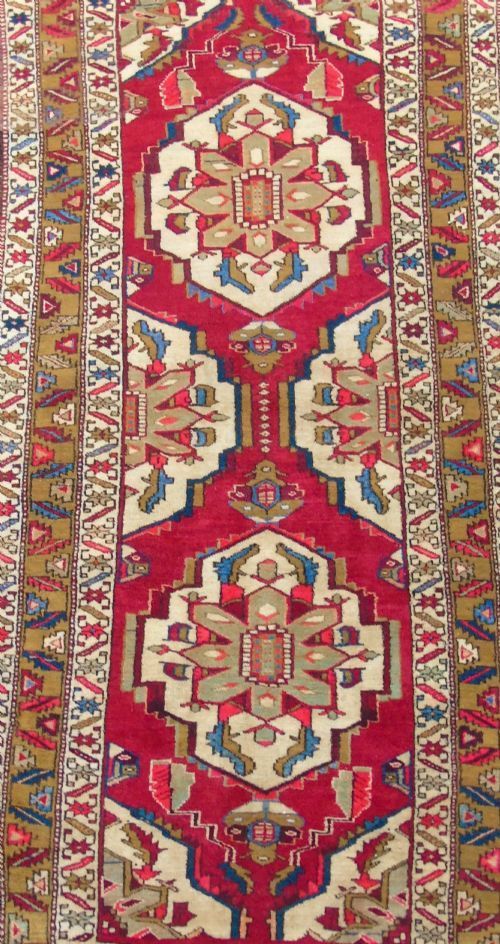
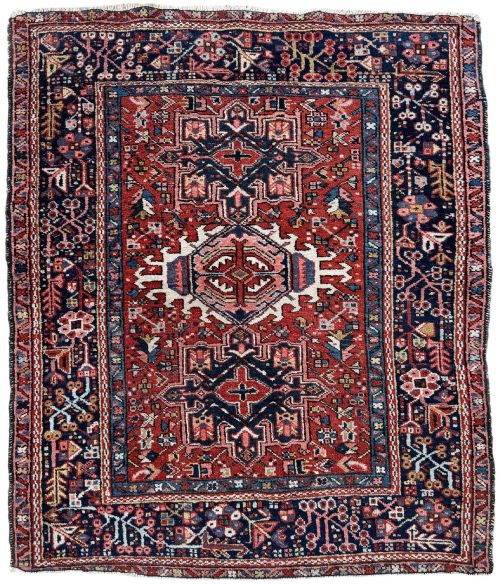
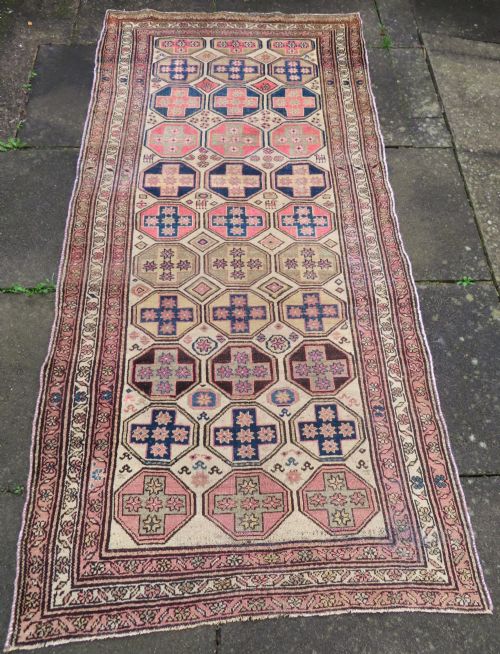
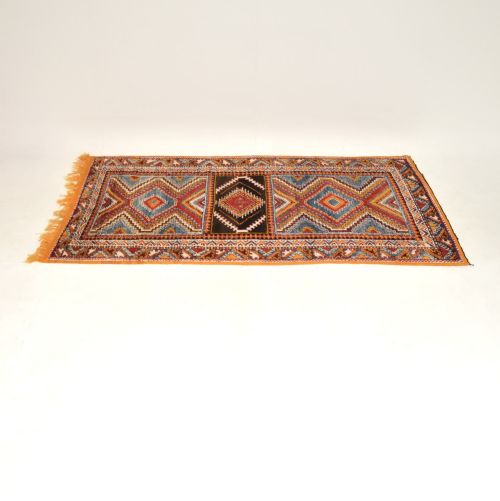
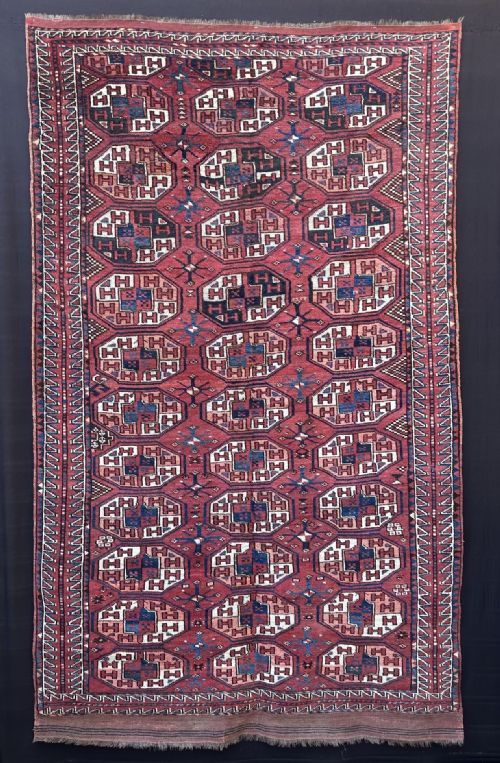
Regional aesthetics dictate the patterns, ranging from geometric Caucasian motifs and Turkmen guls to intricate Persian floral arrangements and vase designs. Each piece reflects the specific cultural heritage and weaving techniques of the district where it was knotted.
How They Were Made
These floor coverings are constructed primarily from wool pile woven onto supportive cotton or wool foundations using traditional hand-knotting techniques. Artisans utilised durable natural materials capable of withstanding generations of heavy foot traffic in domestic corridors.
The dyeing processes relied upon traditional colour sources to produce rich hues of navy blue, rust, and various earthy tones that patinate gracefully over time. Skilled weavers bound the sides with sturdy selvedges and secured the ends to ensure structural longevity.
Antique Oriental Floor Runner Retail Price Guide 2026
Typical asking prices for oriental floor runner among the pieces listed under this phrase on Sellingantiques today, from the lower quarter to the upper quarter. They describe what is for sale here now, not the wider market.
Nomadic weavers frequently incorporated small spontaneous human and animal figures into strict geometric field patterns.
What Varies in Quality
The distinction between tiers of quality rests upon the density of the knotting, the precision of the geometric or curvilinear design execution, and the depth of the wool pile. Finer examples display meticulous draughtsmanship in intricate motifs like Lezghi stars or floral vases.
Condition and originality play significant roles, particularly regarding the integrity of the original borders, pile retention, and edge bindings. Pieces retaining their full length and uncompromised structural foundation command greater appreciation among collectors.
The Antique Oriental Floor Runner Glossary
- Runner
- A long, narrow carpet specifically proportioned for corridors, hallways, and staircases. These formats guide movement through architectural spaces.
- Gul
- A medallion or octagonal motif frequently repeated across Turkmen and Central Asian carpets. Each tribe utilised distinct variations of these primary symbols.
- Kelleh
- A large format rectangular carpet, traditionally longer than it is wide, serving major reception spaces. These pieces occupy a scale distinct from standard runners.
- Prayer rug
- A small rug featuring a mihrab or niche design, historically utilised for daily devotions. The apex of the arch typically points towards Mecca during use.
- Selvedge
- The tightly bound side edges of a carpet that prevent the foundation threads from fraying. Sound selvedges protect the structural integrity of the entire weave.
Antique Oriental Floor Runner: Frequently Asked Questions
Where should I place a long runner?
These narrow formats suit hallways, corridors, and entryways where linear foot traffic requires a durable floor covering.
They also function effectively in long kitchens or alongside beds, adding warmth and texture to narrow floor spaces.
How do I clean an old wool rug?
Routine maintenance involves gentle vacuuming without the rotating brush bar to remove embedded dust and grit from the wool pile.
Professional specialist cleaning is recommended for deeper maintenance to protect the natural fibres and dyes from damage.
Are these pieces suitable for hallways?
Traditional construction using sturdy wool pile makes these textiles resilient enough for high-traffic corridors and entrance areas.
Using a quality underlay beneath the textile prevents slipping and cushions the foundation against hard flooring.
How do I identify a regional design?
Regional attribution relies upon specific visual markers such as Caucasian geometric stars, Persian floral vases, or Turkmen guls.
Palettes, border arrangements, and structural weaving traits further distinguish pieces originating from different tribal and urban centres.