
Antique Oriental Carved Lacquer
Antique oriental carved lacquer encompasses folding screens, cabinets, and figures shaped from wood and layered resins.
Antique Oriental Carved Lacquer
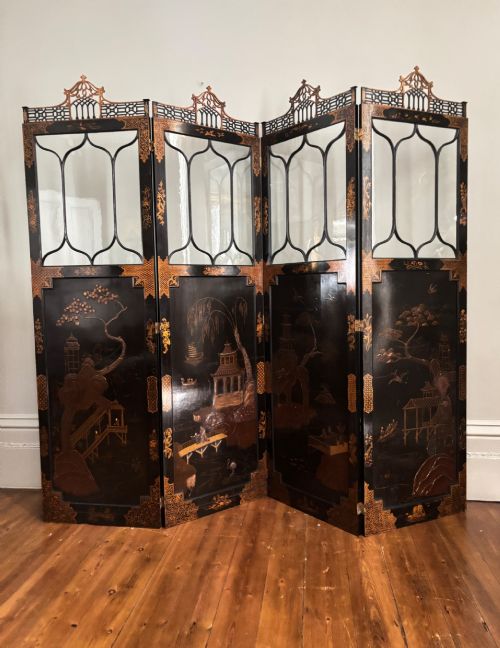
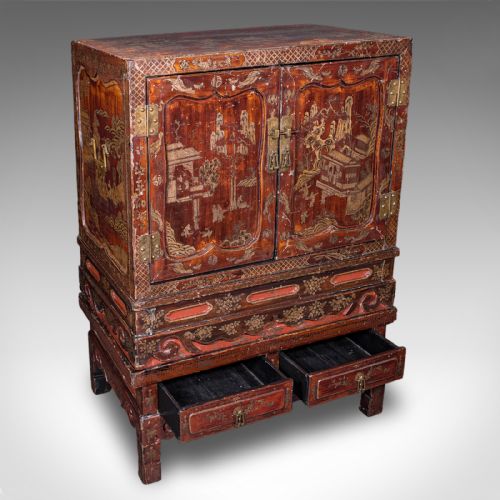
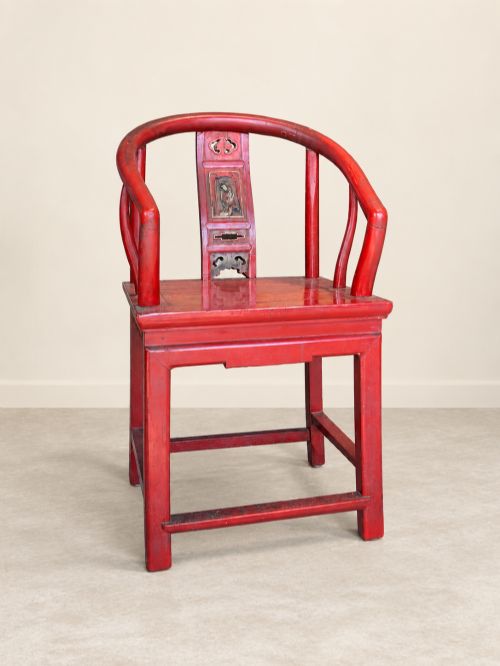
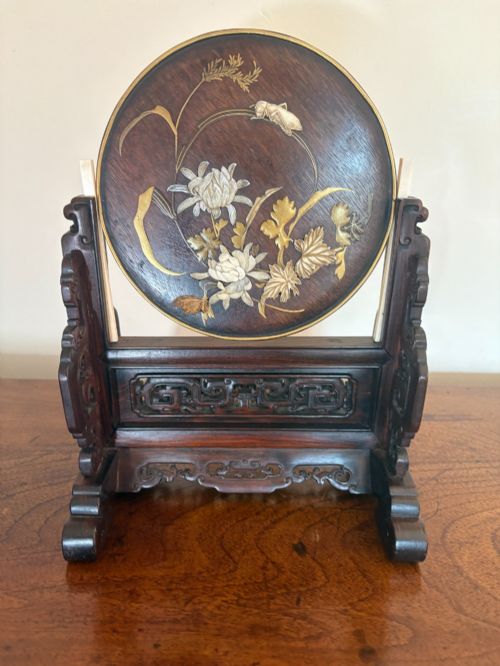
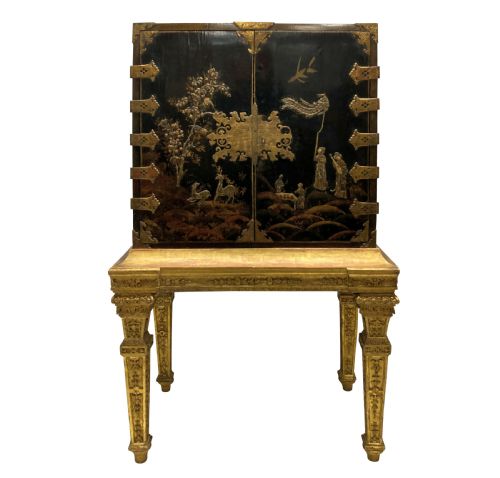
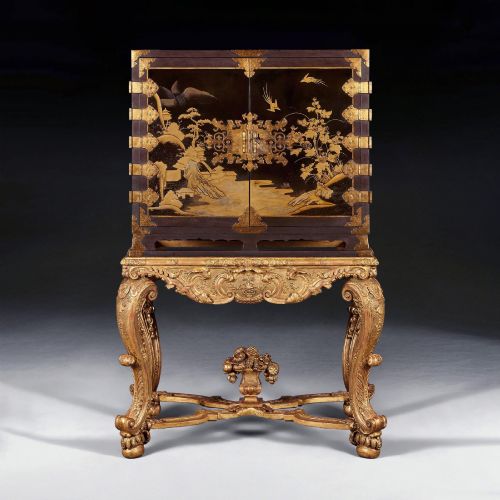
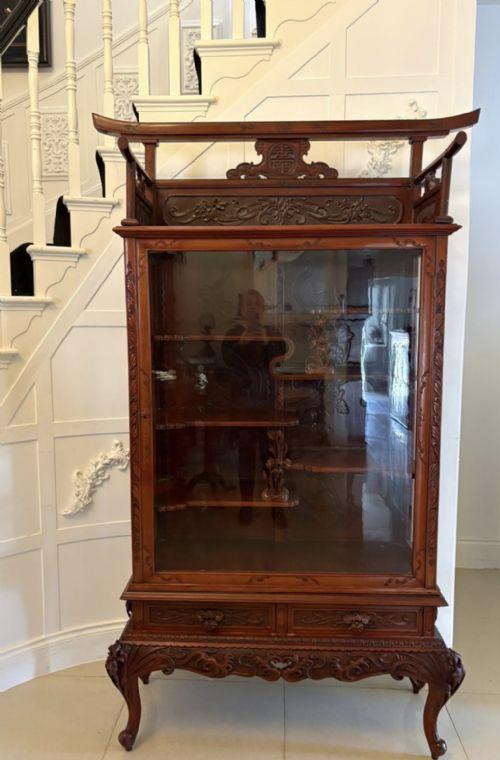
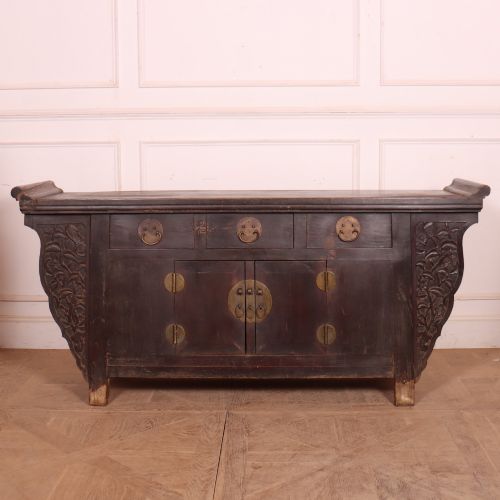
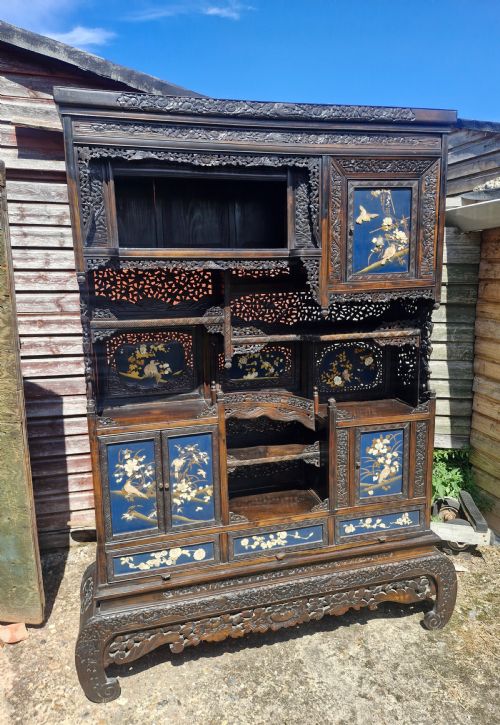
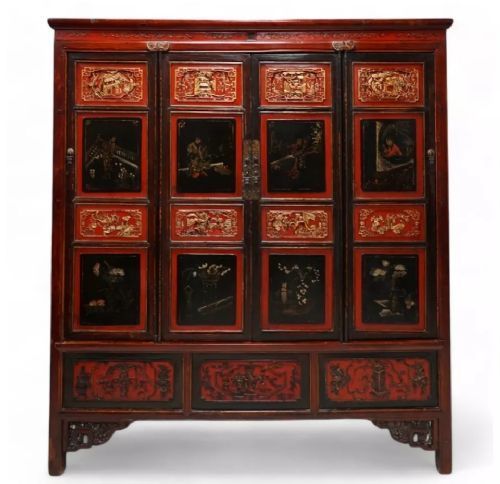
When buyers search for antique oriental carved lacquer, they encounter a range of forms spanning large folding screens, display cabinets, and decorative wall plaques. The selection includes Chinese elm marriage cabinets, Japanese shodonas, and cinnabar lidded boxes originating across the nineteenth and early twentieth centuries.
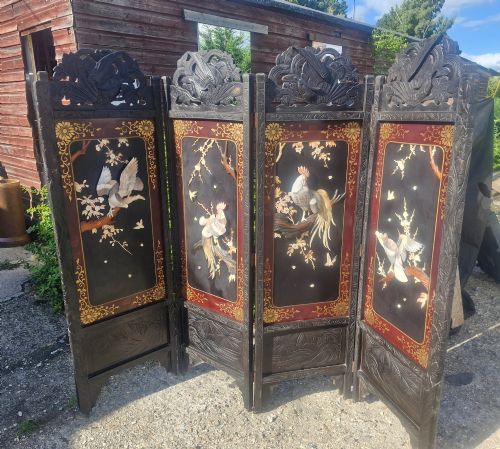
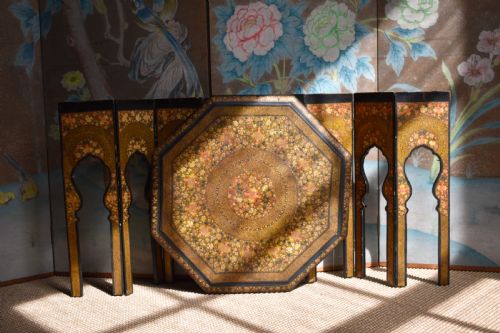
The objects derive from distinct regional traditions, encompassing Japanese Meiji period works alongside Chinese Qing dynasty pieces and Anglo-Indian productions. Folding screens and cabinets form the most frequent encounters on this page, often showing deep carving or polychrome painted details.
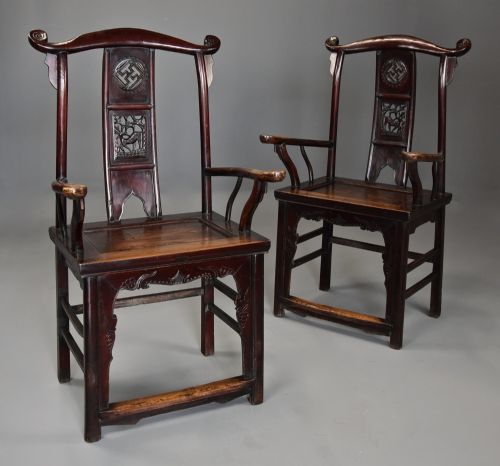
Makers utilised traditional construction methods for foundational carcases, employing elm, hardwood, and brass fittings to support intricate surface decoration. Certain examples incorporate bone figures or mother-of-pearl inlay within the lacquer layers.
How they were made
Craftsmen built the underlying structures from timber such as elm, hardwood, and gilt wood, preparing stable foundations for subsequent resin application. Multiple coats of tree sap lacquer built up the surface thickness necessary for deep carving.
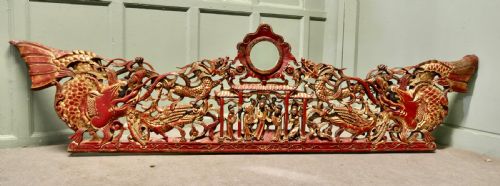
Carvers worked directly into the hardened layers to create raised motifs of figures, foliage, and dragons. Artisans applied gold leaf, polychrome pigments, and mother-of-pearl inlay to accent specific design elements.
Elephants and carp join scholars and deities across these lacquered surfaces, proving that ancient artisans enjoyed a healthy menagerie.
What varies in quality
Quality rests upon the depth of the lacquer layers and the crispness achieved in the carved details. Superior examples exhibit precise relief work without chipping across intricate figural scenes.
The integrity of the underlying timber carcase and the retention of original surface patination influence the standing of each piece. Finer items preserve their original polychrome pigments, gilding, and mother-of-pearl inlays intact.
Haruyama Shunzan
The Antique Oriental Carved Lacquer Glossary
- Cinnabar lacquer
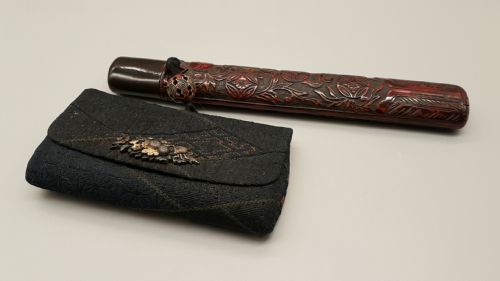
- A red material produced by mixing mercuric sulphide into tree sap before applying numerous coats for carving. This technique yields deep relief panels showing figures or landscapes.
- Shodona
- A Japanese tabletop or floor-standing display cabinet featuring asymmetrical shelving. These pieces often incorporate elaborate lacquer work and sliding doors.
- Chinoiserie
- European decorative style imitating Chinese artistic traditions. Makers applied these painted and lacquered designs to furniture such as cabinets on stands and pier mirrors.
- Okimono
- A Japanese standalone decorative carving intended for display. These objects frequently depict animals or figures from folklore.
- Coromandel
- A type of Chinese incised lacquer where artisans carved designs through dark layers to expose a contrasting ground beneath. Craftsmen then filled the recesses with colour.
Antique Oriental Carved Lacquer: Frequently Asked Questions
How do I clean antique carved lacquer?
Dust surfaces gently with a soft, dry microfibre cloth to protect the delicate carved resin layers. Avoid water, modern chemical polishes, and abrasive cleaners which damage the historical finish.
Maintain stable room humidity to prevent the underlying timber carcase from expanding or contracting. Sudden environmental changes cause the lacquer surface to crack or lift from the wood.
Are these screens heavy?
Multi-fold screens constructed from solid wood and thick resin layers possess considerable weight. They require careful handling by two people during placement.
Smaller tabletop screens and decorative wall plaques offer much lighter alternatives for display. Larger floor-standing examples need stable positioning to support their panel weight.
What is cinnabar lacquer?
Cinnabar lacquer uses powdered mercuric sulphide to produce a rich red pigment within the resin layers. Artisans apply dozens of coats before carving deep pictorial scenes into the hardened surface.
These pieces originate predominantly from China and date across multiple dynasties and centuries. The technique demands immense patience and skill from the carver.
How do I date a lacquer cabinet?
Examine the construction methods of the underlying wood carcase, including joinery techniques and hardware fittings. Eighteenth and nineteenth-century pieces display hand-cut joinery and forged brass elements.
Compare the decorative motifs and lacquer coloration against documented examples from specific periods. Meiji Japanese pieces and Qing Chinese items exhibit distinct stylistic markers.