










Japanese Art Wall Plate
These Japanese art wall plate examples span cloisonné enamel, Imari porcelain, and illustrated print forms that bring Meiji period craftsmanship to any interior.
Japanese Art Wall Plate
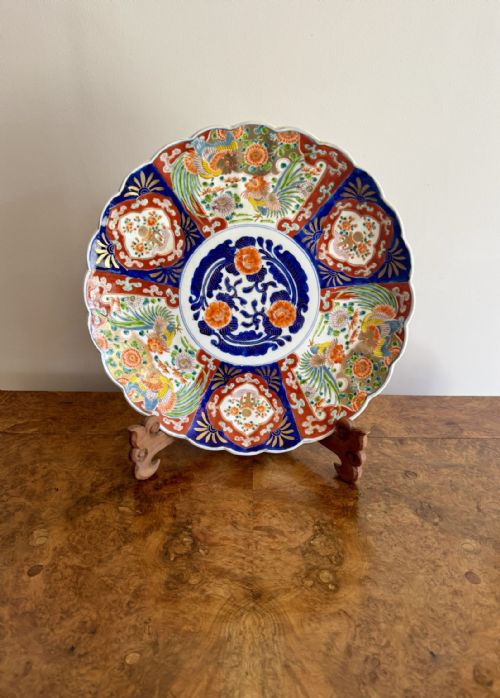
A japanese art wall plate encompasses decorative chargers, wall plaques, and framed illustrations originating from late nineteenth and early twentieth century periods. Buyers typically encounter large cloisonné enamel chargers adorned with birds or koi carp, alongside traditional Imari porcelain plates depicting auspicious motifs.
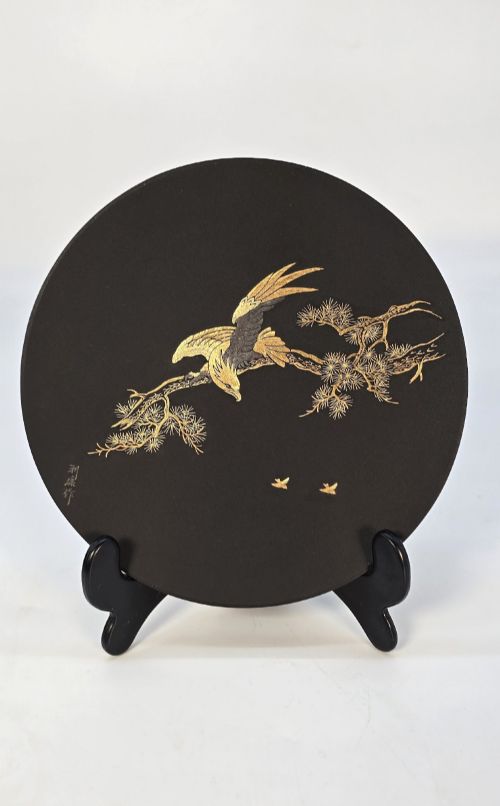
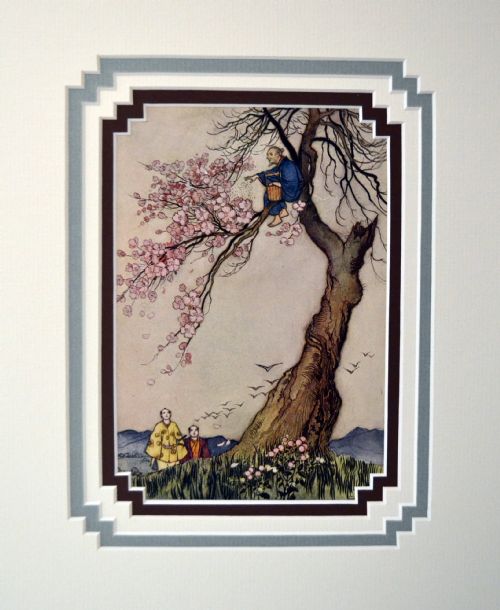
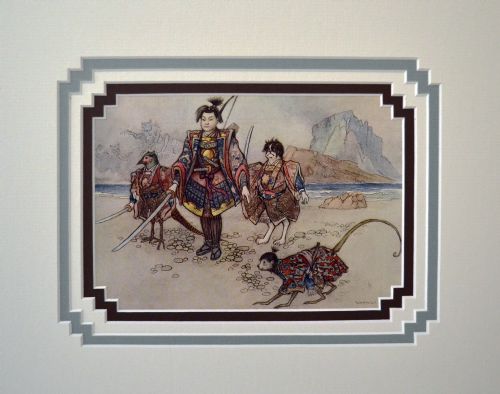
The selection also includes patinated iron plaques with precious metal inlay and book illustrations from early editions. These pieces reflect distinct aesthetic shifts through the Meiji, Taisho, and Edwardian eras.
Materials and construction methods
Cloisonné pieces utilise copper or brass bases combined with coloured enamel wires to form intricate imagery of dragons, samurai, and natural scenes. Porcelain plates employ traditional ceramic techniques finished with classic Imari glazes.
Alternative items incorporate iron with gold and silver inlay, lacquered wood surfaces, and paper prints housed within framing. Each medium demands specialised artisan skill to achieve durable decorative displays.
Japanese Art Wall Plate Retail Price Guide 2026
Typical asking prices for japanese art wall plate among the pieces listed under this phrase on Sellingantiques today, from the lower quarter to the upper quarter. They describe what is for sale here now, not the wider market.
Several plates depict seven lucky gods alongside leaping koi carp, ensuring your wall display comes fully stocked with mythological company.
Distinctions in execution and detail
Superior examples demonstrate meticulous control in enamel work, metal inlay precision, and glaze vibrancy. Finer items often feature complex subject matter such as leaping koi, detailed mon symbols, or specific maker signatures.
Standard variations emerge in the crispness of printed lines, the uniformity of cloisonné cells, and the complexity of the underlying design composition across different periods.
Warwick Goble
The Japanese Art Wall Plate Glossary
- Cloisonné
- An enamelling technique where metal wire forms raised partitions on a metal base to hold coloured pastes before firing. This method creates vibrant pictorial surfaces across many chargers.
- Imari
- A traditional style of Japanese porcelain featuring distinctive cobalt blue, iron red, and gilt decoration. These ceramic plates often depict historical figures or mythological symbols.
- Meiji Period
- The historical era spanning from eighteen sixty-eight to nineteen twelve, noted for opening Japanese crafts to international markets. Pieces from this time show exceptional metalwork and ceramic refinement.
- Charger
- A large ornamental plate designed primarily for display on walls or furniture rather than dining use. These substantial vessels showcase intricate artistic themes.
- Mon
- A Japanese heraldic badge or emblem used to identify families, clans, or individuals. These geometric crests frequently appear within enamel and ceramic designs.
Japanese Art Wall Plate: Frequently Asked Questions
How do I hang a heavy charger safely?
Large cloisonné and ceramic chargers require specialised wall brackets or spring-loaded wire hangers designed to distribute weight evenly across the rim. Ensure the fixing secures directly into wall studs or employs appropriate cavity anchors.
Avoid using adhesive discs or simple picture wire looped behind small fittings, as the substantial weight of these metal and porcelain pieces demands robust mechanical support.
What is the difference between Imari and cloisonné?
Imari refers to porcelain decorated with cobalt blue and iron red glazes, while cloisonné involves metal vessels decorated with vitreous enamel held within wire cells.
Ceramic Imari pieces offer traditional painted ceramic surfaces, whereas cloisonné plates present a tactile, compartmentalised metallic texture.
How do I identify Meiji period pieces?
Meiji period works generally date between eighteen sixty-eight and nineteen twelve, displaying technical mastery in metal inlay, cloisonné, and ceramic production. Look for refined artistic execution and traditional motifs.
Signature marks on the reverse or base often provide clues to the originating workshop or artist active during this era of Japanese craftsmanship.