




Antique Oriental Brush Pot
An antique oriental brush pot brings the scholarly arts of China and Japan directly to the desk through carved bamboo, porcelain, and hardwood.
Antique Oriental Brush Pot
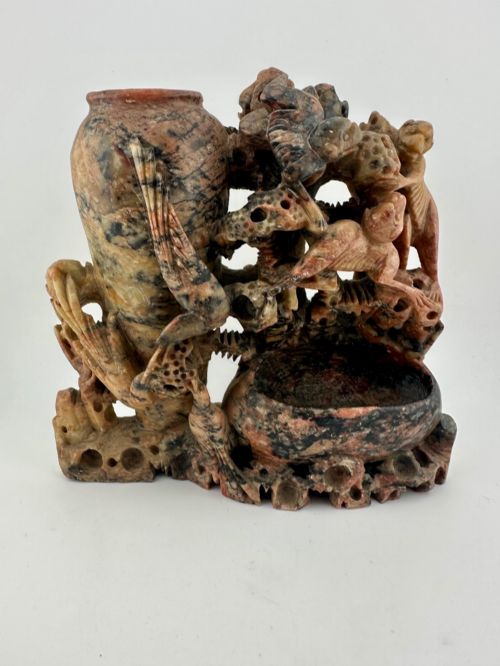
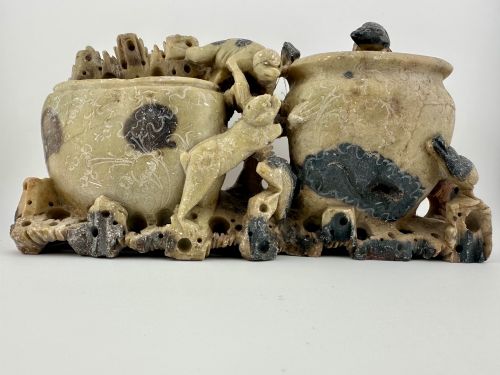
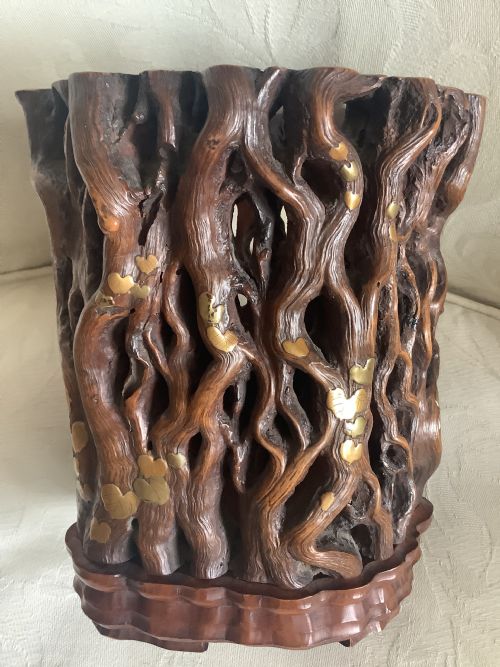
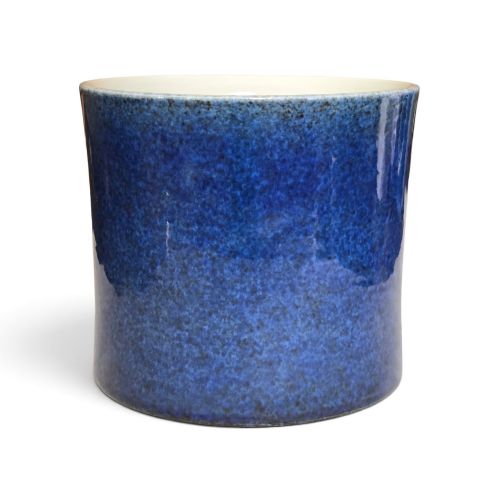
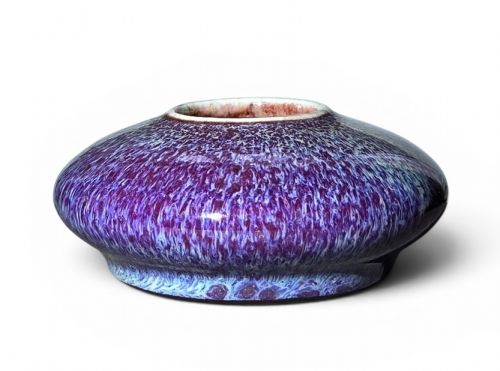
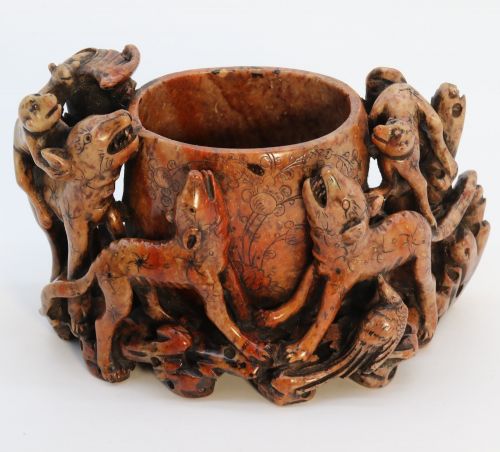
An antique oriental brush pot serves as a traditional vessel for holding calligraphy brushes within the scholar's studio. The forms range from cylindrical wooden and bamboo vessels to glazed porcelain bitong and carved soapstone washers.
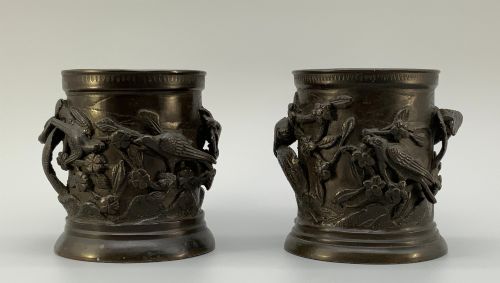
The pieces on this page span from the late seventeenth century through the nineteenth century, encompassing Qing Dynasty and Japanese Meiji period examples. Most common among them are carved bamboo and hardwood cylinders alongside porcelain containers decorated with figures and landscapes.
Functioning originally as desk accessories, many of these cylindrical containers now serve purely decorative purposes in modern interiors. Collectors encounter them as single pieces, matched pairs, or larger table arrangements alongside brush washers.
Distinctions in quality and execution
The depth and precision of the carving separate standard workshop pieces from high-status items. Superior examples display undercut relief work where figures and foliage detach clearly from the background without losing structural integrity.
Porcelain quality depends on the refinement of the clay body and the control of the kiln during glazing. Fine specimens exhibit balanced proportions, even glaze distribution, and crisp enamel work that remains steady across the entire surface.
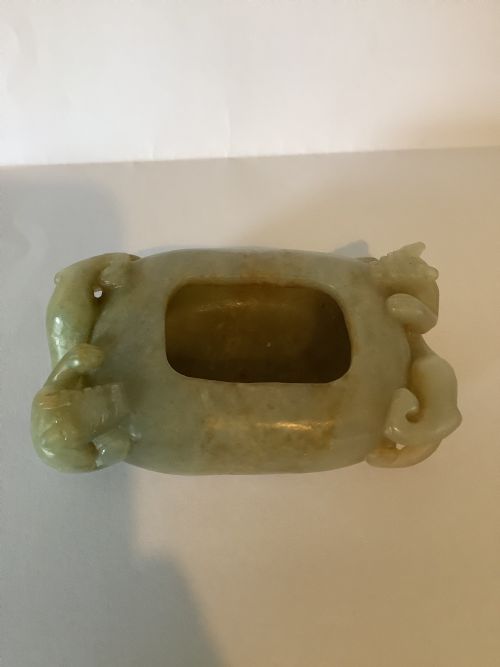
Age and historical attribution influence the standing of a piece, particularly those linked to specific reigns such as the Kangxi or Qianlong periods. Material selection also plays a part, with heavy, well-seasoned hardwoods and flawless jade commanding greater attention.
Antique Oriental Brush Pot Retail Price Guide 2026
Typical asking prices for oriental brush pot among the pieces listed under this phrase on Sellingantiques today, from the lower quarter to the upper quarter. They describe what is for sale here now, not the wider market.
The listings span the 17th, 18th, and 19th centuries, featuring porcelain, bamboo, hardwood, soapstone, and bronze.
The Antique Oriental Brush Pot Glossary
- Bitong
- A traditional Chinese cylindrical brush pot designed for the scholar's desk. This form constitutes the majority of ceramic and wooden examples found in collections.
- Brush Washer
- A shallow vessel used for rinsing calligraphy brushes during painting or writing. These often share the same material palette and decorative motifs as brush pots.
- Famille Verte
- A Chinese porcelain palette dominated by green enamel overglaze colours, developed during the Qing dynasty. Pieces utilising this style often depict historical figures or garden scenes.
- Qing Dynasty
- The final imperial dynasty of China, lasting from 1644 until 1912. Many surviving carved bamboo and porcelain brush pots originate from this extended period.
- Meiji Period
- An era of Japanese history spanning from 1868 to 1912, known for distinct metalwork and decorative arts. Items from this time include patinated bronze vases and modified brush pot lamps.
Antique Oriental Brush Pot: Frequently Asked Questions
What is a bitong?
A bitong is the traditional Chinese term for a cylindrical brush pot used by scholars. These vessels held writing brushes upright on the desk.
They appear in porcelain, bamboo, and hardwood, often decorated with carved narrative scenes.
How were brush pots used?
Scholars and officials used them to organise ink brushes within the studio. They formed part of an essential set of desk accessories.
Today they function as decorative containers or standalone objects of art.
How do I date a brush pot?
Dating relies on material characteristics, glaze types, and carved stylistic details. Reference to periods such as the Kangxi reign or Qing dynasty provides a baseline.
Craftsmanship and wear patterns help confirm the age of wooden and bamboo examples.
What materials are most common?
Bamboo and porcelain appear most frequently in these listings. Hardwood and soapstone also represent significant traditional materials.
Each material dictates the style of carving or glazing applied to the vessel.