



Chinese Bitong Pot
A Chinese bitong pot is a scholar's brush holder designed for the desk, offering a tangible link to traditional scholarly life.
Chinese Bitong Pot
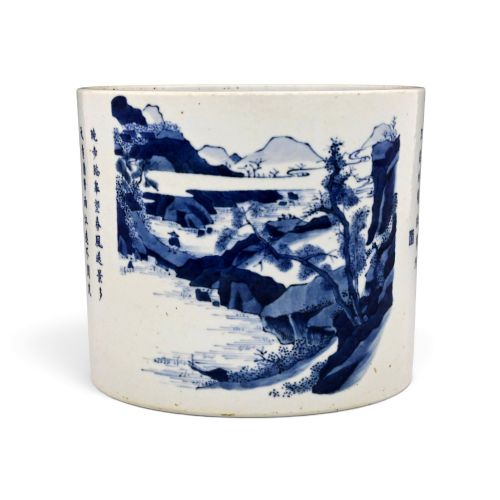
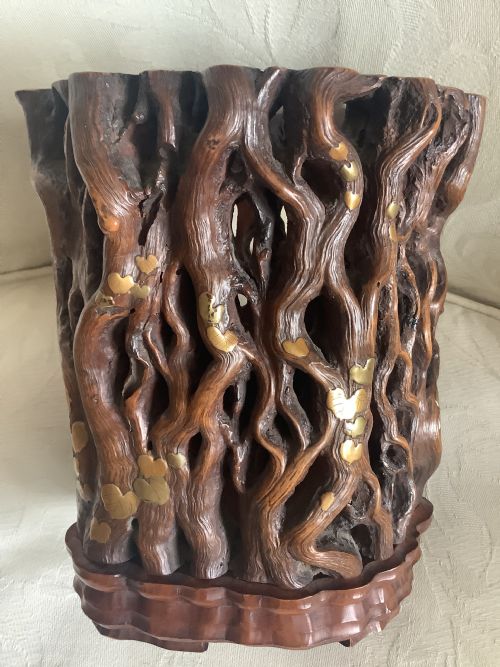
When you search for a Chinese bitong pot, you encounter cylindrical vessels historically used in the scholar's studio to hold writing brushes. These desk accessories appear on this page primarily in porcelain and carved bamboo, alongside examples in hardwood.
The material evidence spans several periods, notably the seventeenth century through to the nineteenth century, encompassing the Kangxi and Qing Dynasty eras. These cylindrical containers reflect the aesthetic values of the Chinese scholars studio.
The forms range from simple glazed porcelains to deeply carved organic materials and dense timbers. Collectors find these pieces functioning as decorative objects or holding pens and brushes on a modern desk.
How they were made
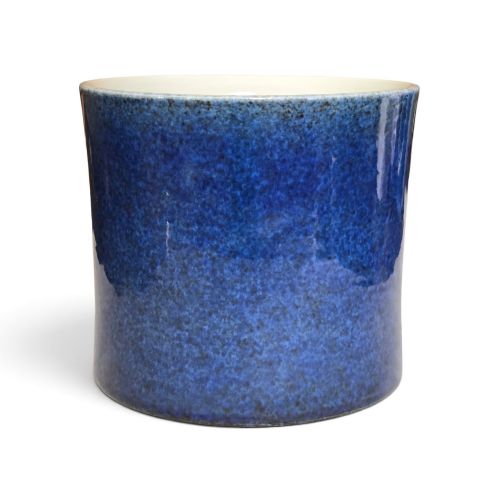
The manufacture of these objects relies on distinct artisanal traditions, utilising porcelain with cobalt underglaze, cobalt glaze, powder-blue glaze, and overglaze enamel or famille rose and famille verte palettes. Potters shaped clay on the wheel and applied pigments before firing at high temperatures.
Bamboo and hardwood versions required skilled carving techniques to cut deep relief scenes into the natural material. Artisans worked the grain of the wood or the nodes of the bamboo to depict figures, landscapes, and scholar scenes.
Chinese Bitong Pot Retail Price Guide 2026
Typical asking prices for chinese bitong pot among the pieces listed under this phrase on Sellingantiques today, from the lower quarter to the upper quarter. They describe what is for sale here now, not the wider market.
Some brush pots depict all eight immortals gathered together, offering divine literary inspiration right beside your stationery.
What varies in quality
The distinction between tiers rests upon the depth and precision of the carving in bamboo and hardwood pieces, or the refinement of the painting and glazing on porcelain. Finer examples display meticulous attention to detail in figures, facial expressions, and natural textures.
Provenance and period attribution also influence the standing of an item, with seventeenth-century Kangxi pieces commanding greater scholarly interest than later nineteenth-century equivalents. The crispness of enamels and the balance of the cylindrical form determine the visual success of the pot.
The Chinese Bitong Pot Glossary
- Bitong
- A cylindrical brush pot used in traditional Chinese scholarly settings. It sits upright to organise writing brushes.
- Famille rose
- A palette of opaque enamel colours introduced in the Qing Dynasty, dominated by pink and rose tones. It allows for soft tonal gradations in painted scenes.
- Famille verte
- A green-dominant palette of overglaze enamels used on porcelain, prominent during the Kangxi period. It relies on bright greens alongside iron red and yellow.
- Kangxi period
- A significant era of Qing Dynasty porcelain production lasting from sixteen sixty-two to seventeen twenty-two. Pieces from this time often exhibit high technical mastery.
- Underglaze
- Pigment applied to pottery before the final glaze and firing. Cobalt is the most common underglaze colour found on blue and white vessels.
Chinese Bitong Pot: Frequently Asked Questions
What is a Chinese bitong pot used for?
These cylindrical vessels served as brush pots on the desks of traditional Chinese scholars. They kept writing brushes upright and ready for calligraphy or painting.
Today, buyers use them to hold pens, display flowers, or simply appreciate them as desk accessories and sculptures.
How can I tell the period of a bitong pot?
Dating relies on material characteristics, painting styles, and carving depth. Seventeenth-century Kangxi pieces often feature specific blue and white or famille verte palettes.
Nineteenth-century examples frequently show heavier carving in bamboo or more varied enamel colours like famille rose. Comparing the workmanship helps establish the era.
What materials were used to make bitong pots?
The primary materials recorded are porcelain, bamboo, and hardwood. Porcelain examples display various glazes including powder-blue, cobalt underglaze, and overglaze enamel.
Organic materials like bamboo and dense hardwoods were hand-carved with elaborate scholar and official scenes.
How do I care for an antique bitong pot?
Keep porcelain, bamboo, and hardwood pots away from direct sunlight and sudden humidity changes. Dust them gently with a dry, soft cloth.
Avoid using liquid cleaners or polishing agents, particularly on carved organic surfaces where moisture can cause damage.