

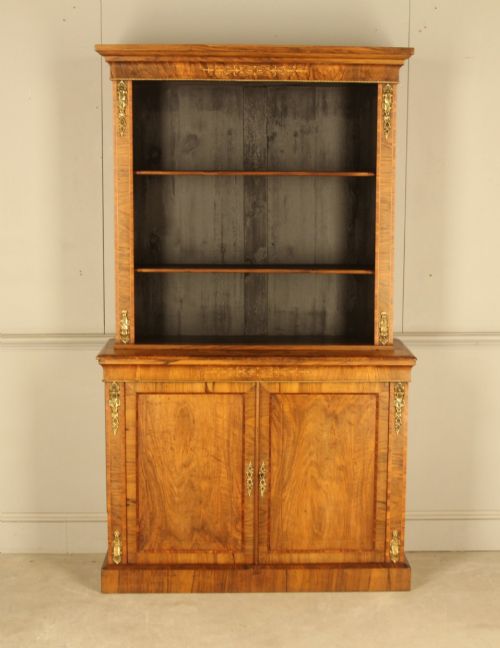
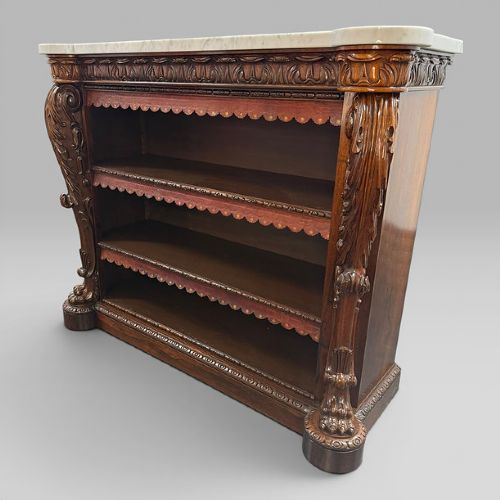
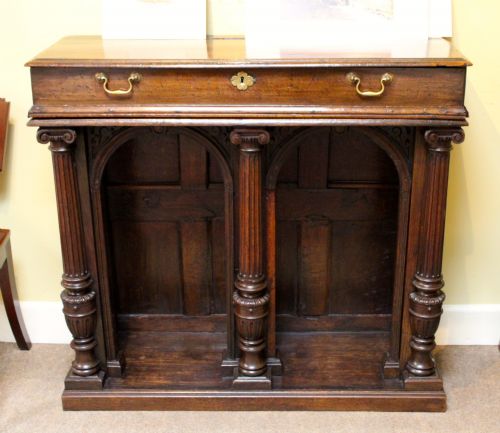


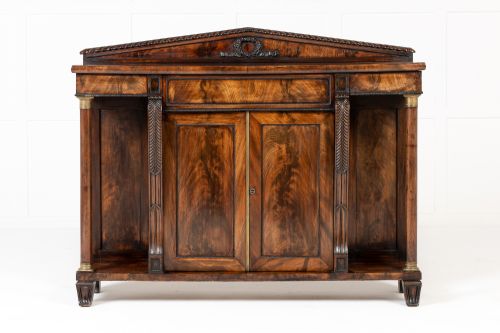
Antique Open Side Credenza
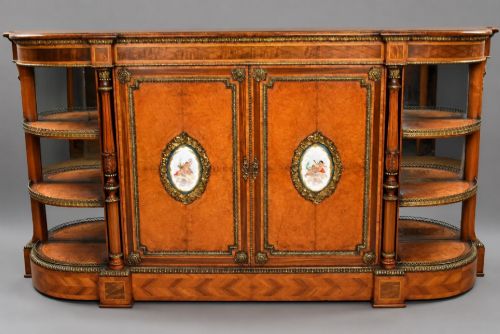
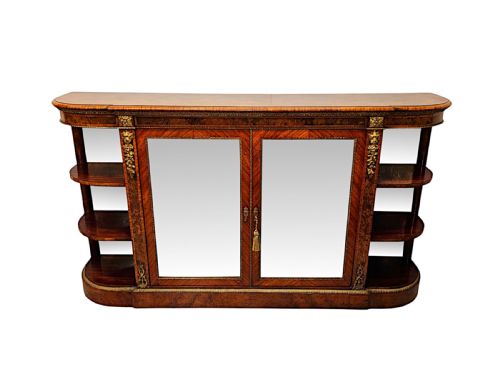
An antique open side credenza brings formal elegance to a room, offering display space and cabinetry shaped by nineteenth-century cabinet-makers.
Antique Open Side Credenza
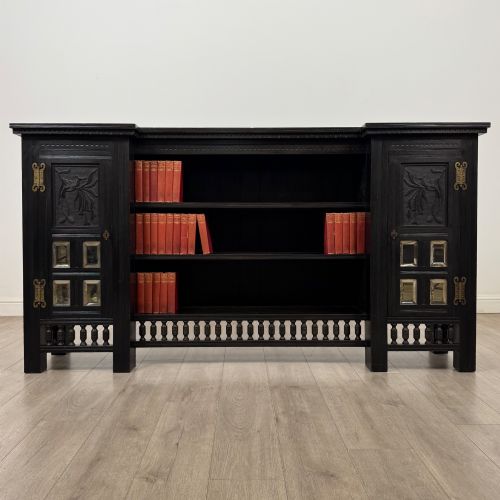
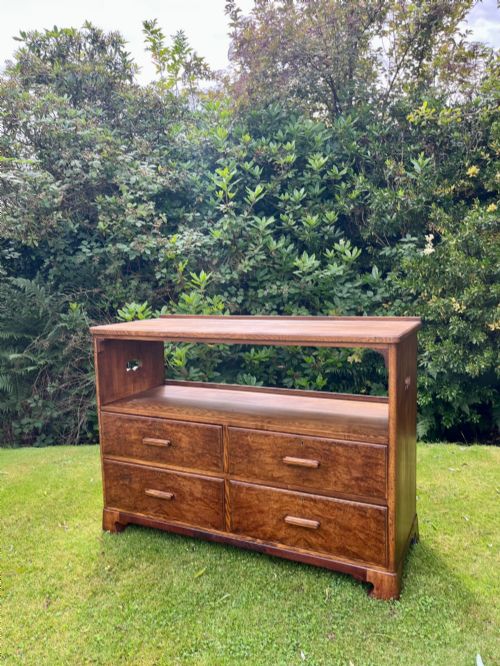
The search for an antique open side credenza reveals a diverse group of nineteenth-century and earlier storage furniture, spanning side cabinets, bookcases, and credenzas.
Most pieces encountered on this page date from the Victorian and Regency periods, frequently combining enclosed lower cupboards with open shelving.
Makers utilised rich timbers such as mahogany, walnut, rosewood, and pollard oak, often shaping them into breakfront or waterfall configurations.
What varies in quality
Quality rests upon the selection of timber veneers and the precision of the cabinet work, particularly around glazed doors, brass inlays, and structural joints.
Pieces bearing maker stamps or attributions to prominent workshops demonstrate superior craftsmanship and detailing that elevate them above standard production.
Antique Open Side Credenza Retail Price Guide 2026
Typical asking prices for open side credenza among the pieces listed under this phrase on Sellingantiques today, from the lower quarter to the upper quarter. They describe what is for sale here now, not the wider market.
Listings feature pieces spanning the 18th, 19th, and early 20th centuries, executed in mahogany, walnut, rosewood, and oak.
Whytock and Reid·Gillows·Collinson and Lock London·KRIEGER of Paris·William Trotter
The Antique Open Side Credenza Glossary
- Credenza
- A sideboard or cabinet, frequently featuring central cupboards flanked by open shelves or glass-fronted compartments. They became prominent display furniture in the nineteenth century.
- Ormolu
- Gilded bronze mounts applied to furniture for decorative effect. It was cast and chased to produce crisp ornamentation.
- Breakfront
- A piece of furniture where the central section projects forward from the flanking outer sections. This architectural arrangement creates depth and shadow.
- Marquetry
- The art of applying decorative veneer pieces in wood to form geometric or floral patterns. Master craftsmen used contrasting timbers to achieve tonal variation.
Antique Open Side Credenza: Frequently Asked Questions
How do I date an open credenza?
Dating relies on examining the timber species, construction methods, and decorative styles characteristic of periods like the Regency or Victorian eras. Secondary woods inside drawers also offer clues to the age.
Maker stamps or workshop attributions help narrow the production window, while specific motifs like brass inlay or ormolu mounts point to prevailing design trends.
How should I care for rosewood furniture?
Rosewood surfaces benefit from a stable indoor environment away from direct sunlight and heat sources to prevent timber splitting or fading. Regular dusting with a soft cloth maintains the finish.
Occasional application of appropriate wax polish preserves the natural sheen of the wood without building up heavy residues over time.
Where should I place a credenza?
A credenza suits dining rooms, hallways, or living spaces where its surface provides space for lamps, books, or decorative objects. Low profiles ensure windows and artwork remain unobstructed.
Placement should allow clearance for opening cabinet doors and accessing side shelving compartments safely.