
Antique Open Arm Chair
An antique open arm chair offers supportive seating through centuries of craftsmanship, spanning robust country elm frames to gilded library designs.
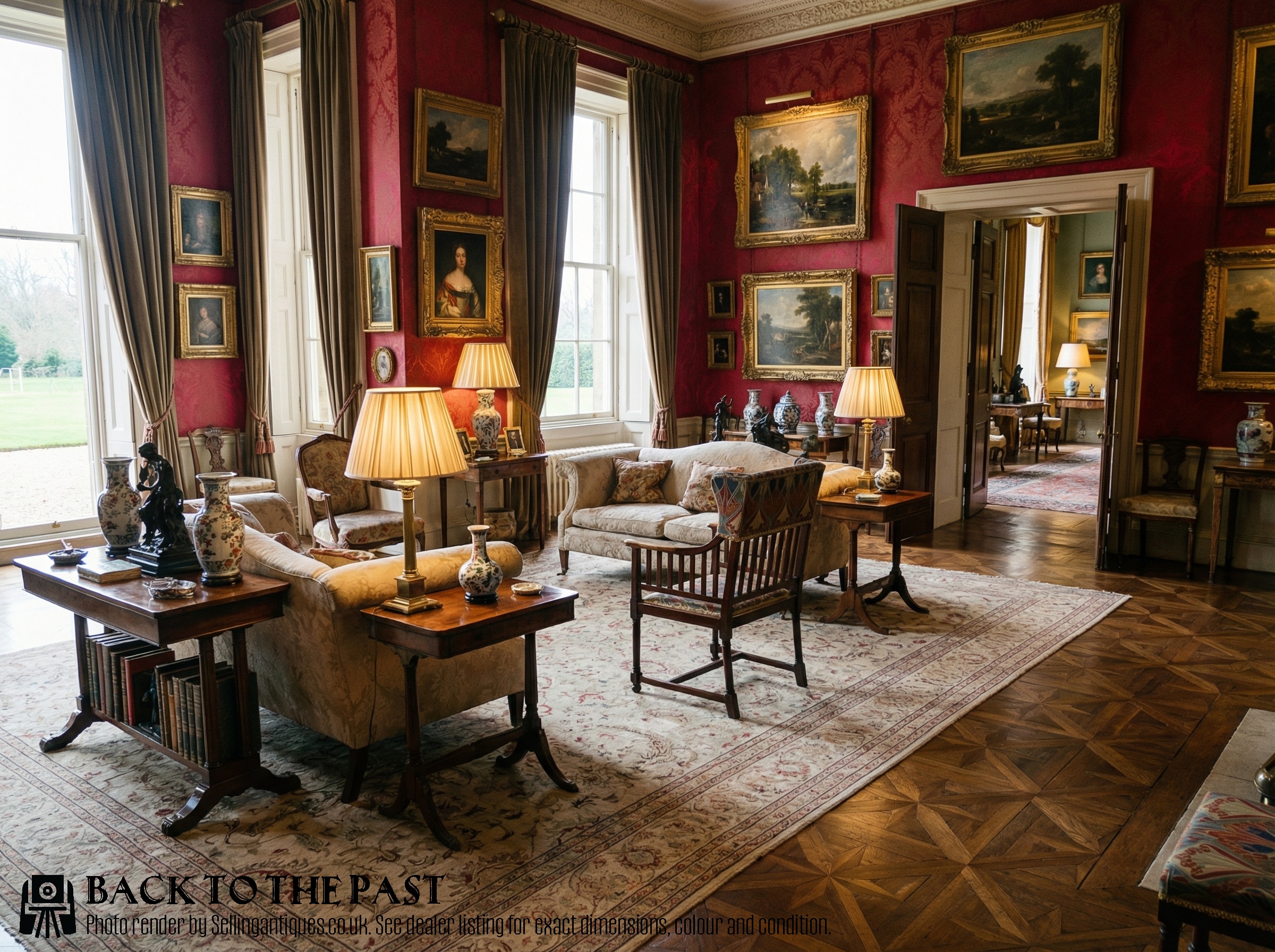
Antique Open Arm Chair
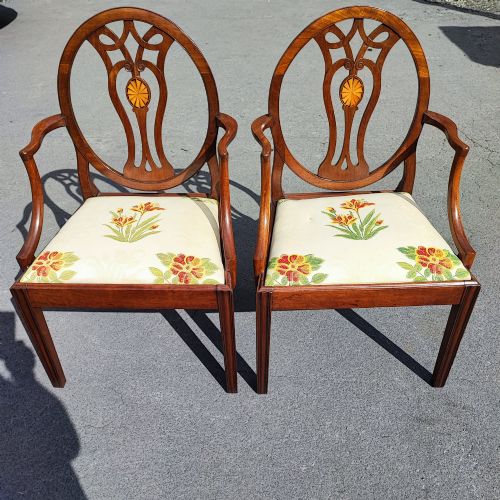
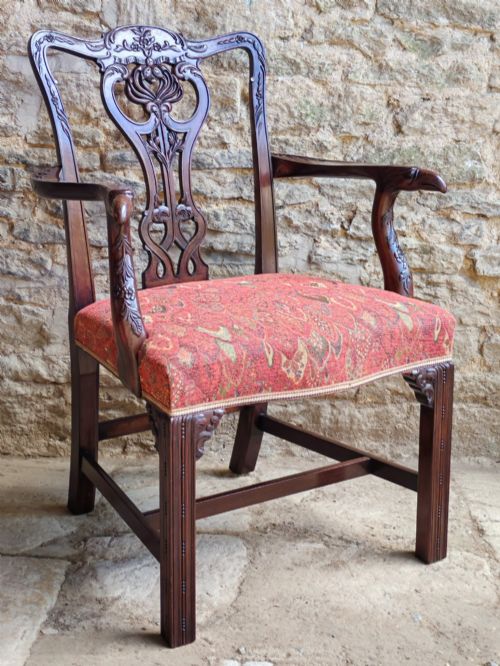
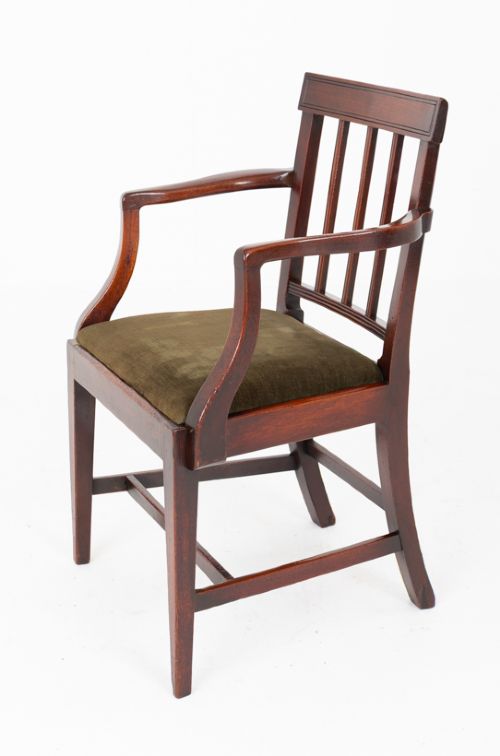
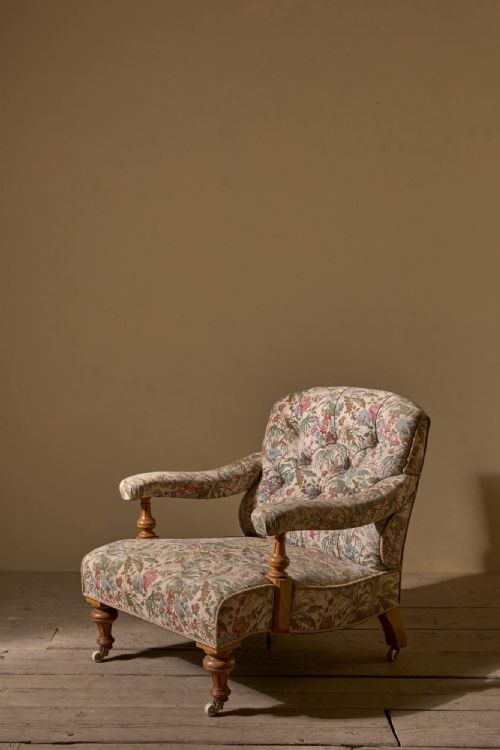
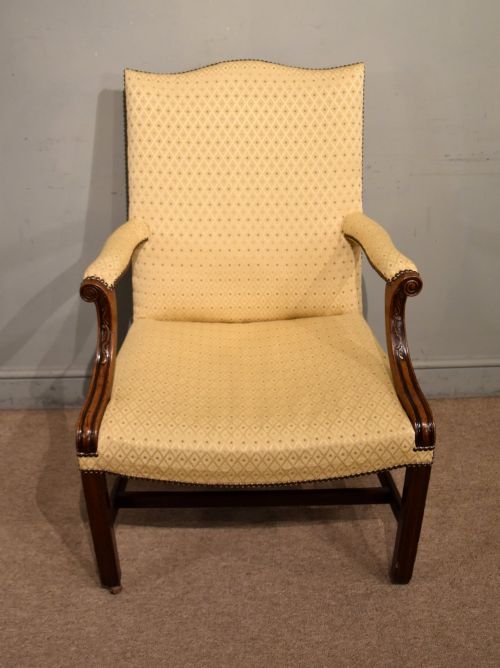
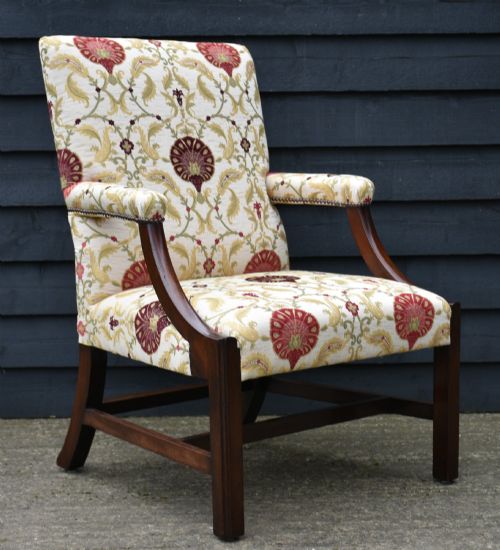
An antique open arm chair provides structural seating distinguished by exposed timber arms and upright proportions. These seats appear in formal library iterations alongside provincial country house forms.
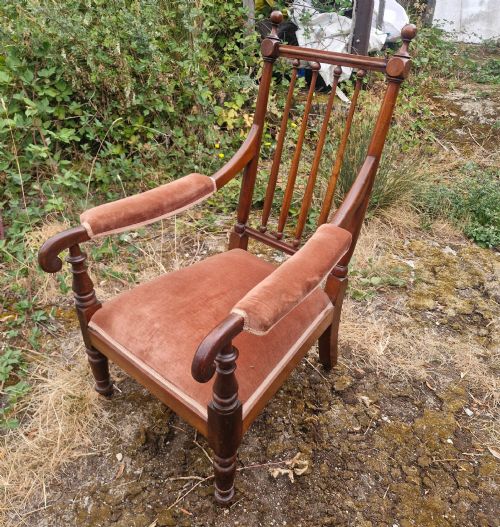
Buyers encountering this selection most frequently meet nineteenth-century mahogany, walnut, and oak examples. These items include both refined urban seating and vernacular ladderback designs from rural workshops.
The category encompasses seating meant for desks, parlours, and reading rooms. Each piece balances functional timber framing with period upholstery traditions.
Materials and construction methods
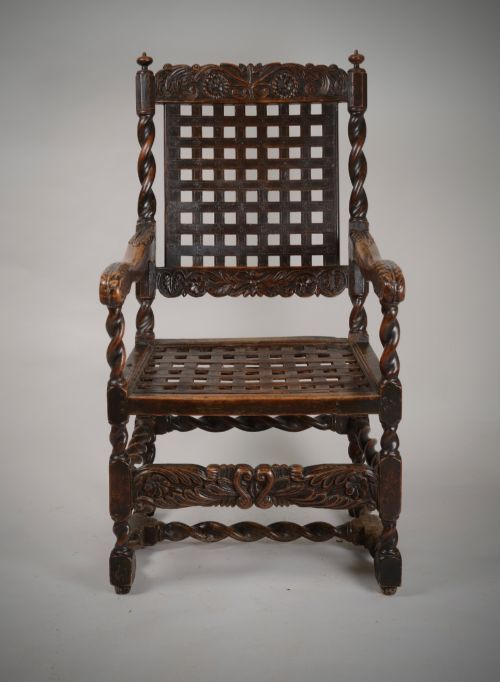
Cabinetmakers utilised hardwoods such as mahogany, walnut, and oak for structural stability and fine carving capabilities. Provincial items incorporated native timbers including elm, laburnum, and ash.
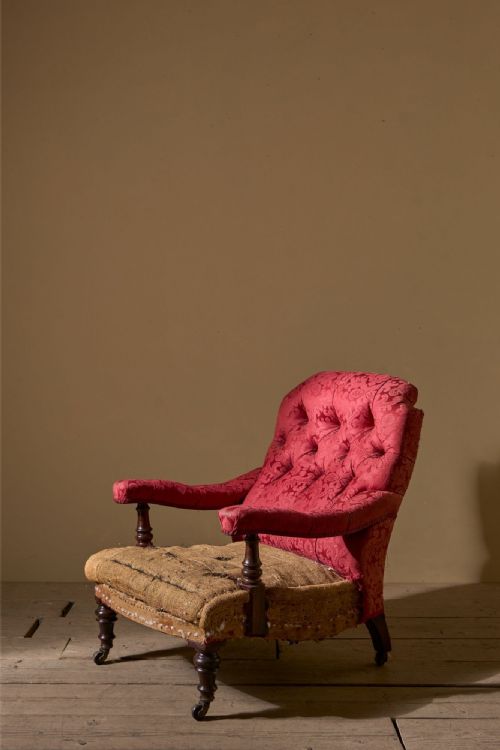
Upholstery methods relied on traditional webbing, stuffing, and horsehair foundations secured beneath silk, velvet, or ticking. Carved frames demonstrated mortise and tenon joinery combined with detailed hand-chizzled ornamentation.
Antique Open Arm Chair Retail Price Guide 2026
Typical asking prices for open arm chair among the pieces listed under this phrase on Sellingantiques today, from the lower quarter to the upper quarter. They describe what is for sale here now, not the wider market.
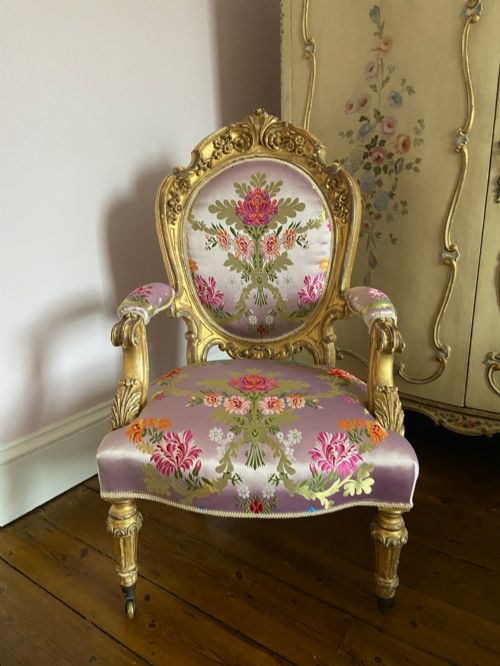
Upholstery options recorded in the archive range from historic ticking and calico to antique silk, velvet, and tapestry.
Distinguishing quality across periods
Quality rests in the crispness of timber carving and the integrity of the underlying frame construction. Superior examples retain original joinery without excessive timber replacement.
Proportion and wood selection dictate the standing of a piece within its period. Finer specimens display carefully figured mahogany or walnut veneers alongside harmonious structural balance.
Howard and Sons·Thomas Chippendale·Gillows·Morison and Co Edinburgh·Hampton and Sons
The Antique Open Arm Chair Glossary
- Carver
- An armchair designed with open wooden arms, frequently produced to match a set of dining chairs. These chairs sat at the head of the dining table.
- Fauteuil
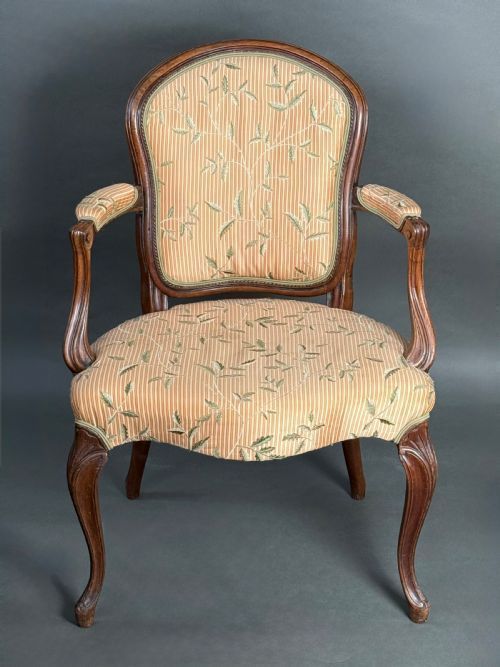
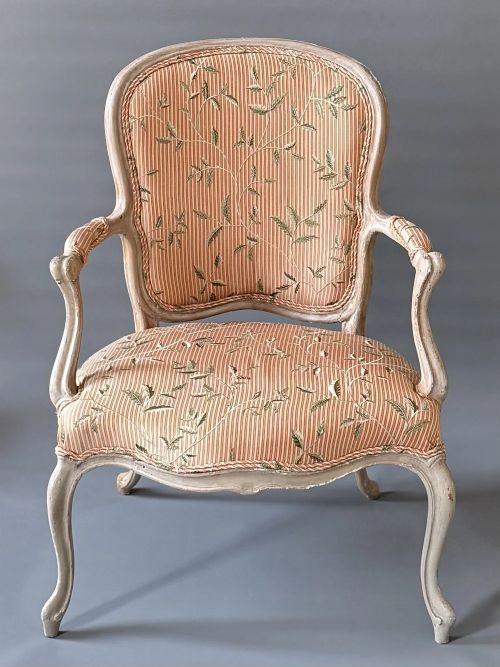
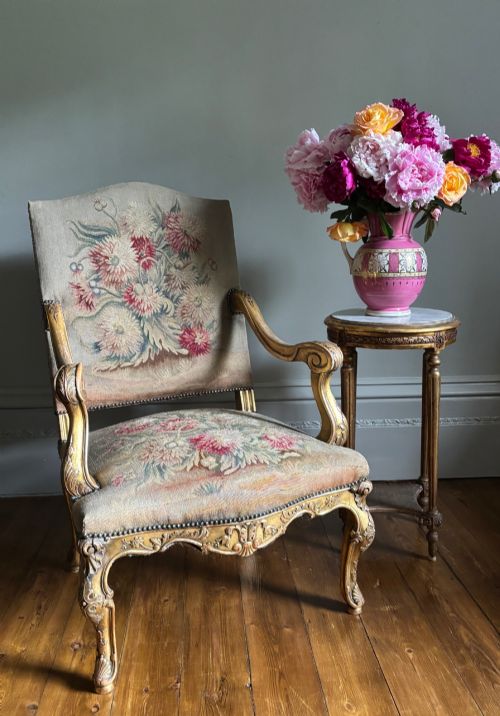
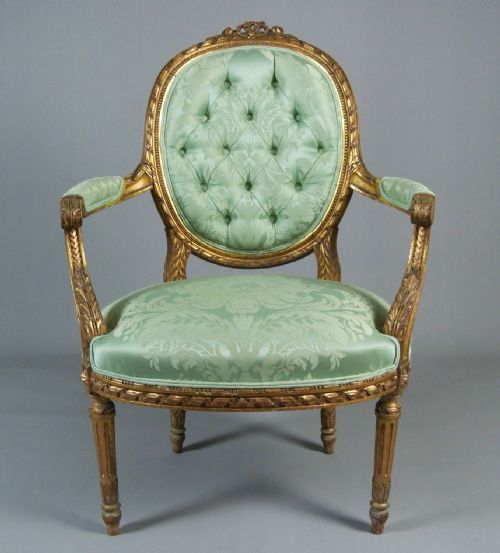
- An upholstered wooden armchair originating in France, characterised by open arms and exposed carved woodwork. The arms generally include padded elbow rests.
- Wainscot chair
- An early wooden armchair constructed primarily from oak with panelled backrests and sturdy arm supports. These heavy pieces date to seventeenth-century domestic interiors.
- Ladderback
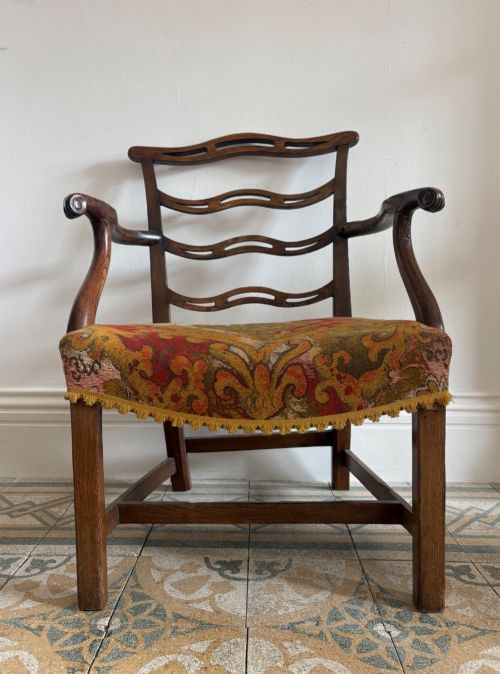
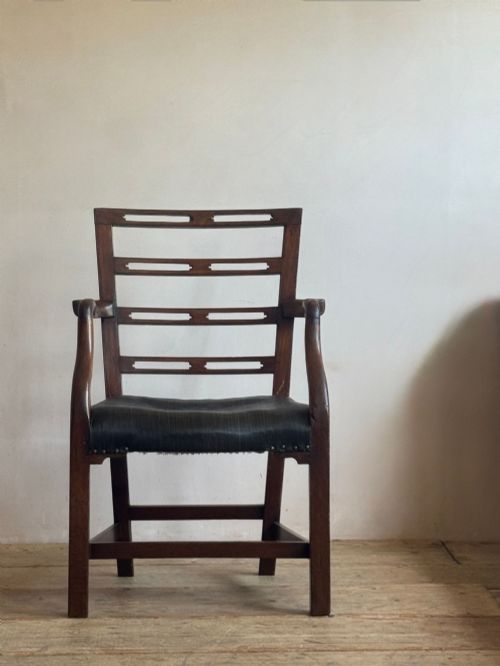
- A chair back constructed with horizontal arched slats between two upright posts. This style appears frequently in vernacular country seating.
Antique Open Arm Chair: Frequently Asked Questions
How were open armchairs used originally?
These chairs served specific social and domestic functions across different rooms in historic houses. Library examples provided comfortable seating for reading, while dining room carvers seated the head of the household.
Drawing room versions accommodated formal callers and displayed the owner's taste through decorative upholstery and carved woodwork.
How do I distinguish eighteenth from nineteenth-century chairs?
Eighteenth-century examples typically exhibit lighter timber scantlings, hand-carved details, and proportioned cabriole or straight legs depending on the decade. Cabinetmakers of this era focused on structural elegance and refined wood figures.
Nineteenth-century interpretations often repeat earlier styles with heavier framing or machine-milled components. Victorian adaptations frequently incorporate richer upholstery padding and denser walnut or mahogany timbers.
Where should I place an antique armchair at home?
An antique open arm chair functions effectively in a study, drawing room, or bedroom corner as a standalone accent piece. Pairing a library armchair with a reading lamp creates a practical reading nook.
Avoid positioning antique timber and sensitive fabrics in direct sunlight or adjacent to active heat sources to protect the materials.
What is the difference between country and formal styles?
Country styles utilise regional timbers such as elm, ash, and oak with simpler construction methods suited to vernacular life. These items often feature rush seats or straightforward ladderback designs.
Formal styles employ imported mahogany or walnut, elaborate carving, and sophisticated upholstery fabrics. They reflect urban cabinetmaking standards from London, Edinburgh, or Paris workshops.