

Antique Oil Painting Framing
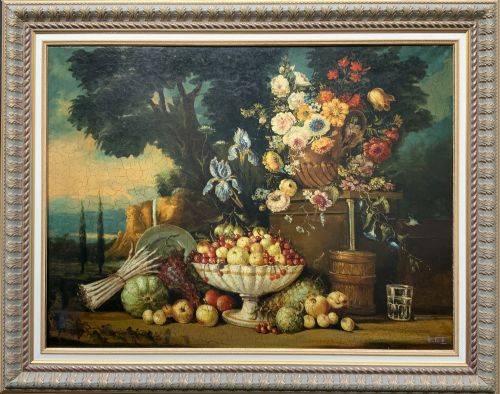
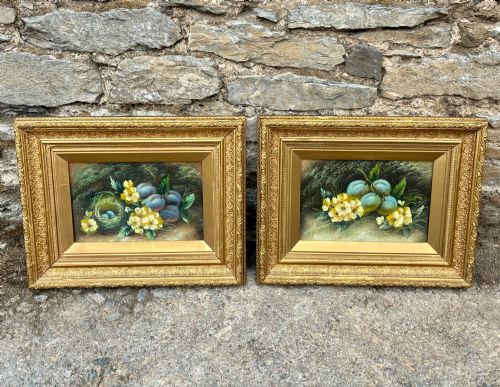
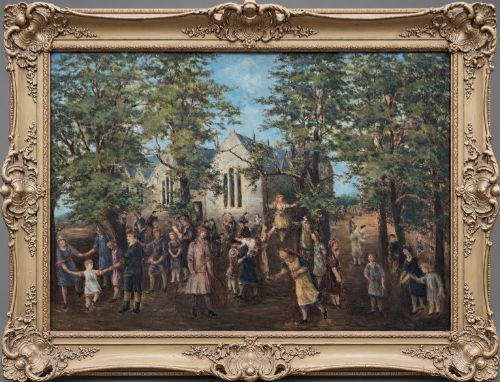
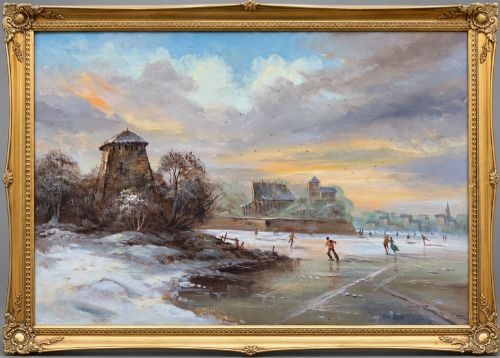
Antique oil painting framing encompasses period canvases and their surrounds, bringing historical depth and traditional craftsmanship to interiors.
Antique Oil Painting Framing
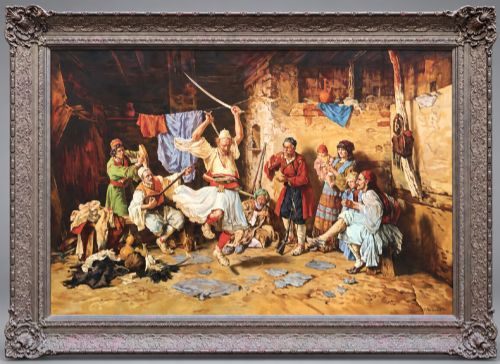
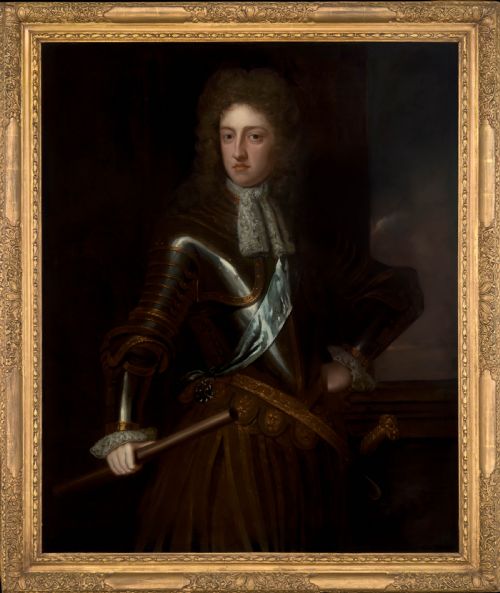
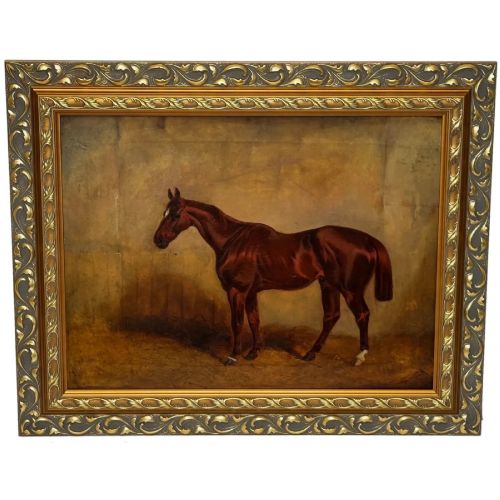
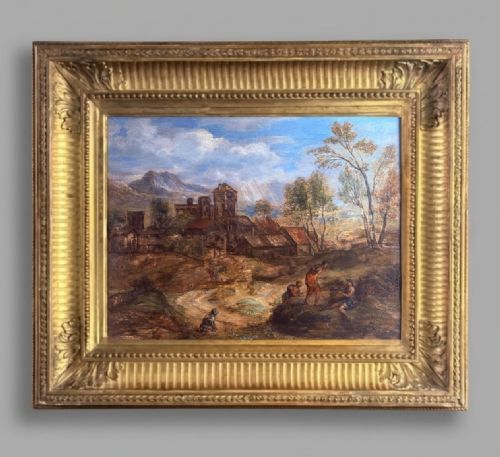
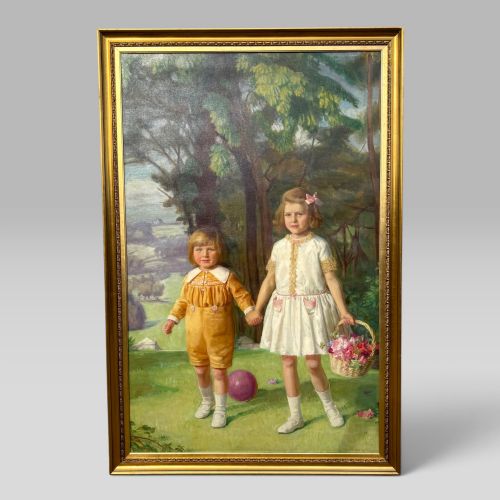
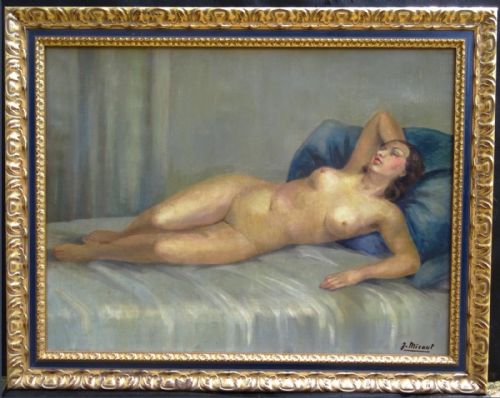
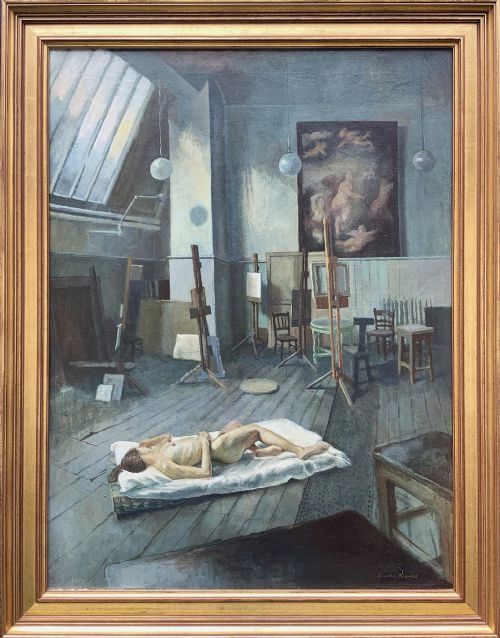
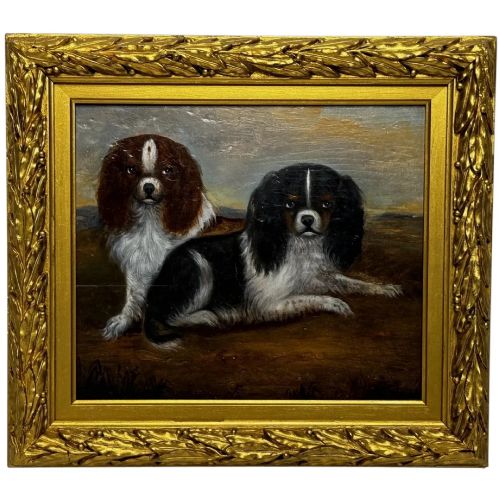
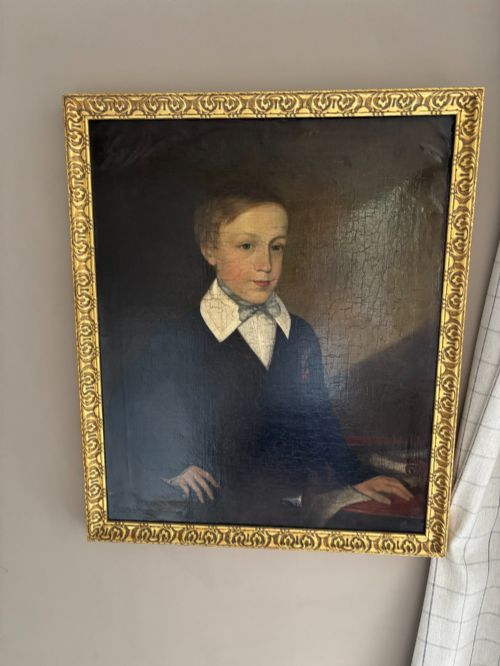
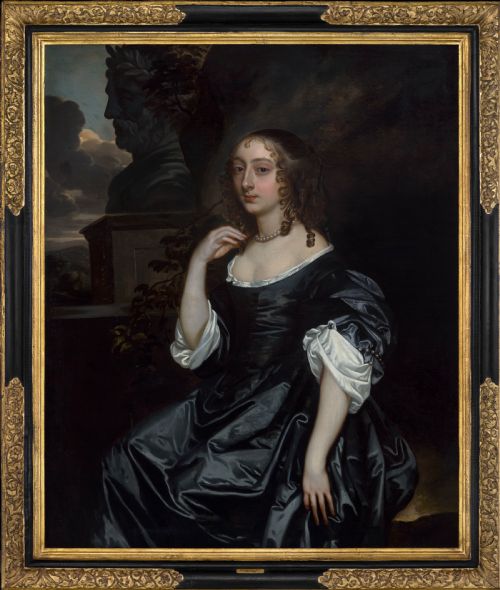
Objects on this page range from early English and Flemish school portraits on panel and canvas to Victorian landscapes and French decorative pieces. Many works retain their period character through traditional oil paint techniques and wood surrounds.
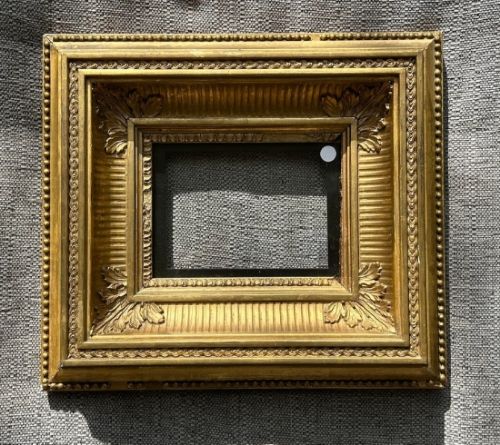
The material composition typically combines oil on canvas or panel with wooden structures finished in gold leaf or giltwood. Trumeau mirrors integrating oil paintings represent a distinct architectural form within this grouping.
How they were made
Makers built these pieces using oil paint applied to prepared canvas or wooden panels, supported by timber stretchers and frames. Gold leaf and giltwood provide the decorative surface treatment for the surrounds.
The physical construction relies on traditional joinery for the wooden frames and layered priming for the canvas supports. Painters utilised oil mediums to achieve depth and durability across portraits, landscapes, and classical scenes.
Listings feature works spanning from the 17th century through the 20th century, utilising oil on canvas, wood, and gold leaf.
What varies in quality
Quality differences lie in the finesse of the brushwork, the integrity of the canvas or panel support, and the preservation of the original gilt surface. Masterful handling of light and proportion distinguishes accomplished portraiture and landscape work from standard studio output.
The harmony between the painting and its framing alters the overall merit, particularly where period surrounds retain their original gilding and structural joinery without heavy restoration.
Joseph Clover RA·Henry Barraud·Sir Joshua Reynolds·Charles-Antoine Coypel·Eugène Verboeckhoven
The Antique Oil Painting Framing Glossary
- Giltwood
- Wood carved and coated with gold leaf or metallic powder. This material forms the decorative surface of many historical picture surrounds.
- Oil on Canvas
- Pigment mixed with drying oil applied to woven fabric stretched over a wooden frame. This medium defines the majority of historical paintings.
- Trumeau Mirror
- An architectural wall mirror incorporating a painted panel above the glass plate. These pieces originate frequently from French decorative traditions.
- Panel
- A flat piece of wood used as a rigid support for painting instead of stretched fabric. Panel works often date from earlier historical periods.
- School
- A group of artists working in a particular region or style during a shared timeframe. Designations such as Flemish School indicate geographic and stylistic origins.
Antique Oil Painting Framing: Frequently Asked Questions
How do I identify the period of a painting?
Examine the materials, canvas preparation, and stylistic conventions used in the brushwork. Historical clues often appear in the clothing styles and portrait subjects.
Compare the construction of the wooden stretcher and the style of the framing with known historical examples. Documentation or inscriptions on the reverse can provide further dating evidence.
What is a trumeau mirror?
A trumeau mirror is a decorative wall fixture that combines a vertical glass plate with an oil painting set into the upper section. These pieces were designed to fit specific wall panels in period interiors.
The integrated artwork often depicts classical or maritime scenes. This form bridges furniture, mirror glass, and fine art within a single carved surround.
How should I care for oil paintings?
Keep the canvas away from direct sunlight and steady humidity levels to prevent the paint layer from cracking. Stable environmental conditions protect both the canvas and the wooden frame.
Dust the surface gently with a soft, dry brush and avoid liquid cleaners. Professional conservation is recommended for any structural repairs to the canvas or gilding.
Are panel paintings older than canvas?
Wooden panels were the primary support for paintings before canvas became widely adopted during the sixteenth century. However, artists continued to use panels well into later periods for smaller works.
Panel supports offer a rigid surface that behaves differently from stretched fabric over time. Examining the wood grain helps determine the age and origin of the piece.