

Antique Oil Painted Artwork
Antique oil painted artwork captures centuries of portraiture, landscape and narrative scenes on canvas and wood using rich pigments.
Antique Oil Painted Artwork
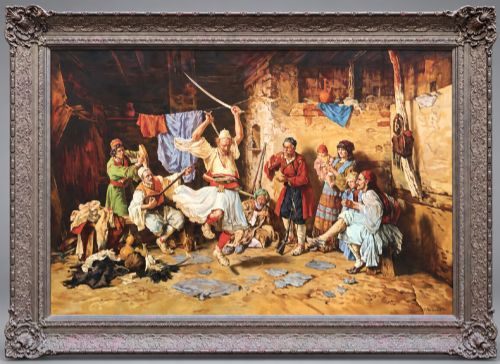
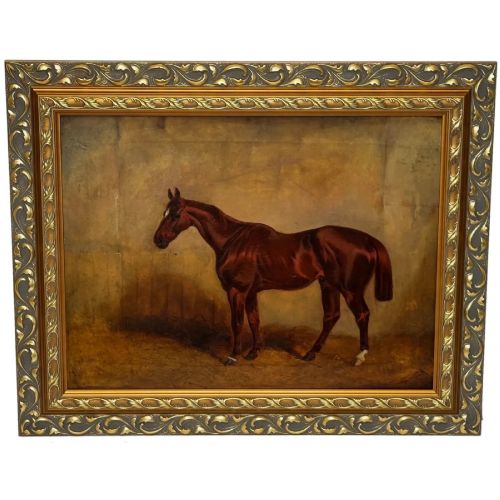
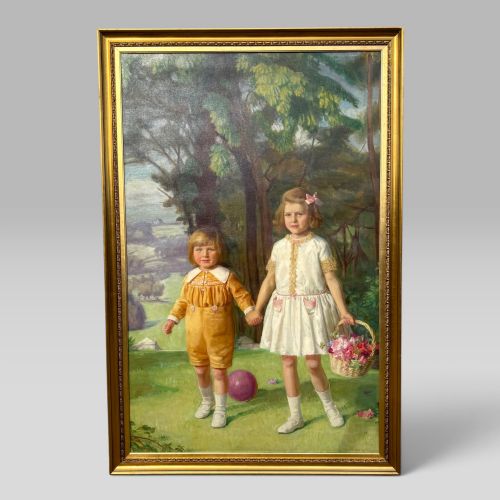
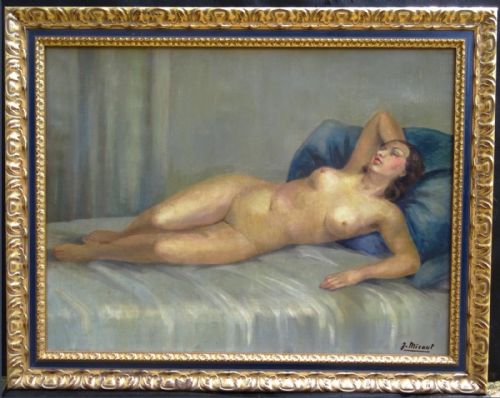
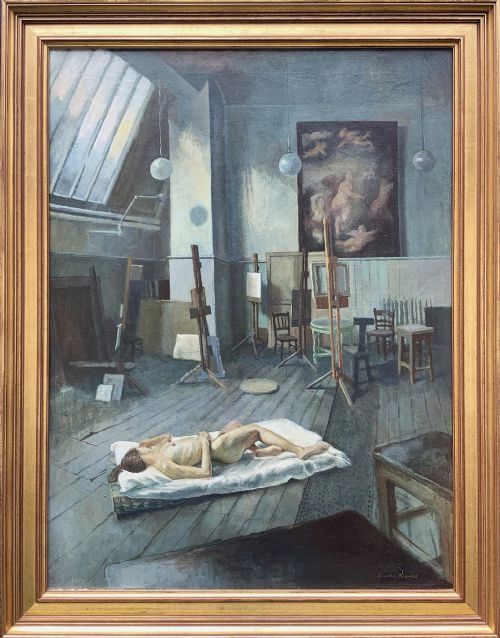
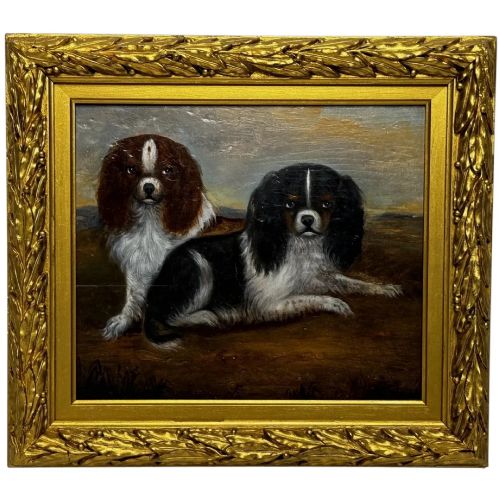
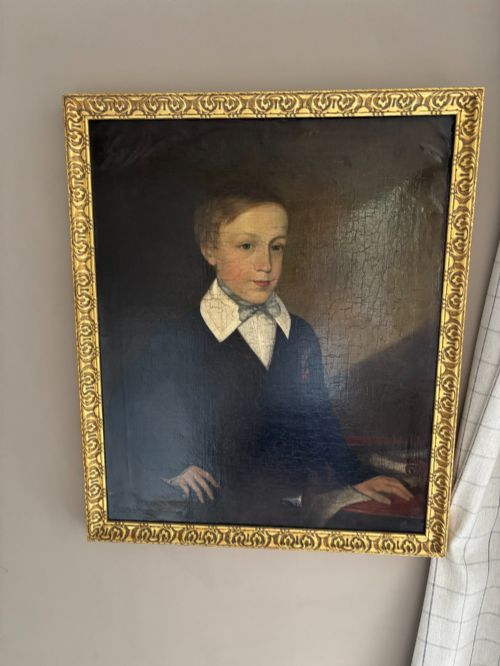
When searching for antique oil painted artwork, collectors look at historical canvases and panels spanning from the seventeenth century through to the mid-twentieth century. These works capture diverse subjects including formal portraiture, maritime scenes, pastoral landscapes, and classical mythological narratives.
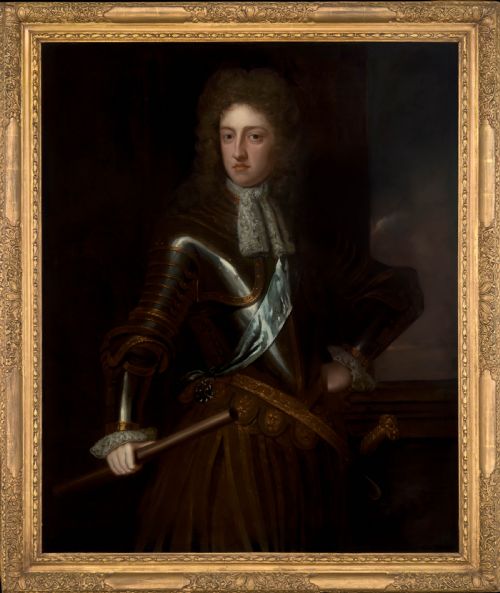
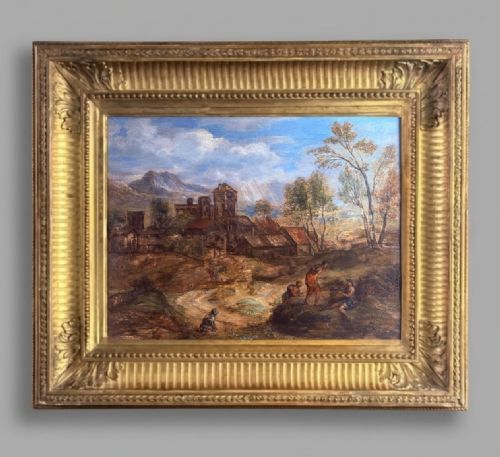
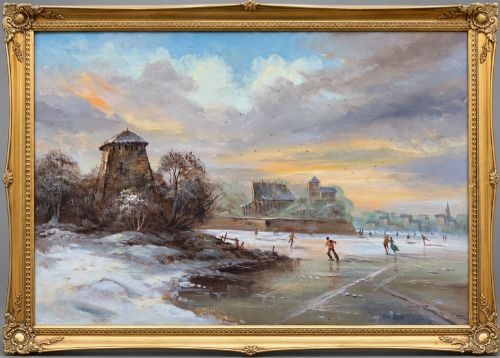
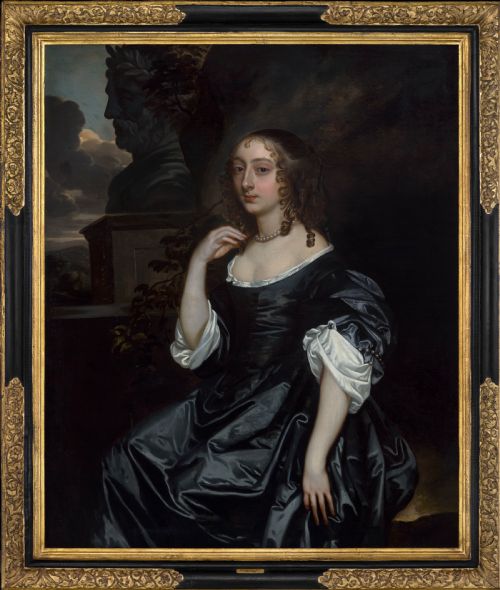
The pieces most frequently met on this page range from nineteenth-century British and European landscapes to earlier aristocratic portraits. They reflect the prevalent artistic movements of their respective eras, moving from Baroque and Rococo traditions through to nineteenth-century realism and early twentieth-century impressionism.
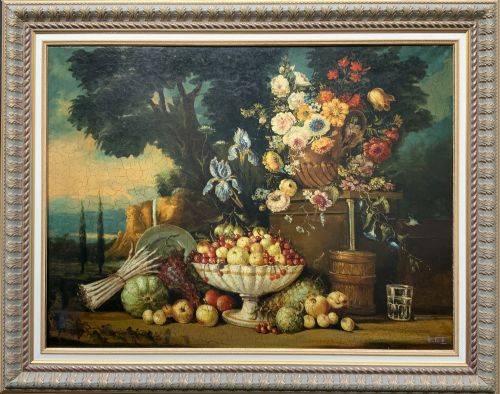
Buyers encounter various formats, from intimate cabinet panels to monumental canvases intended for grand interiors. Subjects stretch from quiet domestic still lifes of flowers and fruit to dramatic coastal views and historical military officers.
How these works were constructed
Artists painted primarily with oil paint suspended in drying oils, applied onto prepared surfaces of woven canvas or solid wood panels. These materials allowed for slow drying times, enabling painters to blend tones smoothly and build rich layers of colour.
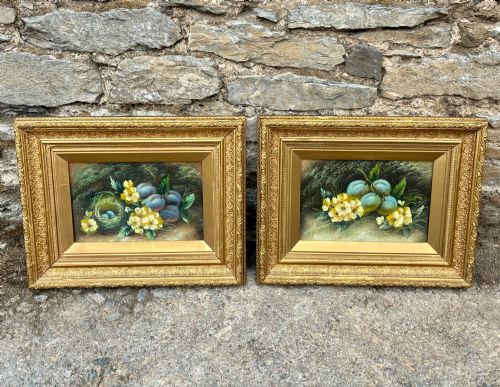
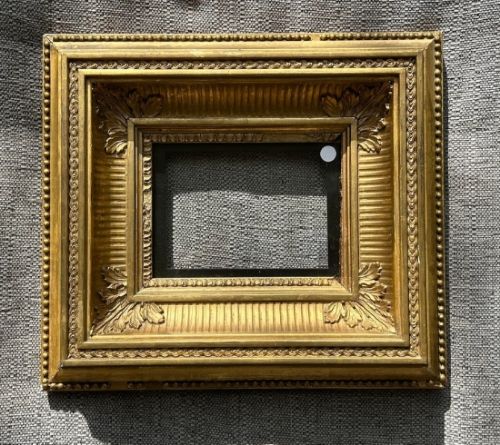
Many works incorporate ornate framing elements such as giltwood and gold leaf surrounds that complement the depth of the painted surface. The combination of durable oil pigments and sturdy wooden or canvas supports ensured these artworks survived across multiple centuries.
Listings span multiple centuries, ranging from seventeenth-century portraits to twentieth-century impressionist landscapes.
What separates works within the range
Quality in these paintings rests upon the surety of the brushwork and the anatomical or spatial accuracy achieved by the artist. Masterful handling of light and shadow creates depth and presence that lesser decorative workshop pieces lack.
The preservation of the original pigment layer and the subtlety of the colour palette also distinguish finer examples. Superior works retain their original tonal balance without heavy modern overpainting obscuring the maker's hand.
Henry Barraud·Sir Joshua Reynolds·Charles Antoine Coypel·Sir Peter Lely·Eugène Verboeckhoven
The Antique Oil Painted Artwork Glossary
- Canvas
- A heavy woven fabric stretched across a wooden frame to serve as a sturdy support for oil paint. It became the standard substrate for easel paintings from the Renaissance onwards.
- Giltwood
- Wood that has been decorated with a thin layer of gold leaf or gold powder. This material was widely utilised for ornate antique picture frames.
- Panel
- A flat piece of solid wood used as a rigid painting surface before canvas became dominant. Wooden panels were often utilised by earlier European schools.
- Still life
- An artwork depicting inanimate subject matter, typically commonplace objects such as flowers, fruit, or game. These compositions allowed artists to showcase their mastery of texture and light.
- Old master
- A term applied to European painters of high skill working before the nineteenth century. It also refers to the artworks produced by these significant historical figures.
Antique Oil Painted Artwork: Frequently Asked Questions
How do I care for an antique oil painting?
Keep the artwork away from direct sunlight and sudden shifts in temperature or humidity to protect the canvas and wood. Dust the surface very gently with a soft, dry brush without applying pressure.
Avoid using any water, chemical cleaners, or damp cloths on the paint layer. Professional conservators should handle any deeper cleaning or structural repairs.
How can I tell the period of a painting?
Examine the style of clothing, hair, and surrounding objects depicted in portraits or genre scenes for clues to the era. The preparation of the canvas or the construction of the wooden panel and stretcher frame also help indicate age.
Signatures, inscriptions, and historical framing styles provide further evidence. Comparing the technique to known period works clarifies the dating.
Were these artworks always framed in gold?
Many fine historical paintings were housed in giltwood or gold leaf frames designed to enhance the richness of the oil pigments. Gilt surrounds helped separate the illusionistic space of the picture from the surrounding room.
While some frames are original to the pieces, others were replaced in later centuries to match contemporary interior tastes.
What is the difference between canvas and panel works?
Canvas supports consist of woven fabric stretched over a wooden frame, offering flexibility and a textured surface for the brush. They became increasingly common for larger works.
Wooden panels provide a rigid, smooth foundation favoured by earlier portraitists and landscape painters. Panel works require careful climate control to prevent the wood from warping.