
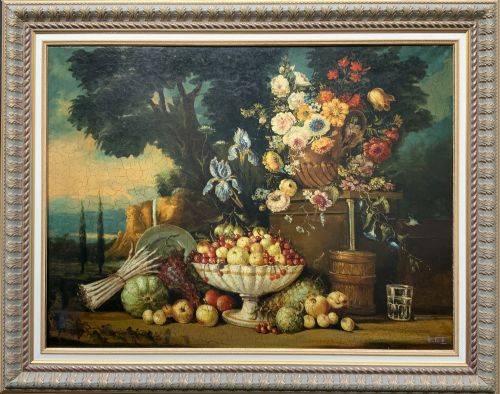
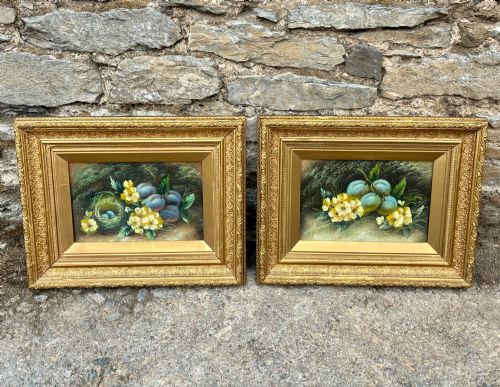
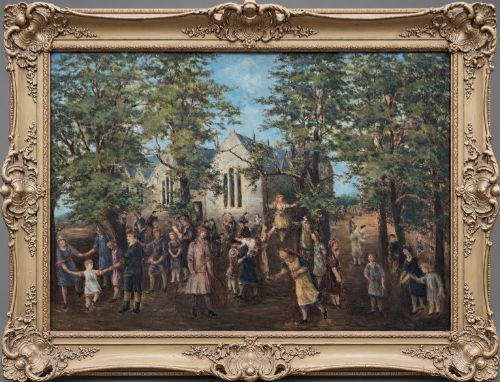

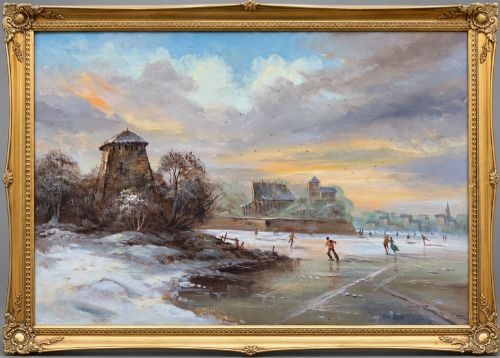
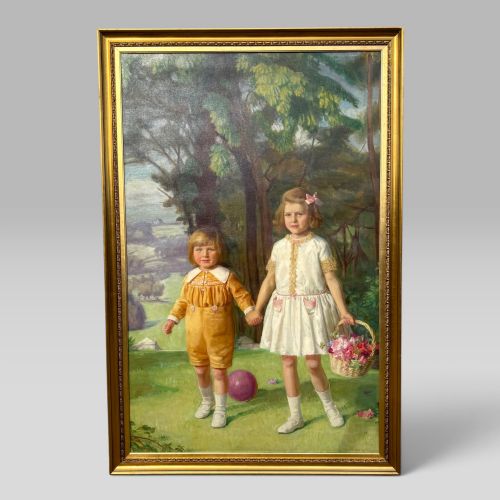
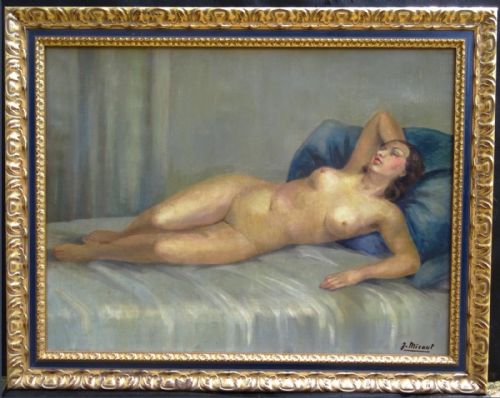
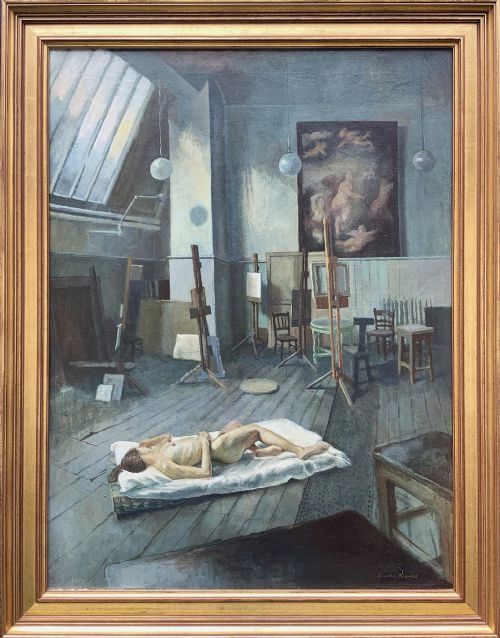

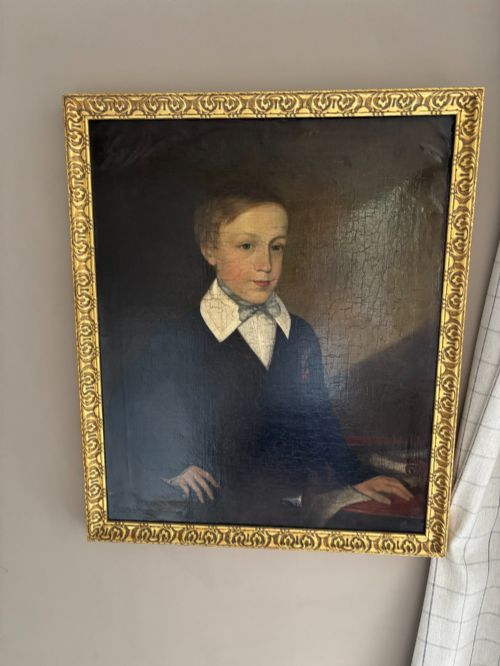
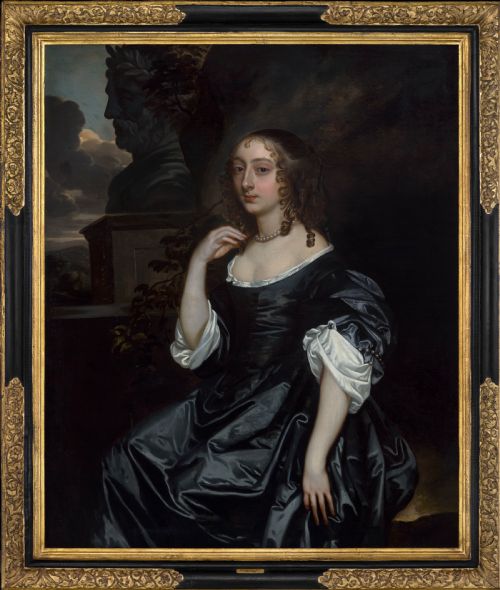
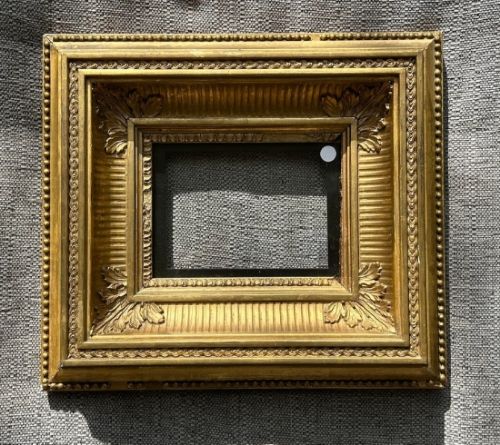
Antique Oil Frames
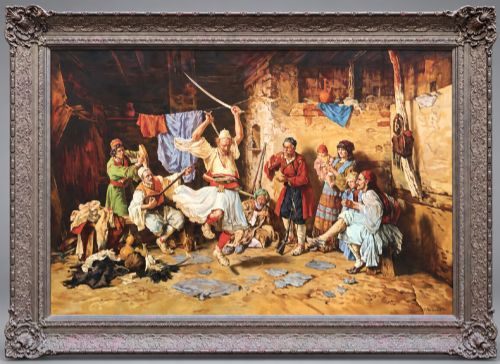
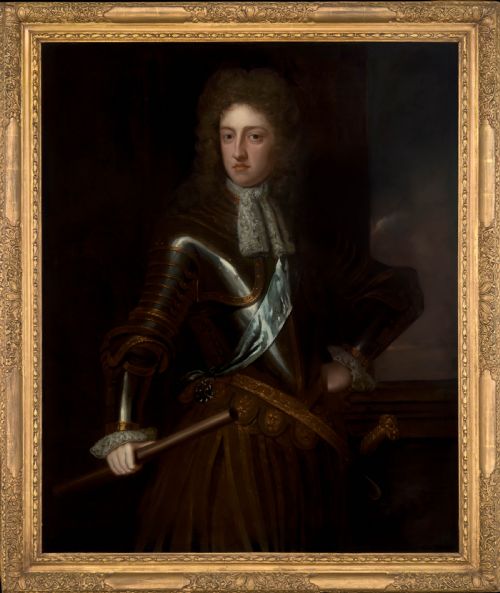
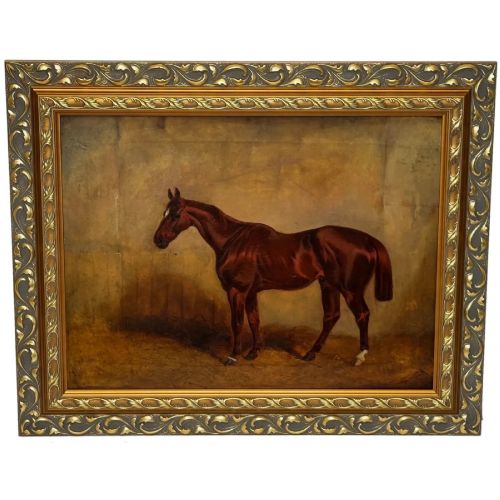
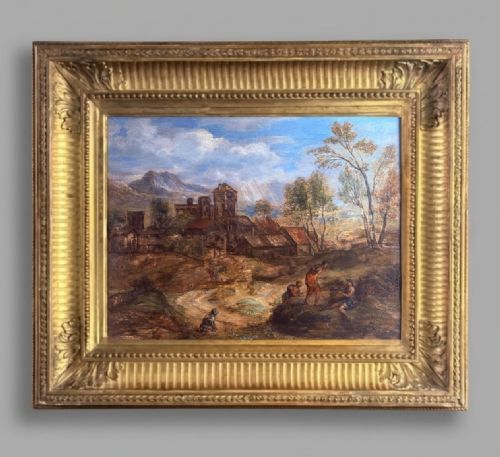
Antique oil frames hold canvas works from the seventeenth century onward, preserving portraits, landscapes, and maritime scenes within period wood and gilt surrounds.
Antique Oil Frames
When you search for antique oil frames, you encounter canvases and panels paired with their historic housings, spanning from the seventeenth century through the Victorian era to the mid-twentieth century.
The selections on this page feature English, French, Flemish, and Bavarian schools, enclosing subjects ranging from equine portraits and romantic landscapes to classical mythologies and still lifes.
Many listings present complete works where the oil painting and its decorative timber mounting remain unified, showcasing styles from Baroque and Georgian to Regency and French Chateau.
Materials and construction
Makers constructed these housings primarily from solid wood, applying layers of gesso and gold leaf or giltwood to achieve a reflective metallic finish.
Canvases and wooden panels received applications of oil paint, utilising natural pigments suspended in drying oils to render portraits and pastoral scenes.
Joinery techniques on the timber surrounds involved pegged or mitred corners, often complemented by hand-carved ornamentation, swept mouldings, or inset gilt borders.
Materials recorded across the archive include giltwood, gold leaf, oil paint, and timber.
Distinctions in quality
The calibre of a piece depends on the depth of hand-carving in the wooden moulding and the integrity of the original gilding rather than modern restoration.
Skilled execution in the accompanying oil painting - evident in facial modelling, handling of textiles, and naturalistic lighting - elevates the overall standing of the work.
The harmony between the artwork and its period surround determines visual success, with matched pairings maintaining greater historical cohesion.
Joseph Clover·Henry Barraud·Theude Grönland·Sir Joseph Noel Paton·James Hardy·Sir Godfrey Kneller·Charles Jervas·Charles-Antoine Coypel·Sir Joshua Reynolds·William Oliver·Eugène Verboeckhoven·Richard Sebastian Bond·Jean-Baptiste Van Loo·William Beattie-Brown·Leonardo Da Vinci·Sir Martin Archer Shee·Bernard Hailstone·Felix Stone Moscheles·Georges de La Tour·William H Myers·George Graham·Sir Anthony van Dyck·Sir Peter Lely·John Hayls·Valentine T. Garland
The Antique Oil Frames Glossary
- Giltwood
- Timber coated with fine gold leaf or gold paint over a prepared gesso ground. This technique provides the bright, reflective borders characteristic of formal period surrounds.
- Trumeau
- A decorative wall mirror incorporating an oil painting in its upper section. These French furnishings combined art and reflective glass within a unified wooden panel.
- Swept frame
- A moulding style featuring elaborate, flowing, scrollwork contours pressed or carved into the wood. It gained popularity for displaying nineteenth-century romantic landscapes and portraits.
- Panel
- A rigid wooden board utilised as a support for oil painting prior to or alongside stretched canvas. Panels offered a stable, flat surface for detailed portraiture.
- School
- A designation for a group of artists working in a specific region or following a particular master's style during a given era. This term helps attribute unsigned historic paintings.
Antique Oil Frames: Frequently Asked Questions
What periods do these frames represent?
The pieces span from the seventeenth century through Georgian and Victorian eras up to the mid-twentieth century.
Each period exhibits distinct moulding profiles, from dark seventeenth-century wooden joins to ornate nineteenth-century gilt sweeps.
How were these oil paintings housed?
Paintings on canvas or panel sit within fitted wooden surrounds secured by internal rebates and backing boards.
Many retain their original giltwood or gold leaf frames, while others incorporate decorative elements like swept corners or trumeau mirror panels.
How do I identify a period frame?
Examine the timber construction, gesso application, and the method used to join the corners of the moulding.
Historic surrounds show hand-worked tool marks and patination on the gold leaf that differ from modern manufactured replicas.
Can I hang these securely on a wall?
Yes, provided you use appropriate fixings suited to the substantial weight of solid wood and gesso.
Most historic pieces feature robust hanging loops or brackets attached directly to the wooden framework for wall display.