

Antique Occasional Seating
Antique occasional seating brings versatile grace to any room, offering nimble extra chairs shaped by centuries of changing social habits.
Antique Occasional Seating
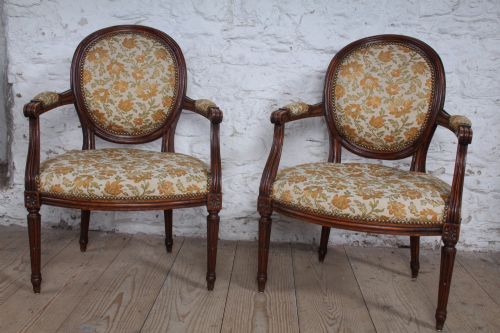
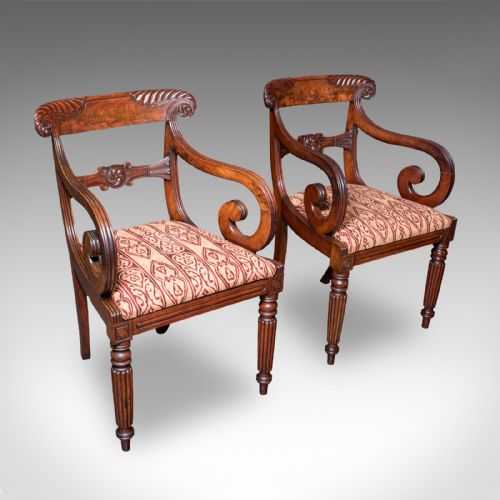
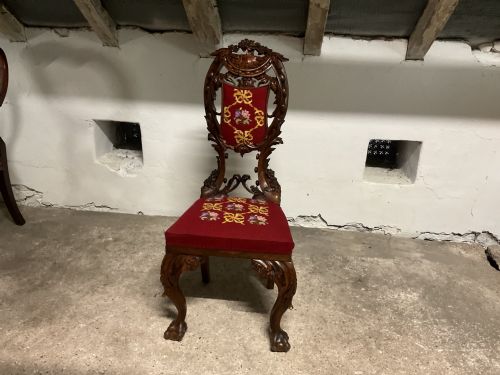
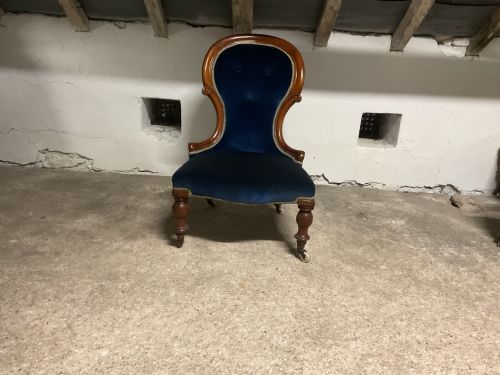
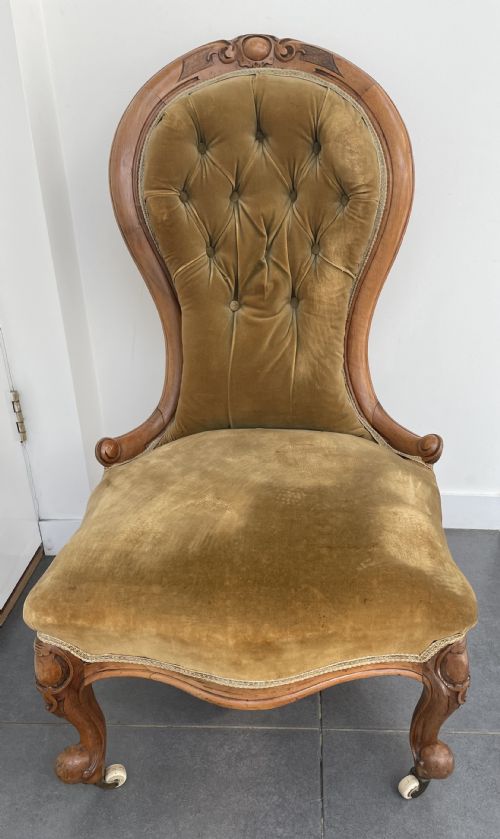
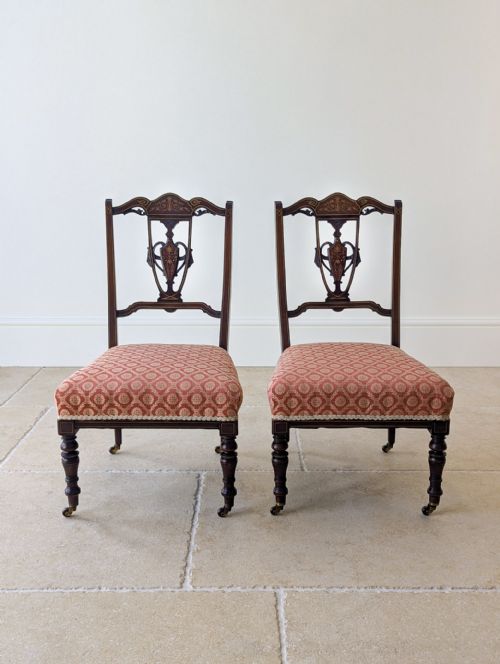
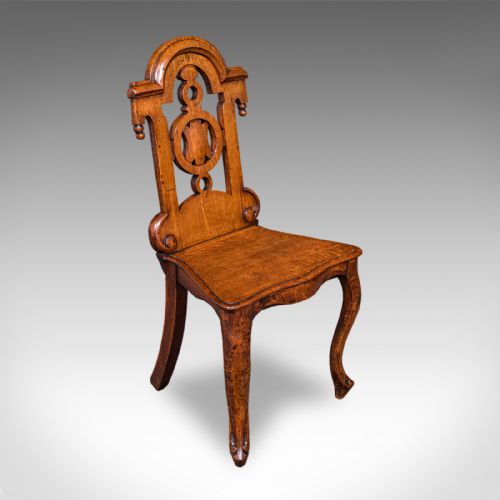
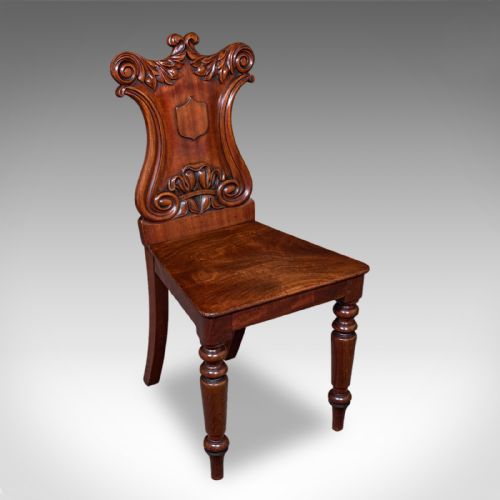
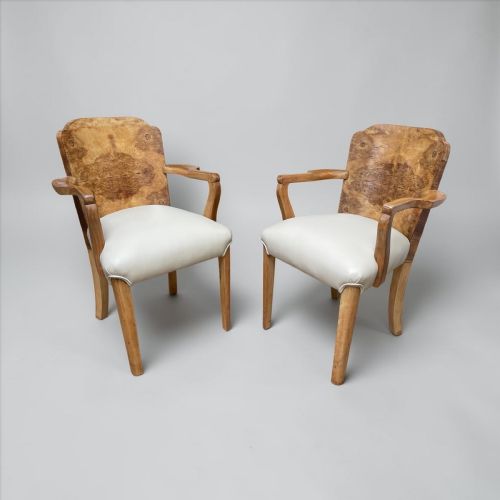
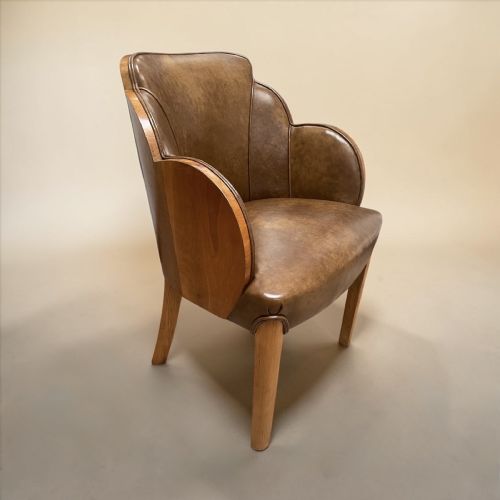
Antique occasional seating encompasses a diverse group of portable chairs and stools designed to be moved around a home as needed. Buyers seeking antique occasional seating will find pieces ranging from formal salon chairs to sturdy hall chairs and low nursing chairs.
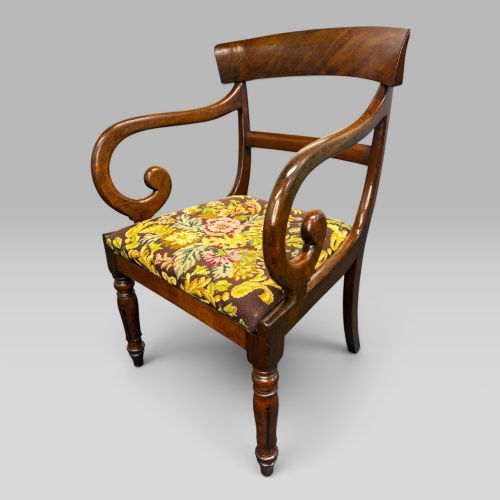
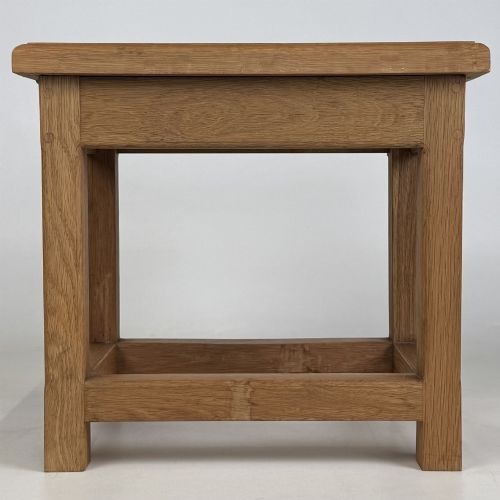
The selections span multiple centuries and stylistic movements, including Georgian, Regency, Victorian, and Edwardian eras. Common forms include side chairs, armchairs, elbow chairs, and stools fashioned from various regional timbers.
Victorian and Edwardian examples dominate the current availability, alongside earlier 18th century and Regency pieces. These chairs served various domestic functions in bedrooms, morning rooms, reception halls, and parlours.
Materials and Technique
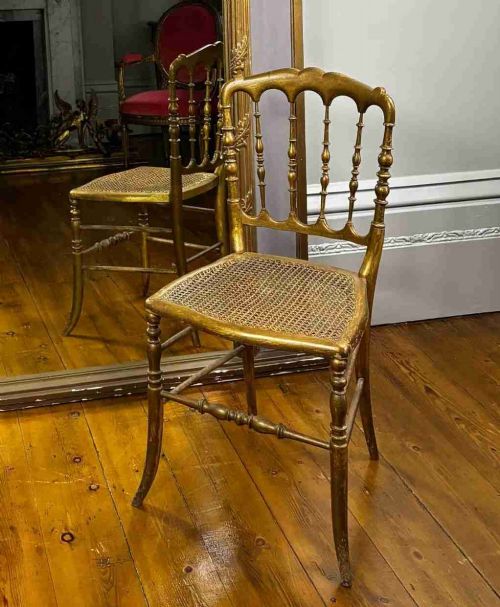
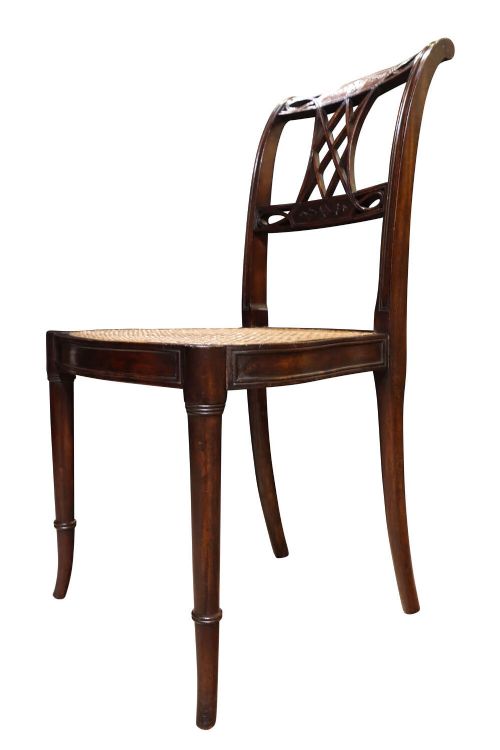
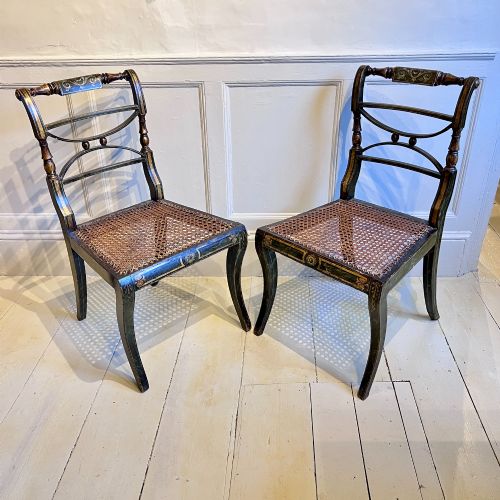
Cabinetmakers utilised timber frameworks predominantly in mahogany, walnut, oak, and beech, frequently shaping them through turning, carving, and steam bending. Selected pieces incorporate painted finishes, simulated rosewood, giltwood, or delicate string inlay.
Seating surfaces display significant variation, employing woven cane, upholstered pads covered in fabric, leather, or velvet, and button-backed padding. Structural assembly often relies on traditional joinery techniques suited to each specific stylistic period.
Listings feature timbers including mahogany, walnut, oak, and beech, alongside decorative cane, giltwood, and velvet.
Distinction in Craft
The distinction between standard examples and superior pieces rests in the sharpness of carved details, the choice of timber figure, and the integrity of the original construction. Master cabinetmakers invested greater time into refined proportions and harmonious lines.
Preservation of original decorative elements, such as painted surfaces, giltwood, or canework, elevates the standing of a piece. Subtle details like bobbin turnings, precise inlay work, and robust structural joinery mark the upper tier of surviving chairs.
The Antique Occasional Seating Glossary
- Salon chair
- A light, decorative chair designed for reception rooms rather than heavy daily use. These often feature slender frames and ornate details reflecting Victorian or Edwardian tastes.
- Nursing chair
- A low-seated armchair designed historically for comfort during nursing or feeding infants. Their low profiles distinguish them from standard bedroom or parlour seating.
- Caning
- A seating technique using woven rattan or cane strips to form a breathable, lightweight panel. It appears frequently on Edwardian and Regency chairs.
- Elbow chair
- An armchair with short arms that terminate before the front of the seat. They provide supportive seating without requiring the bulk of a full library armchair.
Antique Occasional Seating: Frequently Asked Questions
What is an occasional chair?
An occasional chair is a movable, standalone seat designed to supplement primary furniture in a room. They were historically brought out on occasion when extra guests arrived.
These pieces include salon chairs, side chairs, and nursing chairs that combine decorative appeal with practical portability.
How do I identify a Victorian chair?
Victorian chairs typically display darker timbers like mahogany and walnut, often featuring robust carved details or button-backed upholstery. Stylistic revivals such as Rococo influences are common.
They reflect the solid craftsmanship and changing domestic fashions of the mid to late 19th century.
Where were these chairs used?
These chairs served multiple domestic spaces including hallways, bedrooms, morning rooms, and drawing rooms. Specific forms were tailored to particular tasks, such as low chairs for nursing.
Their lightweight construction allowed servants or residents to shift them between rooms as social gatherings required.
What timber was used most often?
Mahogany and walnut appear with the greatest frequency across the available pieces, followed by oak and beech. Cabinetmakers selected these hardwoods for their strength and grain.
Alternative treatments include painted finishes, giltwood, and simulated rosewood depending on the period.