
Antique Oak Wall Rack
An antique oak wall rack organises domestic life with sturdy practicality, bringing centuries of English country utility directly onto the wall.
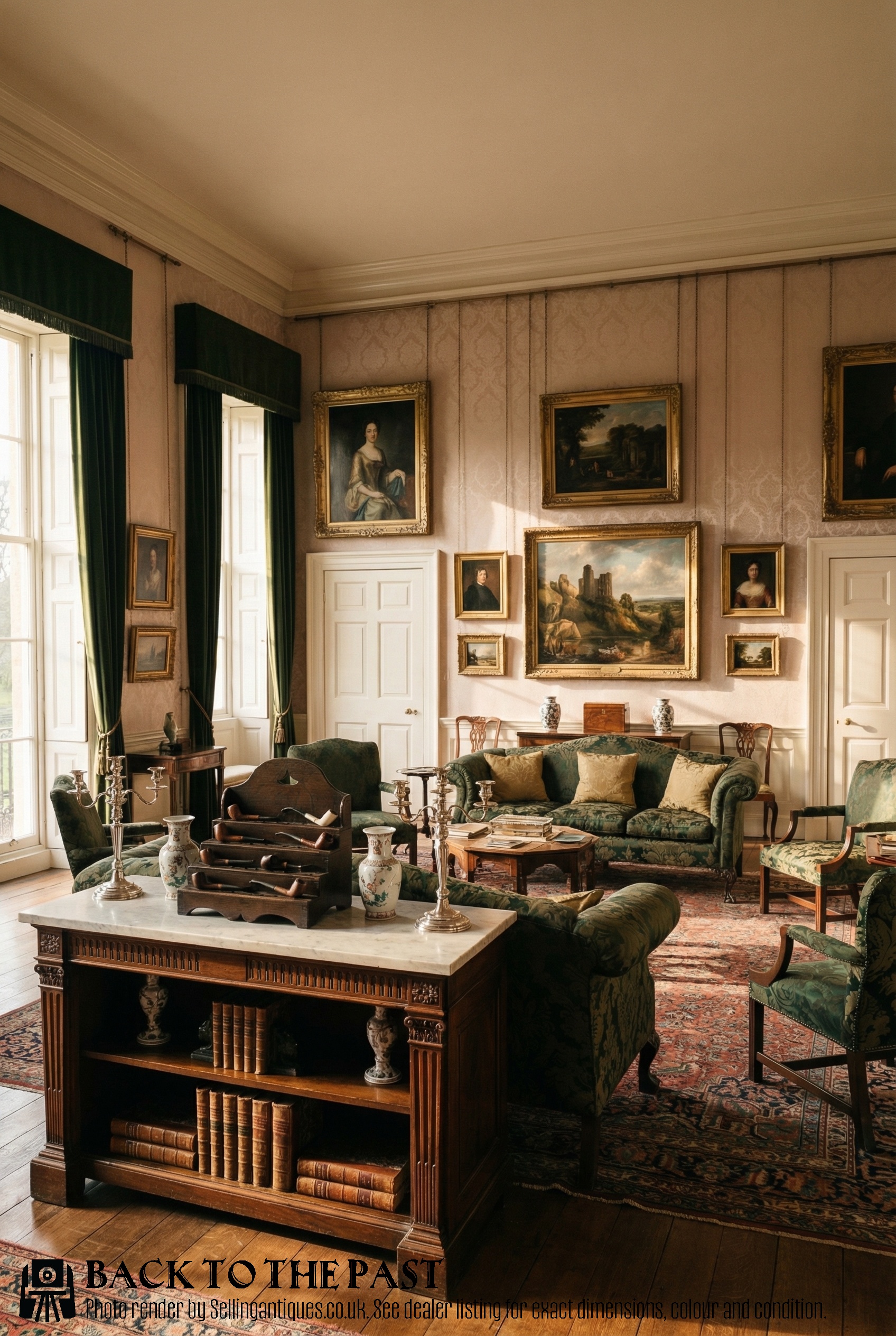
Antique Oak Wall Rack
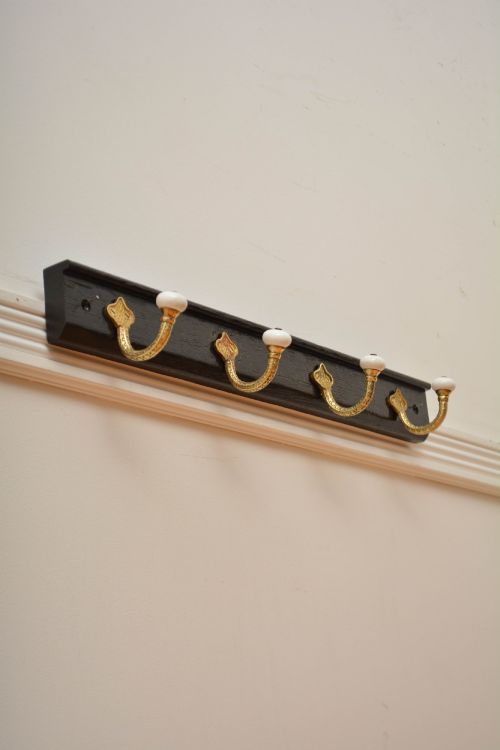
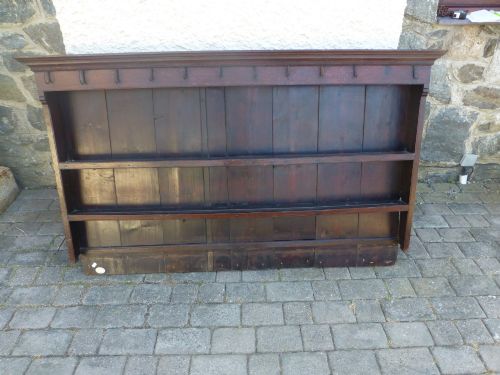
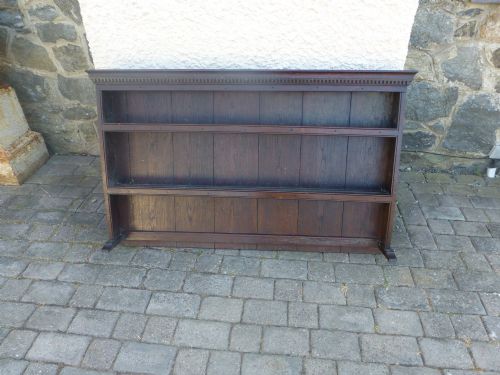
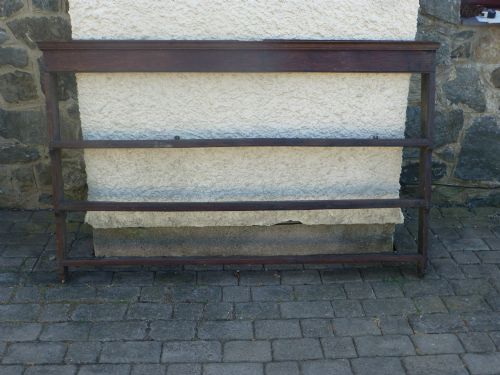
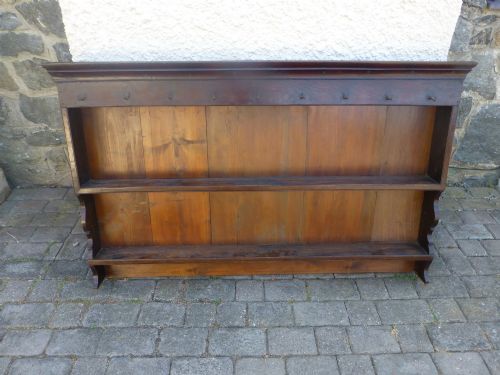
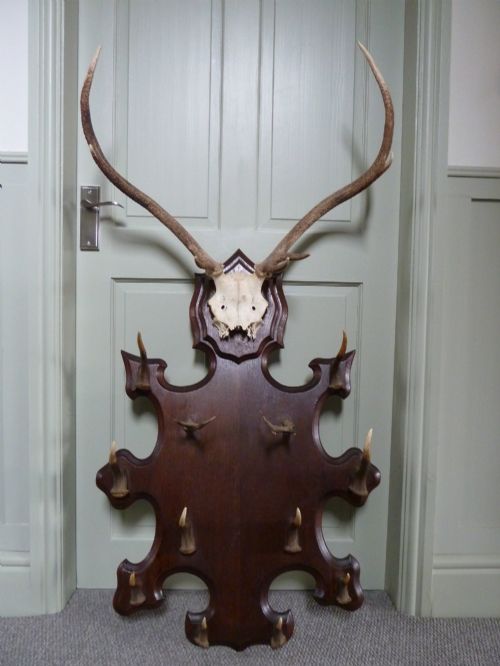
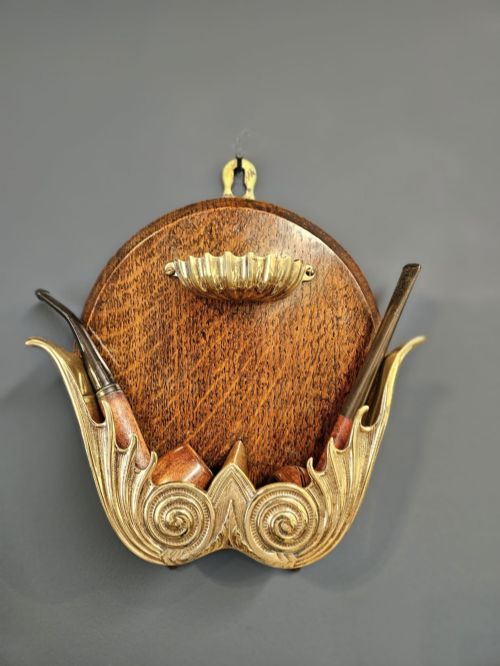
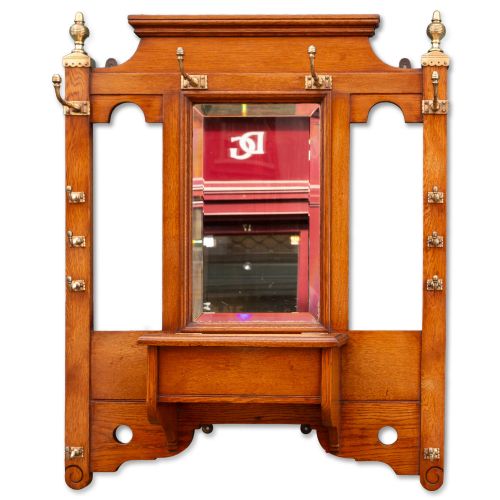
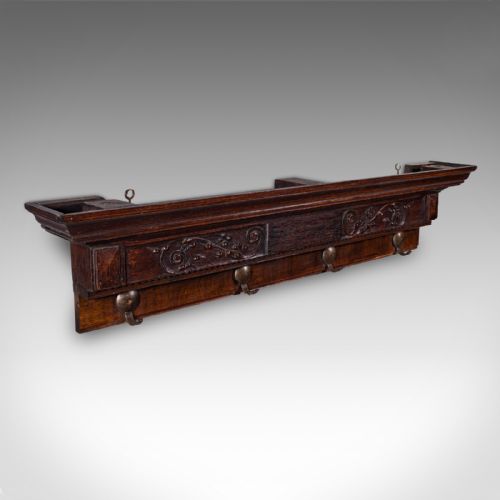
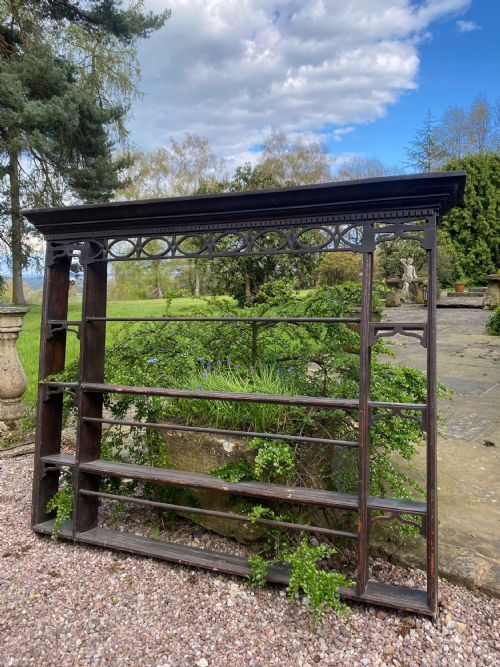
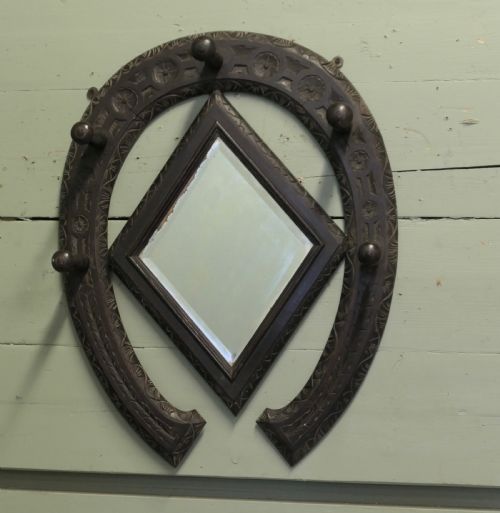
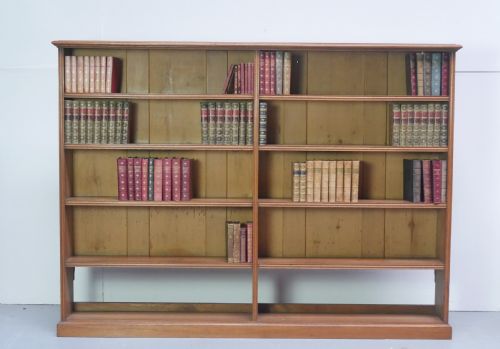
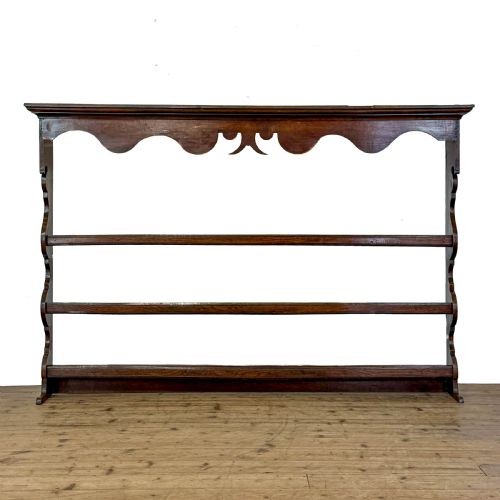
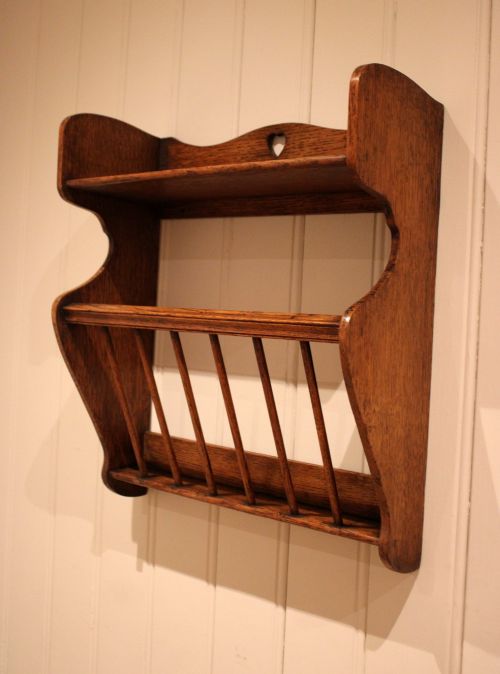
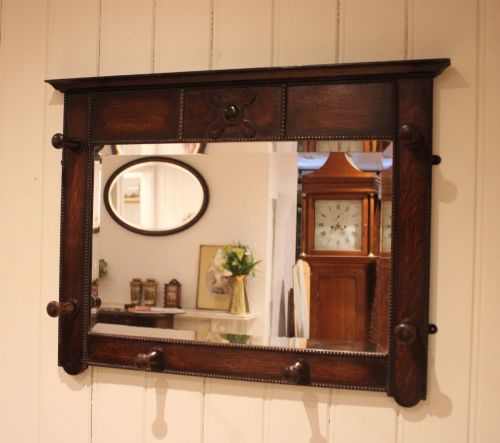
When searching for an antique oak wall rack, buyers encounter domestic fixtures designed to store plates, display spoons, or hang coats and hats. The selections span open plate racks, narrow spoon racks, and utilitarian coat hooks mounted on timber boards.
Most examples originate from the eighteenth and nineteenth centuries, taking the form of Georgian delft racks or Victorian hall stands. These pieces reflect the functional needs of period kitchens, hallways, and reception rooms.
Makers utilised resilient native hardwoods, combining structural uprights with pegged shelves and forged metal hooks. Surviving items demonstrate how utilitarian furniture evolved to serve both display and storage purposes in traditional homes.
How they were made
Joiners constructed these fixtures primarily from solid oak, sometimes combining secondary timbers like pine or beech for internal partitions and backing boards. Planks were joined using traditional pegged mortise and tenon joints to withstand daily domestic strain.
Hardware additions involved forged iron, cast brass, and wrought iron elements fixed directly to the timber. Metal hooks, brackets, and hinges were secured by hand, matching the heavy utilitarian demands of hanging coats, pewter spoons, or ceramic plates.
Listings feature oak combined with brass, glass, iron, pewter, ceramic, and wrought iron across multiple centuries.
What varies in quality
Quality rests upon the integrity of the timber, the presence of original hardware, and the crispness of any carved detailing. Pieces retaining their original brass hooks, peg fixings, and uncompromised structural surfaces demonstrate superior craftsmanship.
Construction methods distinguish standard utility items from finer Georgian and Victorian pieces. Thick timber boards, well-balanced proportions, and minimal later alterations elevate a rack from a simple workshop output to a collected regional artefact.
The Antique Oak Wall Rack Glossary
- Delft rack
- A wall-mounted wooden shelf featuring vertical slats or plate rails designed to display ceramic tableware safely. These fixtures formed a central feature in eighteenth-century English kitchens.
- Spoon rack
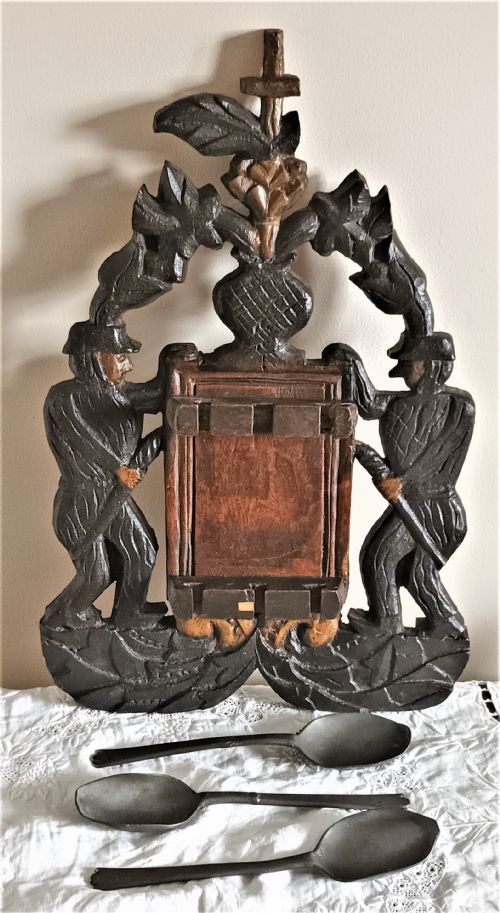
- A narrow hanging board fitted with notched slots and shaped edges to hold collection spoons upright. Georgian examples often accompanied larger plate displays.
- Trefid spoon
- An early dining implement featuring a broad, three-lobed terminal handle. These pewter items frequently appear alongside period spoon racks in the historical record.
- Mortise and tenon
- A fundamental woodworking joint where a protruding tongue fits snugly into a corresponding cavity. This method provided the rigid framework necessary for supporting heavy wall shelves.
- Corinthian column
- A classical architectural column featuring ornate acanthus leaf capitals. Cabinet makers occasionally incorporated miniature versions into the uprights of grand eighteenth-century dresser racks.
Antique Oak Wall Rack: Frequently Asked Questions
How were antique plate racks used?
Period plate racks held ceramic tableware upright to dry and display simultaneously within busy kitchens. The slotted rails and retaining bars kept heavy earthenware secure against the wall.
Over time, these practical kitchen pieces transitioned into decorative display furniture for collectors showcasing antique ceramics.
How do I date an oak wall rack?
Dating relies on examining construction techniques, timber patination, and the style of hardware present on the piece. Eighteenth-century examples often feature hand-cut peg joints and simple board construction, while Victorian versions incorporate heavier mouldings or cast brass hooks.
Associated object types, such as trefid spoons or delft plates, also help establish the historical context of the rack.
Are these racks suitable for modern walls?
These robust timber fixtures require secure wall anchoring to support their own weight plus the load of hanging items. Historic mounting points should be inspected to ensure they align safely with modern wall studs or masonry.
Once properly secured, they provide practical storage in contemporary kitchens, hallways, and dining spaces.