


Antique Wooden Wall Display
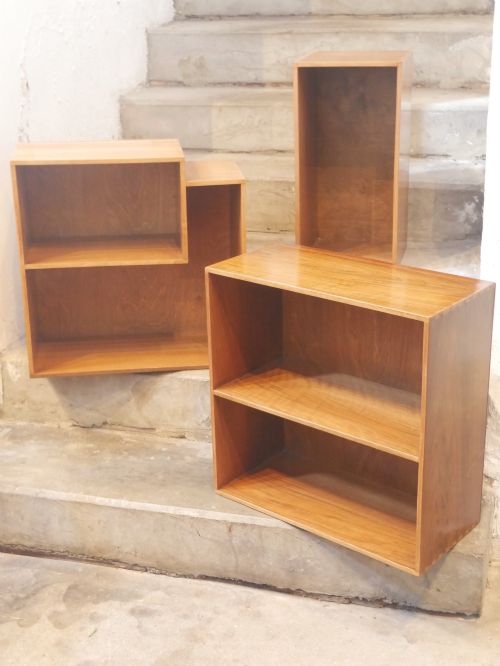
These antique wooden wall display pieces organise precious objects and books across rooms, bringing period warmth to vertical spaces.
Antique Wooden Wall Display
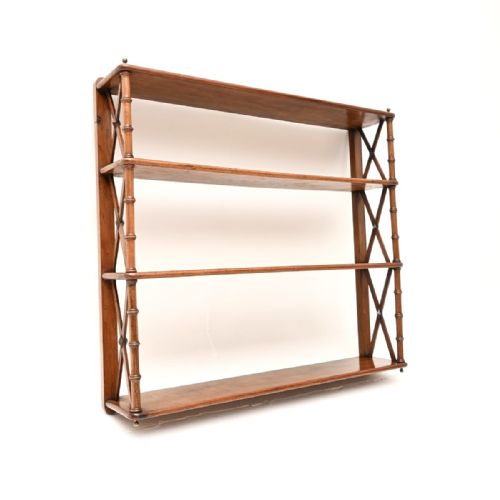
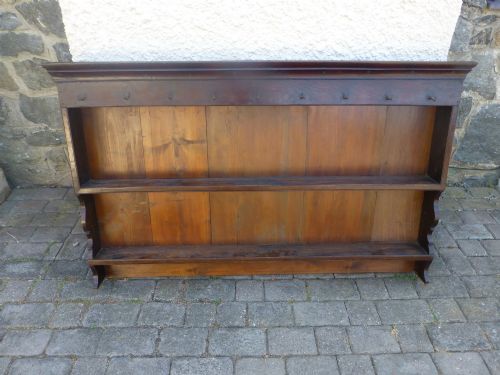
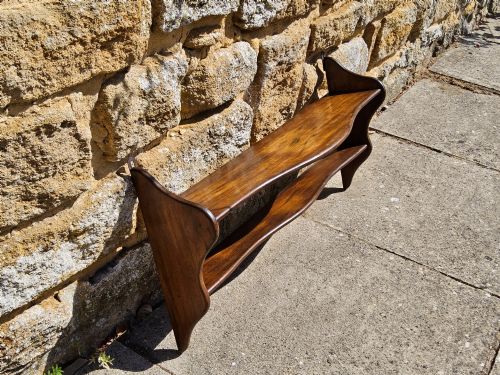
When you search for antique wooden wall display, you encounter a varied selection of hanging shelves, corner cupboards, plate racks, and glazed cabinets designed to utilise vertical surfaces. The items span the Georgian, Victorian, Regency, and Edwardian periods, reflecting the shifting domestic requirements of past centuries.
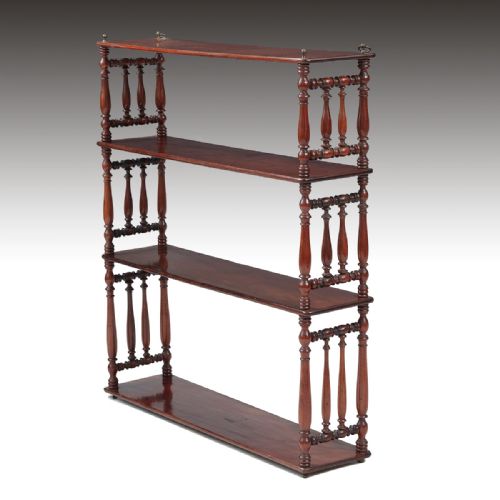
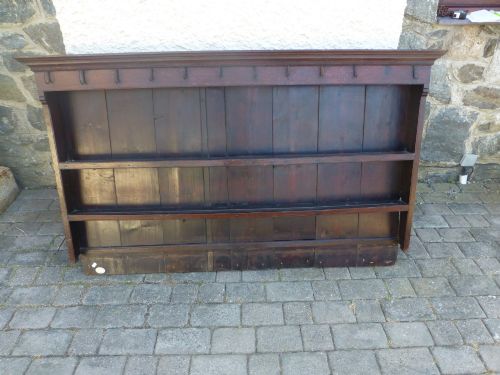
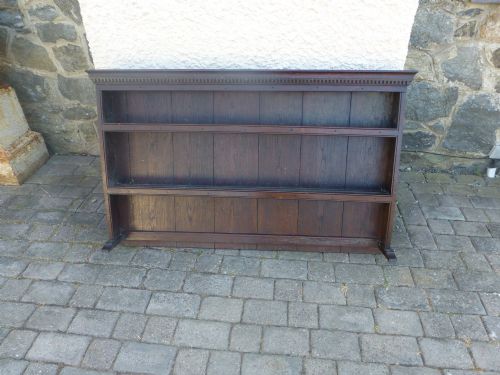
You are most likely to meet open walnut or mahogany wall shelves and oak plate racks on this page. These practical forms range from provincial pine country cupboards to refined satin birch and inlaid olive wood brackets.
The selection also accommodates specialist items such as glazed display cabinets, maritime dioramas, and corner cabinets that fit snugly into room junctions. Each piece demonstrates how historical interiors maximised storage and display without cluttering the floor.
Materials and construction
Cabinetmakers worked predominantly with timbers like oak, mahogany, walnut, and pine, selecting each wood for its grain and structural suitability. Oak and pine served well for provincial plate racks and country cupboards, whilst mahogany and walnut suited refined Georgian and Victorian bookcases.
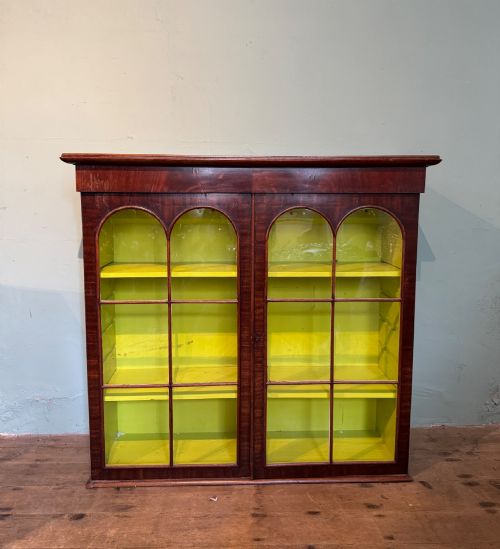
Joinery techniques included pegged joints, dovetailing, and careful framing to ensure hanging units could bear weight safely against walls. Glazed doors utilised timber frames divided by delicate glazing bars, and selected pieces incorporated bone inlay or hand-painted interior decoration.
Assessing quality and character
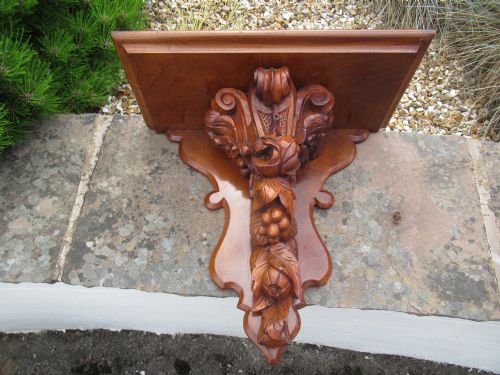
Quality rests upon the crispness of carved details, the choice of timber figurations, and the integrity of the original construction. Superior examples retain their original backboards, hanging fixtures, and uncompromised structural alignment.
Surface finish significantly influences character, distinguishing pieces with untouched patination and original painted interiors from those stripped or heavily refinished in later years. The subtlety of inlaid work, such as Sorrento olive wood or bone decoration, also elevates the standing of a wall display.
The Antique Wooden Wall Display Glossary
- Plate rack
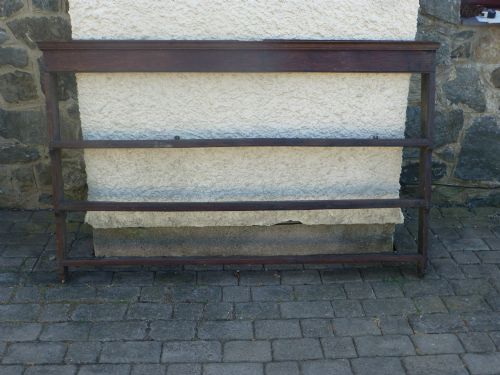
- A wall-mounted wooden frame featuring grooved shelves and retaining rails to display ceramics upright safely. They originated in country kitchens for everyday delftware.
- Corner cupboard
- A cabinet specifically constructed to fit into the internal ninety-degree angle of a room. These saved floor space while providing secure display storage.
- Diorama
- A three-dimensional scenic representation enclosed within a glazed wooden box. Maritime examples preserve detailed sailing ship models against painted seascapes.
- Jezail
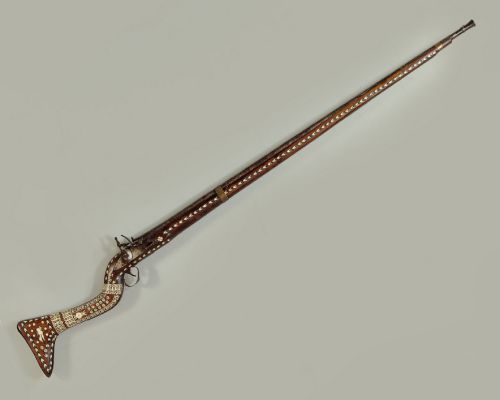
- A traditional long-barrelled flintlock or matchlock firearm originating from Central Asia and the Middle East. Some decorative wall variants feature intricate bone inlay.
- Glazed cabinet
- A wall-hung display unit featuring glass panels fitted into wooden doors. This design protected delicate books or ceramics from household dust.
Antique Wooden Wall Display: Frequently Asked Questions
How do I hang a heavy wooden display cabinet safely?
Heavy wall units require secure attachment directly into structural wall studs or solid masonry using appropriate fixings. Distributing the weight across multiple strong fixing points prevents strain on historical joints.
Professional installation is advisable for large mahogany or oak cabinets, especially when loaded with heavy books or ceramics.
Were all antique wall shelves originally meant for books?
Historical wall shelves served diverse domestic purposes depending on their depth and construction. Many held small ornaments, plates, or letters rather than bound volumes.
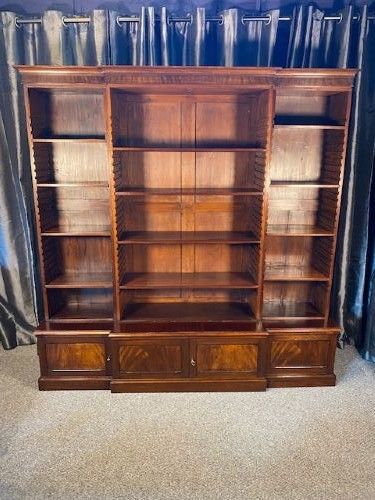
Open shelves with shallow depths typically accommodated decorative objects, whilst enclosed bookcases provided dust-free storage for reading materials.
Can corner cupboards fit into modern rooms easily?
Corner cupboards make efficient use of dead space in contemporary rooms by utilising vacant wall junctions. Their triangular footprints project outward into the room, so measuring the surrounding clearance is essential.
These pieces suit awkward corners where standard rectangular furniture would block doorways or windows.