
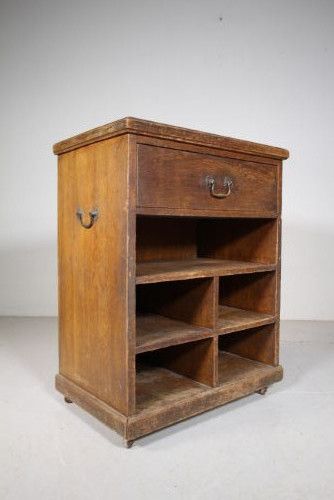
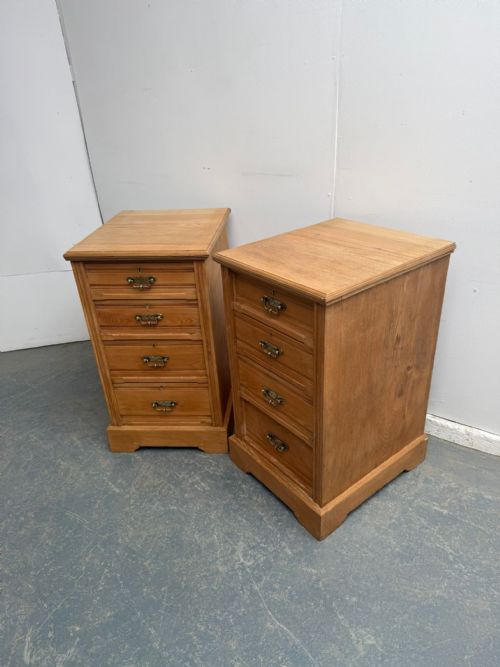
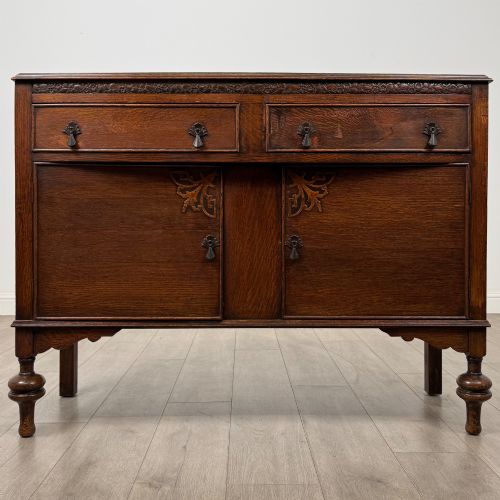
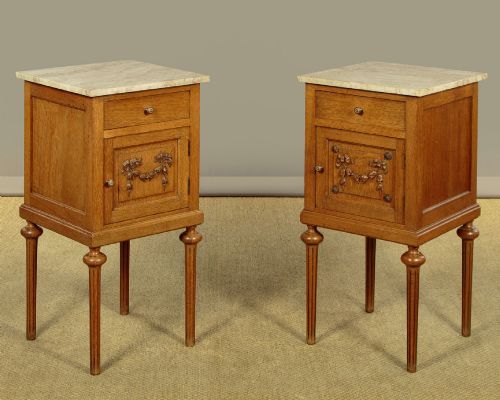
Antique Oak Table Cabinet
An antique oak table cabinet brings sturdy timber and compact storage to a desk or surface.
Antique Oak Table Cabinet
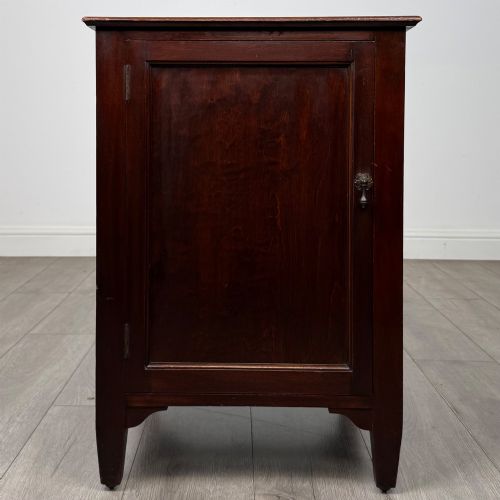
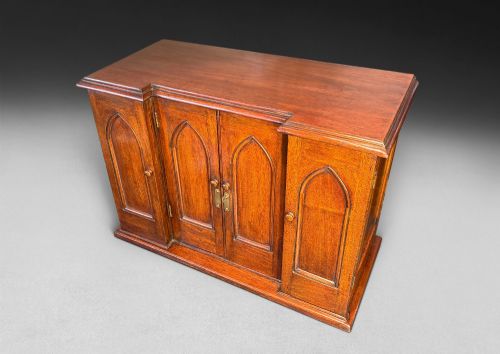
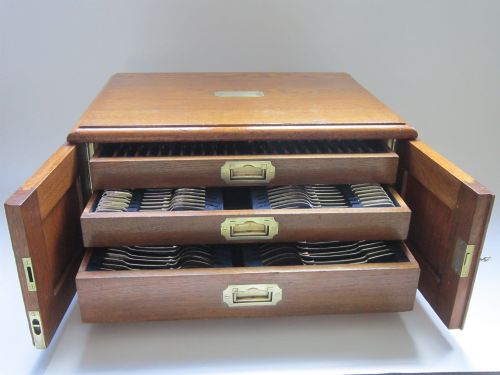
An antique oak table cabinet is a small tabletop storage piece designed for documents, specimens, or precious items. These items appear across the Georgian, Victorian, Edwardian, and later twentieth-century periods. The examples found here range from Gothic revival tabletop chests to Arts and Crafts specimen pieces.
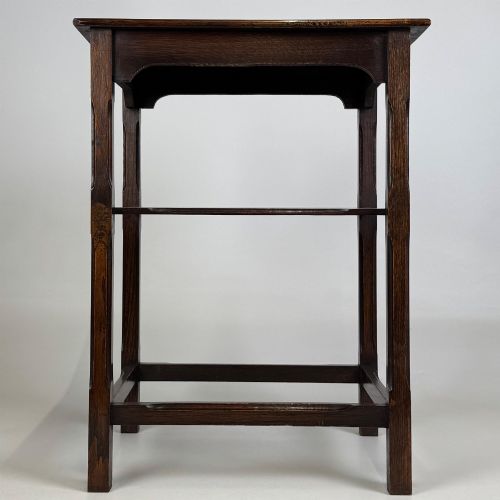
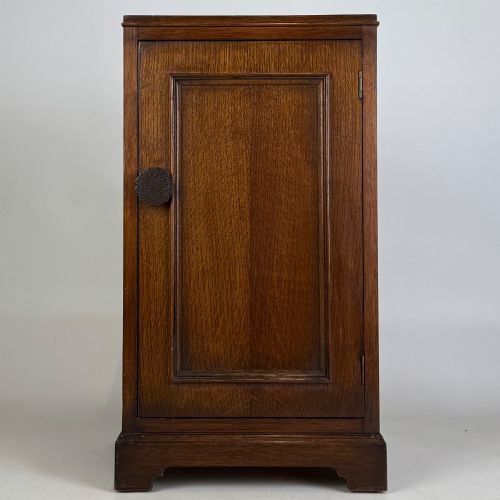
Buyers also encounter related forms such as bedside cupboards, side tables, and small side cabinets made from the same durable timber. The selection reflects domestic utility from the nineteenth and twentieth centuries, often featuring compact proportions suited for smaller spaces.
How they were made
The primary material across these pieces is solid oak, sometimes paired with secondary timbers like ash, elm, or pine. Makers utilised brass hardware, iron hinges, and occasionally marble or ceramic inserts for functional surfaces.
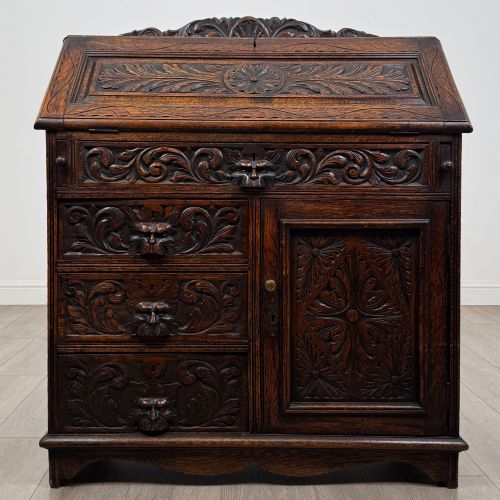
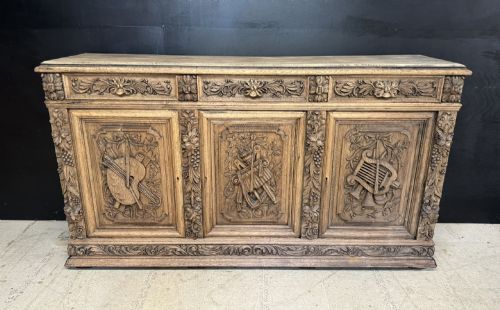
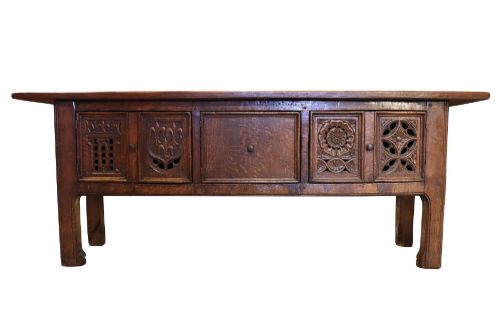
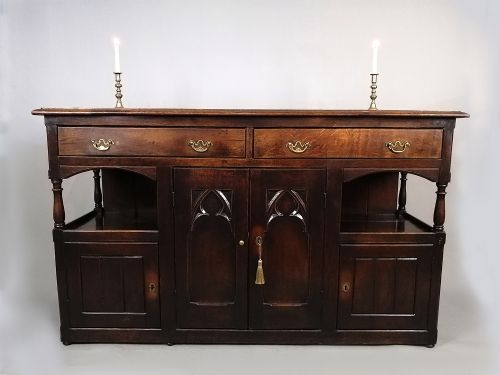
Construction techniques include hand-carved panels, linenfold detailing, and Gothic tracery applied to box frames and small cupboards. Waxed, stained, or bleached finishes protect the timber while highlighting the natural grain.
Some Victorian oak cabinets even feature carved Green Man faces peering out from the woodwork.
What varies in quality
Quality rests in the crispness of the carved details and the selection of the timber, such as figured or golden oak. Pieces showing deliberate hand-carving, such as Green Man motifs or Gothic tracery, represent more accomplished workshop output.
Proportion and structural integrity distinguish standard utility items from finer decorative pieces. The integration of original brass handles and well-fitted doors indicates careful original production.
Arthur Simpson of Kendal·Heal and Son
The Antique Oak Table Cabinet Glossary
- Gothic Revival
- A nineteenth-century style drawing on medieval architecture, featuring pointed arches, tracery, and robust proportions. This aesthetic appears frequently on cabinets and sideboards.
- Arts and Crafts
- A design movement prioritising traditional craftsmanship and simple forms over mass production. Pieces from this tradition often display honest joinery and minimal ornamentation.
- Linenfold
- A style of wood carving that mimics folded fabric, commonly seen on Tudor and revival cupboard panels. It adds texture to vertical cabinet surfaces.
- Dresser base
- A long, low cabinet featuring drawers or cupboards, originating in domestic kitchens and dining rooms. These sturdy pieces provide substantial surface and storage space.
Antique Oak Table Cabinet: Frequently Asked Questions
What is an antique oak table cabinet used for?
These small cabinets were originally built to sit upon desks or larger furniture to hold letters, documents, or small collectables. Today they serve similar desktop storage roles or function as decorative tabletop display pieces.
Their compact size allows them to fit easily onto sideboards or shelves while introducing period timber character to a room.
How do I date an oak table cabinet?
Dating relies on observing stylistic markers, hardware, and construction methods. Pieces showing Gothic Revival or Arts and Crafts details typically point to the nineteenth or early twentieth centuries.
Examining the hinges, drawer construction, and finish helps place the piece within Georgian, Victorian, or Edwardian production periods.
Are these cabinets made of solid oak?
Most pieces listed utilise solid oak as the primary structural and visible timber. Secondary woods like pine or elm may occasionally appear in internal drawer linings or backs.
Makers selected oak for its durability and prominent grain, which accepts wax and stain finishes effectively.
How do I care for antique oak furniture?
Maintain the timber by applying a traditional beeswax polish occasionally to nourish the surface. Avoid placing wooden cabinets in direct sunlight or near heat sources to prevent the wood from drying out.
Gentle dusting with a soft, dry cloth preserves the finish and protects the carved details over time.