


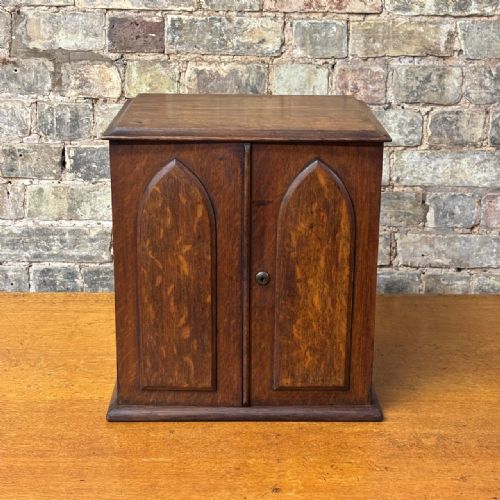


Victorian Oak Small Cabinet
A victorian oak small cabinet brings compact storage and rich timber grain to any room, offering practical display and organisation in miniature form.
Victorian Oak Small Cabinet
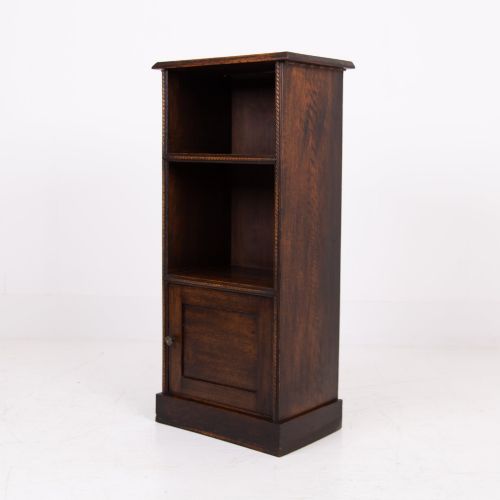
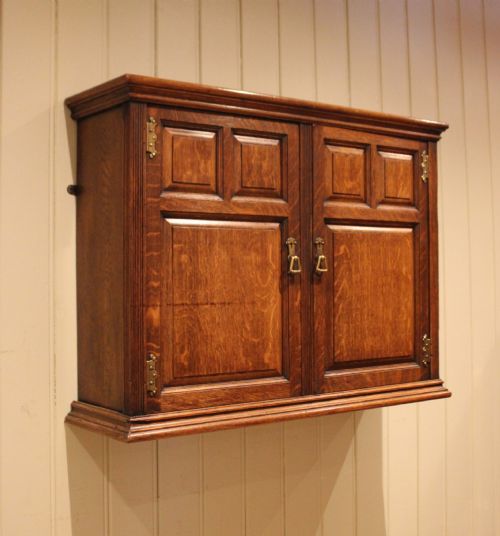
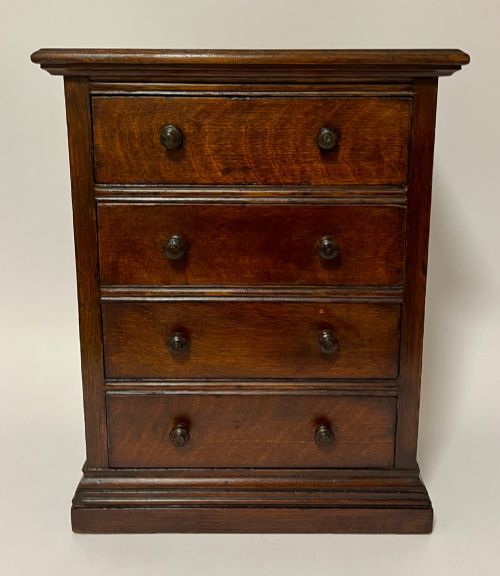
When you search for a victorian oak small cabinet, you encounter a diverse group of compact furniture designed for specialised storage rather than grand scale. These pieces range from wall-mounted cupboards and tabletop chests to bedside cabinets and miniature bookcases, originating primarily from the nineteenth century.
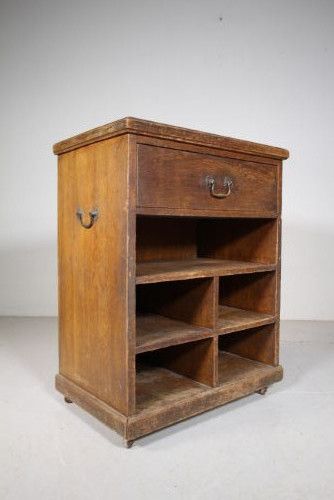
The domestic and commercial uses vary widely across the selection. Surviving examples include spice boxes, smokers cabinets, table-top collectors chests, and counter-top shop cabinets, reflecting how Victorians organised small items.
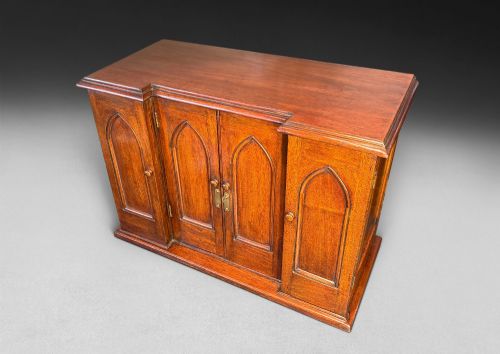
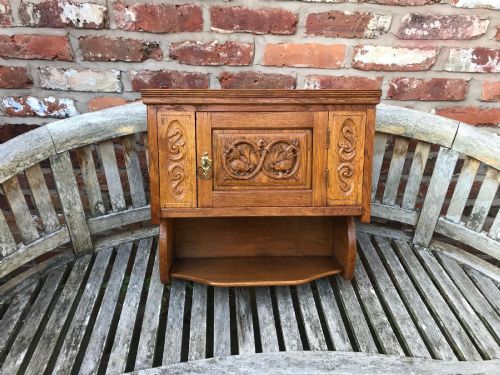
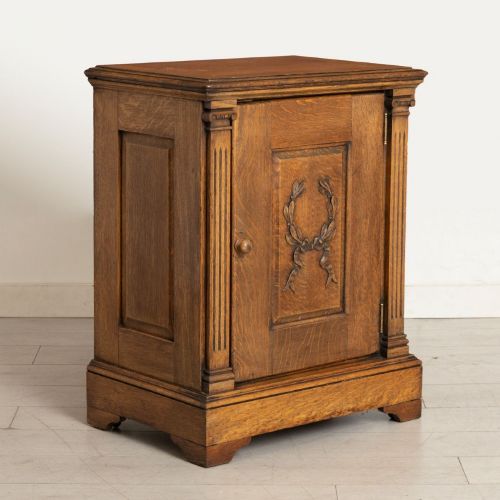
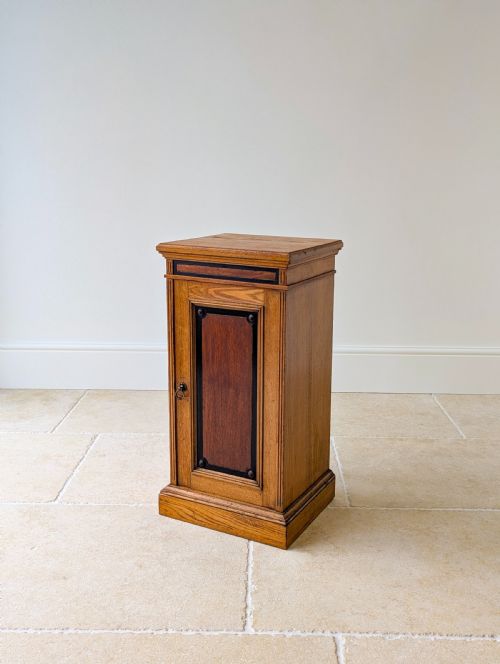
Stylistic influences span several distinct movements found within this period. Pieces display plain country utility alongside ornate Gothic Revival tracery, Aesthetic Movement linear details, and Jacobean revival carving.
Materials and construction methods
Solid oak and figured varieties such as burr and pollard oak form the primary structural material of these cabinets. Joinery relies on traditional methods, occasionally supplemented by secondary timbers like pine in hidden areas or internal drawer construction.
Hardware details significantly shape the physical character of each piece. Brass panels, handles, and hinges appear frequently alongside glass door panels, iron fittings, and occasional leather accents or painted surface treatments.
Listings demonstrate considerable variety in form, including wall-hanging spice boxes, counter-top shop cabinets, miniature chests of drawers, and estate-made country cupboards.
Evaluating the standard of execution
The distinction between standard utility items and finer examples rests upon the selection of timber and the ambition of the carving. Finely figured oak grain and deep, hand-carved panels elevate a piece well beyond plain vernacular production.
Hardware integration and interior arrangement also dictate overall calibre. Well-executed examples feature harmonious brass mounts, tight-fitting drawer construction, and thoughtful internal divisions tailored for specific collecting or storage purposes.
Amberg·Roberson & Co
The Victorian Oak Small Cabinet Glossary
- Collectors cabinet
- A specialised small cabinet fitted with multiple shallow drawers or display compartments intended for organising specimens, coins, or small objects. These pieces often feature glass doors or secure locking mechanisms.
- Bedside cabinet
- A compact bedside cupboard or chest designed to stand beside a bed for concealed personal storage. They frequently incorporate a single drawer above a small cupboard door.
- Gothic Revival
- A nineteenth-century design style drawing inspiration from medieval architecture. Cabinets in this style display pointed arches, trefoils, and heavy geometric carving.
- Aesthetic Movement
- A late-nineteenth-century design approach prioritizing visual beauty over narrative function. Pieces from this movement display clean lines, ebonised accents, and disciplined ornament.
- Compactum
- A multi-functional miniature wardrobe or combination chest designed to maximise storage within a reduced footprint. They provide hanging space and multiple drawers in a single small unit.
Victorian Oak Small Cabinet: Frequently Asked Questions
What were small oak cabinets used for?
These compact pieces served varied domestic and commercial functions, ranging from bedside storage to housing specialist collections of specimens, documents, or smoking supplies. Their modest dimensions allowed them to sit on tables, counters, or hang upon walls.
Their specialised interiors accommodated specific items like loose tobacco, artist materials, spices, or shop stock. This versatility explains their wide survival across different room types.
How do I identify a Victorian oak piece?
Authentic pieces display the dense grain and characteristic medullary rays associated with mature oak timber. Construction techniques reflect nineteenth-century workshop standards through hand-cut dovetails and traditional panel joinery.
Stylistic cues such as Gothic Revival tracery, Aesthetic movement linearity, or simple country construction help anchor pieces to the broader Victorian era. Secondary timbers like pine often appear inside drawers and on backing boards.
Where should I place a small wall cabinet?
Wall-mounted cupboards and corner cabinets suit spaces where floor area is limited. Kitchens, hallways, and studies provide practical locations for hanging spice boxes, display cases, or corner cupboards.
Ensure adequate wall fixings support the weight of solid oak and glass components. Positioning them at eye level highlights carved panel details and hardware.
Are tabletop chests practical for modern storage?
Tabletop chests of drawers and miniature cabinets offer functional organisation for stationery, jewellery, or craft supplies. Their shallow drawers prevent clutter from accumulating.
Placing them on desks, sideboards, or dressing tables provides secure compartmentalised storage while adding historical character to a contemporary interior.