
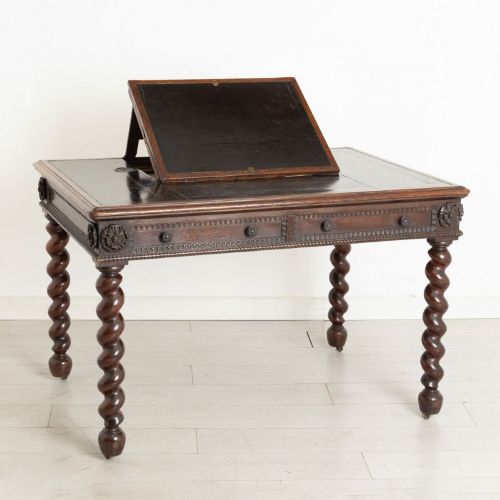


Antique Oak Slope Top
These antique oak slope top pieces combine solid timber and practical writing compartments, offering a tangible link to centuries of domestic administration.
Antique Oak Slope Top
An antique oak slope top encompasses a diverse range of writing furniture, from compact table top boxes to full-sized standing bureaus. The pieces span multiple centuries, including significant examples from the seventeenth, eighteenth, and nineteenth periods.
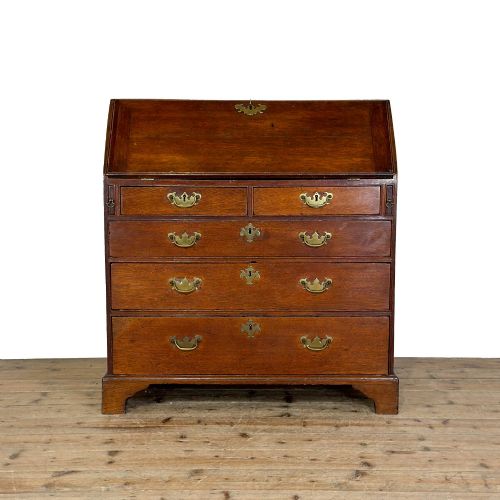
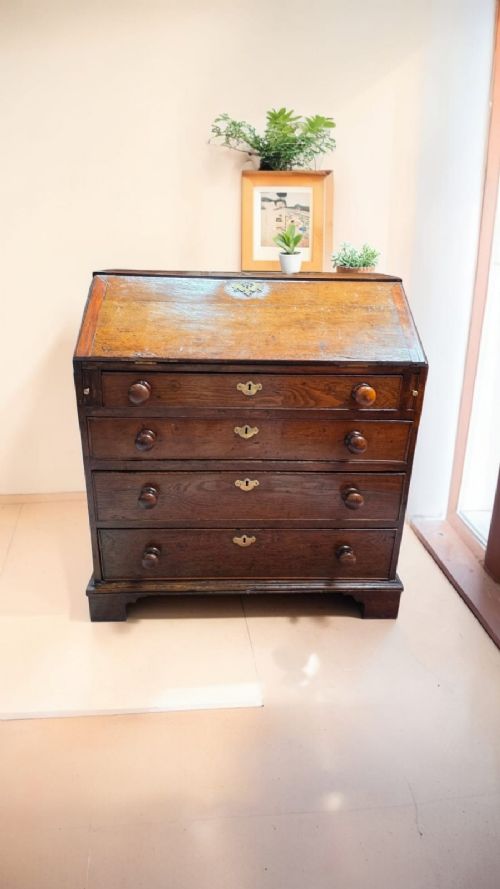
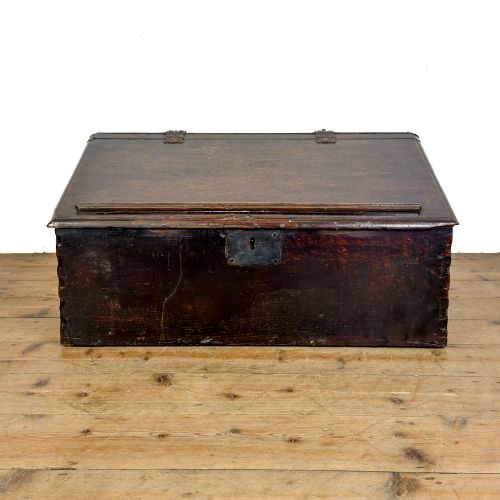
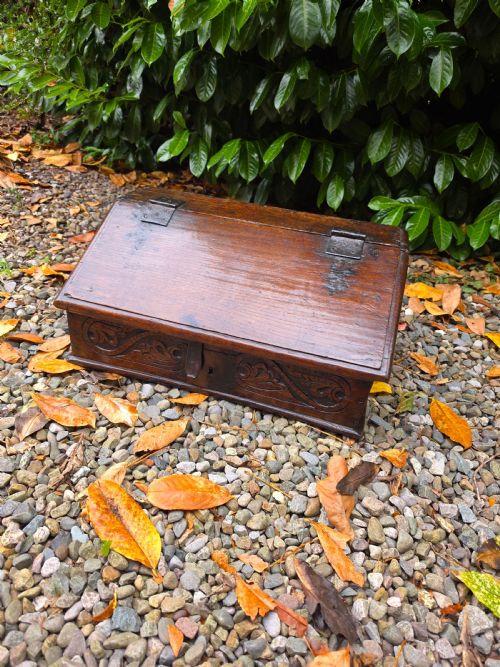
Buyers frequently encounter smaller desk boxes and Bible boxes designed to sit on tables, alongside larger Georgian and Victorian slope front bureaus fitted with interior drawers. Vernacular items and architectural desks also appear among the selection.
Origins vary across English, Welsh, and continental workshops, incorporating styles such as William and Mary, Jacobean, and Victorian revivalism. The overarching form remains centred on an inclined writing surface that conceals storage compartments beneath.
Distinctions in construction and design
Quality separates pieces by the integrity of the timber selection and the sophistication of the interior arrangement. Finer bureaus feature stepped interiors, concealed secret drawers, and complex pigeonholes rather than plain storage cavities.
The precision of the cabinet work dictates the overall standard, notably in how the sloping lid meets the box frame and how drawers align within the carcase. Secondary alterations, such as stands added at later dates, distinguish original configurations from assembled pieces.
Some Victorian desks feature carved green men peering out from the timber to watch over your daily correspondence.
Pairs MFG Co·Simpsons of Kendall
The Antique Oak Slope Top Glossary
- Bible Box
- A small wooden box with a sloping lid, historically used to hold scriptures or writing materials. These portable pieces represent some of the earliest surviving examples of slope top furniture.
- Bureau
- A desk featuring a sloping hinged lid that opens to form a writing surface above a bank of drawers. Eighteenth-century iterations often conceal intricate compartment layouts inside.
- Crossbanding
- A decorative border technique where thin strips of veneer are laid so the grain runs perpendicular to the main surface. This method frames drawer fronts and writing flaps on refined pieces.
- Vernacular
- Furniture produced by regional makers for local use, often displaying robust construction rather than court or metropolitan styling. These pieces rely on traditional local building methods.
- Davenport
- A compact pedestal desk with a sloping writing surface, popular during the Victorian period. They typically incorporate side drawers and stationary compartments.
Antique Oak Slope Top: Frequently Asked Questions
What is an antique oak slope top?
An antique oak slope top is a piece of writing furniture featuring an inclined lid. These items range from small portable boxes placed on tables to large standing bureaus with internal drawers.
Cabinet makers constructed them primarily from solid oak, sometimes adding brass hardware and leather writing surfaces. They served as primary desks for household administration and correspondence.
How do I identify a seventeenth century slope top?
Seventeenth-century examples typically display robust vernacular construction with pegged joinery and minimal hardware. The timber surfaces often show hand-split grain patterns and simple moulding.
These early pieces are usually smaller box forms rather than large standing bureaus. Their interior layouts tend to be straightforward compared to later Georgian iterations.
Where were slope top desks used?
These desks were utilised in domestic parlours, offices, and institutional settings for writing letters and keeping records. Portable boxes allowed users to transport writing materials between rooms or locations.
Larger standing bureaus remained stationary in studies or administrative spaces. Ecclesiastical examples also existed for church use.
How should I care for an oak desk?
Maintain antique oak by keeping it away from direct heat sources and drastic humidity changes. Natural wax polishes help nourish the timber without building up heavy chemical residues.
Avoid placing damp items directly onto the oak or leather writing surfaces. Gentle dusting with a dry cloth prevents surface grime accumulation.
What is the difference between a Bible box and a bureau?
A Bible box is a small, portable container with a sloping lid designed to sit on top of a table. It provides basic storage for books and papers without internal drawers.
A bureau is a larger piece of furniture that incorporates the slope top above a set of drawers or a supporting stand. Bureaus offer complex internal compartments and dedicated writing spaces.