


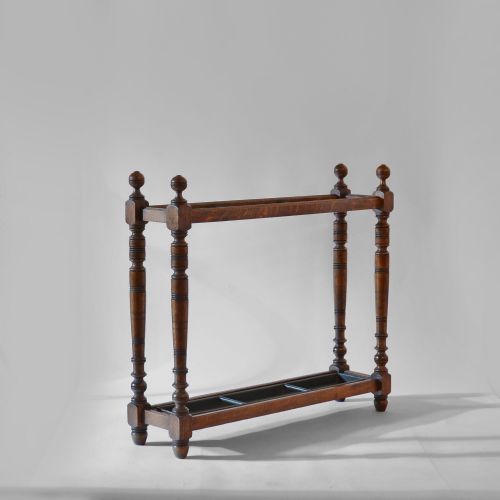
Antique Oak Rack
When you search for an antique oak rack, you encounter a surprisingly varied selection of practical wooden furnishings built for kitchens, hallways, and studies.
Antique Oak Rack
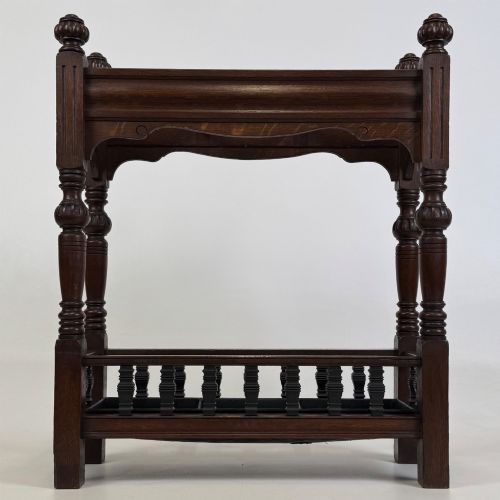
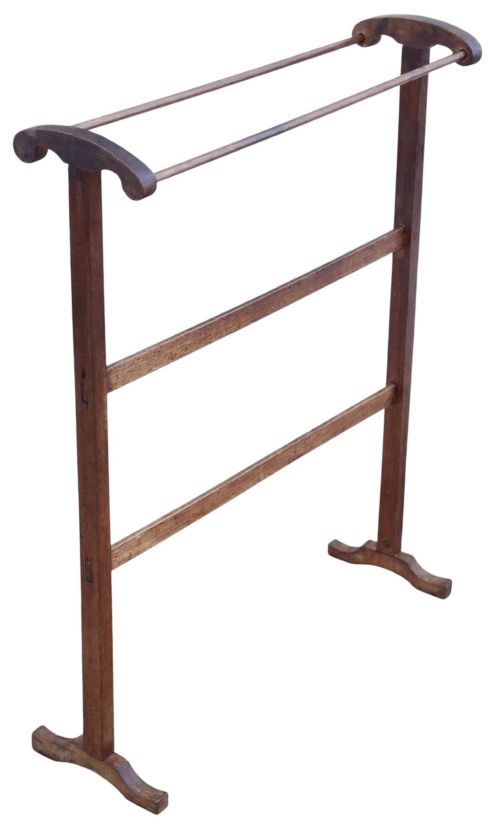
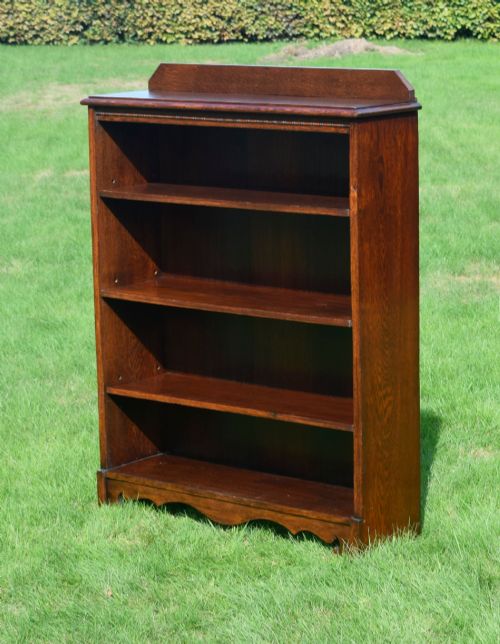
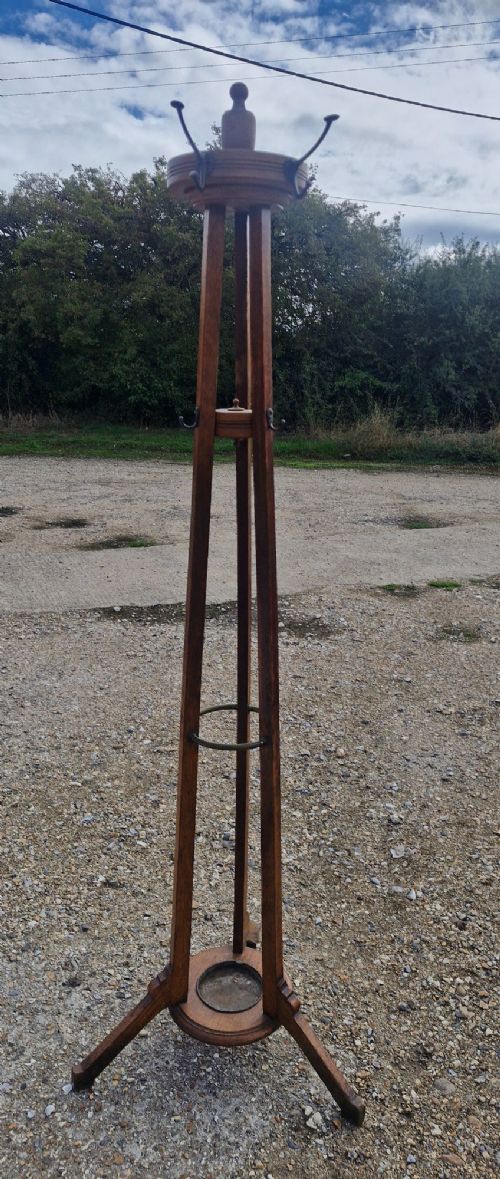
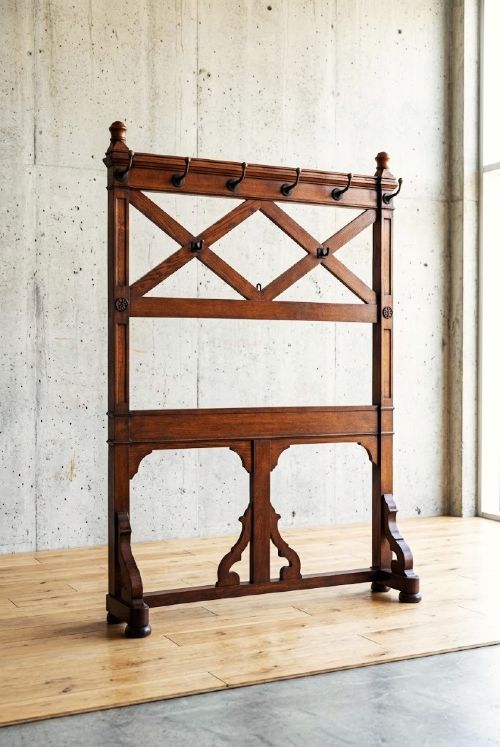
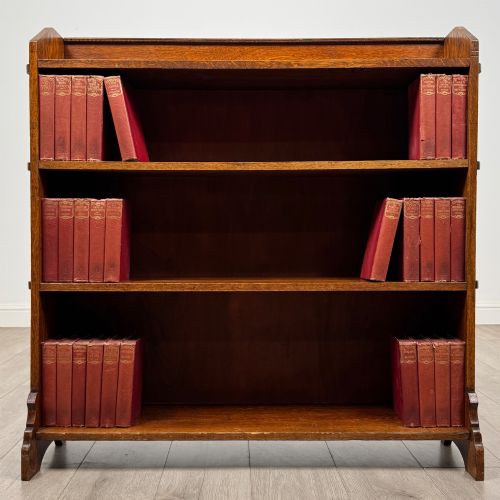
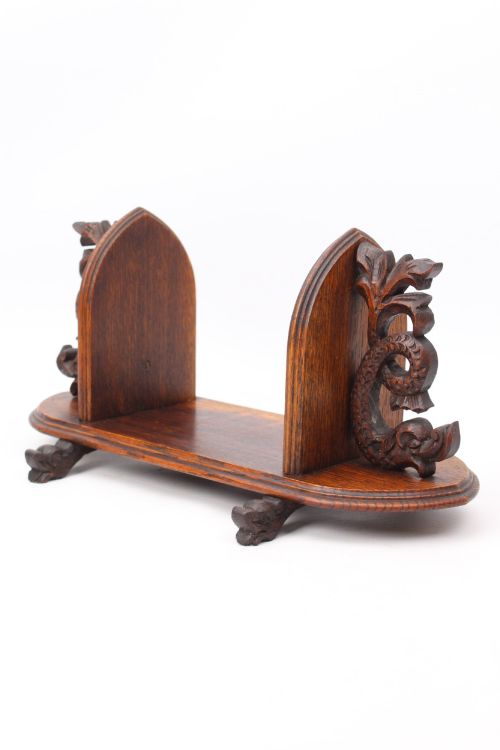
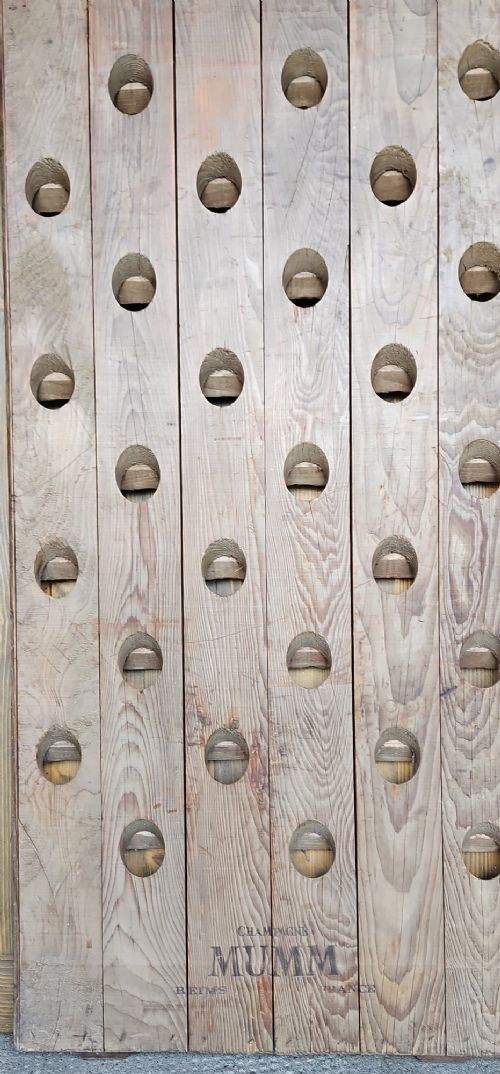
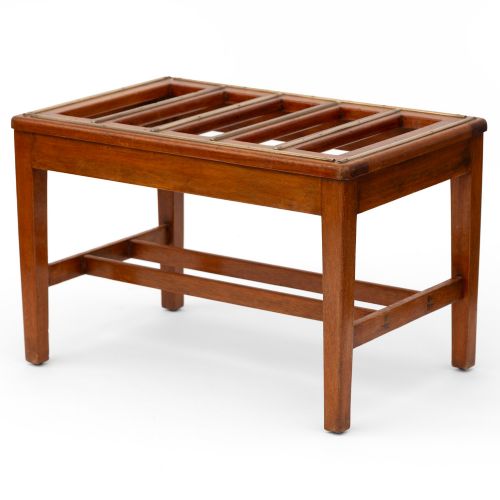
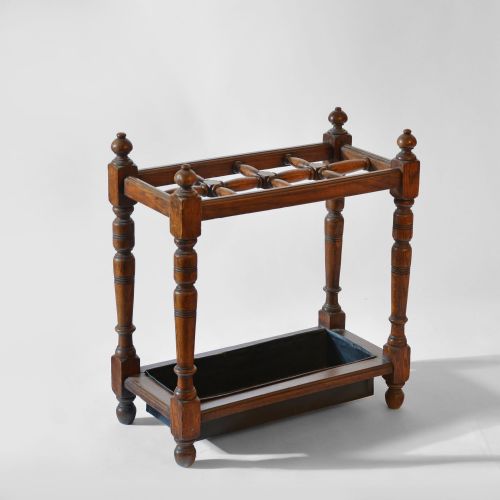
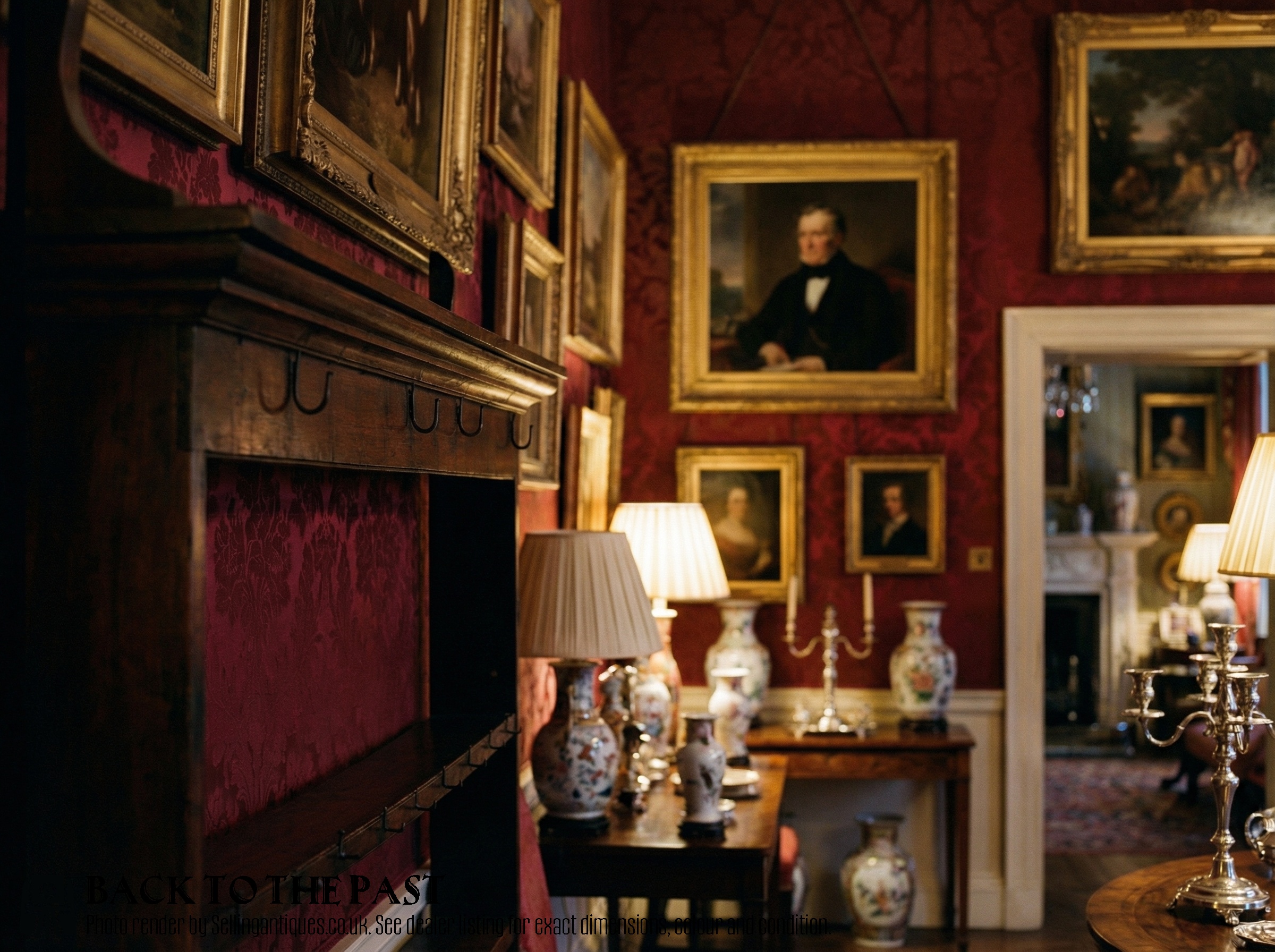
An antique oak rack encompasses several functional forms designed to hold plates, coats, umbrellas, books, and correspondence in domestic spaces. The selection ranges from wall-mounted delft and plate displays to freestanding hall stands, coat hooks, and desktop tidies.
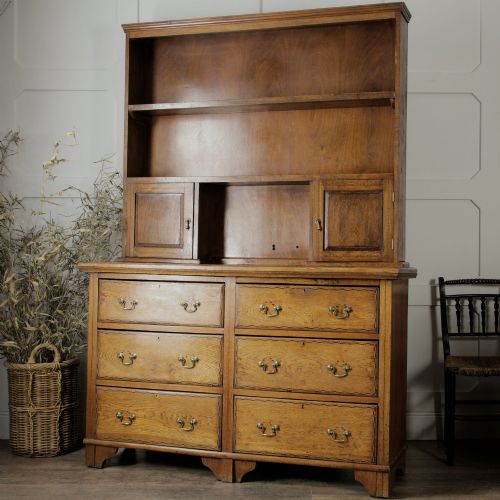
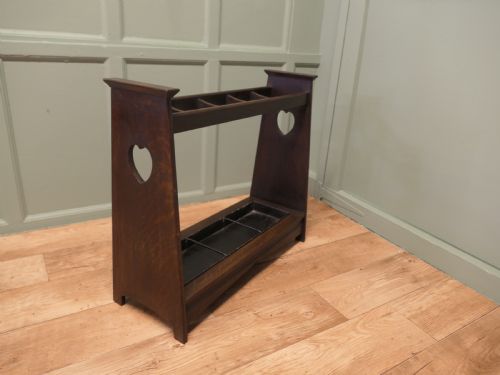
The versions most commonly met on this page include Georgian and 18th-century oak dresser racks meant for kitchen display, alongside Edwardian and Arts and Crafts wall-mounted coat racks and umbrella stands. These pieces reflect centuries of British domestic life where sturdy timber storage solved everyday household needs.
How They Were Made
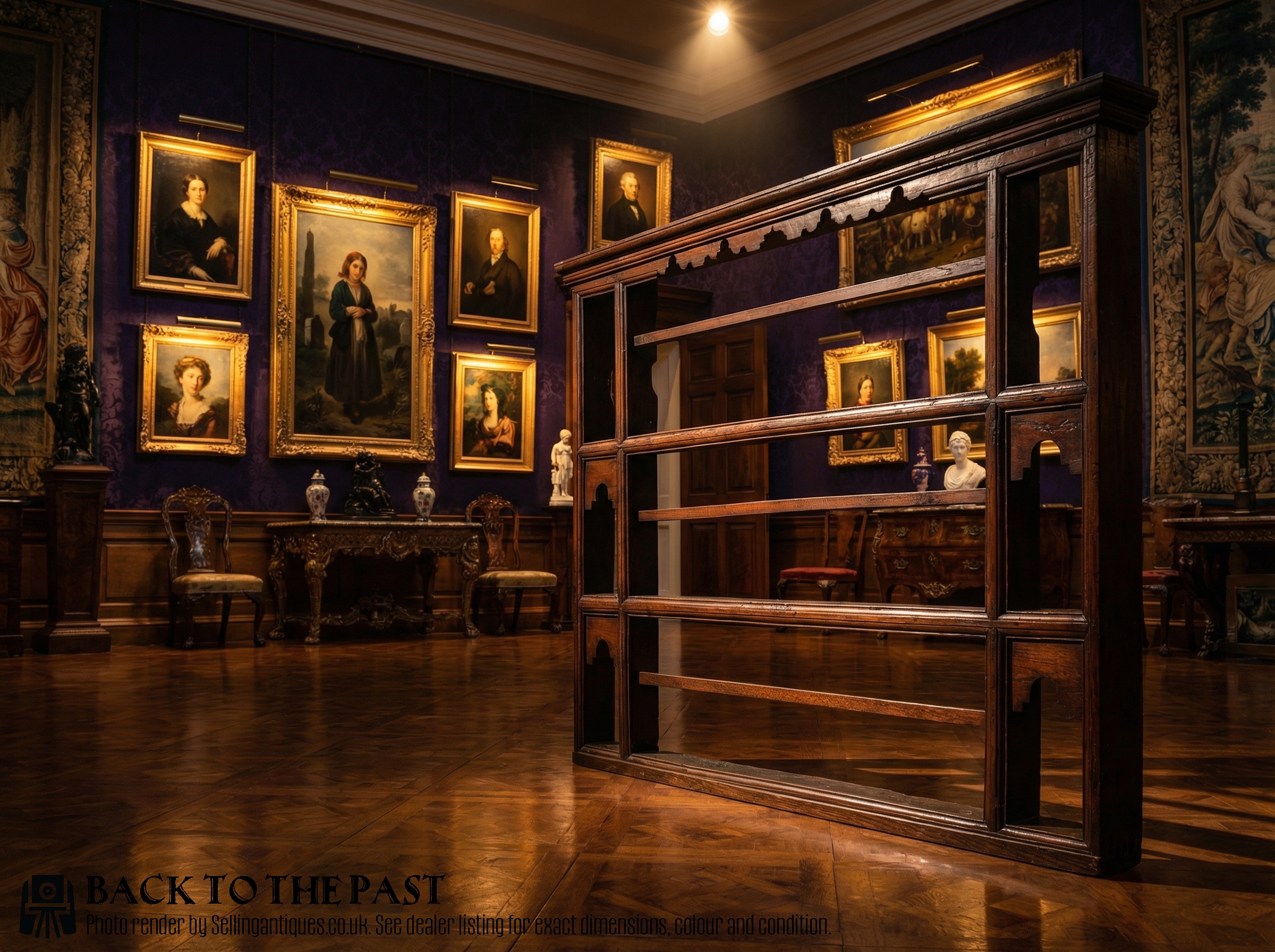
These items rely principally on solid oak, selected for its density and prominent grain, sometimes joined with secondary timbers such as pine or mahogany. Cabinetmakers utilised traditional techniques like mortise and tenon joinery to ensure structural endurance in everyday furniture.
Metal fittings in brass, iron, and cast iron frequently accompany the timber elements, forming hooks, drip trays, and brackets. Surface finishes range from natural waxed polishes to ebonised details, highlighting the tactile qualities of the grain.
Listings feature oak items spanning the Georgian, Victorian, Edwardian, and Arts and Crafts periods, alongside utility pieces from the mid-20th century.
What Varies in Quality
The standard of a piece depends heavily on the select choice of timber and the ambition of its joinery. Early examples from the 18th century often display superior hand-carved details and pegged joints, whereas later 20th-century items may show simpler machine production.
Integrity of the original hardware also dictates worth, as replacement brass hooks or missing drip trays alter the historical completeness. Superior items retain their structural firmness and genuine patination accumulated over generations of domestic use.
Arthur Simpson
The Antique Oak Rack Glossary
- Delft rack
- A wall-mounted or dresser-top wooden shelving unit specifically proportioned for displaying ceramic plates and platters. These tiers often feature narrow plate grooves and plate retaining rails.
- Pot board
- A low horizontal shelf built between the lower legs of an 18th-century Welsh dresser base, traditionally used for storing pots and pans. This platform anchors the structure and adds stability.
- Treen
- Small handmade wooden household objects created before the era of mass plastics. Examples include turned nutcrackers, small desktop organisers, and kitchen utensils.
- Arts and Crafts
- A late 19th- and early 20th-century design movement prioritising simple forms, visible construction methods, and the integrity of natural materials. Pieces from this style emphasise utility and handcrafted joinery.
- Gothic Revival
- An architectural and decorative style drawing inspiration from medieval design vocabulary. Furniture in this tradition frequently incorporates pointed arches, trefoils, and heavy carved mouldings.
Antique Oak Rack: Frequently Asked Questions
What is a delft rack used for?
A delft rack serves as a wall-hanging or dresser-top display unit designed to hold ceramic plates upright against a wall. Historically, these wooden shelves kept everyday tableware visible and accessible in farmhouse kitchens.
Today, they are utilised in dining rooms and kitchens to showcase antique pottery, decorative plates, and ceramics safely. Their shallow shelves prevent items from sliding forward while exposing the painted faces of the dishes.
How do I mount a heavy wall rack?
Mounting a heavy oak wall rack requires securing the piece directly into wooden wall studs or using heavy-duty wall anchors appropriate for your wall type. Because solid oak timber carries considerable weight, relying on simple plasterboard screws is insufficient.
Ensure that the fixing points align with the internal framework of the rack, such as backboards or hanging stiles. Professional installation is often recommended for larger 18th-century and 19th-century plate displays.
How do I care for antique oak?
Antique oak benefits from occasional applications of beeswax to nourish the dry timber and maintain a soft, protective sheen. Avoid using modern silicone-based sprays, which can build up on the surface and attract dust over time.
Keep wooden racks away from direct heat sources and drastic humidity changes to prevent the timber from warping or splitting. Gentle dusting with a dry, soft cloth is sufficient for routine maintenance.
How can I tell an 18th-century rack from a later copy?
An 18th-century oak rack displays hand-cut joinery, such as pegged mortise and tenon joints, along with uneven tool marks left by early woodworking planes. The timber itself exhibits a deep, natural patination and shrinkage cracks acquired over centuries of exposure.
Later reproductions often feature uniform machine-sawn components, modern fixings, and artificial distressing designed to mimic age. Examining the reverse side and the construction joints usually reveals the true age of the piece.