



Antique Oak Drop Flap
These pieces of antique oak drop flap furniture combine folding leaves with sturdy timber, offering flexible surfaces for dining and writing.
Antique Oak Drop Flap
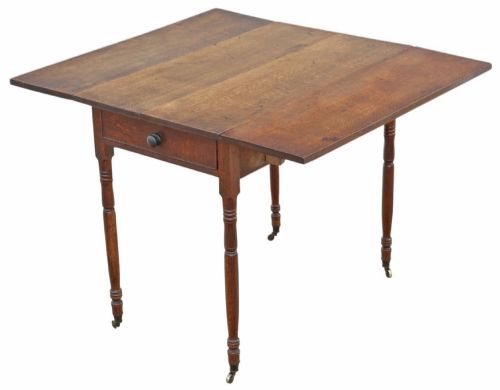
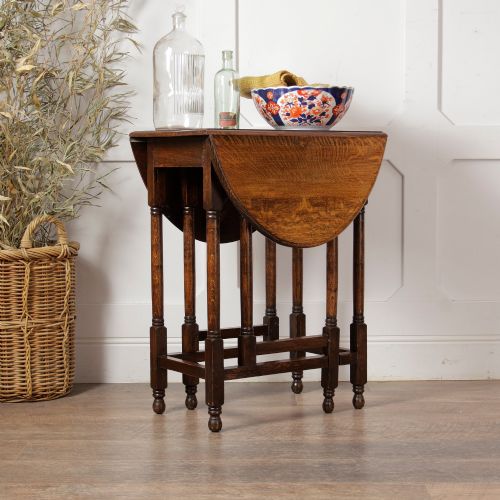
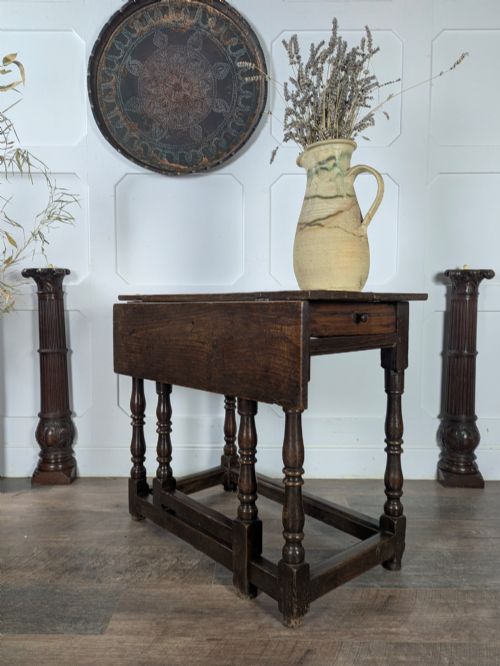
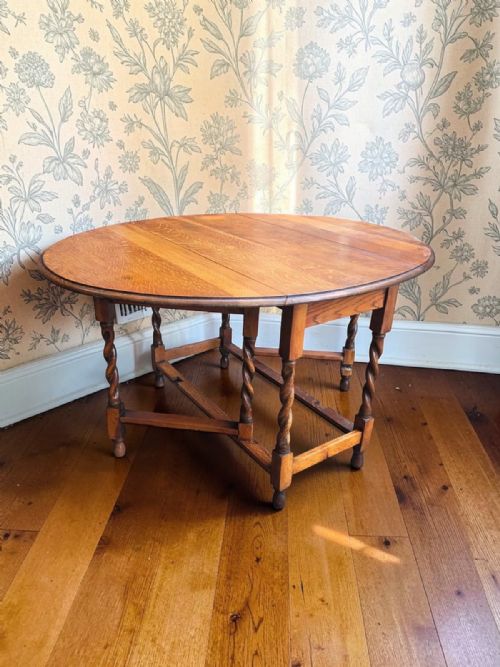
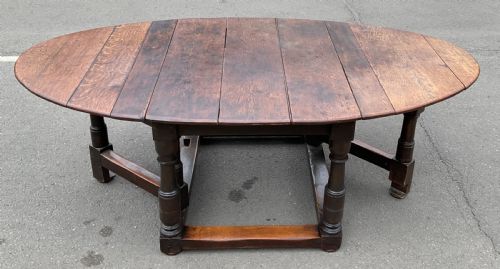
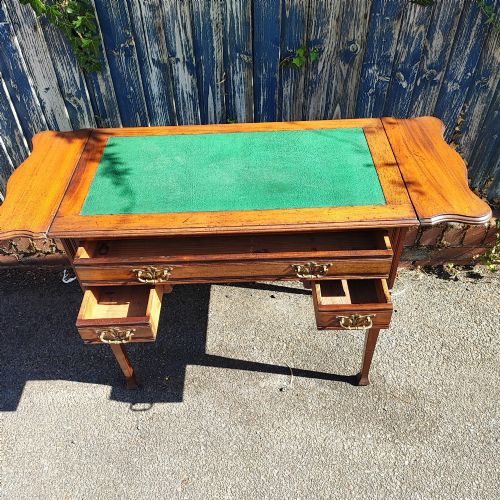
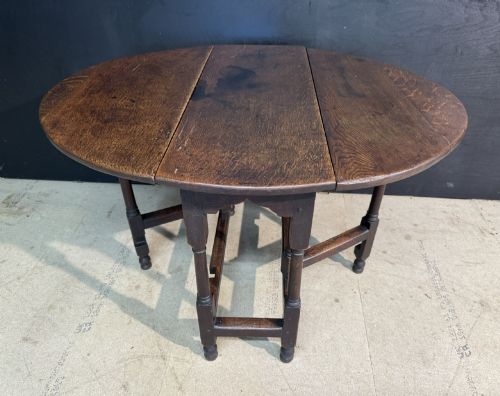
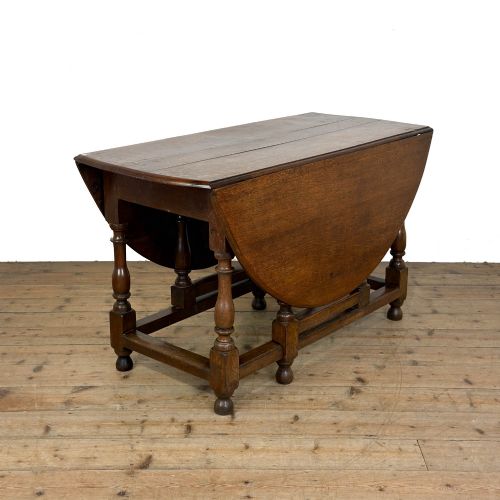
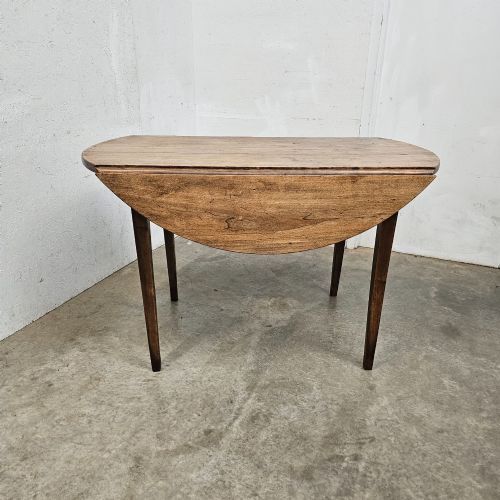
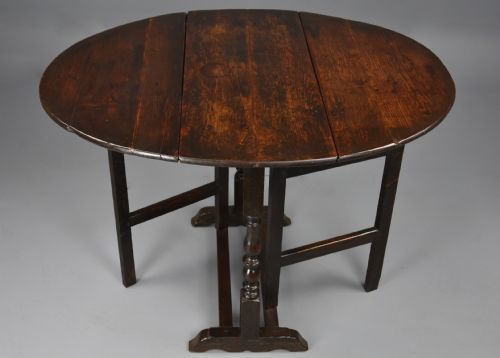
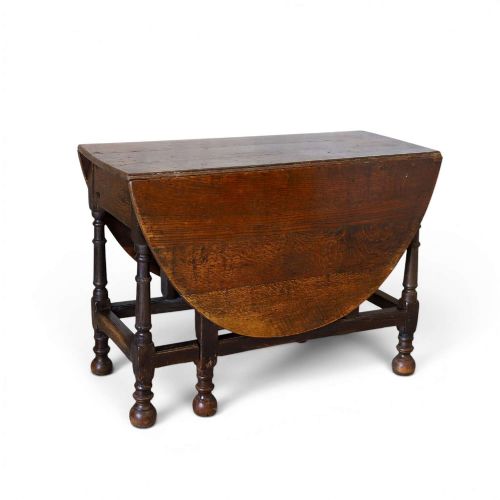
An antique oak drop flap primarily takes the form of a gateleg dining table, side table, or writing desk featuring hinged leaves that raise to extend the surface area. The selection spans robust seventeenth-century examples through to Georgian iterations and twentieth-century revivals.
Gateleg formats dominate the listings, alongside smaller occasional tables, coffee tables, and desks with drop side flaps. Buyers encounter everything from compact seventeenth-century proportions to large six-seater dining tables suitable for everyday use.
Materials and construction
Makers utilised solid oak, often complemented by secondary timbers like fruitwood, alongside brass and iron for hinges and fittings. Surfaces frequently feature leather inserts on writing desks or retain their original warm patina.
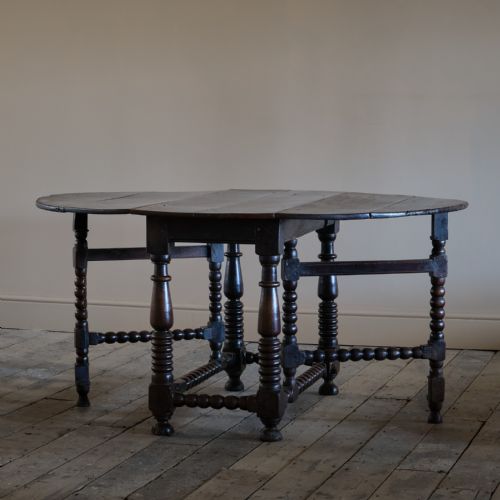
Structural support relies on turned elements such as barley twist, bobbin turned, or baluster posts. Hinges secure the drop leaves, allowing the flaps to fold down when not in use.
Listings feature oak, pollard oak, fruitwood, and mahogany, alongside iron and brass hardware.
Indicators of standard
The standard of an antique oak drop flap depends on the integrity of the original timber and the retention of period hinges. Pieces that maintain their early patination and untouched surfaces stand apart from heavily restored or later revival items.
Proportion and turning execution also separate examples, with crisp bobbin or barley twist legs indicating higher craftsmanship. The solidity of the gateleg action and the fit of the flaps when raised reflect the original joinery.
The Antique Oak Drop Flap Glossary
- Gateleg table
- A table with hinged flaps and legs that swing out to support them when raised. This design allows the surface area to expand or contract easily.
- Barley twist
- A spiral turning carved into furniture legs or stretchers. Popular during the seventeenth century and later revived.
- Bobbin turned
- A style of leg or stretcher resembling a series of spools or bobbins joined end to end. It appears frequently on seventeenth-century oak furniture.
- Patina
- The surface sheen and colour developed by timber through age, use and polishing. Collectors value surfaces that retain this historical depth.
Antique Oak Drop Flap: Frequently Asked Questions
How do I use a drop flap table daily?
Raise the hinged leaves and swing out the supporting gate legs to create a full dining or work surface. Drop the flaps down again when you need to save floor space in smaller rooms.
Ensure items placed on the extended flaps remain within reasonable weight limits to protect the original hinges and pivoting legs.
What periods do these tables come from?
The selection includes authentic seventeenth-century and eighteenth-century examples alongside later nineteenth-century pieces and twentieth-century revivals. Noughts and crosses or specific turning styles like bobbin and barley twist often point towards seventeenth-century origins or later Jacobean revival periods.
Are these tables suitable for modern dining?
Many large gateleg and wake tables provide ample seating for six people, making them practical for contemporary dining rooms and kitchens. Their folding design also allows you to adjust the table size to suit the number of guests dining at any time.
How do I care for antique oak surfaces?
Dust the timber regularly with a soft, dry cloth and apply a quality beeswax periodically to nourish the wood and maintain its patina. Avoid placing tables near direct heat sources or damp areas to prevent the oak from warping.
Use protective mats under hot dishes and drinks to safeguard the historic polished surface from rings and marks.