
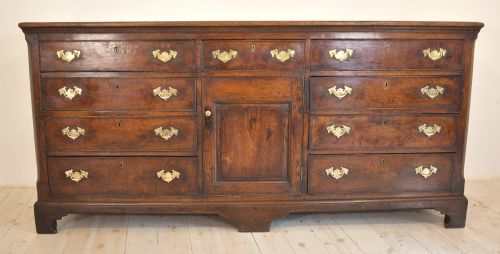
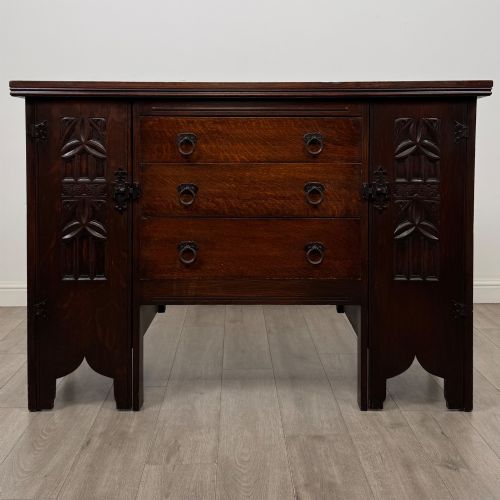
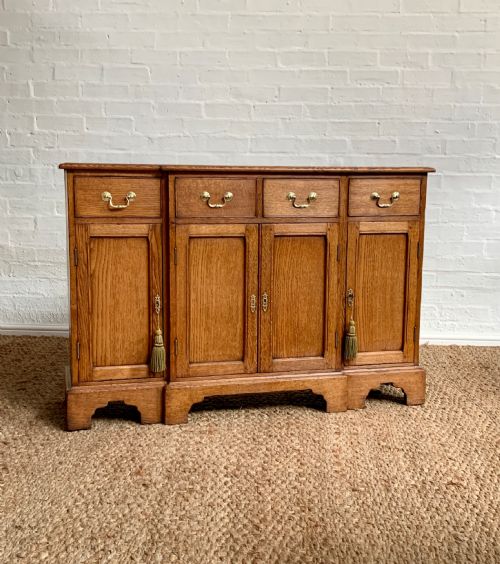
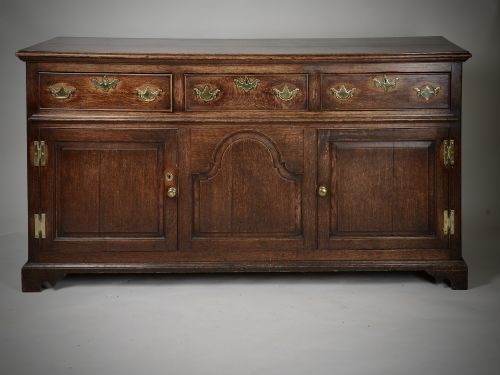
Antique Oak Cupboard Base
An antique oak cupboard base anchors a room with timber grain and history, offering sturdy storage shaped by centuries of country and formal design.
Antique Oak Cupboard Base
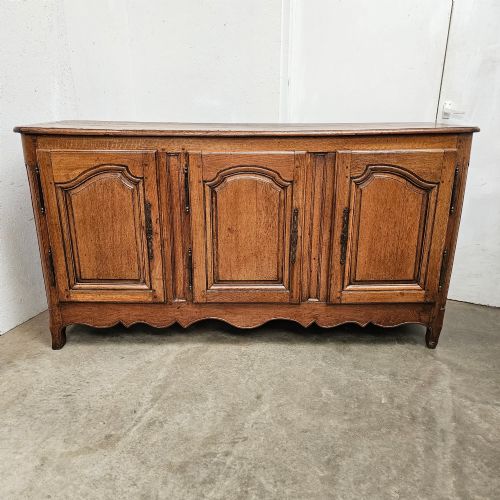
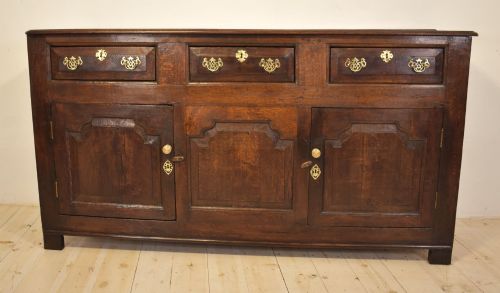
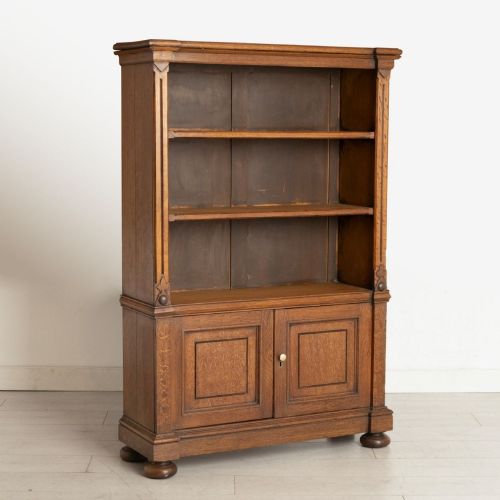
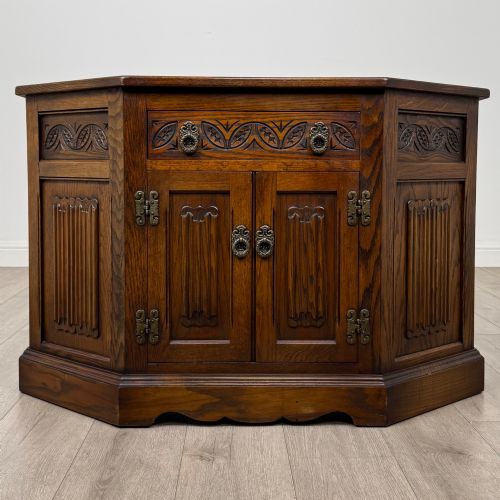
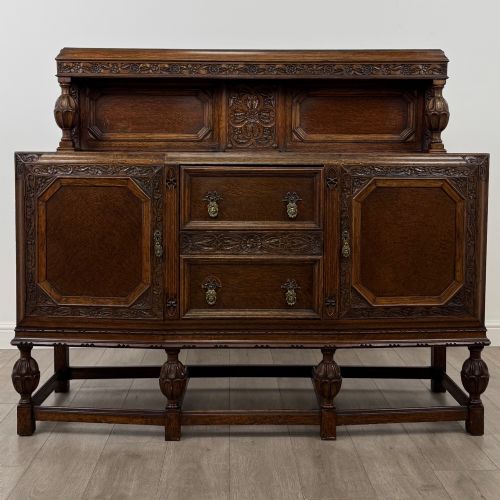
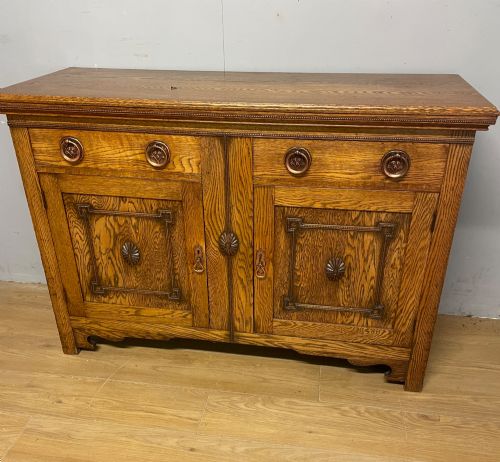
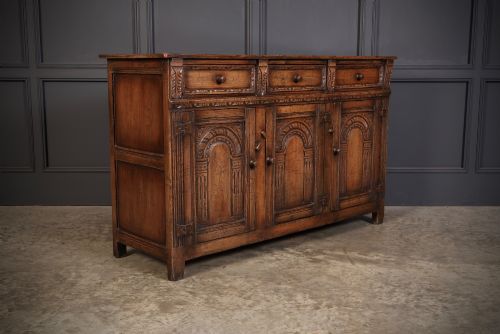
An antique oak cupboard base functions as a low storage unit, often encountered as the foundational section of a larger dresser or as a standalone sideboard. These pieces emerge from domestic settings across the seventeenth, eighteenth, and nineteenth centuries, reflecting the evolving needs of rural and urban households.
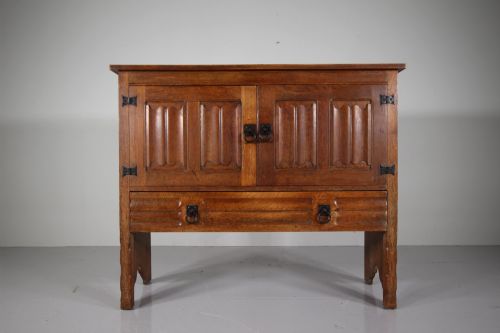
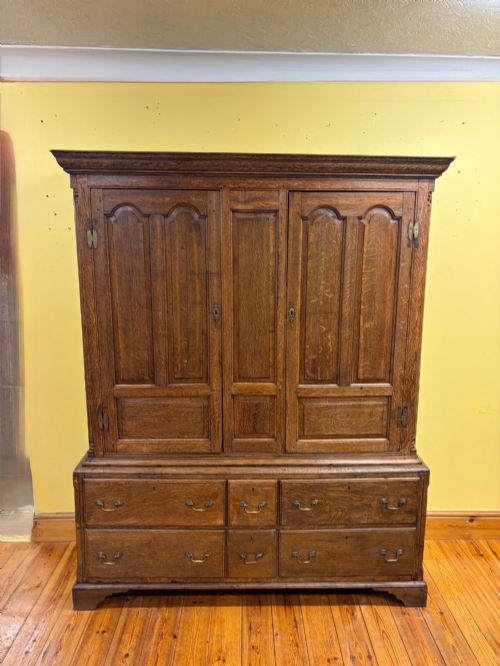
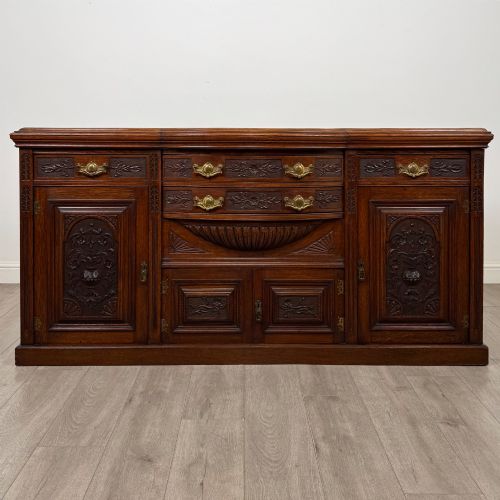
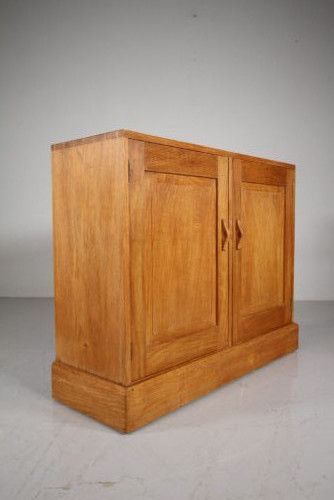
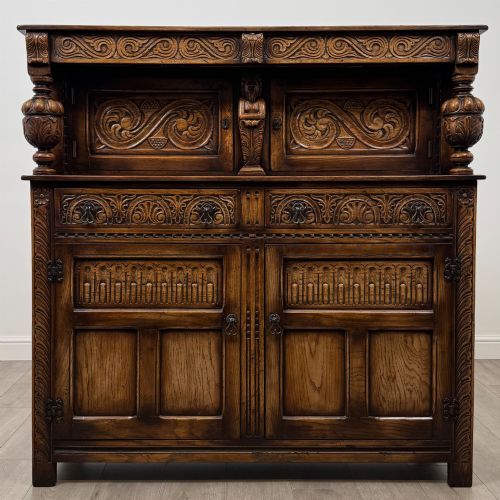
Buyers seeking an antique oak cupboard base will find examples ranging from austere Georgian vernacular designs to heavily carved Victorian Gothic or Jacobean revival styles. Sideboards, dresser bases, and court cupboards dominate the selections available in this category.
Originating largely from English, Welsh, and French workshops, these items present robust proportions suited for modern dining rooms or hallways. The survival of such timber furniture demonstrates the utility of heavy hardwood construction over generations.
How they were made
Makers relied primarily on English oak, sometimes complemented by fruit wood or burr elm veneers, joined through traditional mortise and tenon methods. Surfaces often display hand-planed panels and pegged frames that accommodate the natural seasonal movement of solid timber.
Hardware such as brass handles, iron hinges, and wrought iron mounts provide structural security and functional contrast to the warm brown tones of the wood. Carving, linenfold panels, and moulded fronts appear across various periods to ornament the solid oak framework.
Several pieces preserve unexpected green man carvings, peering out from beneath the oak foliage to watch over the room.
What varies in quality
The degree of hand-carved detail and the selection of figured timber distinguish standard vernacular pieces from masterworks of the Cotswold School or regional workshops. Crispness in mouldings and the integrity of original timber boards reveal the maker's hand.
Proportion and structural retention over centuries dictate the desirability of a base. Pieces retaining their original brass furniture, unblemished oak tops, and stable internal shelving stand apart from those altered or heavily restored over time.
Peter Waals
The Antique Oak Cupboard Base Glossary
- Dresser base
- The lower portion of a Welsh or country dresser, featuring drawers and cupboards beneath a flat top surface. This configuration provided a sturdy workspace in historic kitchens.
- Court cupboard
- A heavy, two-tier enclosed cabinet used for storing provisions or displaying plate, prominent in the seventeenth century. These units feature recessed upper sections supported by carved columns.
- Enfilade
- A long sideboard or cabinet with multiple doors, originating in France for grand dining spaces. These pieces offer extensive linear storage capacity.
- Tridarn
- A three-tiered Welsh cupboard combining open display shelves and enclosed compartments. This complex form represents regional vernacular cabinet-making.
- Marquetry
- Decorative inlay work using various woods to create intricate patterns on surfaces. This technique adds pictorial or geometric contrast to the primary oak structure.
Antique Oak Cupboard Base: Frequently Asked Questions
How do I date an oak base?
Dating relies on observing construction methods, timber characteristics, and style markers. Seventeenth-century pieces display pegged joints and heavy mouldings, while Georgian examples often feature cleaner lines and fine drawer linings.
Tool marks, handle styles, and the type of oak also provide clues to the era of manufacture. Regional vernacular pieces sometimes retain idiosyncratic local design traits.
Where were these cupboards made?
The pieces originate from workshops across England, Wales, and France. Regional variations, such as Welsh country designs or French provincial enfilades, reflect local domestic traditions.
English examples frequently draw on stylistic movements like Gothic Revival, Arts and Crafts, and Jacobean revival. Each region utilised available local timber alongside traditional joinery techniques.
How should I care for antique oak?
Maintain antique oak by keeping it away from direct heat sources and sudden humidity changes. Solid timber responds to environmental shifts by expanding and contracting.
Clean surfaces with a dry or lightly damp cloth and apply natural beeswax periodically to nourish the grain. Avoid modern silicone polishes that can build up and dull the historic finish.