
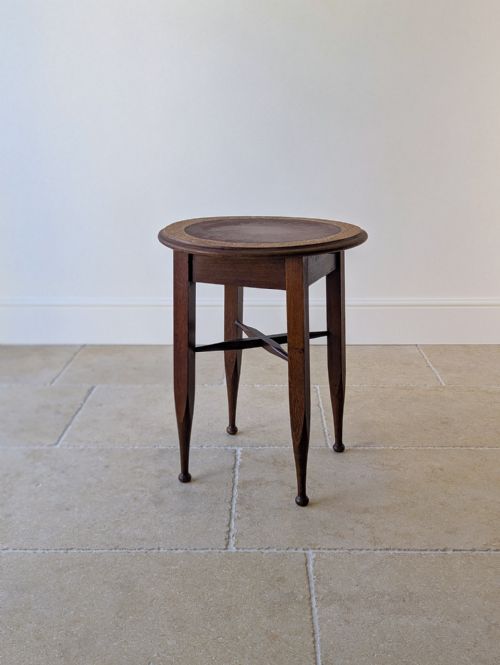
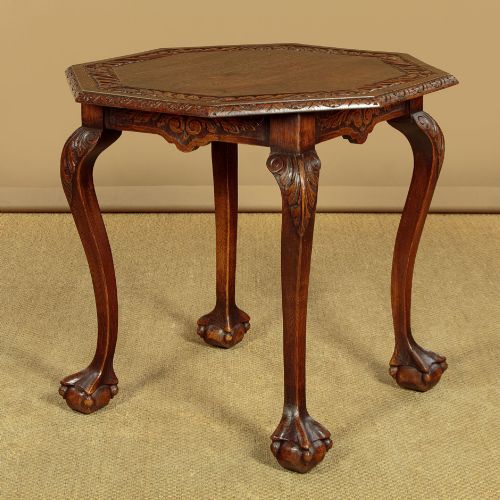


Antique Oak Corner Table
These antique oak corner table pieces make clever use of awkward spaces, offering sturdy timber construction suited to both period rooms and modern interiors.
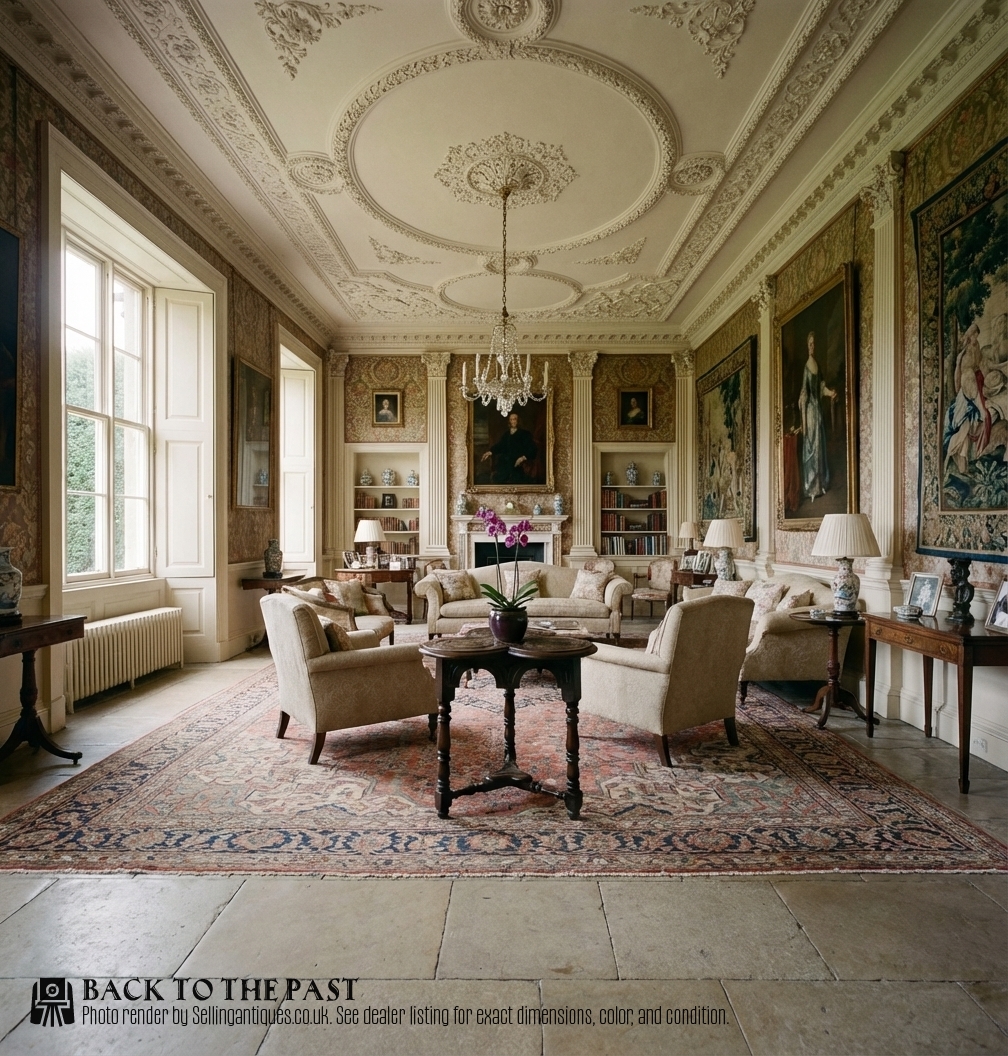
Antique Oak Corner Table
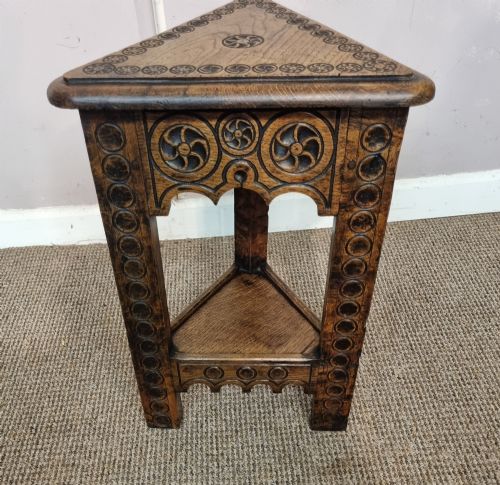
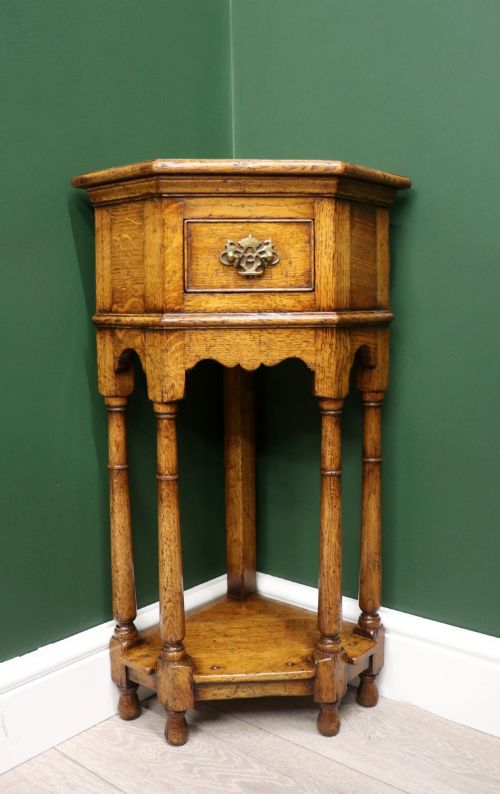
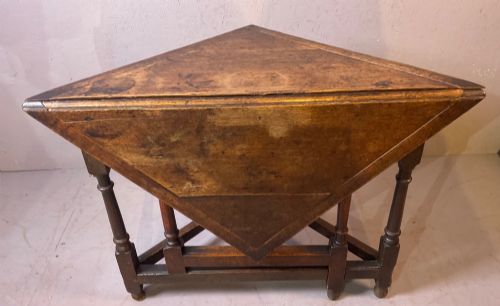
An antique oak corner table is designed specifically to fit into room angles, making practical use of dead space while providing a useful surface. These domestic items appear in various forms, including drop-leaf designs, triangular tops, and occasional tables.
The material palette centres firmly on solid timber, occasionally accompanied by brass or ebonised wood details. Pieces range from straightforward vernacular furniture to more decorative Arts and Crafts and Gothic Revival expressions.
Buyers frequently encounter examples spanning the seventeenth century through to the Edwardian era and mid-twentieth century. Surviving pieces show how makers adapted traditional joinery to suit smaller domestic footprints over successive generations.
Materials and construction methods
Makers relied principally on solid oak, selected for its durability and distinctive grain pattern. Joinery techniques varied from traditional pegged framing to turned supports and carved surface decoration.
Surface treatment relied on natural finishing methods to highlight the timber figure, though some examples incorporate carved detailing or contrasting woods. Hardware such as brass hinges and brackets provided functional support on folding or drop-leaf variants.
The selection spans seventeenth-century origins through Victorian revivals and mid-twentieth-century interpretations.
Judging quality and character
Quality rests in the selection of the timber and the precision of the joinery rather than mere surface ornamentation. Superior pieces demonstrate thoughtful proportioning and stable construction that withstands everyday use in a corner position.
Carving and turned elements show the hand of the maker more clearly in better examples, where details remain crisp and well-defined. Original hardware and sound structural integrity distinguish finer specimens from standard utility pieces.
Heals
The Antique Oak Corner Table Glossary
- Triangular
- Having three sides and angles, forming the standard geometric base required for furniture designed to fit squarely into a room corner.
- Occasional table
- A small, movable table intended for intermittent use in a sitting room or hallway rather than primary dining.
- Drop leaf
- A hinged table flap that can be raised to extend the surface area or dropped down to save space when not in use.
- Arts and Crafts
- A design movement prioritising traditional craftsmanship, simple forms, and visible construction over mass-produced ornamentation.
- Gothic Revival
- An architectural and decorative style drawing inspiration from medieval forms, featuring pointed arches, tracery, and heavy carved details.
Antique Oak Corner Table: Frequently Asked Questions
Where should I place an antique oak corner table?
These tables naturally suit dead corners in hallways, living rooms, or bedrooms where a standard rectangular table would obstruct foot traffic. They provide a practical spot for a lamp, books, or decorative objects without dominating the floor space.
Ensure the wall angles match the table's footprint so the piece sits flush. Placing one in an underutilised angle adds both character and functional surface area to a neglected part of the room.
How do I care for antique oak furniture?
Keep oak furniture away from direct heat sources and strong sunlight to prevent the timber from drying out or splitting. Dust regularly with a dry cloth and apply a quality beeswax periodically to nourish the wood.
Avoid using modern silicone-based polishes, which build up over time and attract dust. A simple wax finish protects the grain and maintains the natural lustre of the antique surface.
How can I tell the age of an oak table?
Examining the joinery, tool marks, and fixings reveals much about a piece's age. Hand-cut joints, pegged construction, and early types of screws or hinges point towards earlier periods, while machine tooling suggests later manufacturing.
Wear patterns around the feet and edges also indicate age. Comparing the style of carving or turning with documented historical periods helps narrow down the decade of production.
Are these tables sturdy enough for daily use?
Solid oak construction generally provides excellent stability and durability for everyday household tasks. Most corner designs distribute weight evenly against the supporting walls, making them remarkably steady.
Check that joints remain tight and legs are secure before placing heavy items on top. Routine maintenance keeps these pieces fully functional for modern domestic life.